






Home / Journal

Butchery Journal

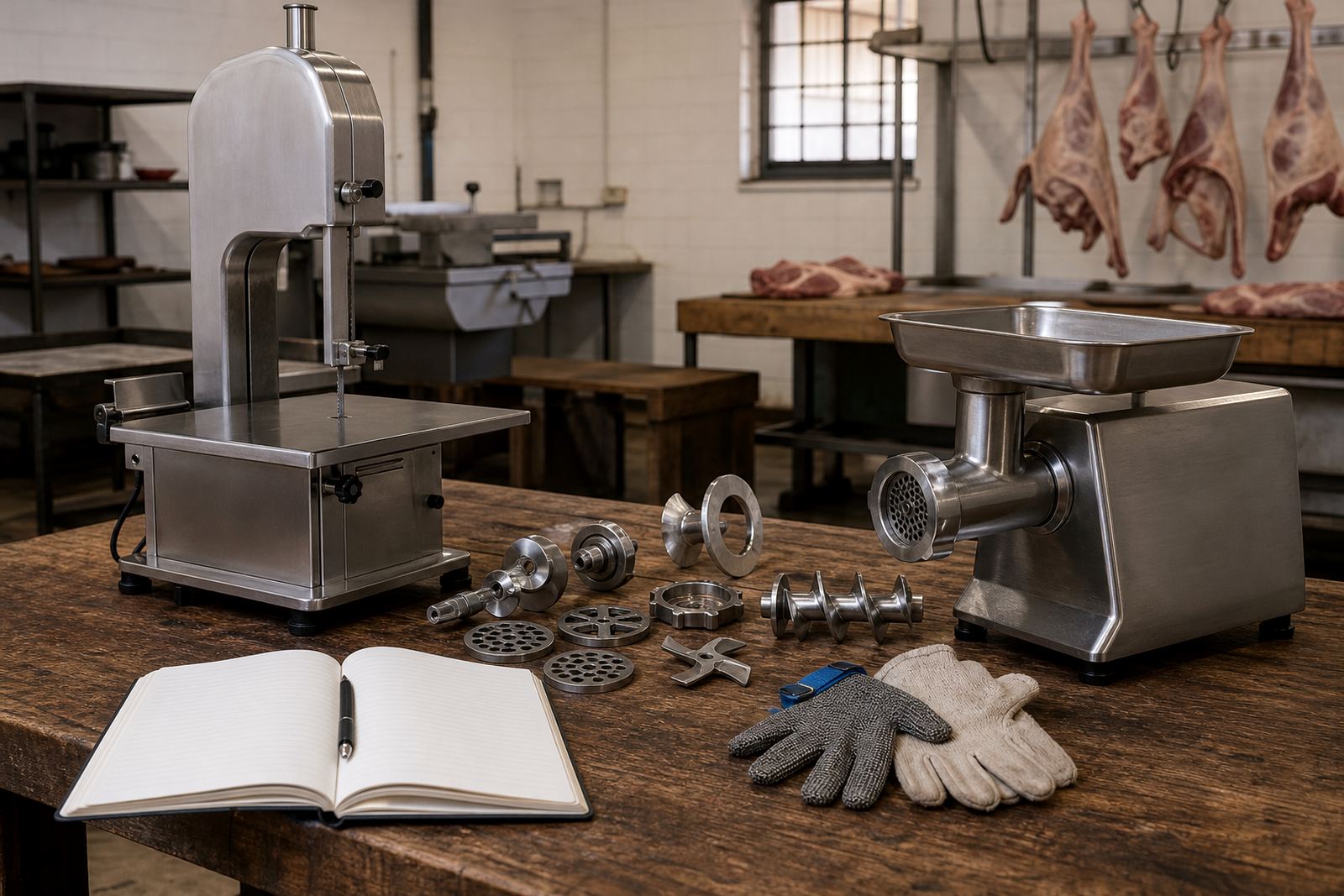
The journal shares practical reading for people working with bandsaws and mincers. Topics cover cleaning, upkeep, workflow planning and basic safety reminders in straightforward language.

Butchery Journal
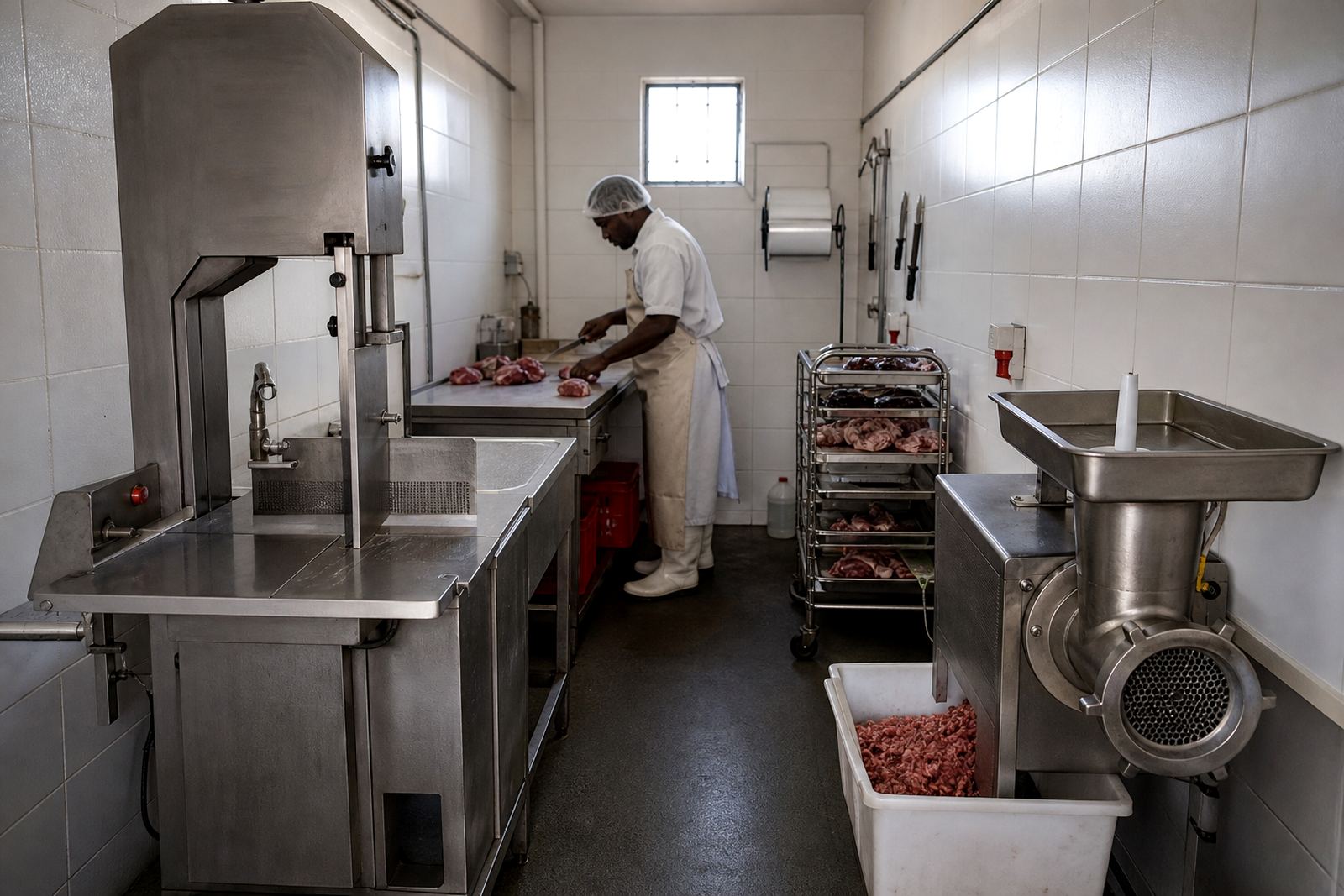
Clean a Bandsaw Daily

Clean a Bandsaw Daily

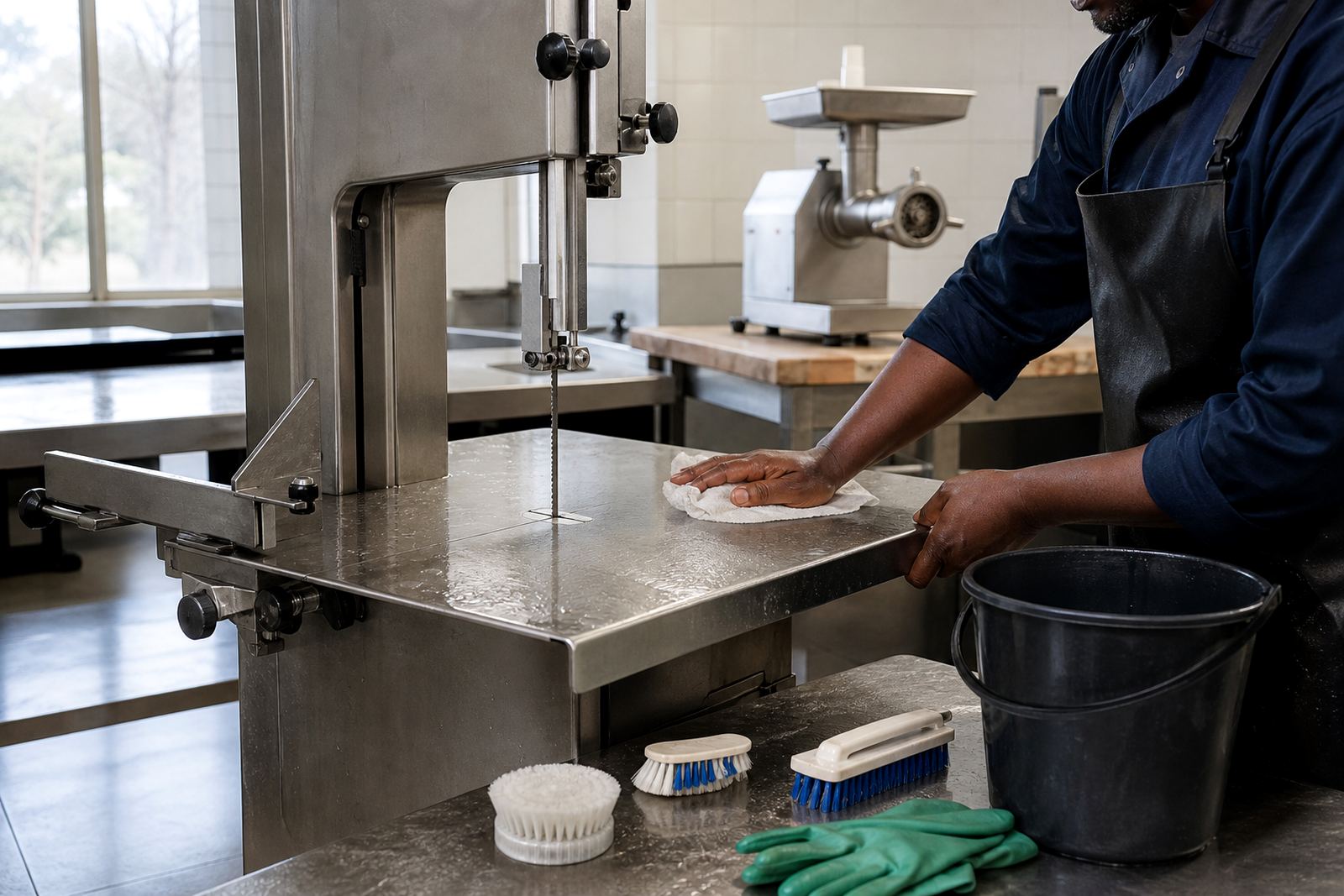
A simple look at daily cleaning habits that help keep a bandsaw in good order.

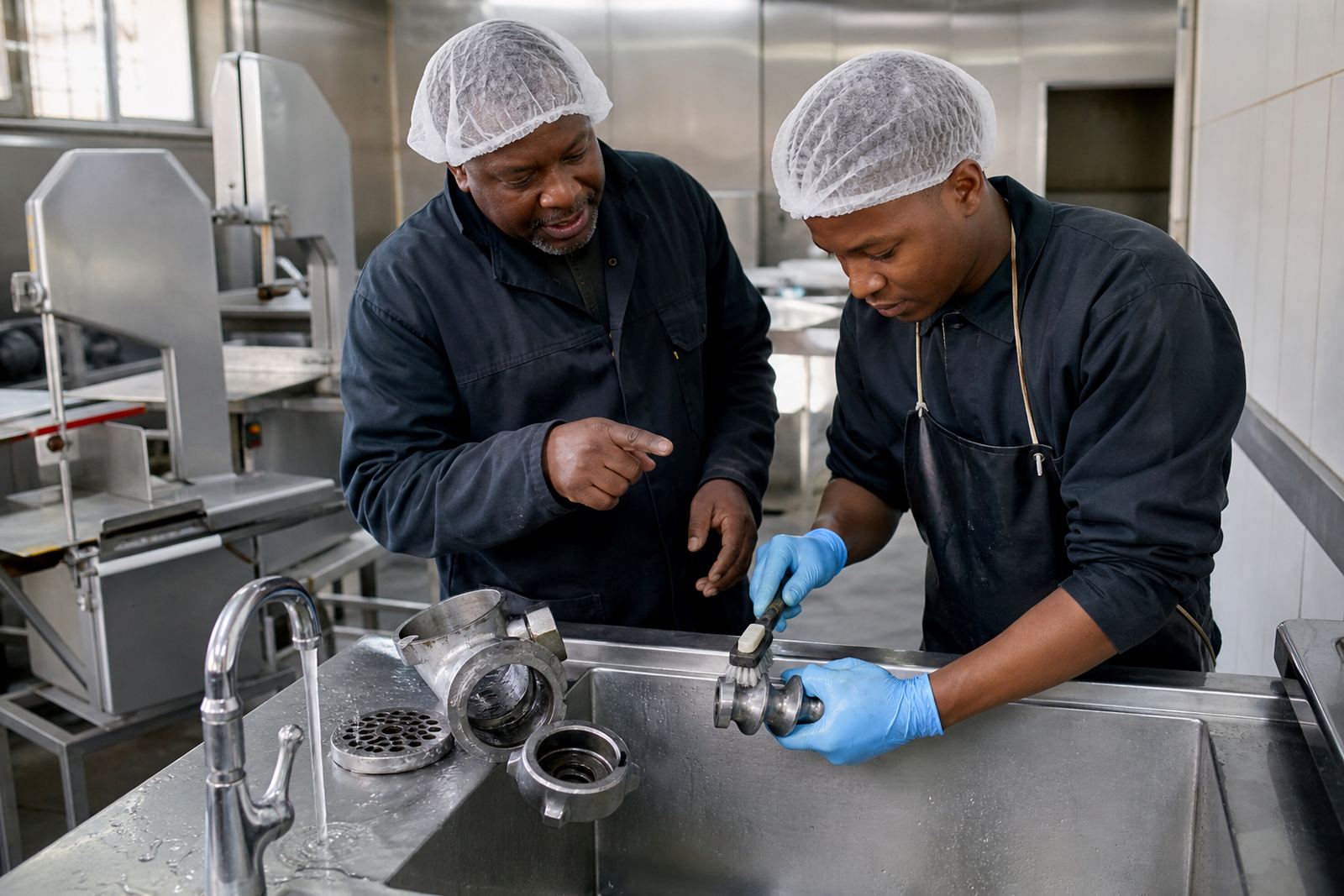
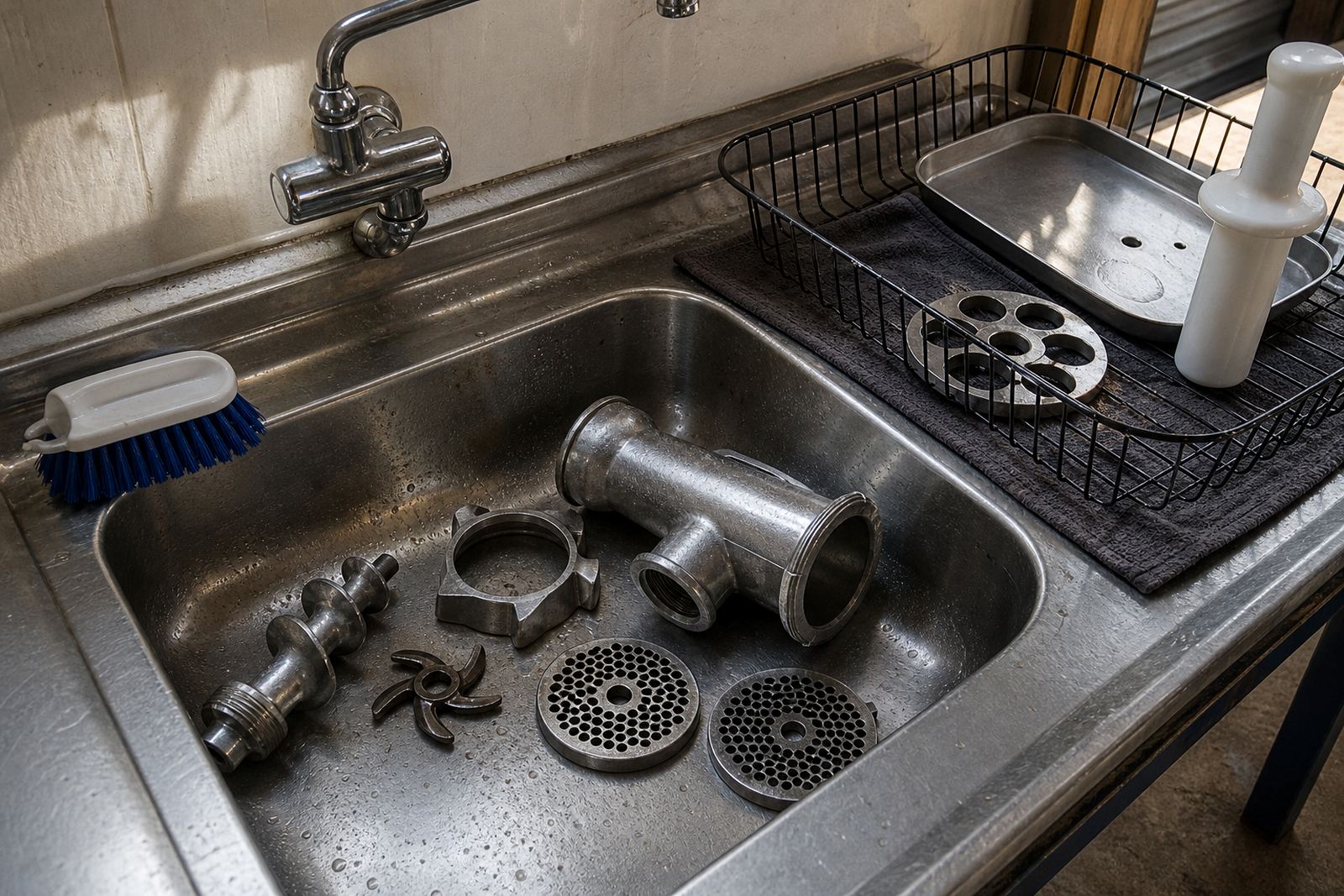
Clean a Mincer Daily

Clean a Mincer Daily

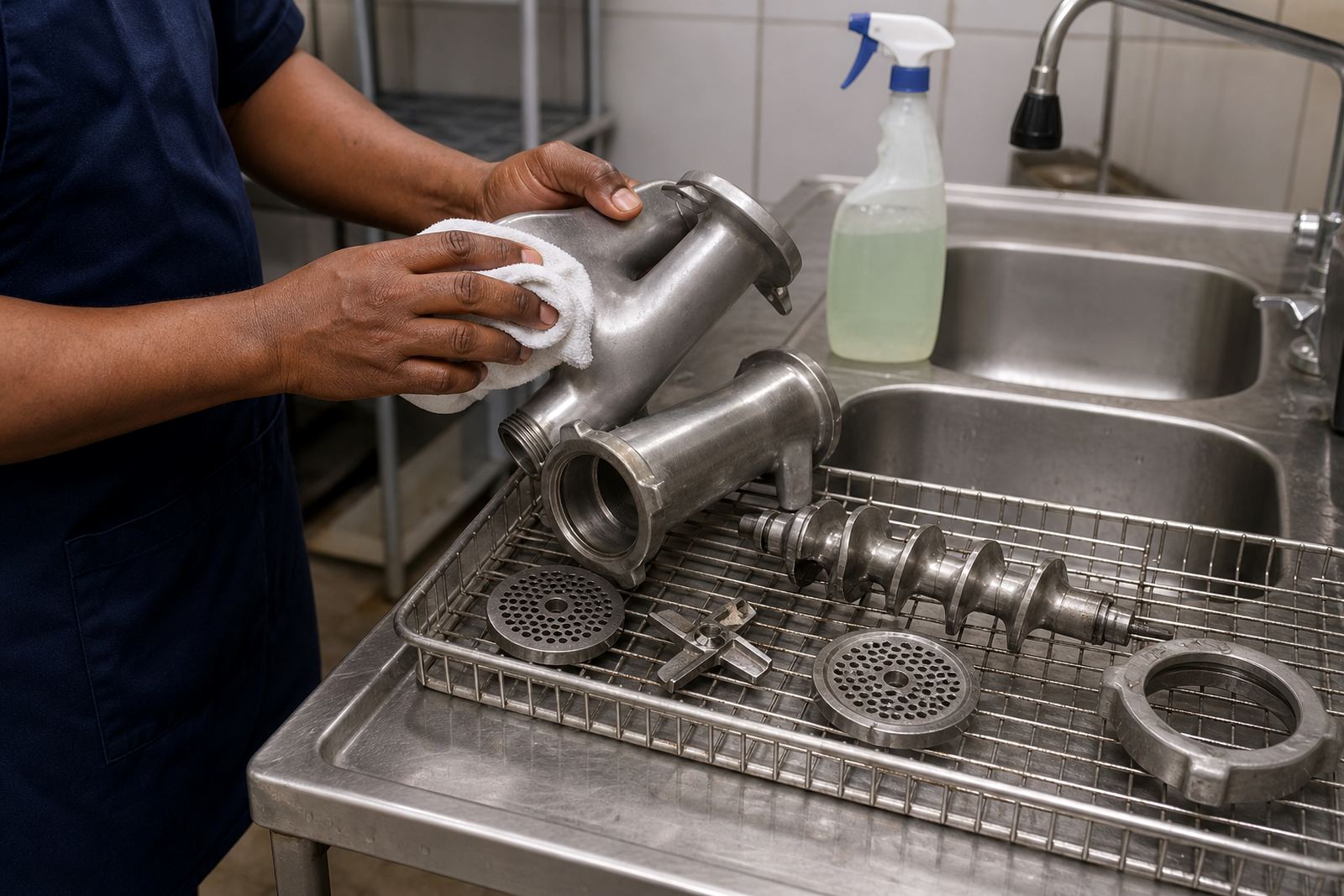
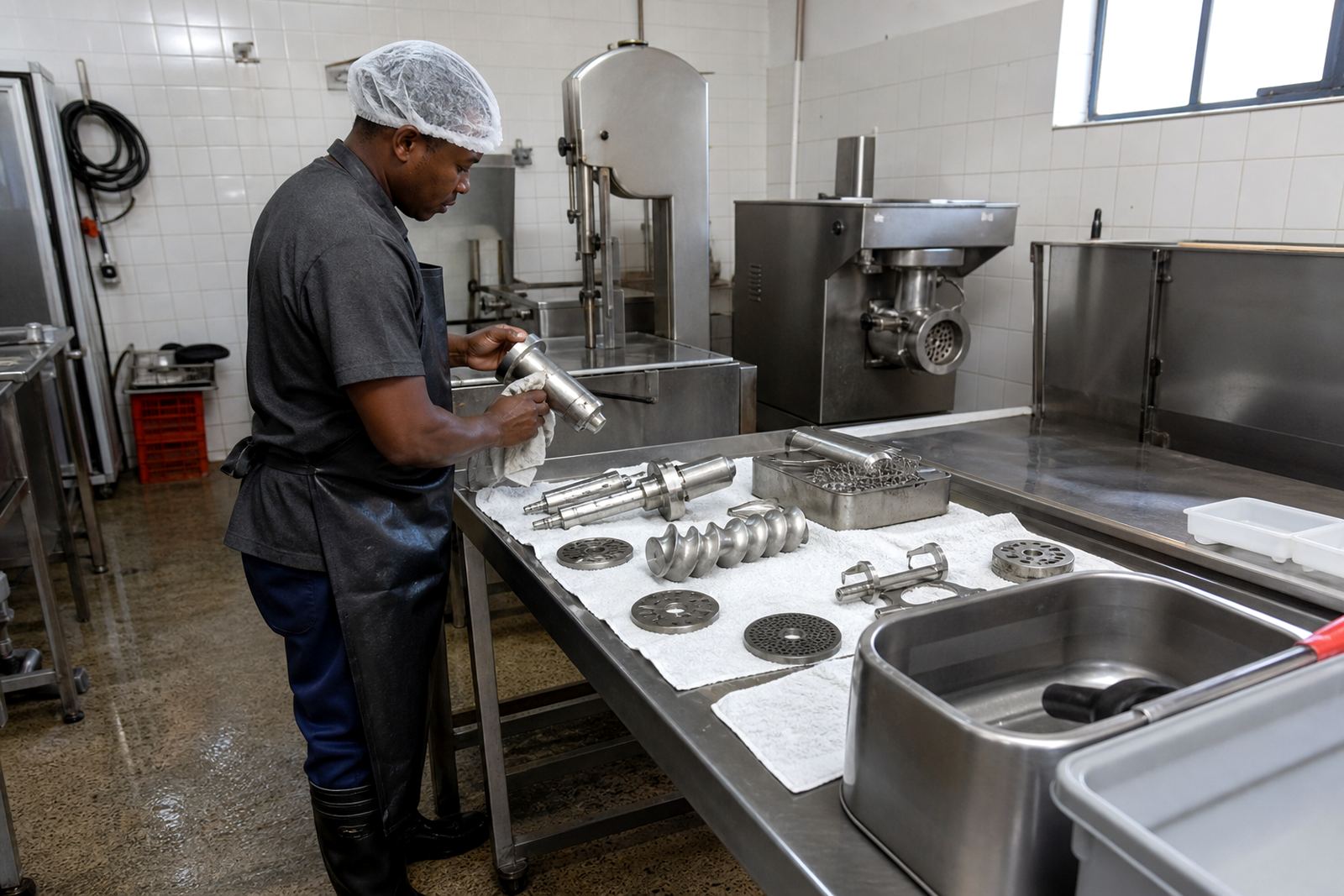
How regular dismantling and cleaning supports hygienic mince production.

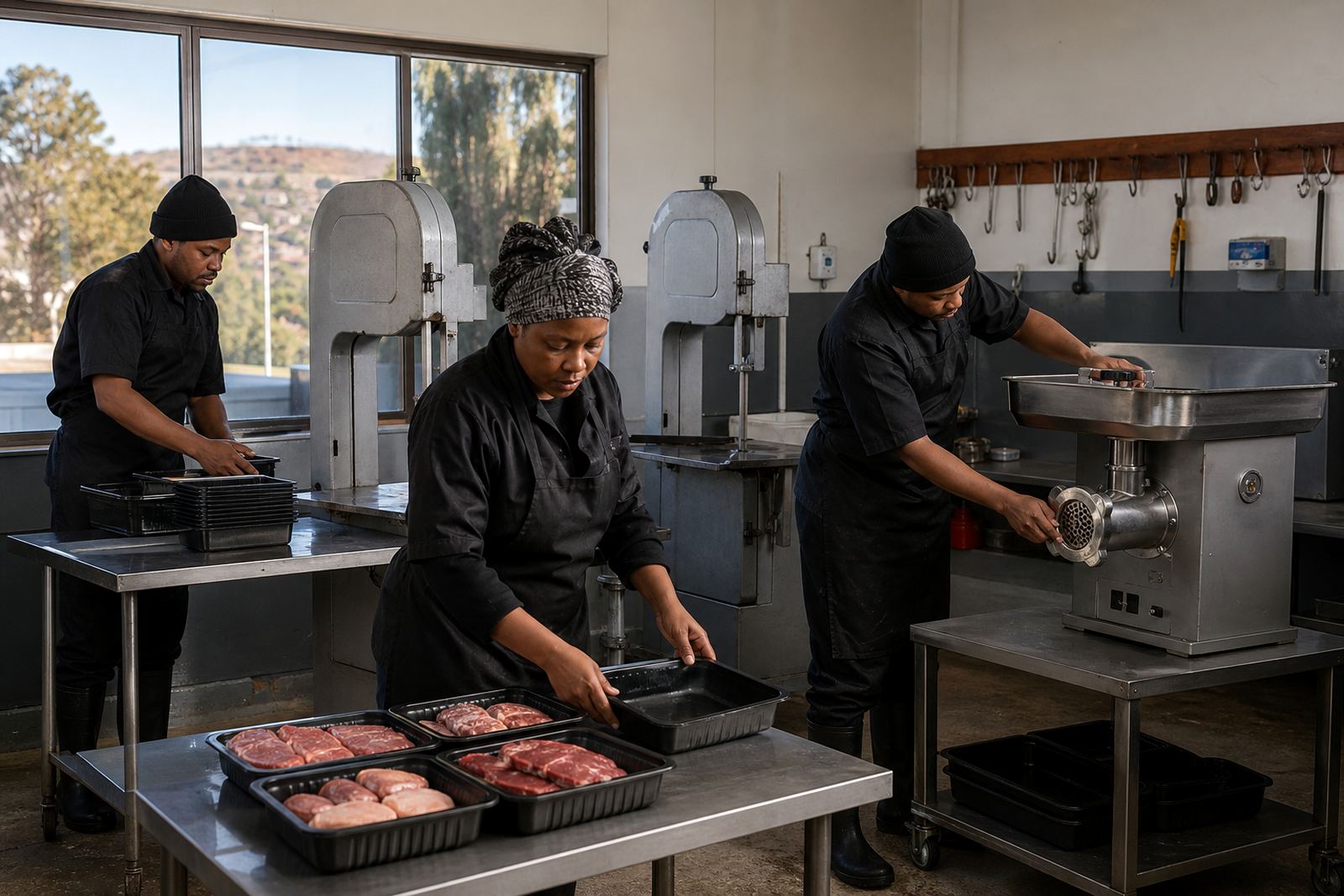
Bandsaw Guard Checks

Bandsaw Guard Checks

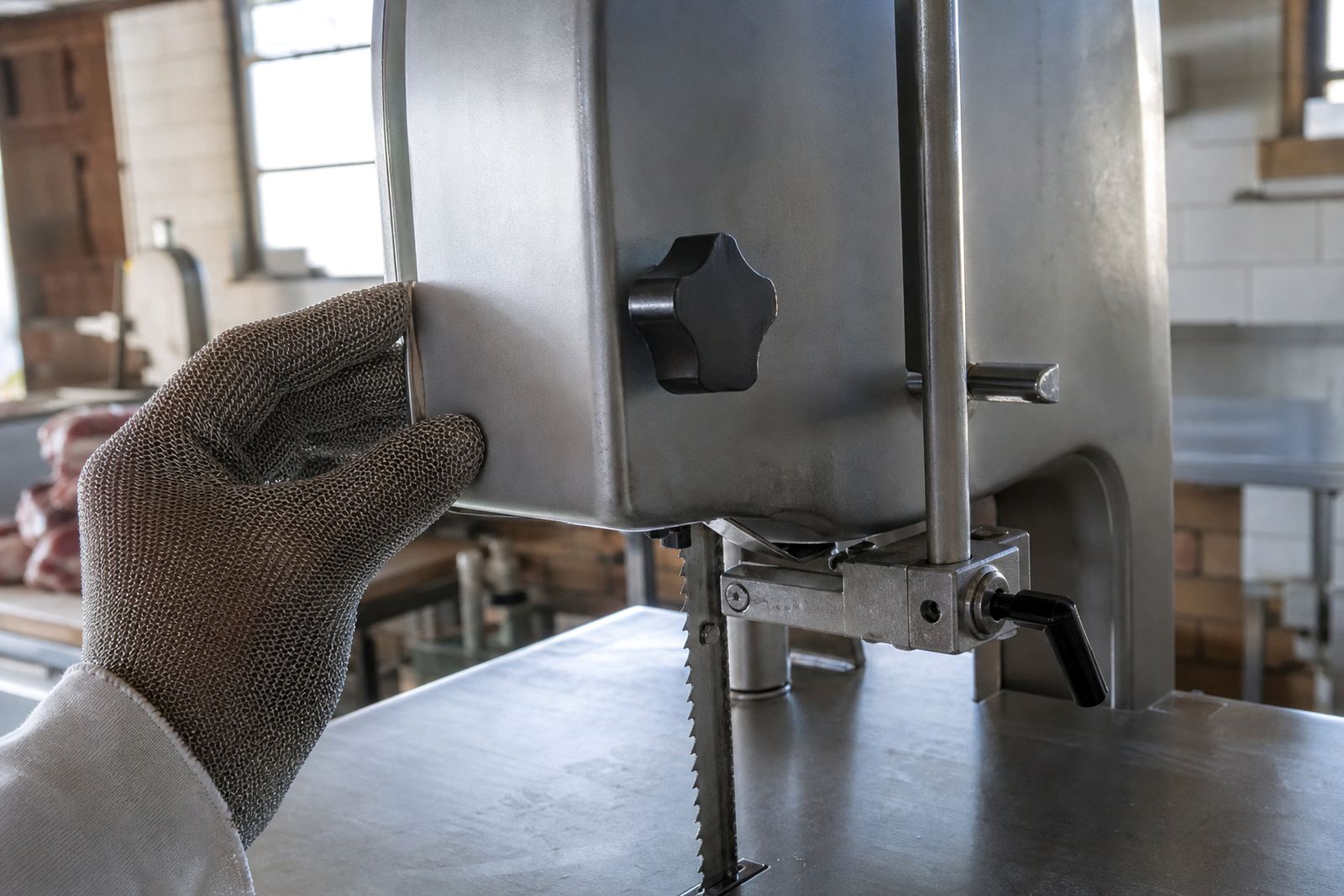
Why checking guards before operation is an important daily routine.

Mincer Wear Signs

Mincer Wear Signs

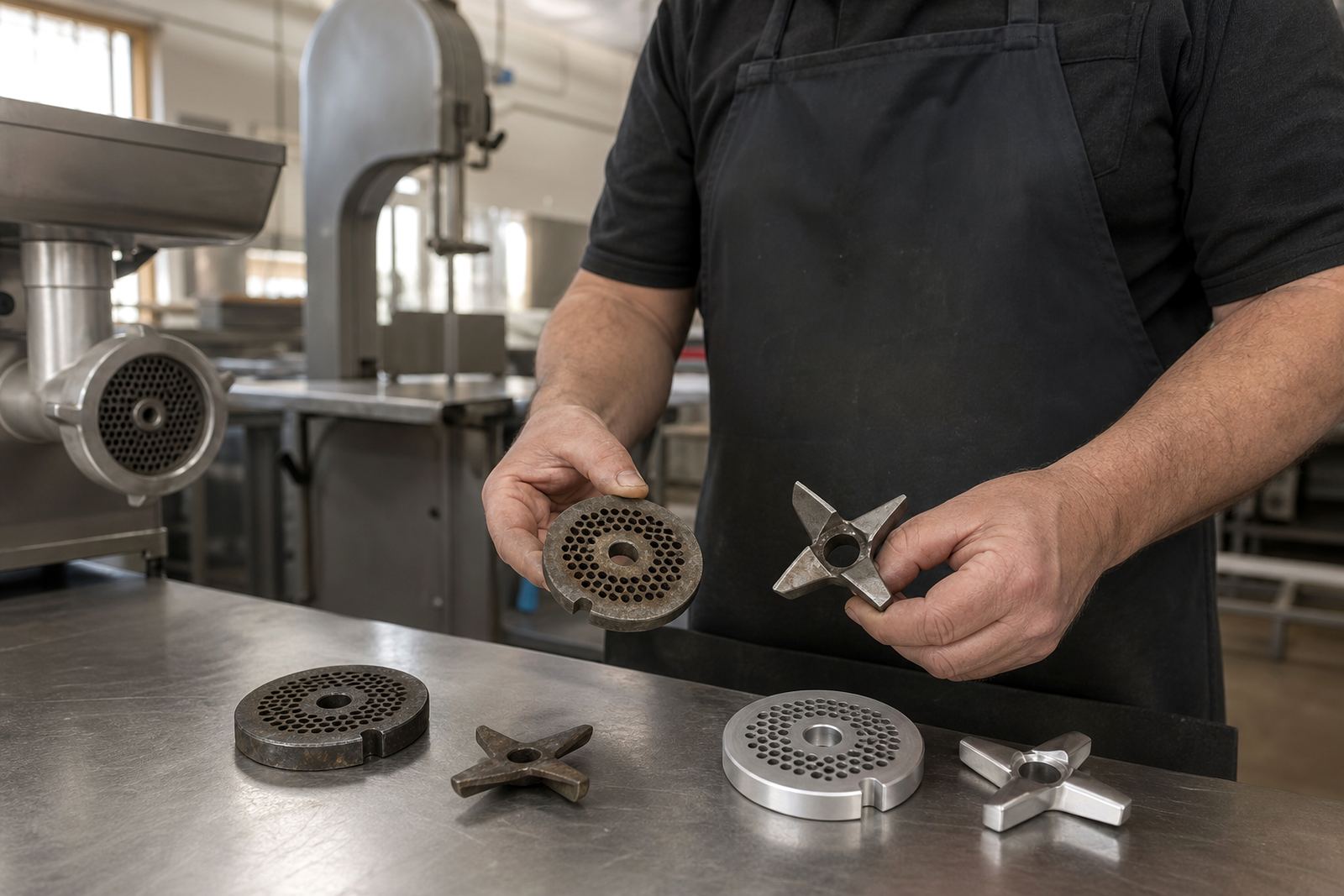
Common signs that mincer parts may need attention or replacement.

Choose a First Bandsaw

Choose a First Bandsaw

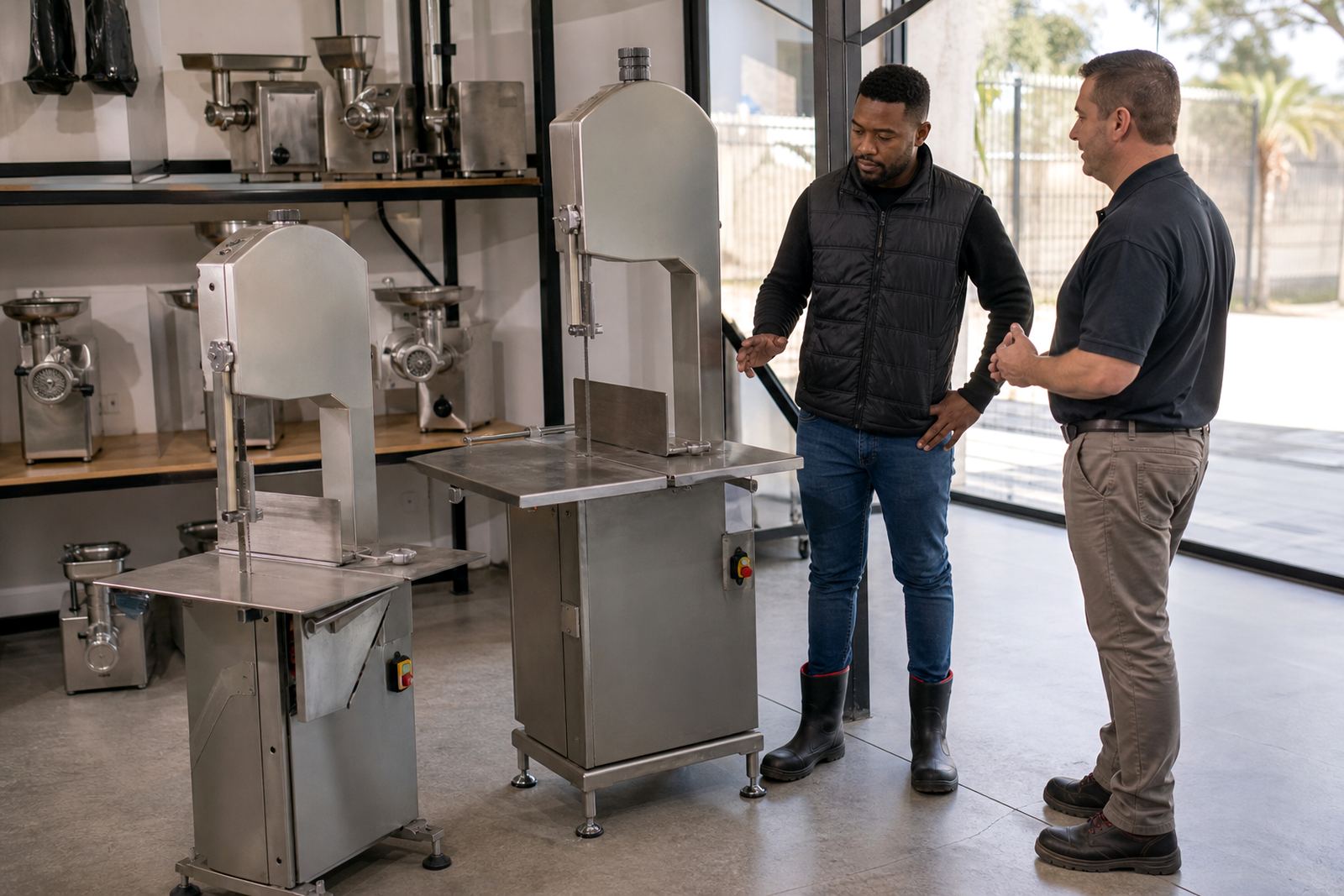
Points to consider when buying a first bandsaw for a small operation.

Choose a First Mincer

Choose a First Mincer

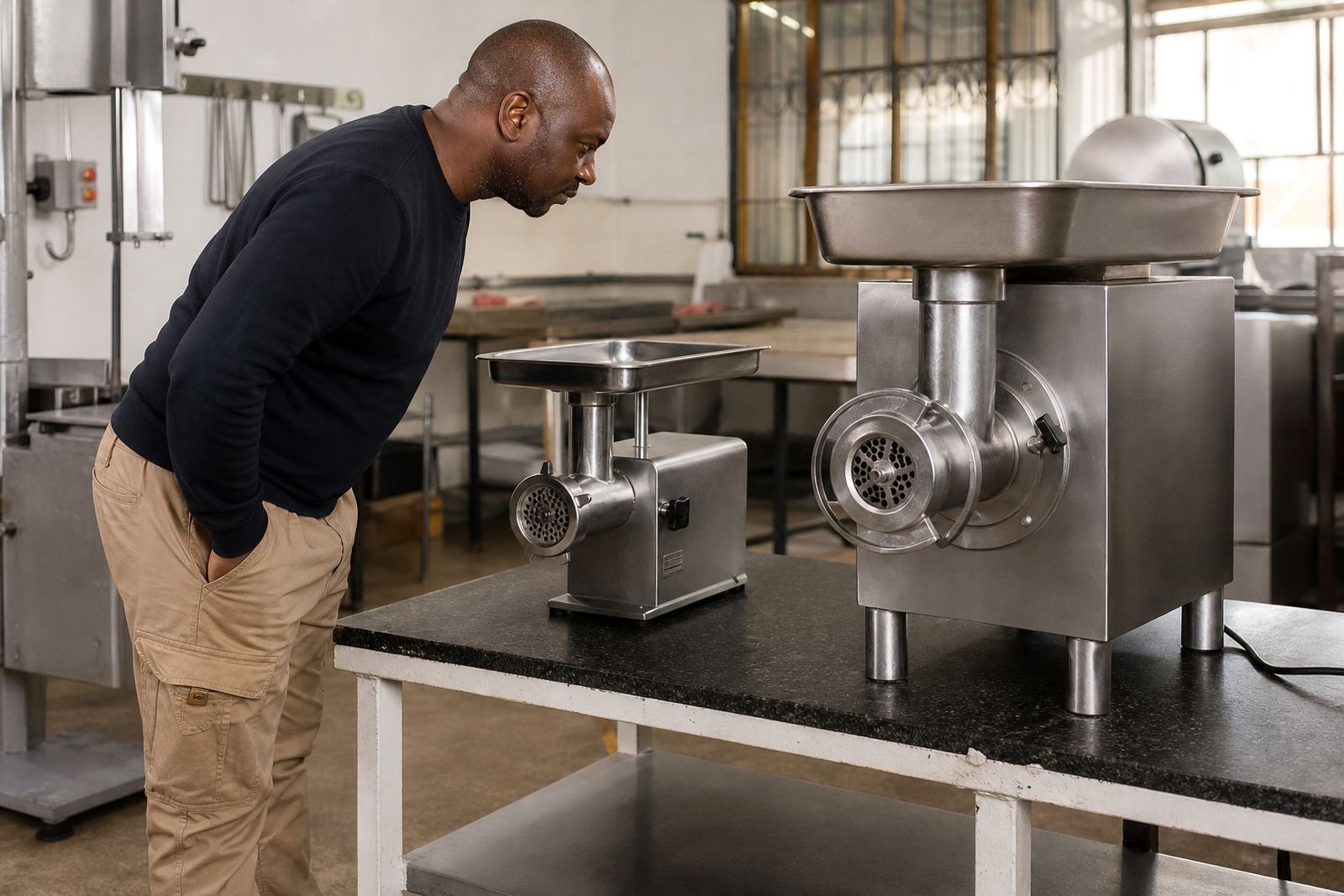
Practical buying thoughts for selecting a mincer for regular local use.

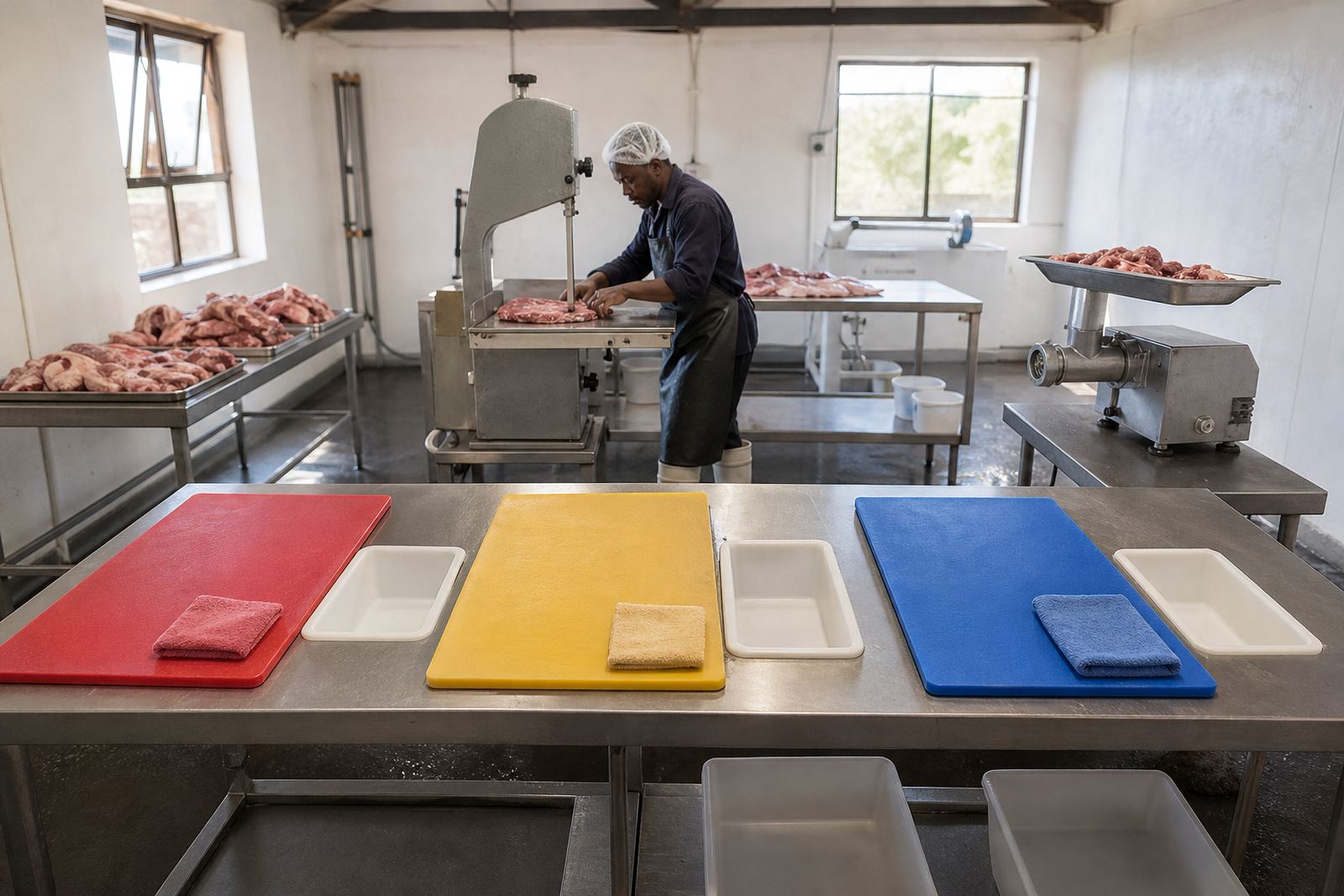
Better Prep Room Layout

Better Prep Room Layout

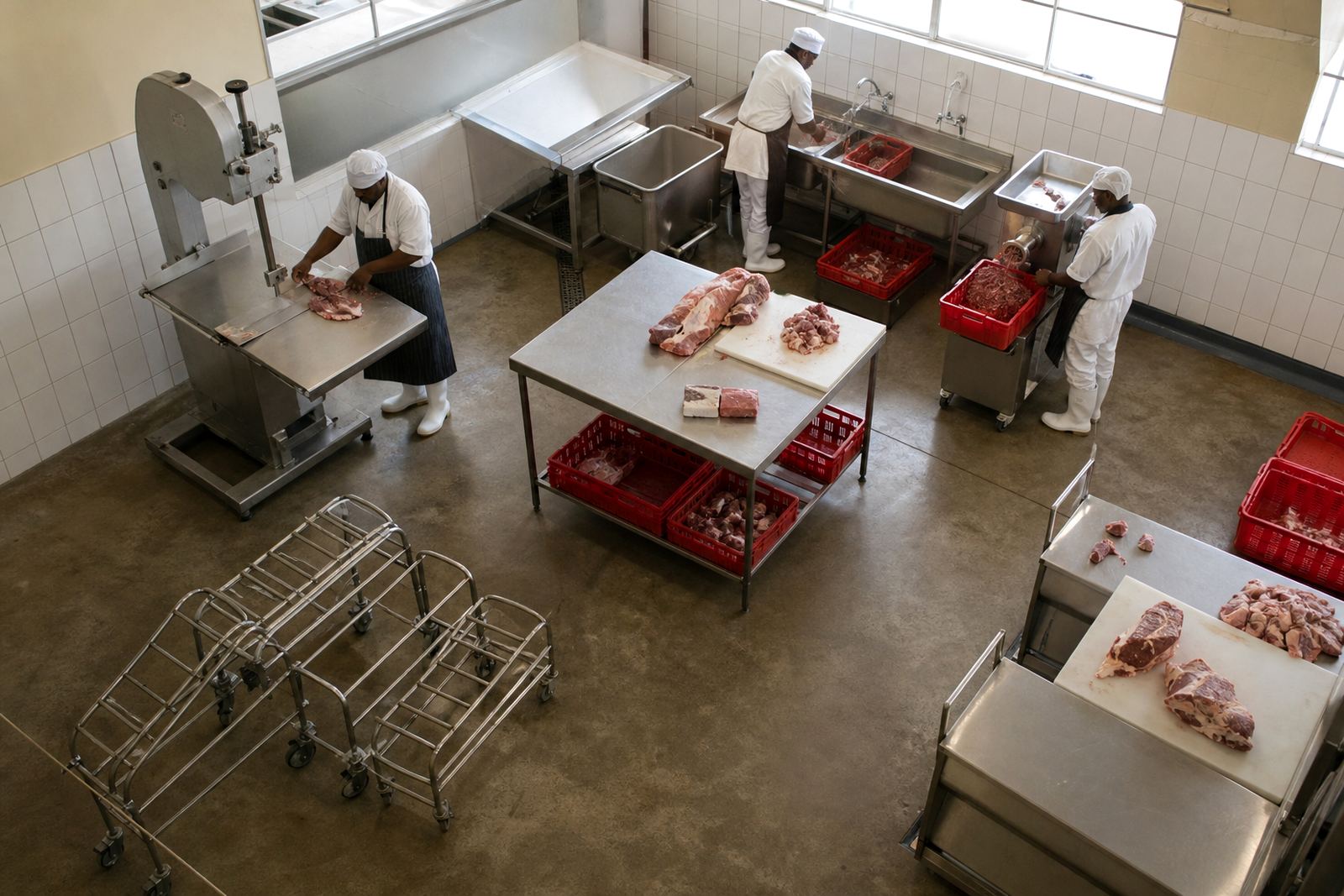
Ways to place cutting and mincing equipment for smoother movement and cleaning.

Reduce Cleaning Time

Reduce Cleaning Time

Simple room and equipment habits that make end-of-day cleaning easier.

Daily Opening Checklist

Daily Opening Checklist

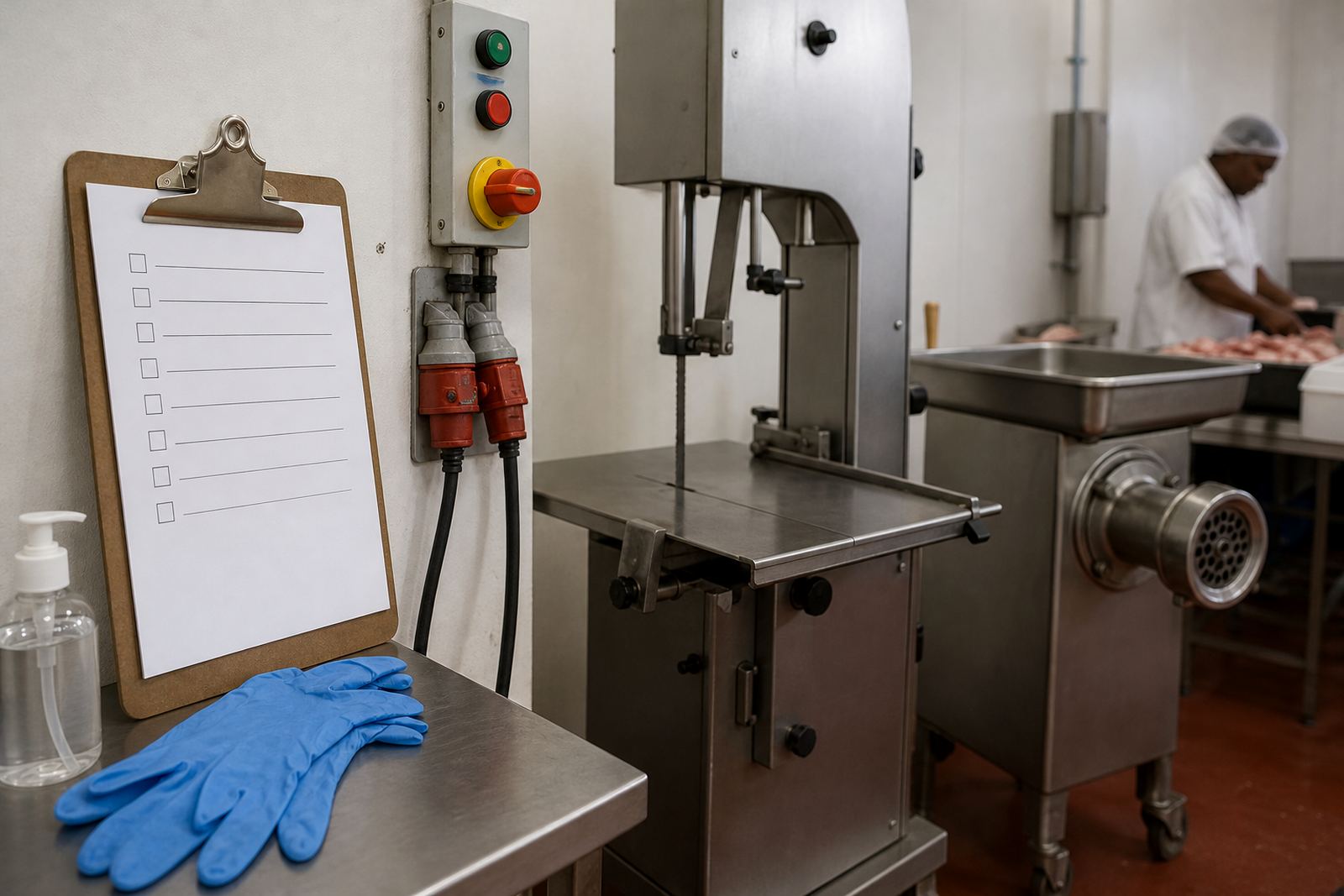
A practical checklist for starting bandsaw and mincer work safely each morning.

Closing Shift Routine

Closing Shift Routine

A consistent end-of-shift process helps with cleanliness and machine care.

PPE for Butchers

PPE for Butchers

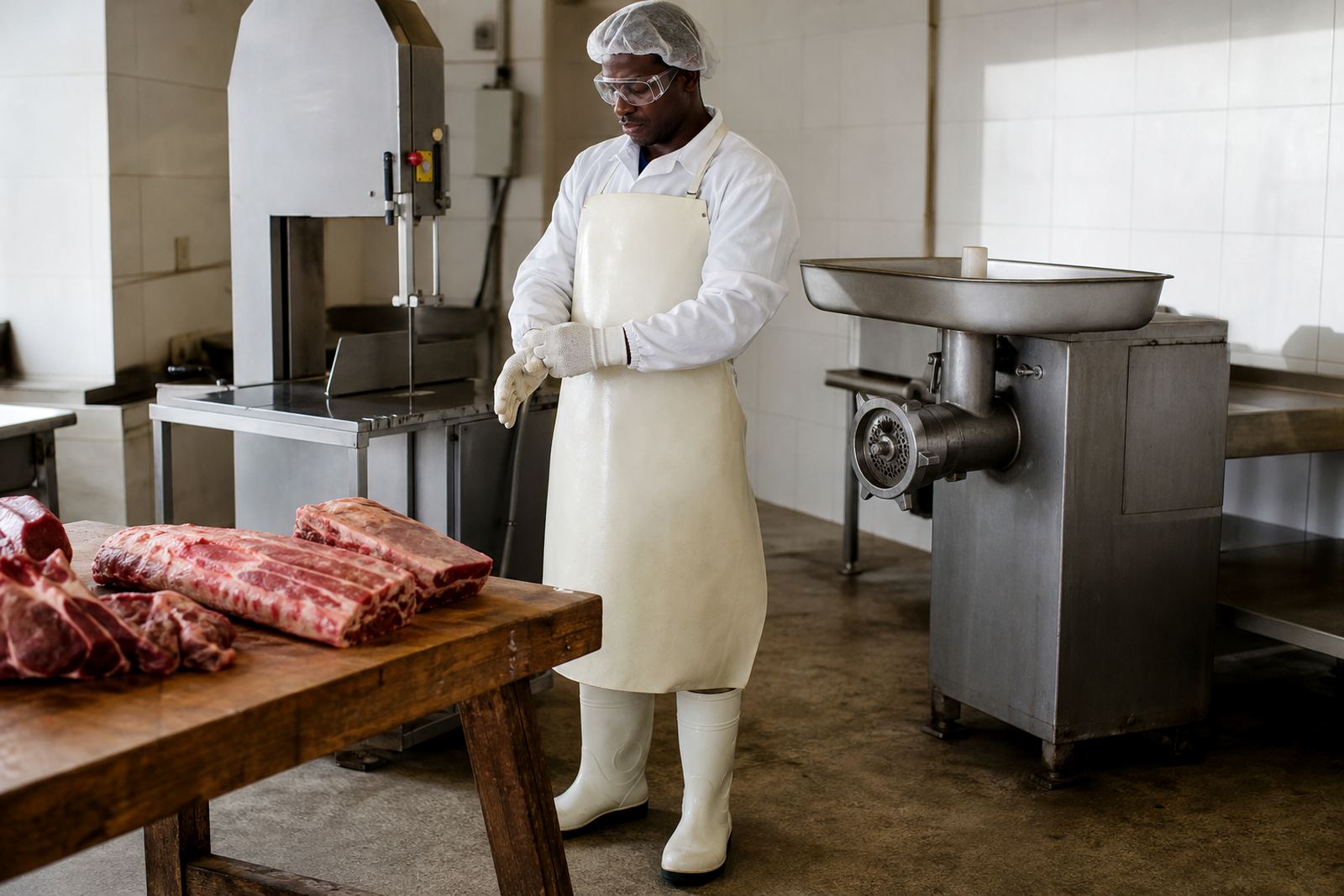
General reminders on gloves, aprons, boots and eye protection in prep spaces.

Safe Feeding Habits

Safe Feeding Habits

Good feeding practices help reduce risk around working machines.

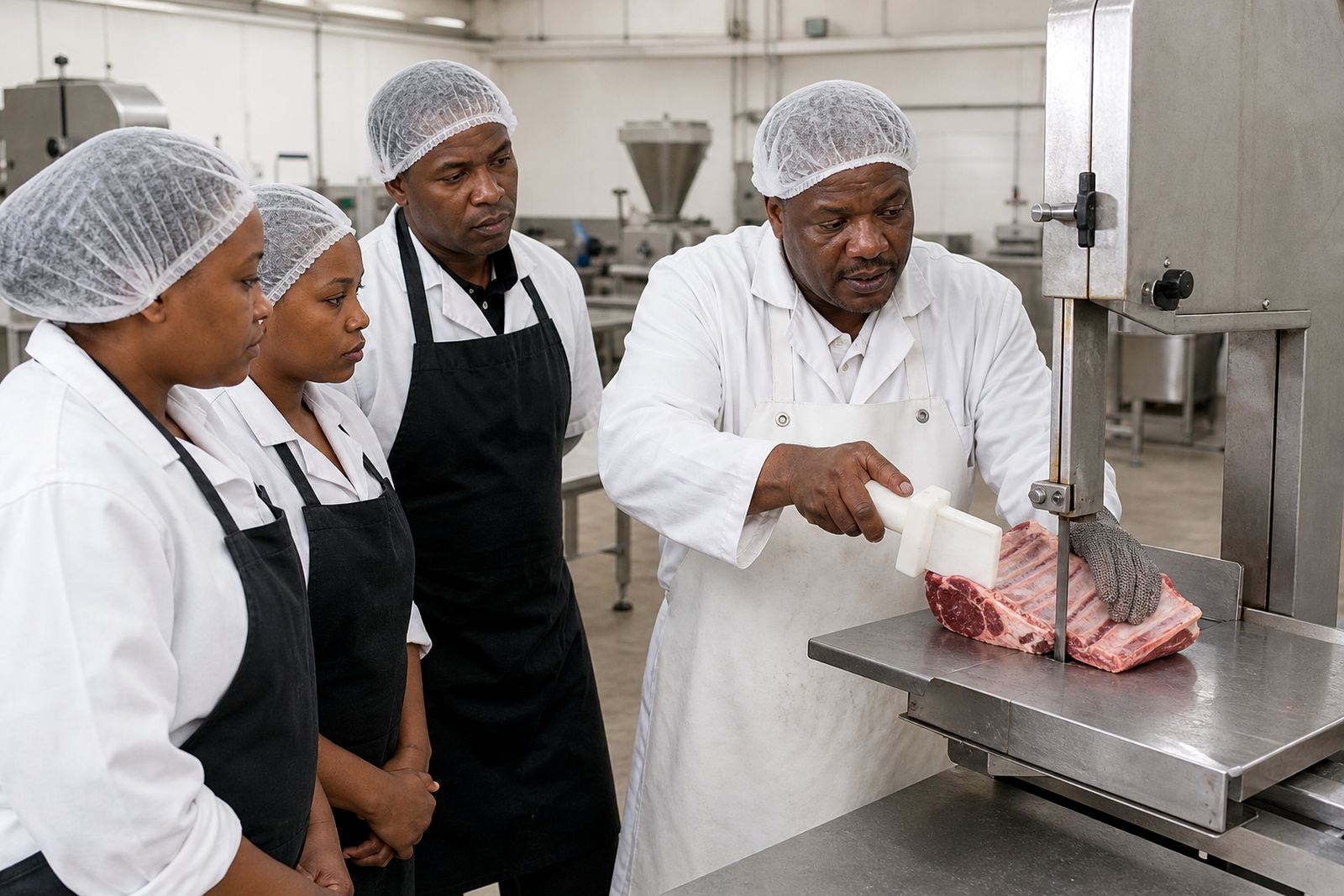
Training Staff to Clean

Training Staff to Clean

Why cleaning training matters just as much as production training.

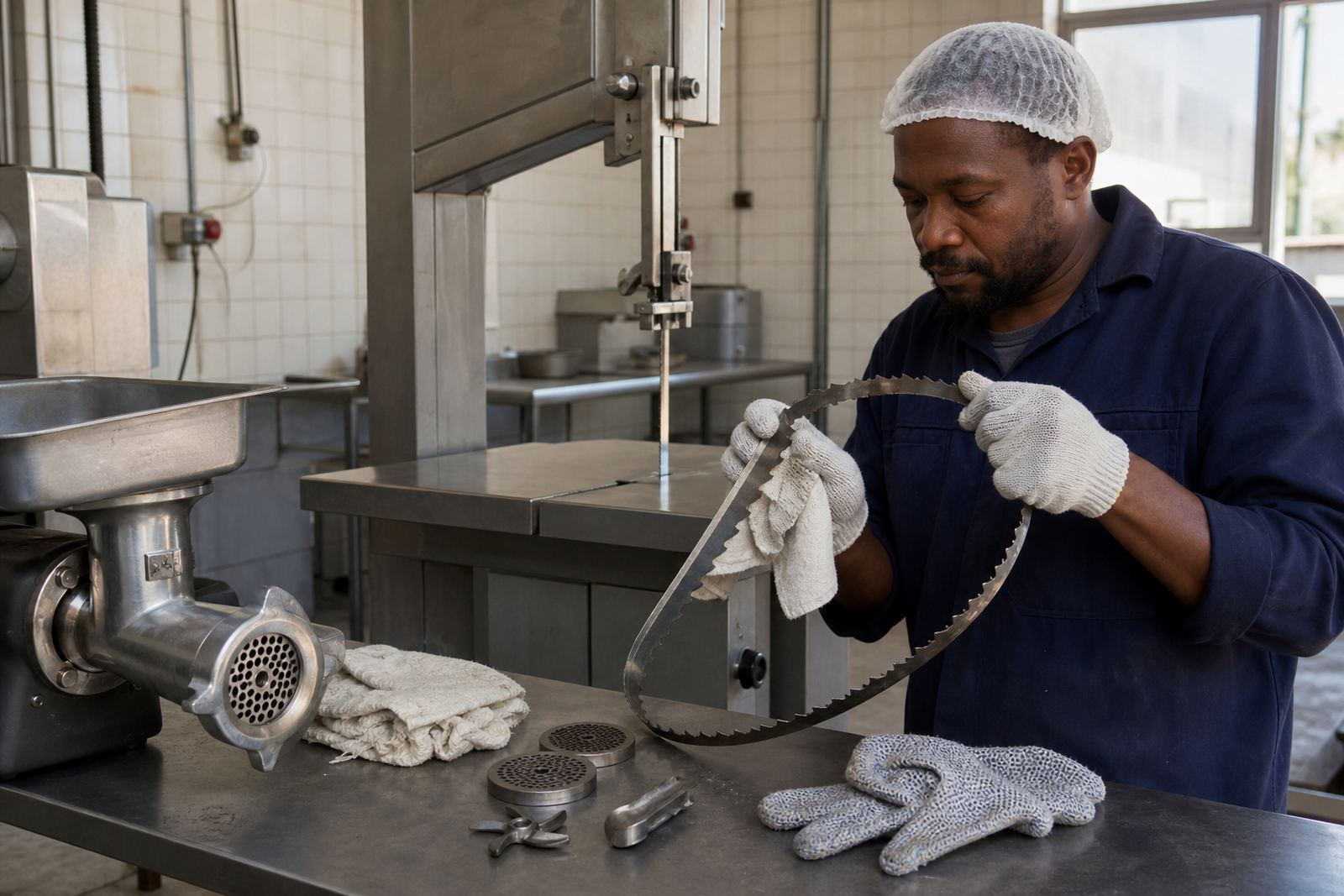
Blade Care Basics

Blade Care Basics

Routine attention to blades supports cleaner cuts and steadier operation.

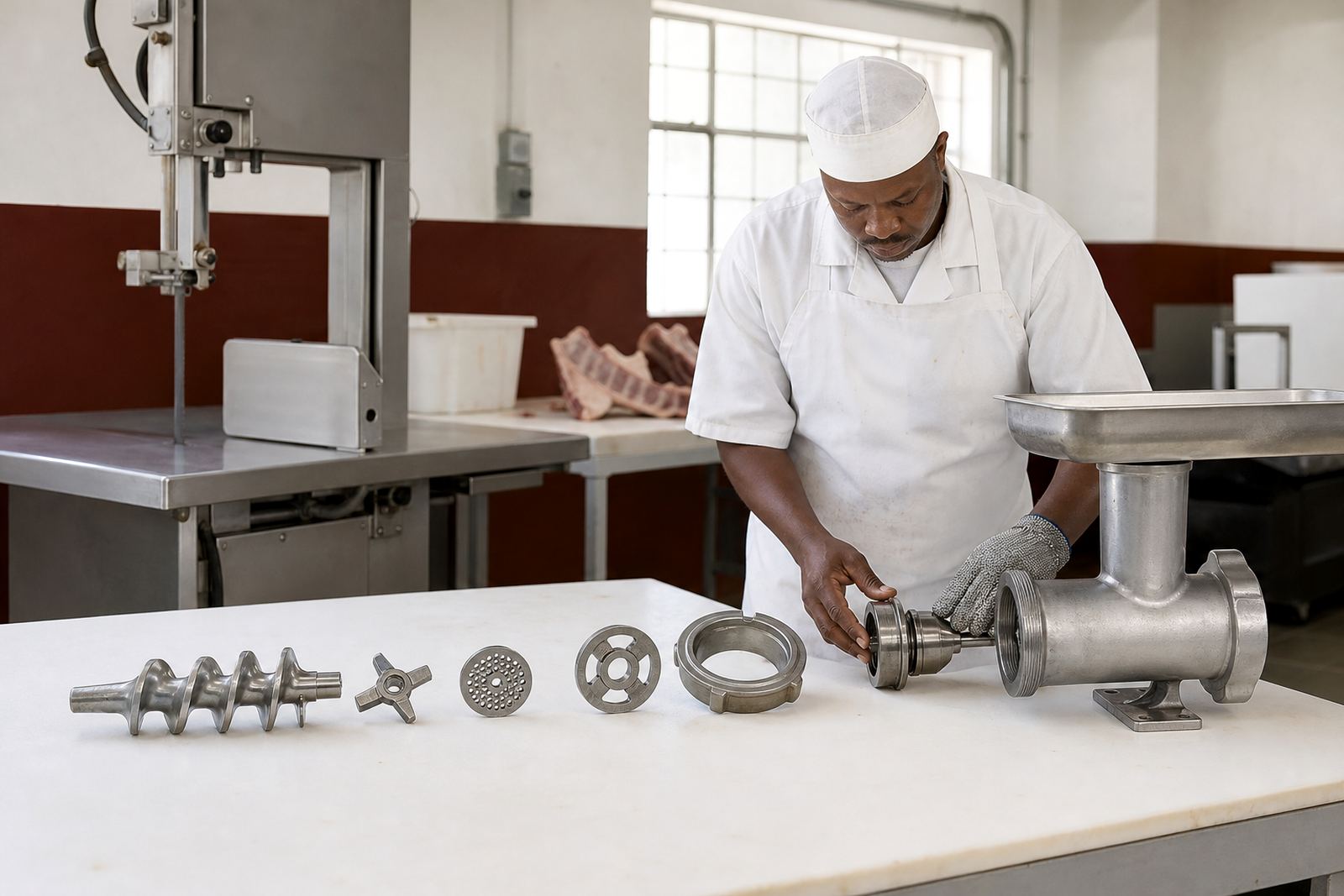
Mincer Assembly Order

Mincer Assembly Order

Correct reassembly after cleaning is essential for proper day-to-day use.

Avoid Cross Mess

Avoid Cross Mess

Organised prep zones can make hygiene routines easier to maintain.

Small Shop Workflow

Small Shop Workflow

Planning a smooth workflow in a smaller butcher shop with limited room.

Busy Day Planning

Busy Day Planning

Simple equipment planning can help during peak customer demand periods.

Home Butcher Cleaning

Home Butcher Cleaning

Useful cleaning habits for home users working with compact butchery equipment.

Farm Room Hygiene

Farm Room Hygiene

Basic hygiene planning for farm-based meat processing rooms.

When Service Is Due

When Service Is Due

Everyday signs that a bandsaw or mincer may need a service visit.

Set Up New Equipment

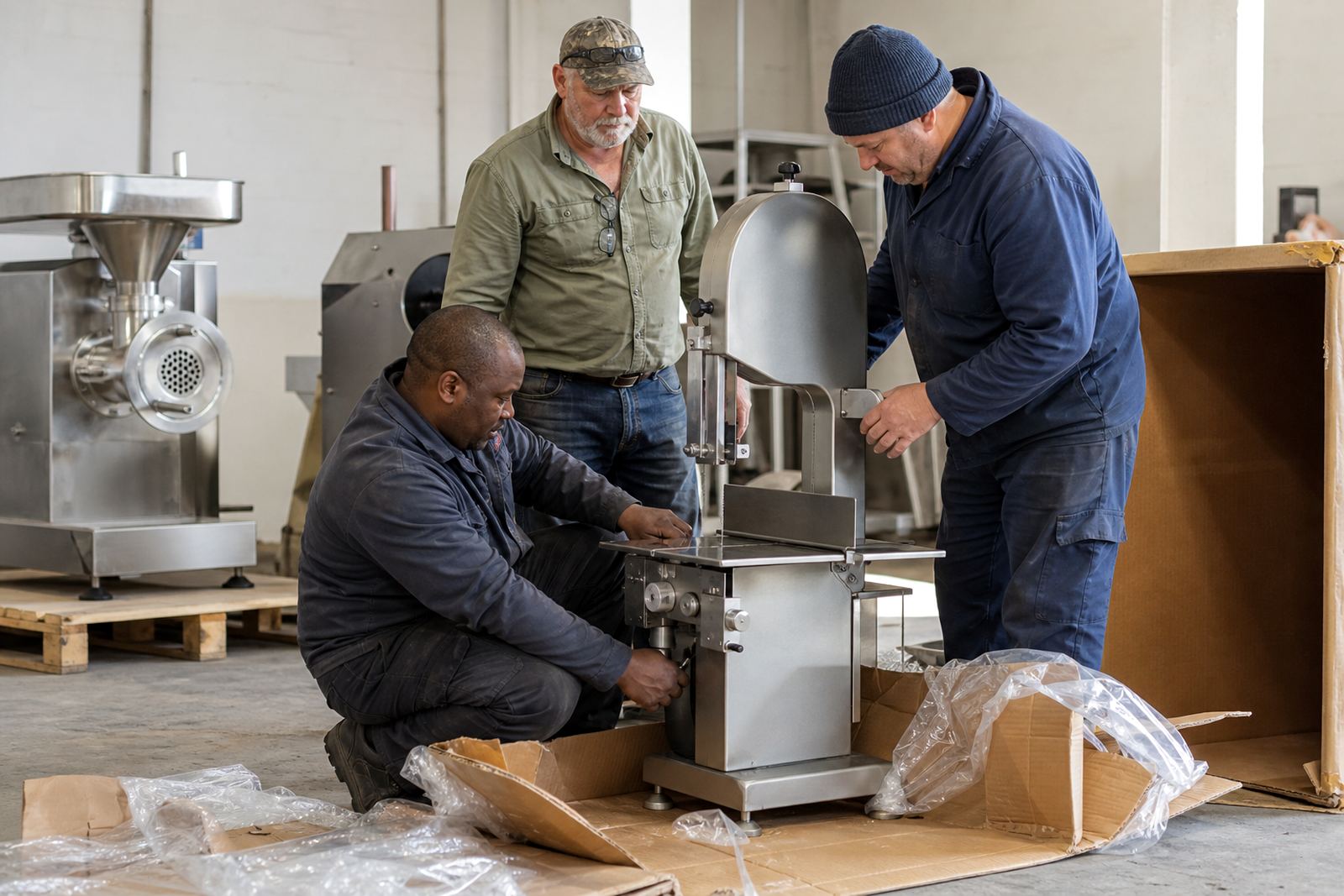
Set Up New Equipment

First steps after delivery to prepare equipment for reliable use.

Store Parts Properly

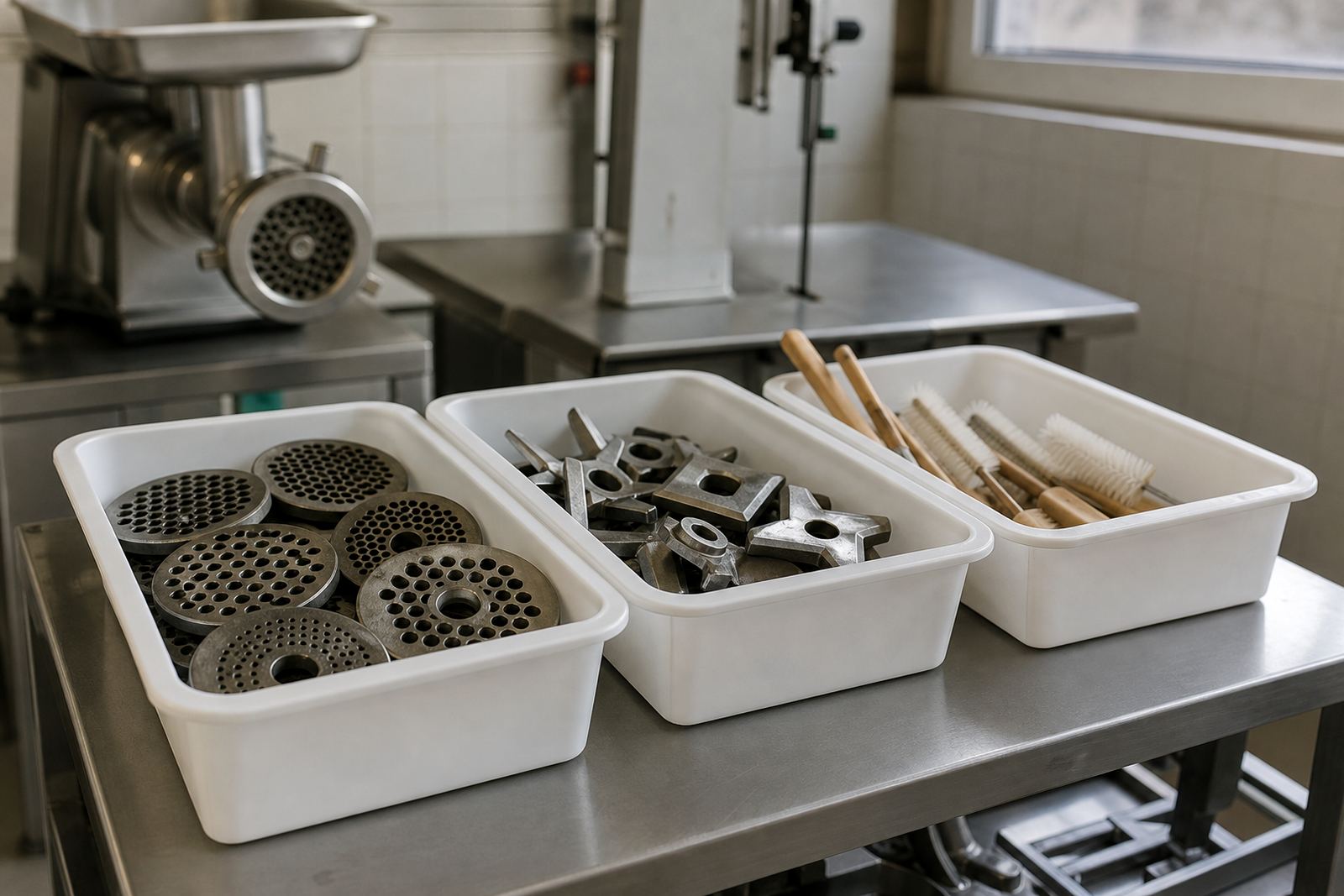
Store Parts Properly

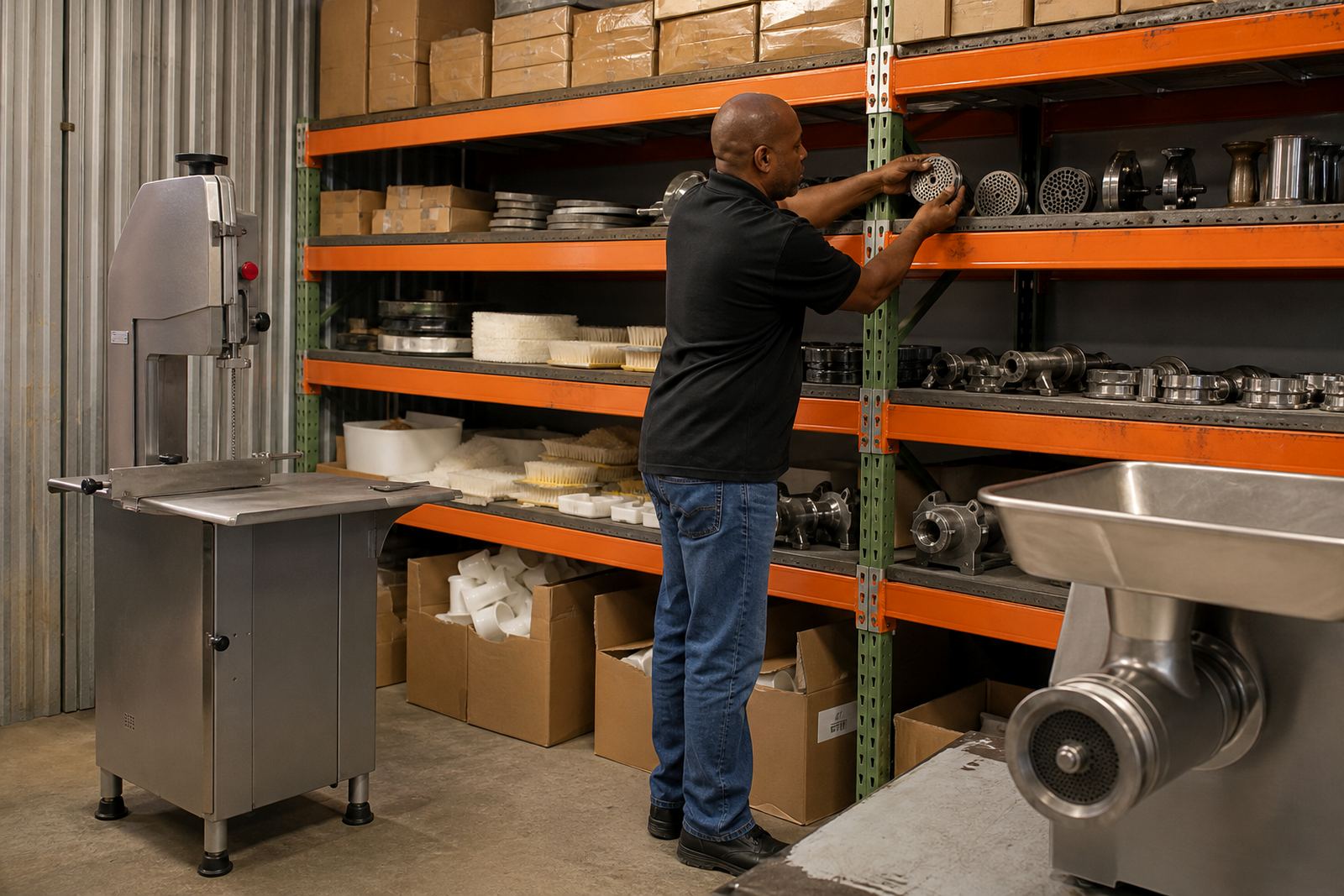
Neat storage helps protect removable parts between cleaning and use.

Washdown Area Basics

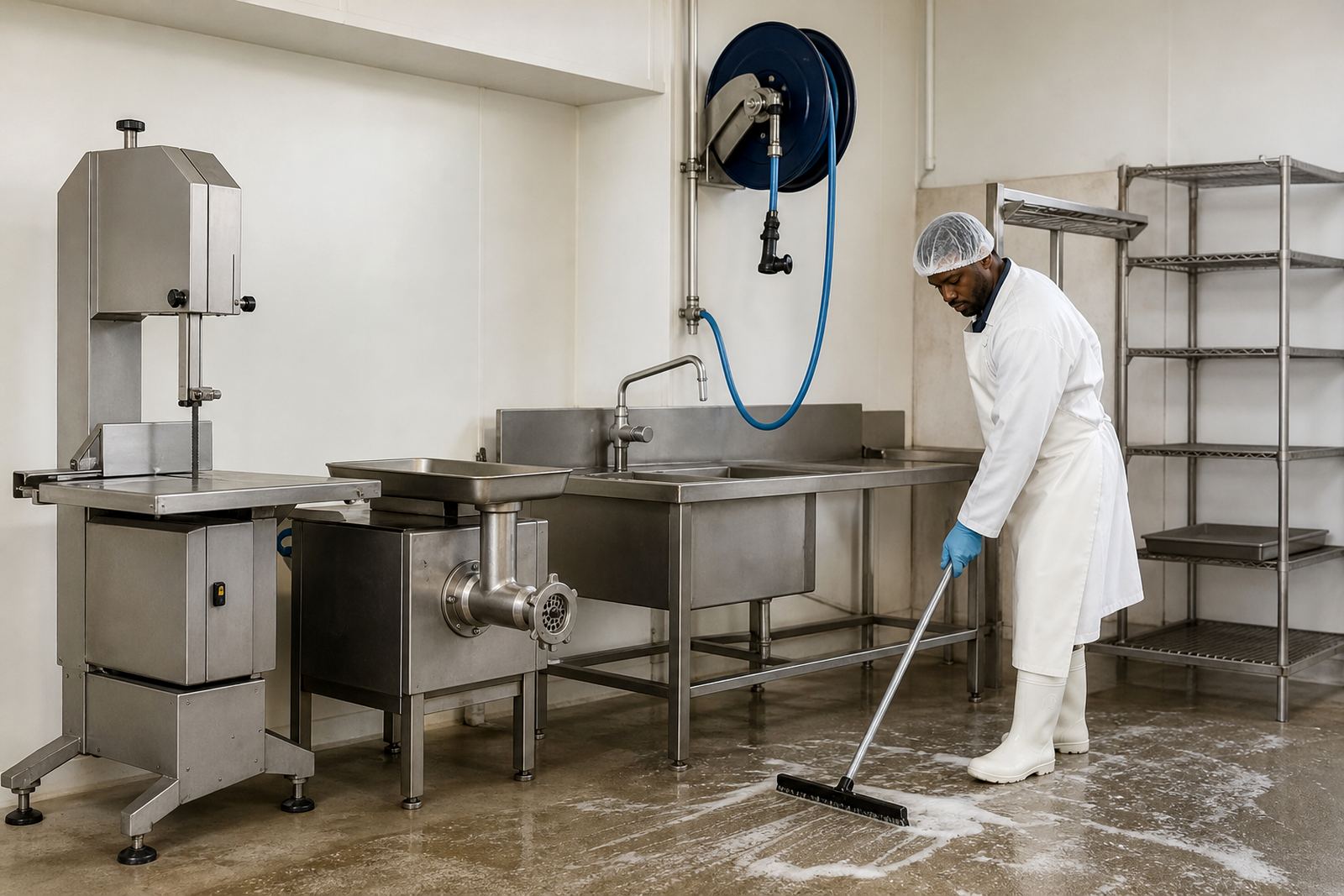
Washdown Area Basics

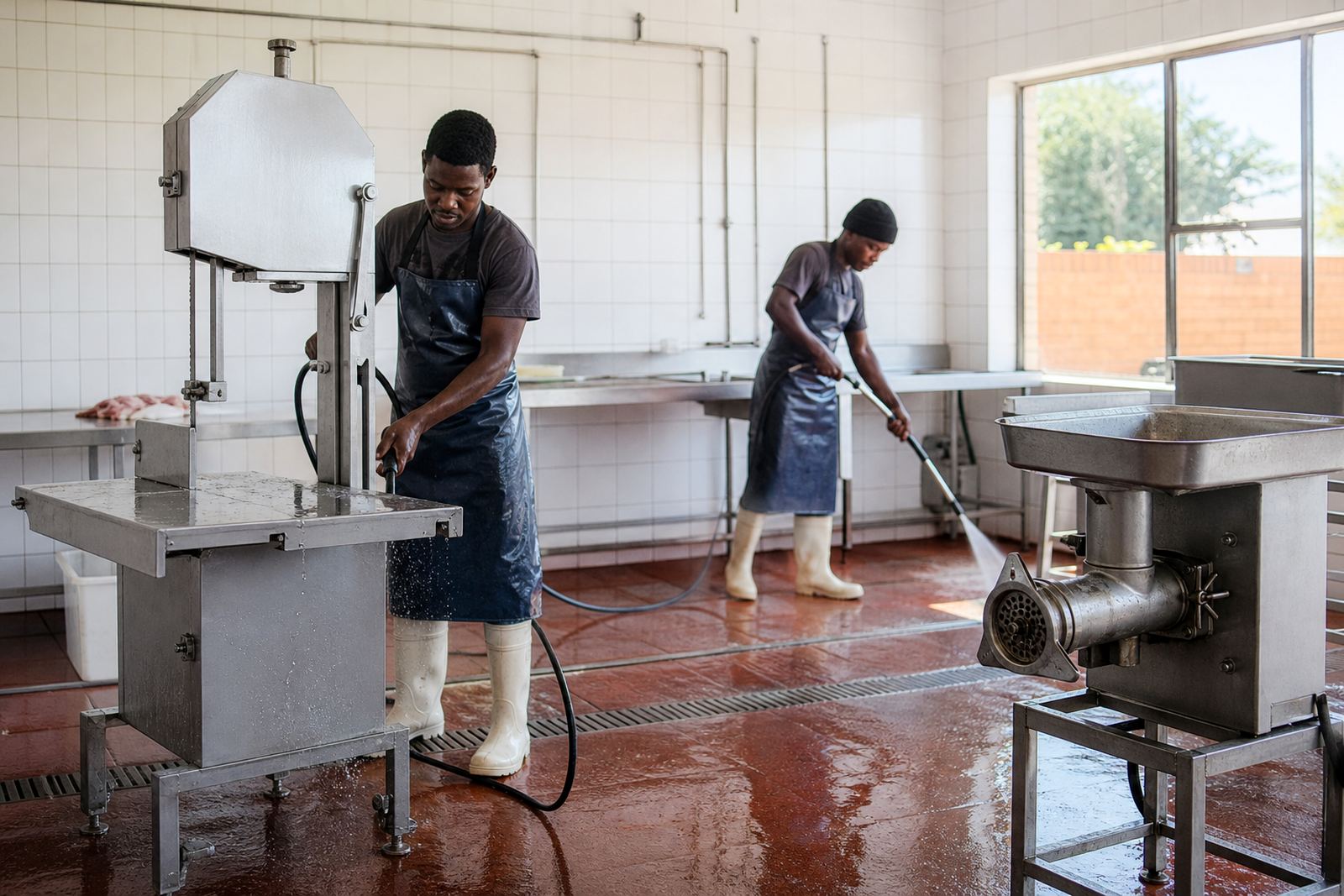
What makes a practical washdown area for cleaning butchery equipment.

Staff Induction Tips

Staff Induction Tips

A simple induction approach for new team members around processing equipment.

Winter Demand Prep

Winter Demand Prep

Preparing equipment and parts stock ahead of a busier cold season.

Summer Cleaning Focus

Summer Cleaning Focus

Warm conditions make consistent cleaning routines even more important.

Organise Spare Parts

Organise Spare Parts

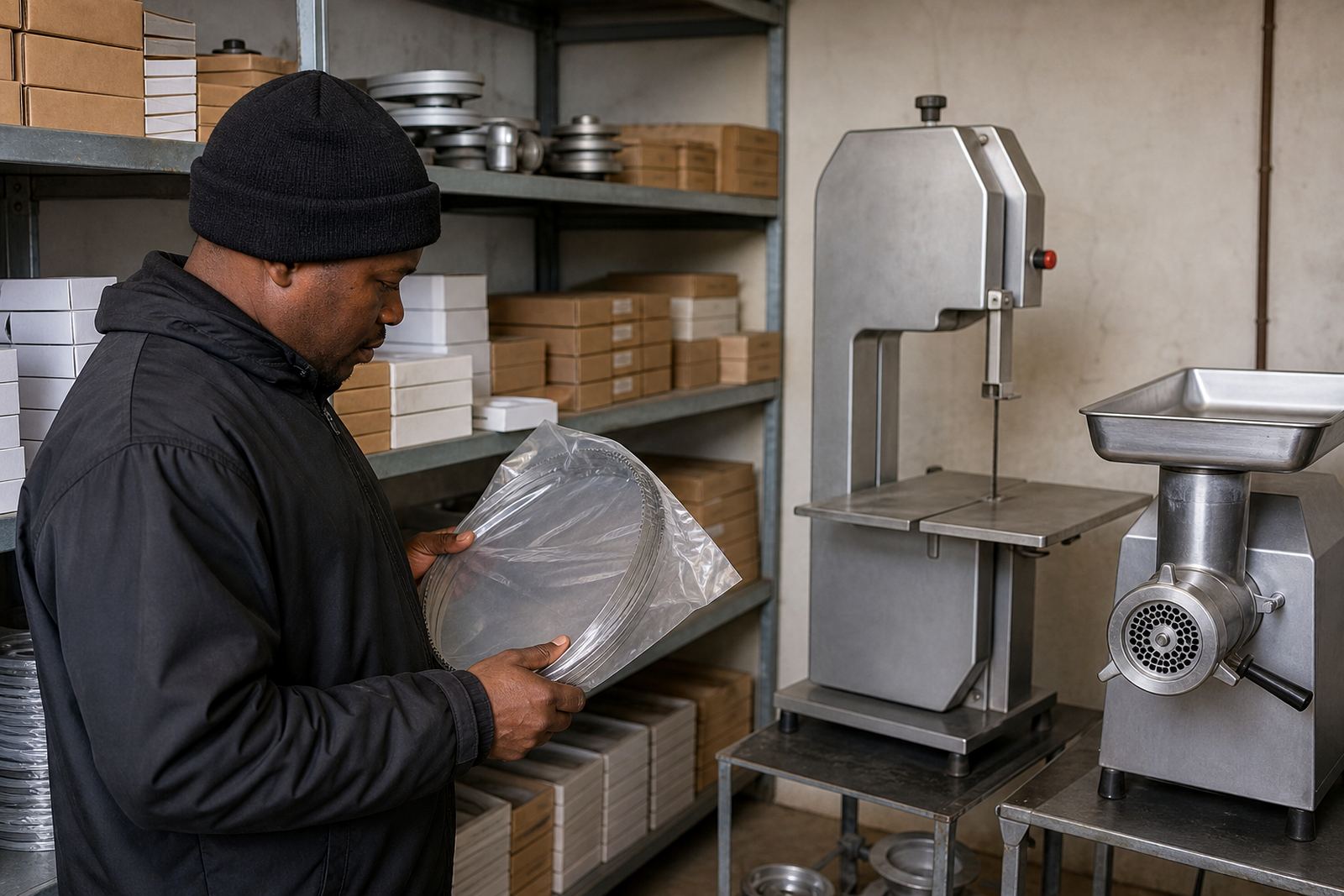
A simple spare-parts plan can reduce service delays when wear appears.

Equipment for Co-ops

Equipment for Co-ops

Things shared processing spaces should consider before buying equipment.

Retail Mix and Flow

Retail Mix and Flow

Balancing fresh cut production and mince output in a retail environment.

Avoid Slip Risks

Avoid Slip Risks

Good housekeeping helps reduce slip hazards around equipment and washdown areas.

Assign Cleaning Roles

Assign Cleaning Roles

Clear cleaning responsibilities make routines easier to maintain across shifts.

Compact Room Ideas

Compact Room Ideas

Practical ideas for fitting essential equipment into smaller prep rooms.

Prepare for Delivery Day

Prepare for Delivery Day

How to get your room ready before new equipment arrives.

Common Cleaning Mistakes

Common Cleaning Mistakes

A look at avoidable mistakes that can slow cleaning or affect machine care.

Protective Clothing Care

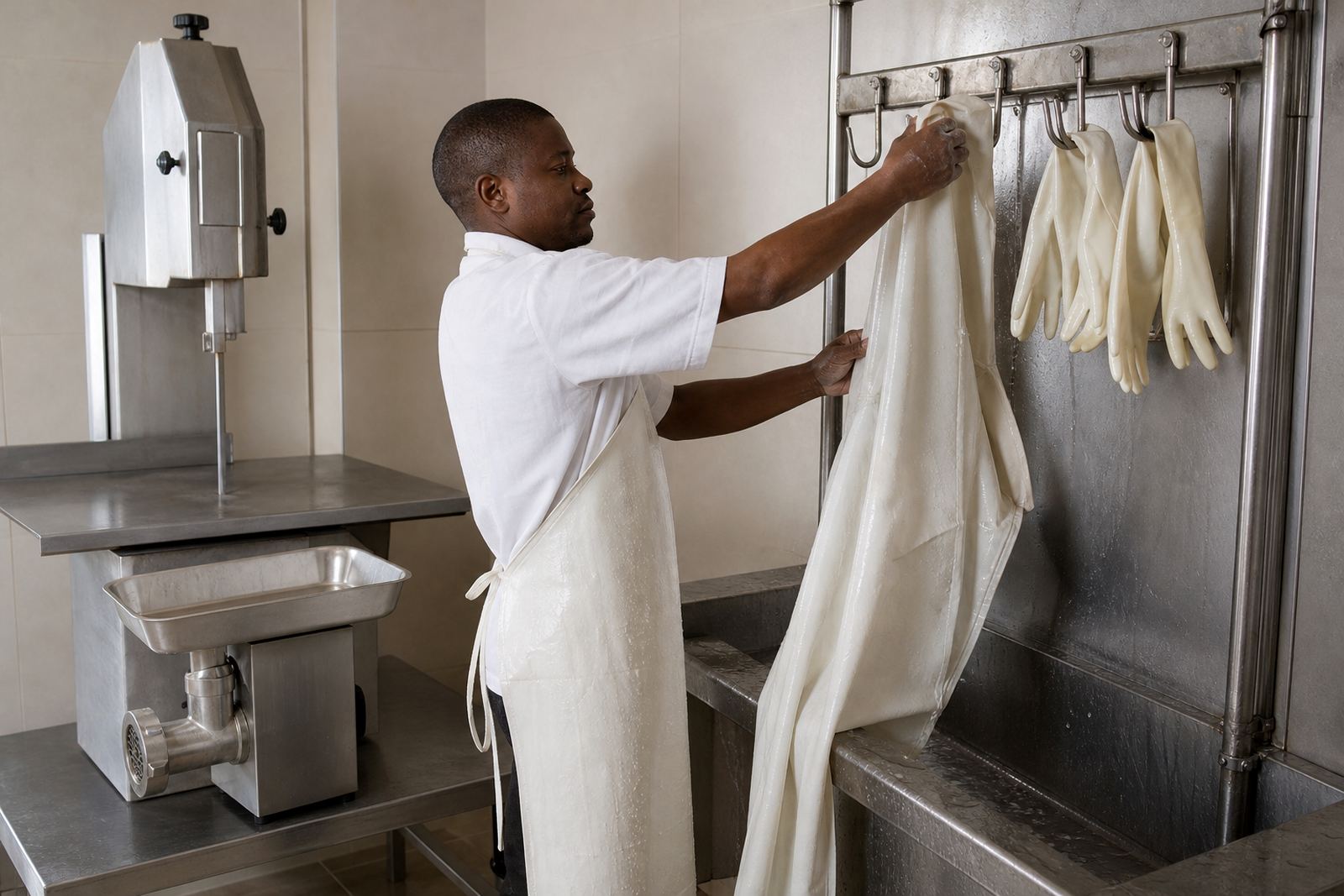
Protective Clothing Care

Keeping aprons, gloves and boots clean supports overall room hygiene.

Teach Shutdown Steps

Teach Shutdown Steps

Clear shutdown routines help staff finish safely and prepare for cleaning.

Plan Service Visits

Plan Service Visits

Scheduling service around production can reduce disruption to daily work.

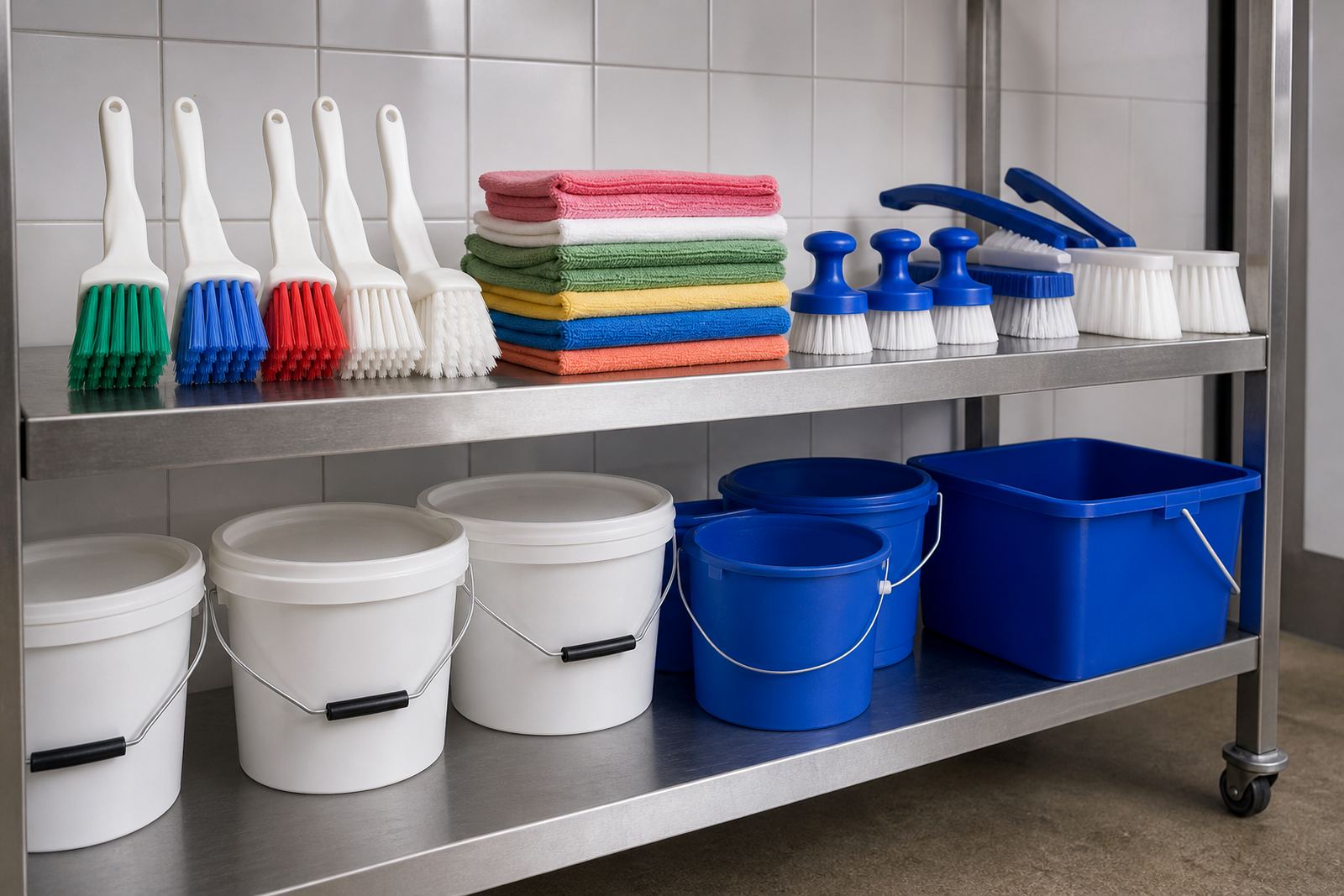
Choose Cleaning Tools

Choose Cleaning Tools

Why the right brushes and washdown tools matter for equipment care.

Working With Technicians

Working With Technicians

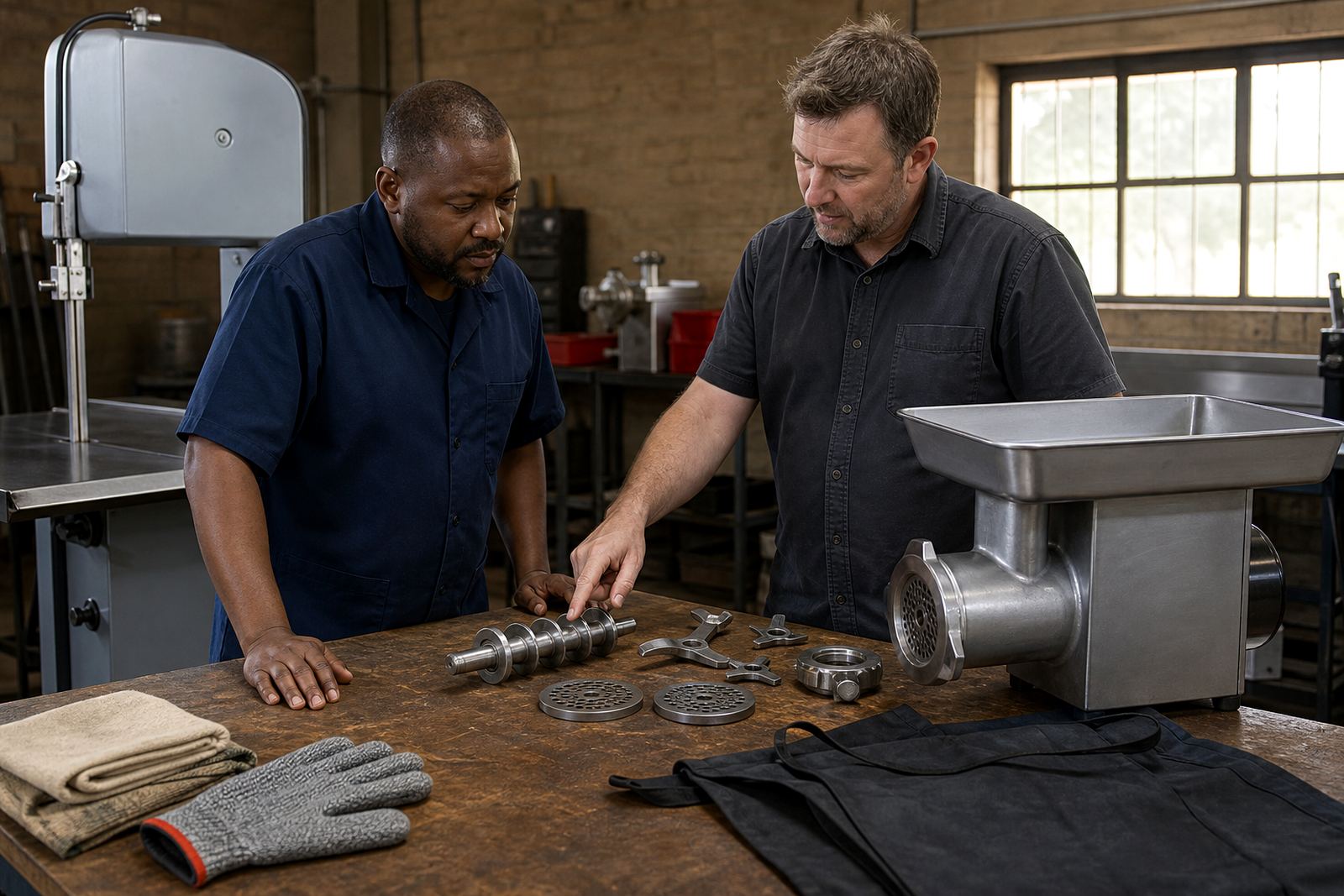
How to prepare useful information before a service or fault visit.

Practical Reading for Bandsaw and Mincer Owners

This journal is for people who want straight answers on day to day butchery work. It covers the kind of topics that matter in a Bloemfontein shop, a home cutting room, or a busy service area in Johannesburg or Durban. If you are comparing care tips, setup habits or ways to keep the work moving, this is a good place to start.

The articles focus on generic guidance for bandsaws and mincers, with no fuss. You will find notes on cleaning after use, keeping the work area safer, planning around load-shedding, and spotting the signs that a machine may need attention. The idea is to help you make a better choice from the listings we add separately.

How to Choose What to Read First

If you are new to butchery equipment, start with the articles that match your immediate task. A shop owner setting up a new cutting line may want installation and workflow notes first. Someone already working daily may prefer cleaning, blade care or servicing advice. Home butchers often start with safe operation and simple upkeep, then move on to storage and cleaning routines.

  • Need cleaner cuts and less waste? Start with blade and plate care topics.
  • Getting ready for a busy week? Read workflow and prep planning articles.
  • Seeing uneven operation or strain? Check the servicing and breakdown notes.
  • Working near the coast? Look for cleaning and drying advice for humid conditions.

Cleaning That Fits a Busy Shop

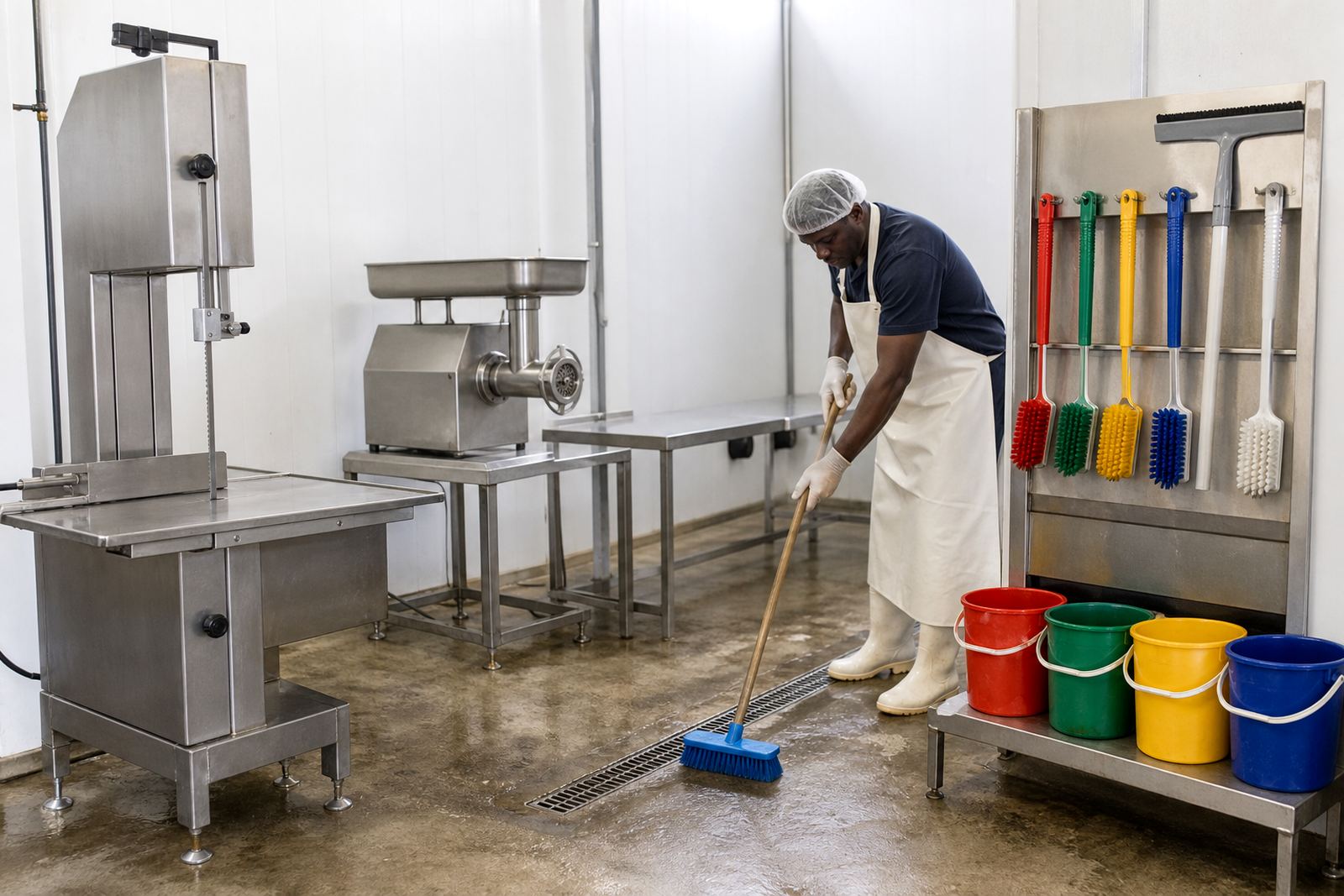
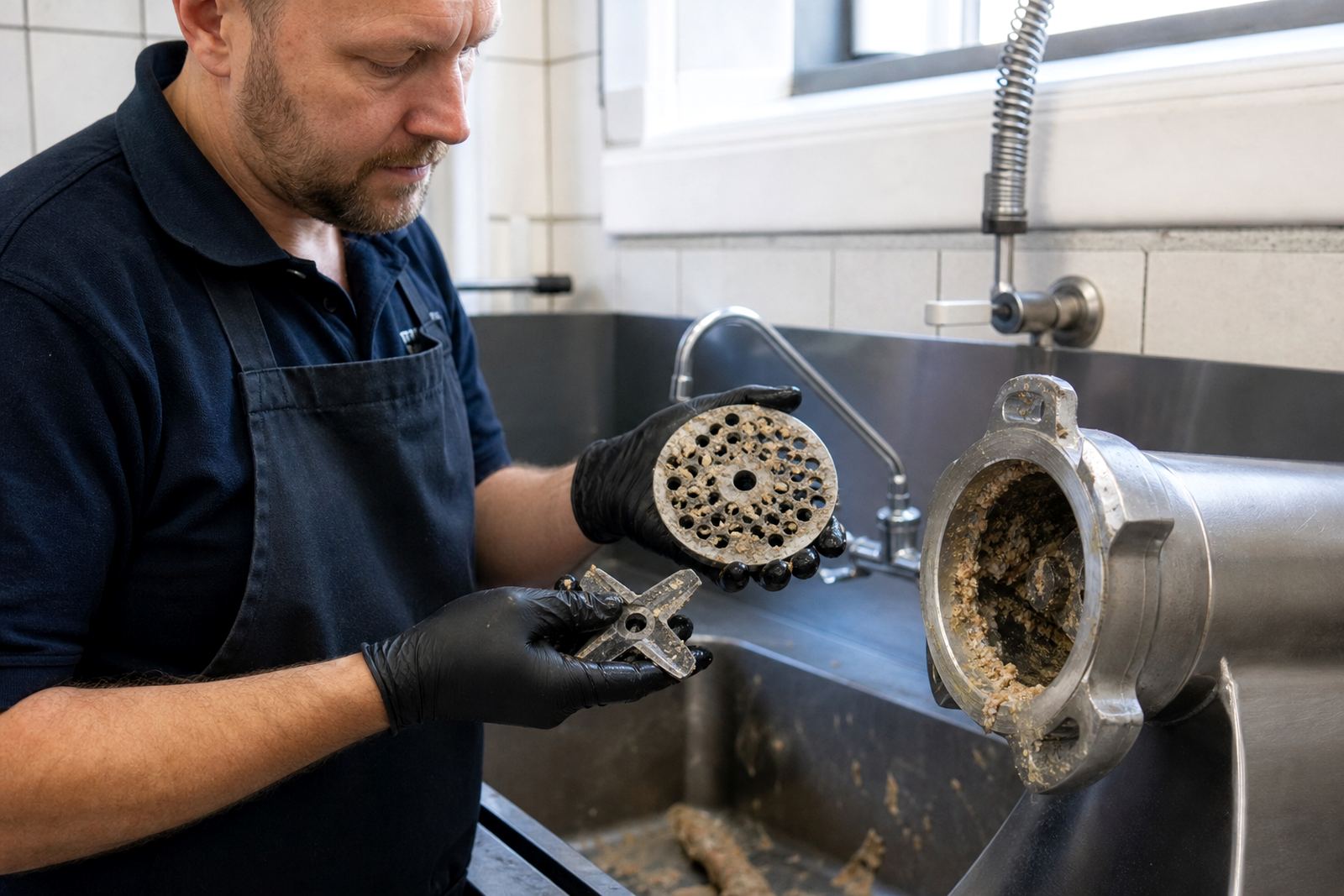
Good cleaning habits matter after every shift, especially where meat dust, fat and moisture build up quickly. Articles in this section explain basic cleaning methods for bandsaws and mincers, with reminders to isolate power first and use the right PPE. That includes gloves, aprons and eye protection where needed. It is worth taking a few extra minutes here because rushed cleaning can leave residue in places that are hard to spot.

We also cover simple drying and storage habits for Free State winters and coastal humidity in places like Cape Town and Durban. Clean parts need to be dried fully before reassembly, and the work area should be kept free of pooled water. That helps reduce slip risks and keeps equipment in better condition over time.

Upkeep That Saves Time Later

Regular upkeep is easier than dealing with a breakdown on a Saturday morning. The journal looks at signs that a machine may need servicing, blade replacement, plate and knife changes, or a closer look from a workshop technician. It also explains why preventive maintenance is worth planning before a peak trading period, rather than waiting for a fault to stop the line.

  • Keep a simple service record for each machine.
  • Check guards before each use and do not bypass them.
  • Replace worn parts before they cause extra strain.
  • Schedule servicing before busy holidays and long weekends.

That kind of routine is useful in small butcheries around Kimberley, Welkom and Kroonstad as much as it is in larger city operations.

Workflow Planning for Better Output

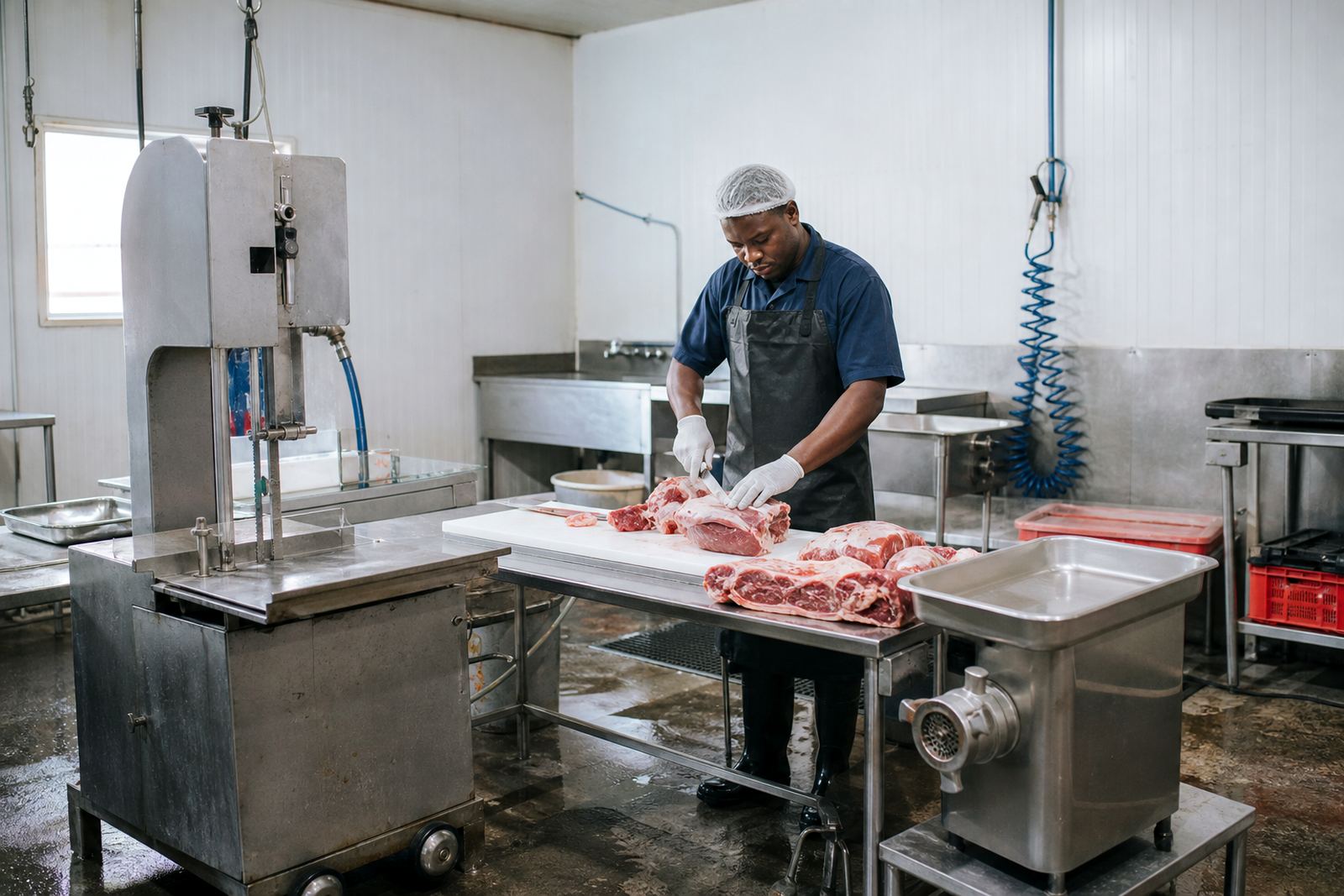
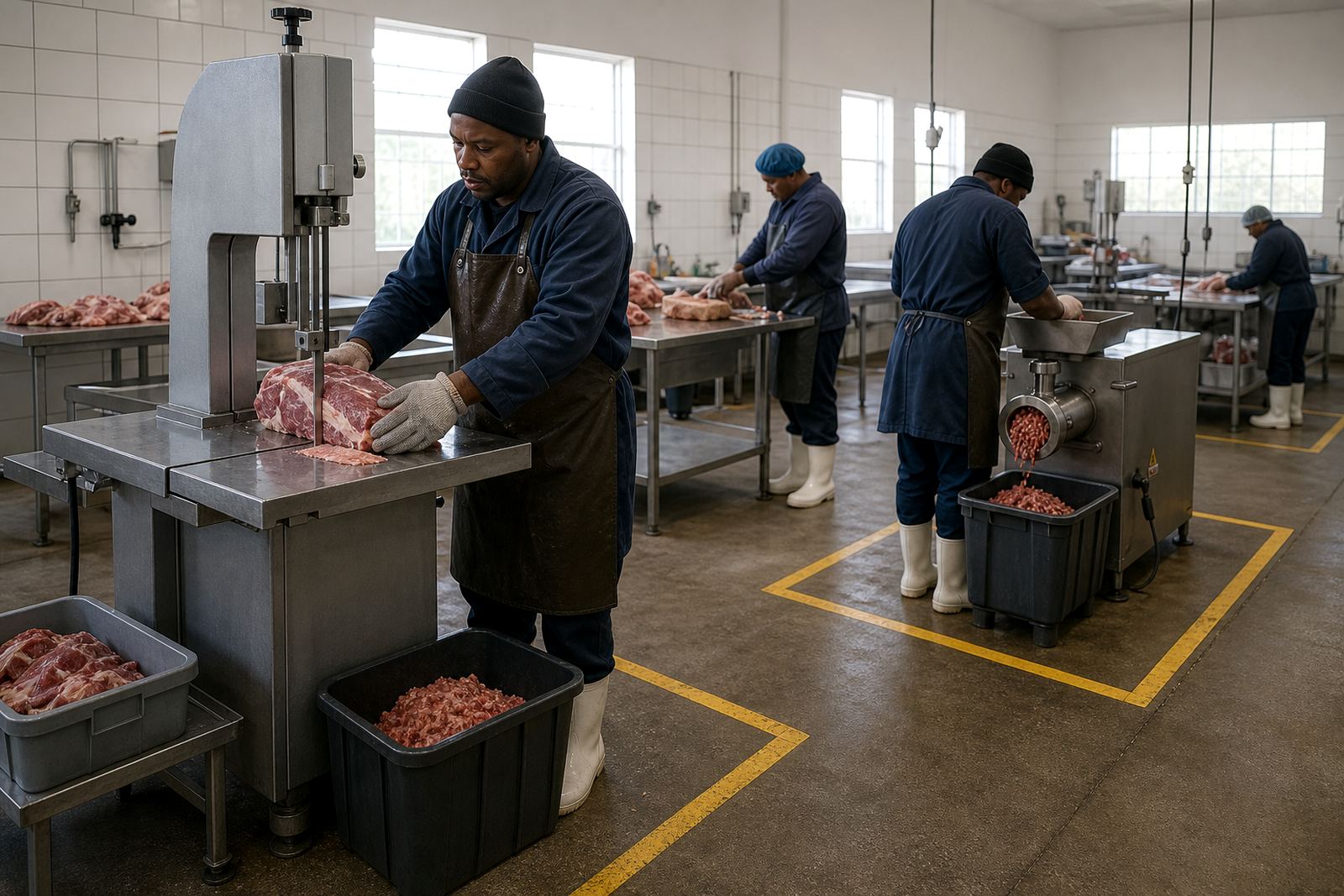
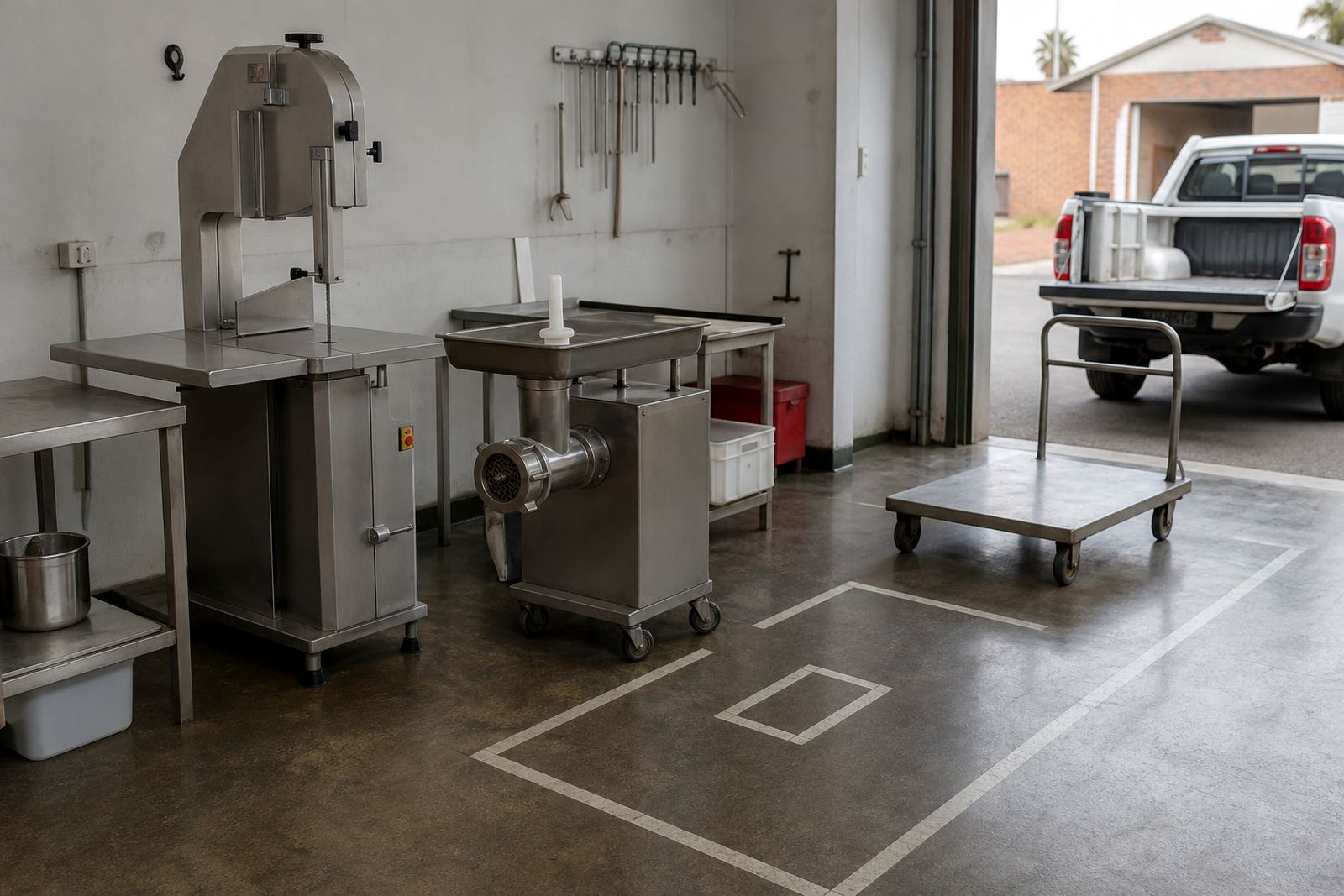
A good layout makes work easier, whether you are handling a few carcasses a week or processing stock every day. Articles in this part of the journal explain how to think about prep space, cleaning space and machine placement so the flow stays sensible. That matters when deliveries arrive, staff change shifts, or power comes back after load-shedding and everyone needs to resume work quickly.

The aim is not fancy theory. It is practical advice on how to reduce stoppages, keep tools close at hand, and avoid crowding around the machine. Small changes, like keeping parts stored in one labelled place, can save time and cut down on mistakes.

Safety Reminders Worth Repeating

Safety in a butchery should never be treated as background noise. Our journal keeps the reminders simple and direct: use guards, keep hands clear of moving parts, clean with power isolated, and wear suitable PPE. We also encourage operators to slow down when tired, because rushed work often leads to slips, cuts or poor cutting results.

Another point worth repeating is training. If a team member is new to the machine, they should be shown the correct sequence for start-up, use, cleaning and shutdown before working alone. That applies in a single-site shop in Hamilton, Bloemfontein as much as it does in a larger operation serving multiple branches.

Who the Journal Is For

This journal suits commercial butchers, home butchers, shop managers and anyone who wants clear reading on bandsaws and mincers without technical clutter. If you want to improve the way the equipment is used, cared for and maintained, the articles here should help. For machine supply, setup, servicing, parts or training, clients can use the enquiry form on our contact page and the team will take it from there.

  • Commercial shops planning regular servicing
  • Home users who want safe, simple guidance
  • Managers looking for better workflow habits
  • Operators needing practical care reminders

MorCut Butchery works from Hamilton in Bloemfontein and supports customers across South Africa, including Bloemfontein, Johannesburg, Pretoria, Durban, Cape Town, Kimberley, Welkom and Kroonstad.

Questions we get asked

What kind of articles are in the Butchery Journal?

The journal covers practical reading on bandsaw and mincer cleaning, upkeep, workflow planning and basic safety reminders.

Who should read these articles?

They are useful for commercial butcheries, home butchers, shop managers and operators who want straightforward guidance.

Can the journal help me choose between articles?

Yes. Start with the topic that matches your current need, such as cleaning, servicing, safety or workflow planning.

Planning something? Send the team a message.

Contact form