

Why Daily Cleaning Matters in Mince Production
Mince is one of the most handled products in a butchery, so the equipment that prepares it must be cleaned properly every day. Meat residue left inside a mincer can dry hard, trap odours and become a hygiene risk by the next shift. It can also make the machine work harder, which puts pressure on the motor, the cutting parts and the feed area.
In Bloemfontein, where shops often deal with dust from open doors and changing temperatures through the day, a clean machine is even more important. The same applies in Durban, where humidity can speed up smells and residue build-up if cleaning is rushed after trading. A daily routine is not just about appearances. It supports safer mince production and steadier output.
Start With Isolation, Guards and a Clear Work Area
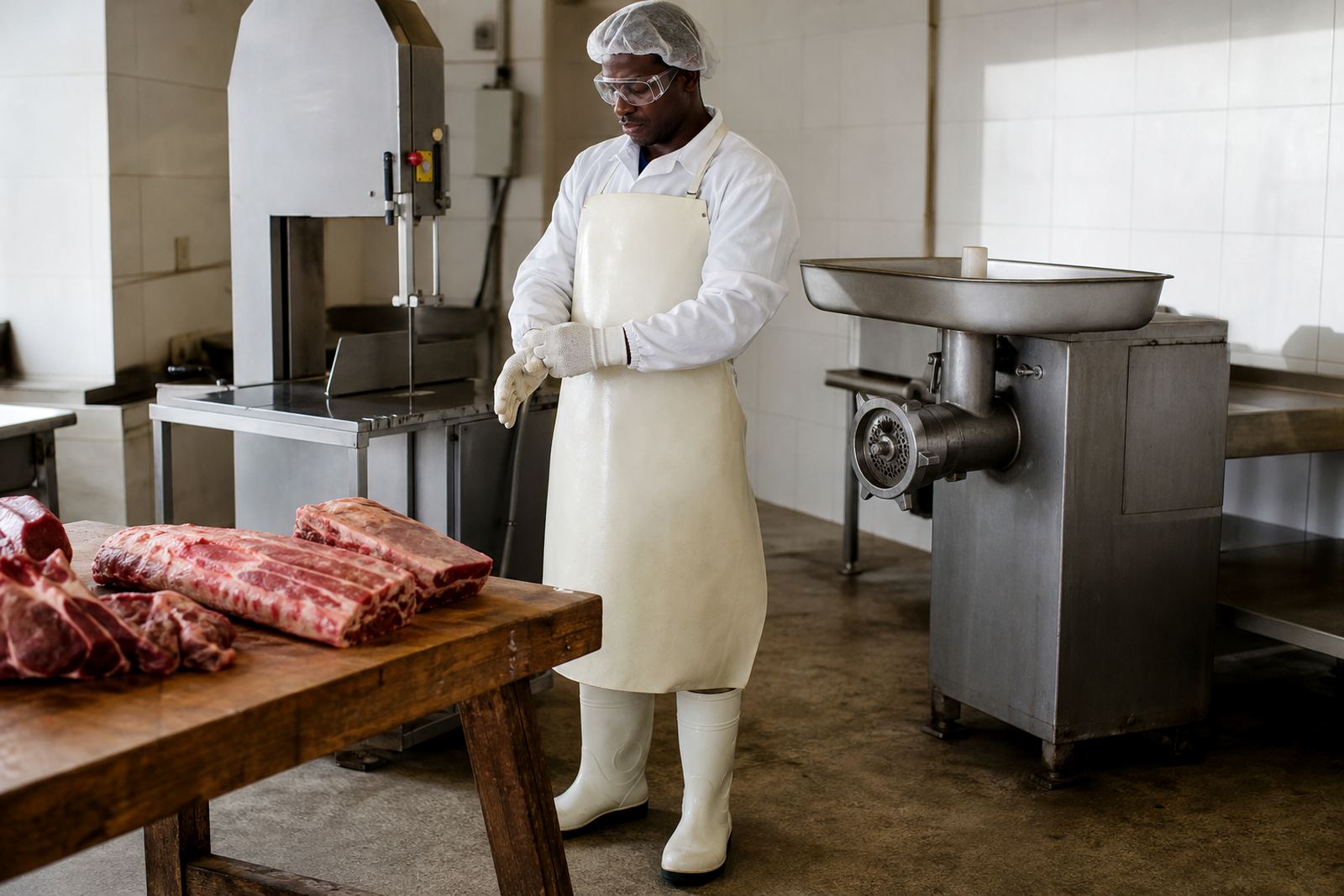
Before any cleaning begins, switch off the machine and isolate the power properly. Never rely on a quick stop button alone. Make sure the operating area is clear, the guards are in place where required and the operator is wearing suitable PPE such as gloves and closed shoes. If the mincer has just been used, allow the parts to stop moving fully before touching them.
A good cleaning routine starts with order. Keep the table area clear, remove loose scraps and place removable parts on a clean surface. If a shop is running through load-shedding or a backup power changeover, do not rush the process. A few extra minutes spent safely is better than handling a live machine or leaving pieces mixed up on the bench.
- Switch off and isolate power before opening the machine.
- Wear gloves and other suitable PPE for handling raw meat parts.
- Keep the work surface clean and separate raw and cleaned components.
- Check that guards and covers are refitted before the next use.
Dismantle the Working Parts and Clean Them Properly
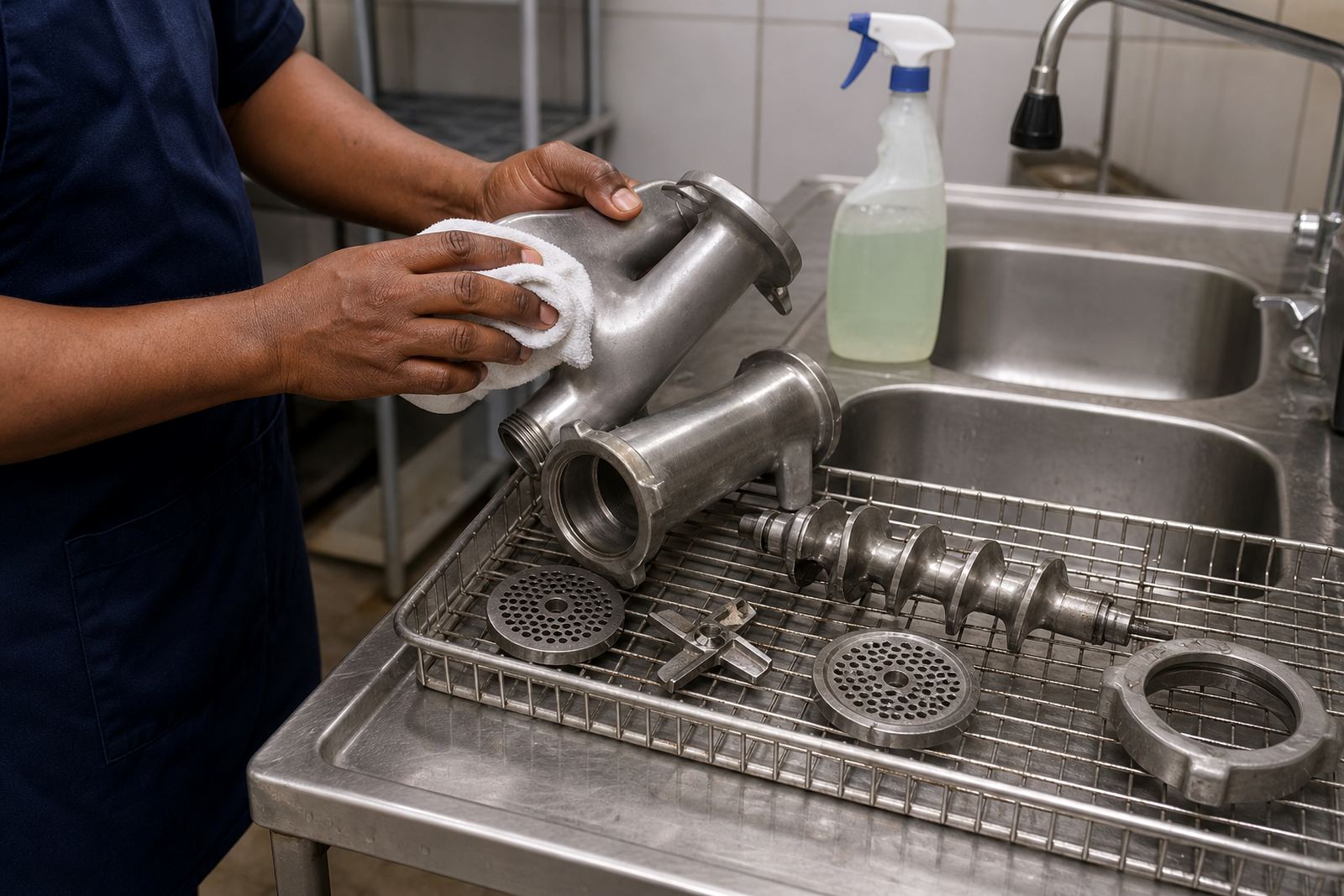
Once the machine is safe, remove the working parts in the correct order. The tray, feed components, cutting parts and retaining pieces should be cleaned as soon as possible after use, before fat and protein dry onto them. Warm water and suitable food-safe cleaning products are usually better than harsh scrubbing that can scratch the metal or damage the finish.
Pay attention to the corners, threads and contact points where residue tends to collect. The feed opening, outlet area and the back of the cutting set are common trouble spots. If these areas are left unwashed, old mince can remain inside and affect the next batch. After washing, rinse and dry each item fully before reassembly. Moisture left behind can cause staining or unwanted smells.
- Remove parts in a set order so they go back correctly.
- Clean grooves, threads and hidden contact areas carefully.
- Dry every part before storage or refitting.
- Do not mix cleaned parts with dirty trays or utensils.
Look After Knives, Plates and Feed Components
Sharp cutting parts are central to good mince quality. If the knife and plate are dull or worn, the machine may produce uneven mince, work harder and leave more residue behind. Daily cleaning is the right time to inspect these parts for nicks, dull edges or scoring. If they are not performing properly, they should be changed or checked by a qualified technician rather than pushed for a few more weeks.
Feed components also deserve attention. Excess pressure, bent parts or worn surfaces can cause the machine to jam or feed unevenly. That is frustrating in a busy shop and it can lead to unsafe forcing of product through the unit. A clean machine that is also properly maintained gives more consistent results and reduces unnecessary strain on the motor and drive components.
Build a Closing Routine That Fits a Busy Butchery
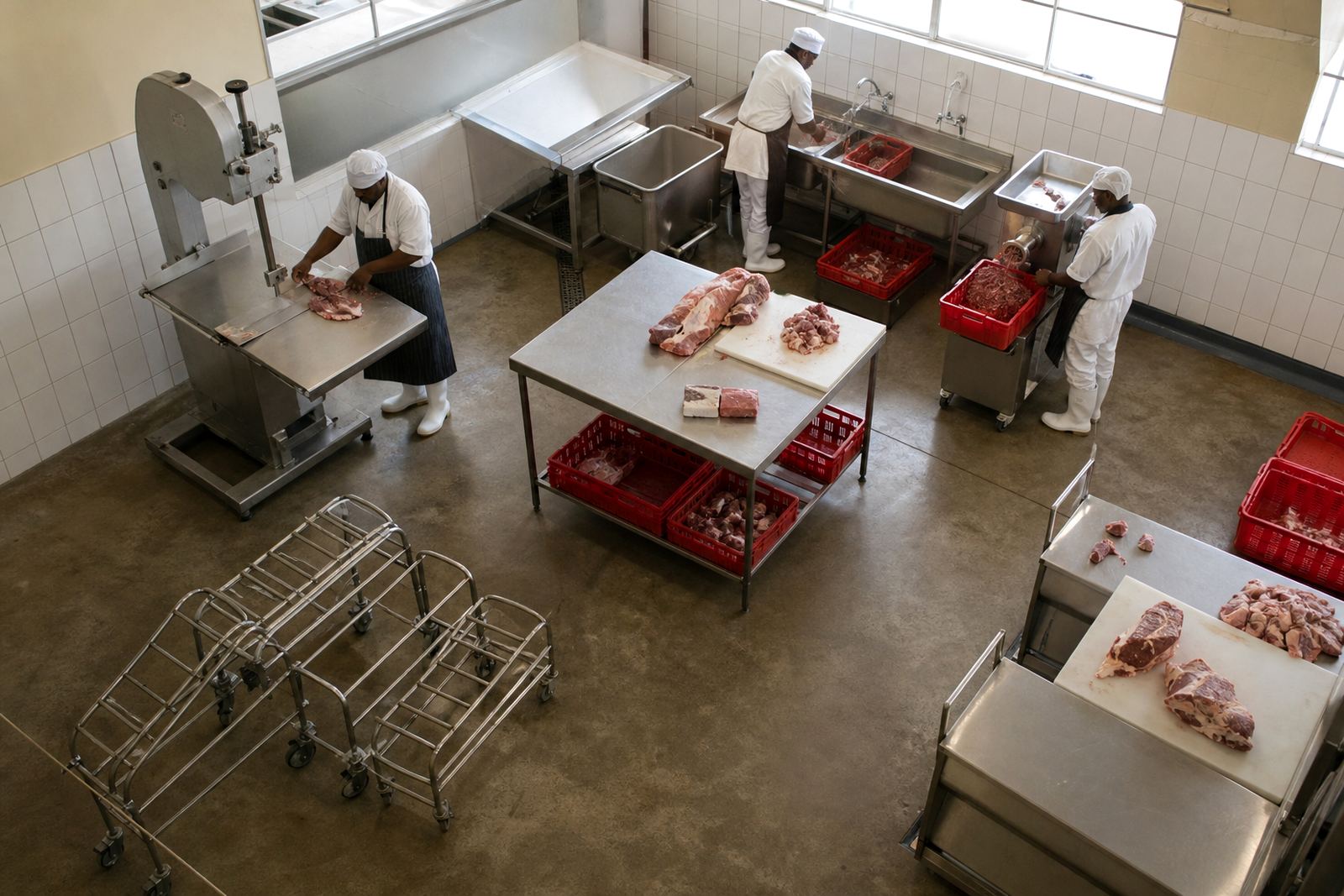
Good cleaning is easier when it becomes part of the close-down process, not an extra task left for later. In a commercial butchery in Johannesburg or Pretoria, the last 20 minutes of the day should include dismantling, washing, drying and checking the mincer before the counter is cleared. In a smaller home setup in Kroonstad or Welkom, the same habit helps prevent the machine sitting overnight with meat residue inside.
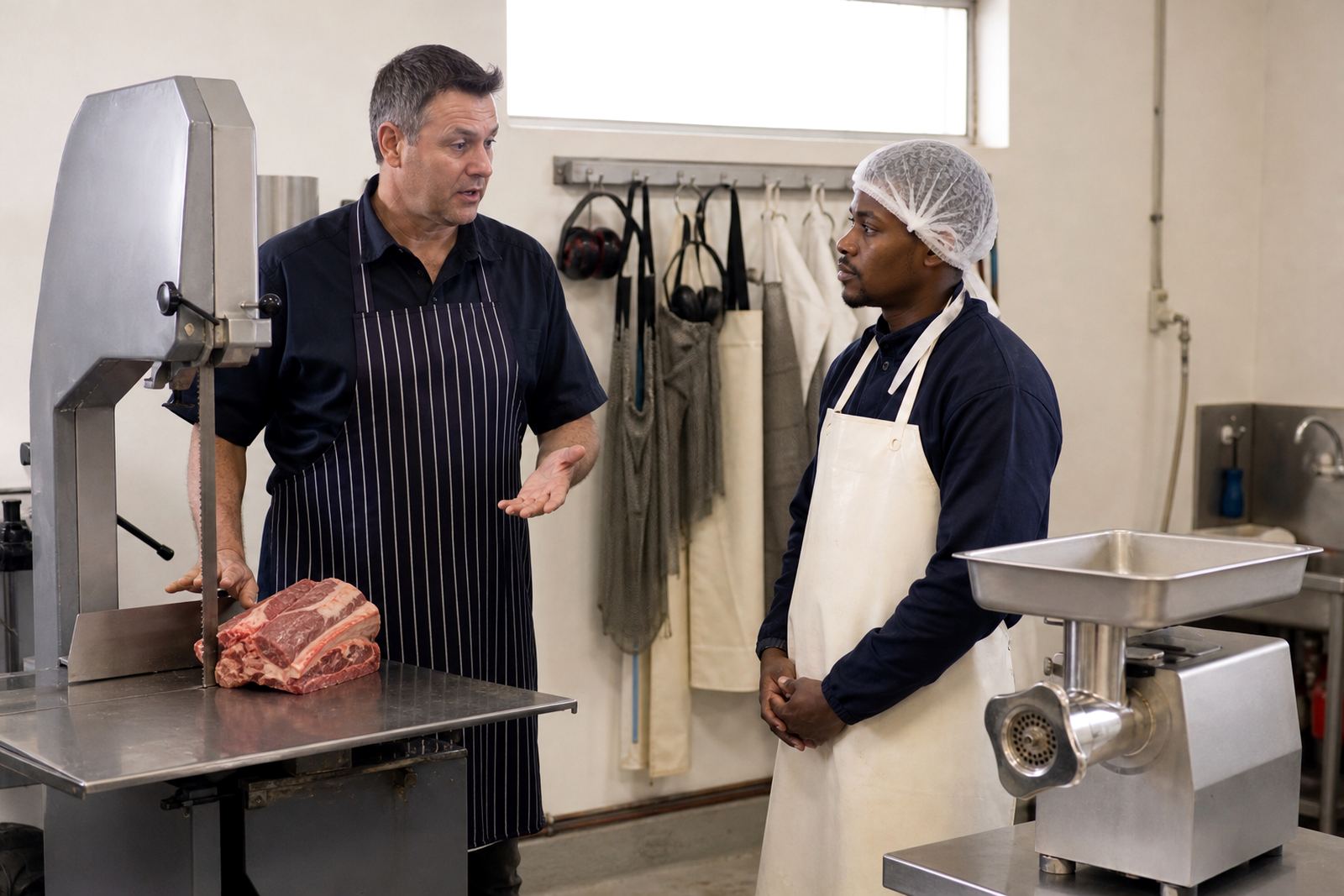
A simple routine keeps everyone aligned and reduces mistakes between shifts. If more than one person uses the machine, each team member should know who removes the parts, who washes them and who checks that everything is dry and stored correctly. This is especially useful where staff changes are common or where the shop closes late on market days.
- Finish production early enough to clean without rushing.
- Assign one person to final checks and reassembly.
- Keep a cloth or rack ready for drying parts.
- Record any wear, noise or feeding problems before the next shift.
When Cleaning Is Not Enough and Servicing Is Due
Daily cleaning prevents many problems, but it cannot fix worn bearings, damaged seals, loose fittings or a drive issue. If the machine starts to make unusual noise, smell hot, feed badly or leave mince looking rough, it may need servicing rather than just another wash. That is where a proper inspection matters. A technician can check the parts that cleaning cannot reach and advise whether blade replacement, plate and knife change or other maintenance is needed.
For butchers across Bloemfontein, Kimberley, Johannesburg, Cape Town and Durban, keeping a mincer in serviceable condition means planning ahead, not waiting for a breakdown on a busy Saturday. Preventive maintenance and proper cleaning go together. One protects hygiene, the other protects uptime. Together they help a butcher keep product quality steady and avoid avoidable downtime.
A Practical Standard for Safer Mince Every Day
A daily clean is not a fancy extra. It is basic discipline for any butcher who wants reliable mince, cleaner working conditions and less wear on equipment. Remove the parts, wash them properly, dry them fully and inspect them while they are out. Keep guards in place, use PPE and never hurry the process when the shop is still busy.
At MorCut Butchery in Hamilton, Bloemfontein, the focus is on helping commercial and home butchers keep bandsaws and mincers in proper working order through delivery, setup, servicing and training support. A clean machine is easier to trust, easier to run and far better suited to daily butchery work.