

When the cut stops looking clean
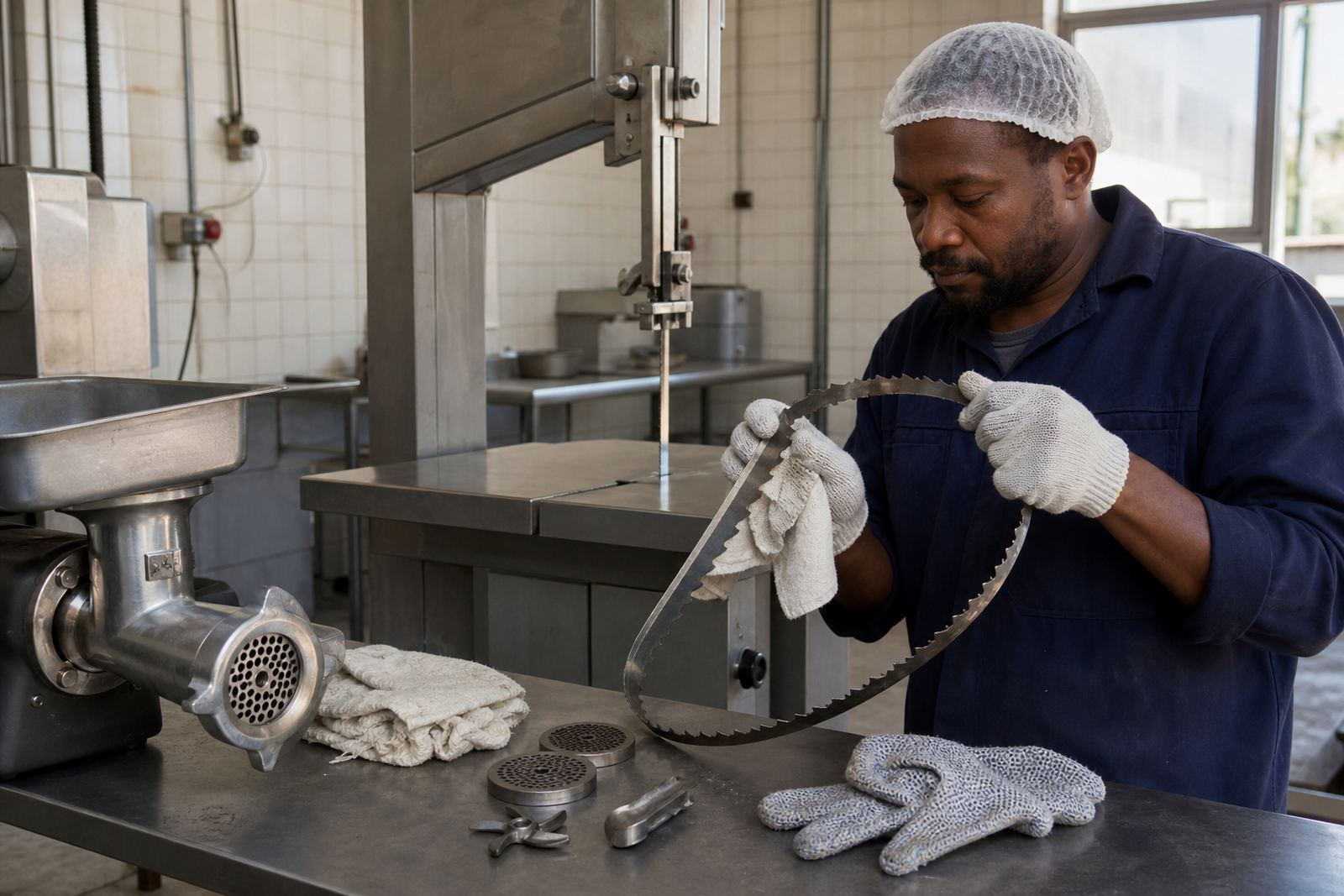
A good bandsaw should cut neatly and predictably. If the cut starts to wander, the blade feels like it is pulling, or you notice more tearing than cutting, the machine may need attention. Dull blades are often the first cause, but worn guides, poor alignment or build up around the cutting area can also play a part. A band saw that has changed in the way it sounds often deserves a closer look too, especially if the noise has become harsher or uneven.
In a busy butcher shop, it is easy to keep going and hope the next blade will fix it. That usually only masks the real issue. In Bloemfontein, where many shops work through cold mornings and warmer afternoons, small changes in performance can show up quickly. Keep the guard in place, switch off before checking anything and replace worn cutting parts before they affect the quality of the meat.
Signs your mincer is working harder than it should
A mincer that is due for servicing often gives clear signs. The feed may become sluggish, the mince may look uneven, or the machine may need more pressure to do the same job. If the output starts to feel warm, sticky or inconsistent, the plates and knife may be worn or not seated properly. A strange rattling sound, a smell of strain, or a motor that labours under normal use should not be ignored.
It is also worth watching how the product exits the machine. If it comes out in patches instead of a steady flow, something inside is not doing its job as it should. Clean parts matter here, but so does regular inspection. Keep hands clear, use proper PPE when handling sharp parts and never reach into a running mincer. A quick service visit can save a lot of waste and extra labour later.
- Uneven mince texture
- Slower feeding than usual
- Warm product after processing
- Odd noises or vibration
- More effort needed to push meat through
Cleaning that takes longer than it used to
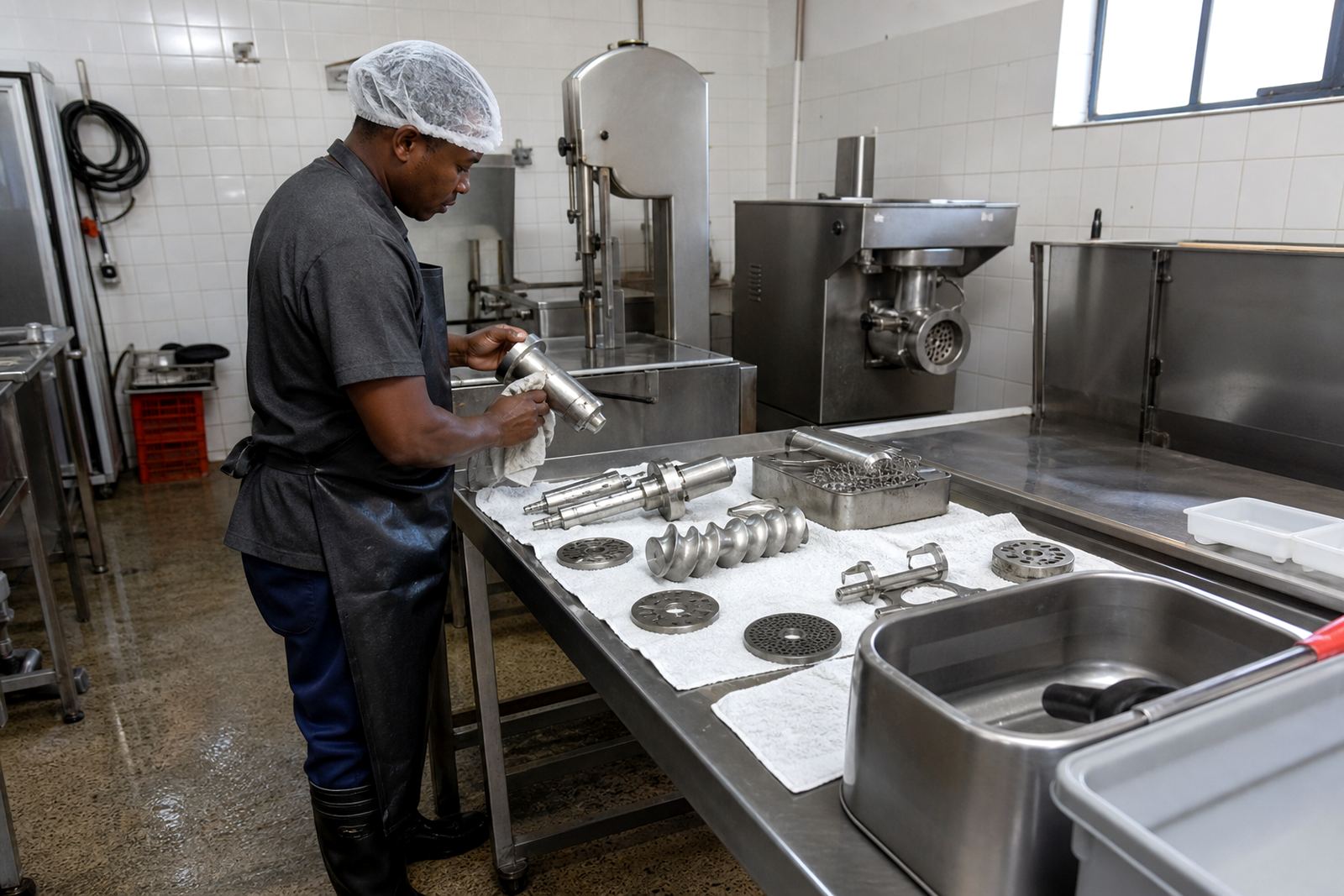
When a machine starts holding onto fat, fibres and residue more than usual, that is often a sign it needs more than a quick wipe-down. A bandsaw or mincer should still be easy to strip, clean and put back together without forcing parts. If cleaning is taking longer, or if you keep finding residue in the same corners, seals, guides or around the feed area, something may be worn or out of line.
This matters for hygiene and also for safety. Built-up residue can affect performance, especially in warm kitchens or wet prep rooms. On the coast, humidity can make poor cleaning habits show up faster, while inland dust can work its way into moving parts. A proper cleaning routine should always follow safe shut-down steps. When cleaning becomes a battle every day, it is usually time for a service visit and not just another scrub.
Vibration, heat and other warnings you should not ignore
Machines often tell you they need help through feel as much as through sound. If a bandsaw starts vibrating more than usual, or a mincer feels rough while running, internal wear may be building up. Heat is another warning sign. Excess heat around the motor, casing or working parts can point to friction, strain or poor maintenance. None of these signs should be left to get worse.
For shops in Johannesburg, Pretoria or Durban, where demand can rise fast over weekends and month end, it is tempting to keep the machine in service until it fails. That usually leads to longer downtime and a more expensive repair. A simple rule helps: if the machine is harder to control, hotter than normal or noisier than normal, book it in. Do not keep operating it with damaged guards, loose fittings or parts that no longer sit correctly.
When breakdowns start repeating themselves
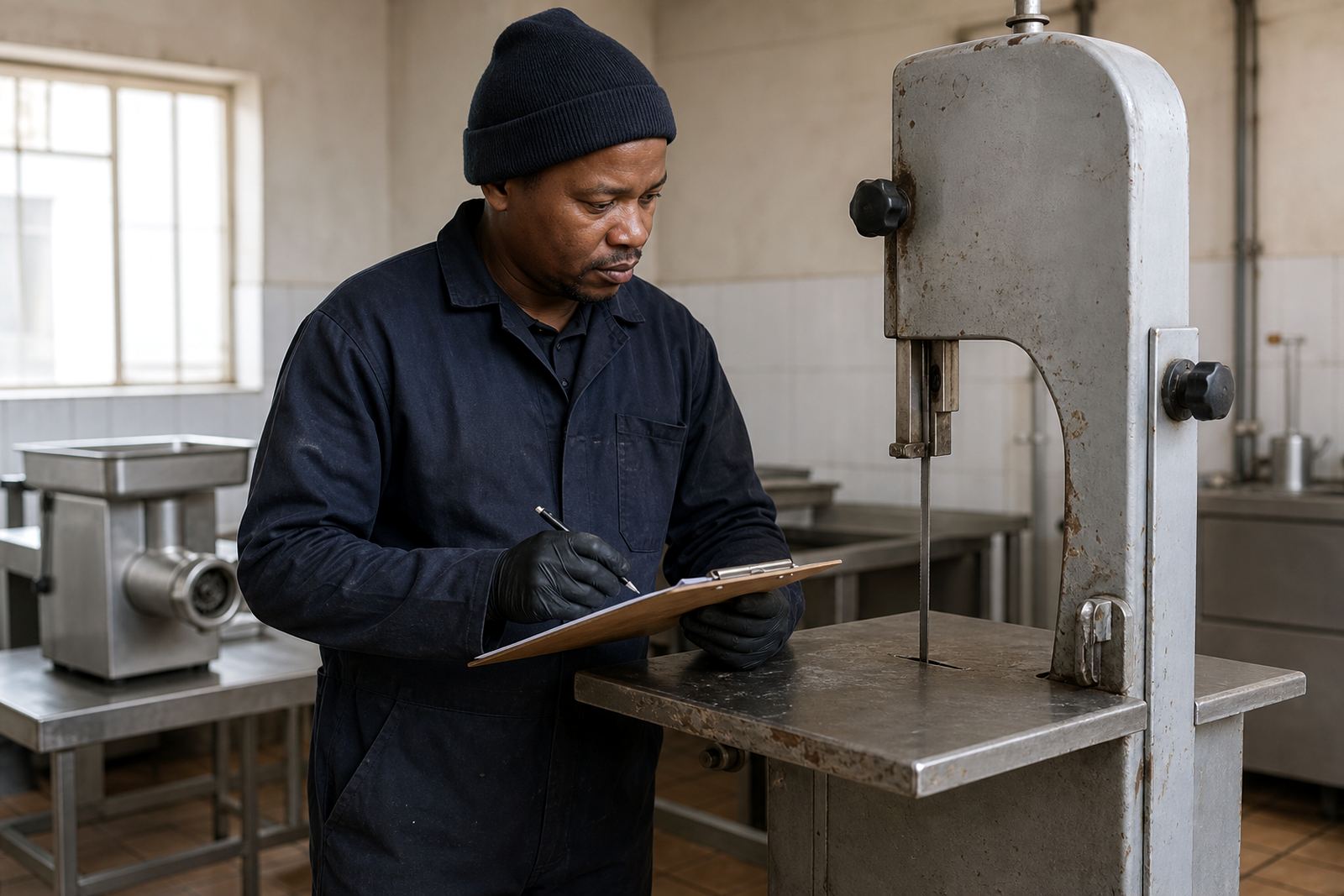
One breakdown can happen to any machine. The warning sign is when the same fault keeps coming back. Repeated blade changes, repeated plate and knife changes, or the same feeding problem after every clean can point to an underlying issue that needs proper inspection. If staff are adjusting the machine every day just to keep it going, service is overdue.
In many smaller butchers, especially those balancing home customers and commercial orders, repeated faults can be easy to accept as normal. They are not. A service visit can check alignment, worn parts, fastening points and general condition before the next failure. It is also a good time to review safe operator habits, because a machine that is used correctly usually lasts better. If your team keeps asking why the same issue returns, that is your sign to act.
- Fault returns after basic cleaning
- Parts wear out too quickly
- Operators keep making small adjustments
- The machine stops and starts unevenly
- Breakdowns happen during peak trading times
A practical local example from a Bloemfontein shop
Picture a butcher in Hamilton, Bloemfontein. The bandsaw is still cutting, but the blade leaves rough edges and the mincer is taking longer to process the same batch. Staff are cleaning it after each use, yet the machine still feels sticky and the feed is not as steady as before. Nothing has failed completely, so the temptation is to keep going. That is exactly when service matters most.
A proper check can catch worn cutting parts, loose fittings and cleaning issues before they become a full shutdown. It also gives the team a chance to reset the way they work, from safe strip-down to correct reassembly. Whether you are in Bloemfontein Supply, Kimberley Supply, Welkom Supply or Kroonstad Supply, the same principle applies: small changes in performance are usually the first sign that a service visit is due. Waiting for a complete stop often costs more than dealing with the warning signs early.
What to do before the service team arrives
You do not need to fix the machine yourself to prepare it properly. Start by switching it off, isolating the power and clearing the area around it. Remove loose residue, note what has changed and tell the service team whether the problem happens all the time or only under load. That simple information often helps a technician find the cause faster.
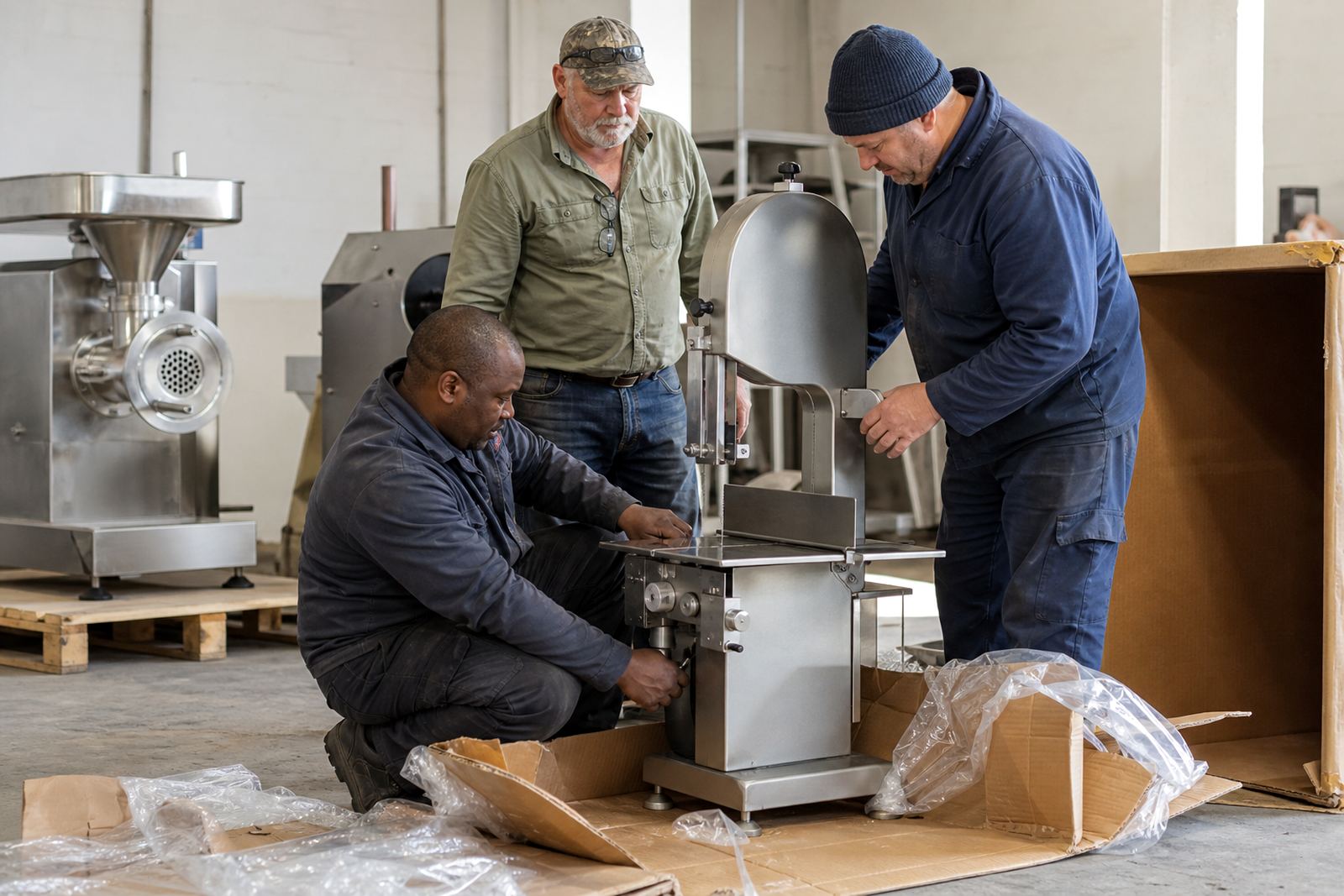
It also helps to keep basic records of blade changes, plate and knife changes and any unusual noises or stoppages. If a machine has had a rough week, say so. If the issue started after a clean or after a heavy order, mention that too. MorCut Butchery supports commercial and home butchers across South Africa with servicing, delivery and setup, and the enquiry form on the contact page is the best way to reach the team. If you are not sure whether a visit is due, treat any change in cut quality, noise or feeding as a fair warning.