



What The Butcher Stories Cover
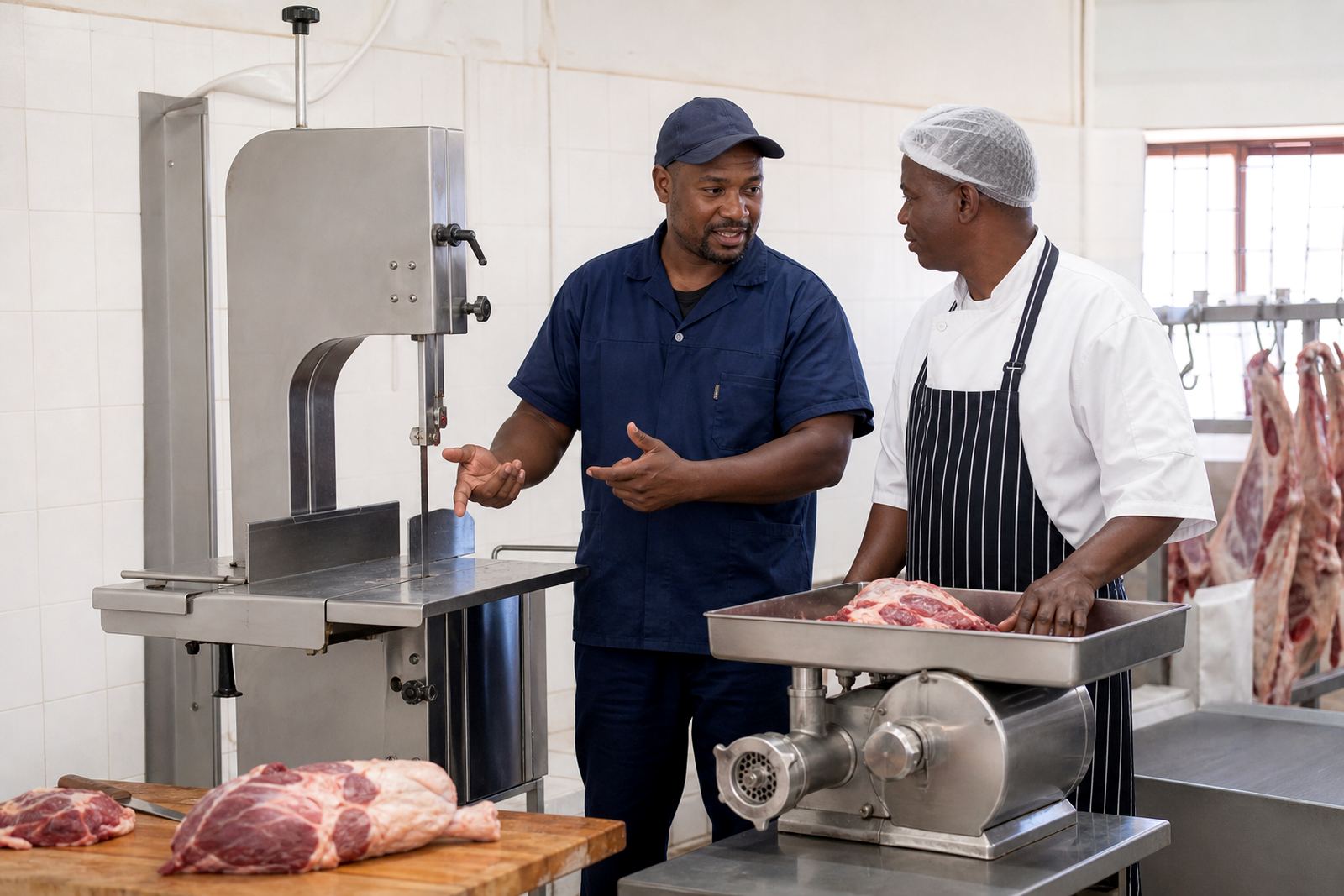
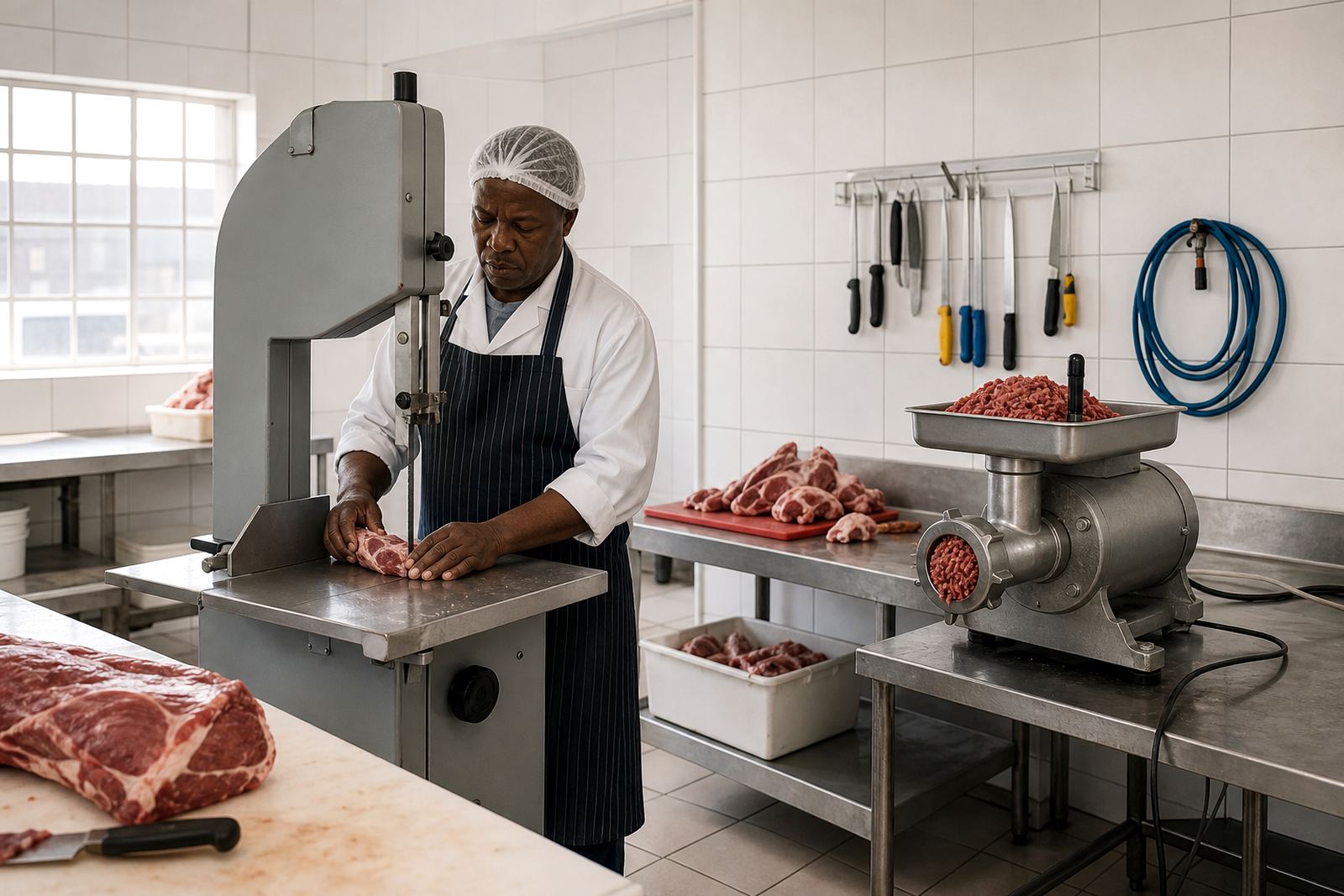
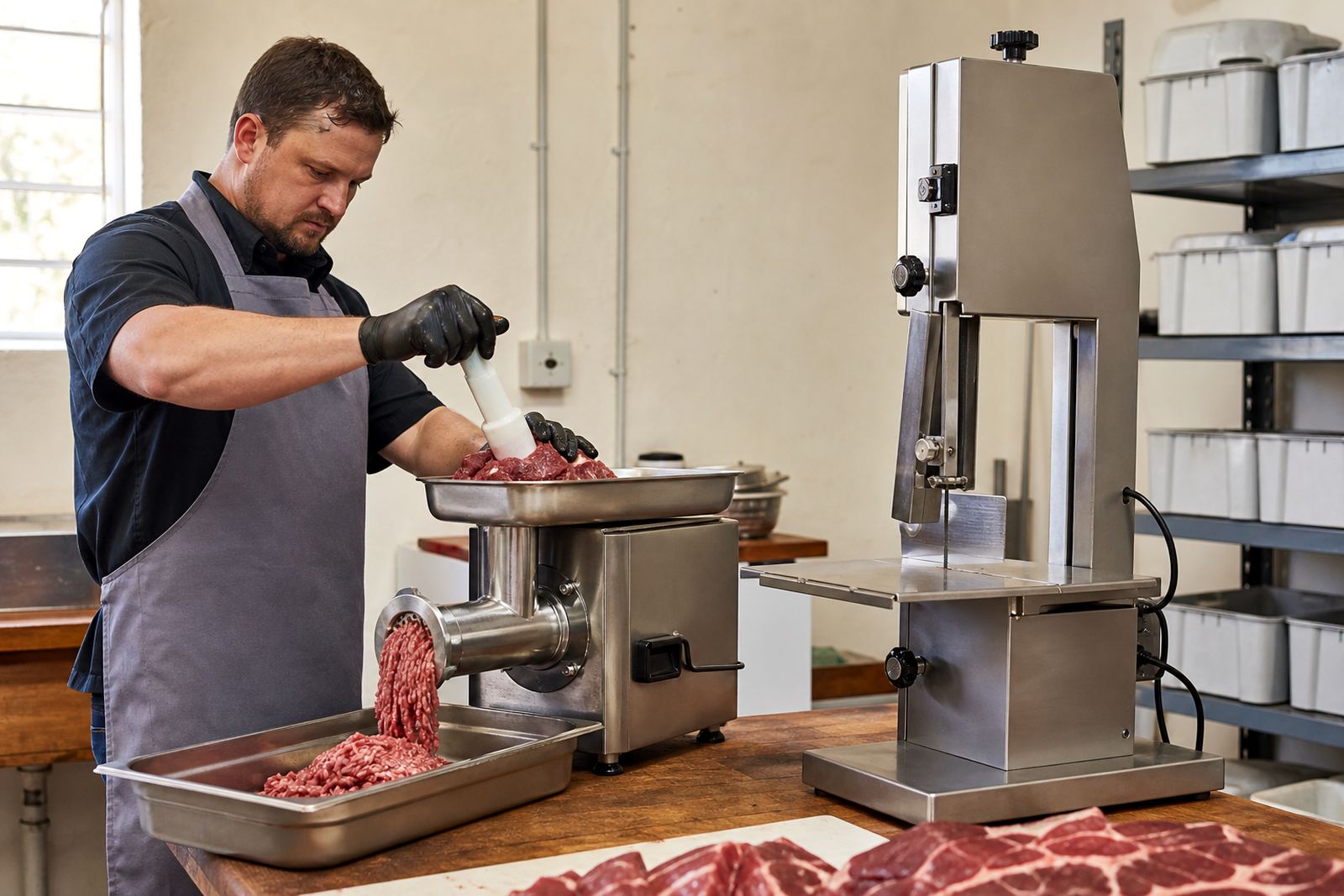
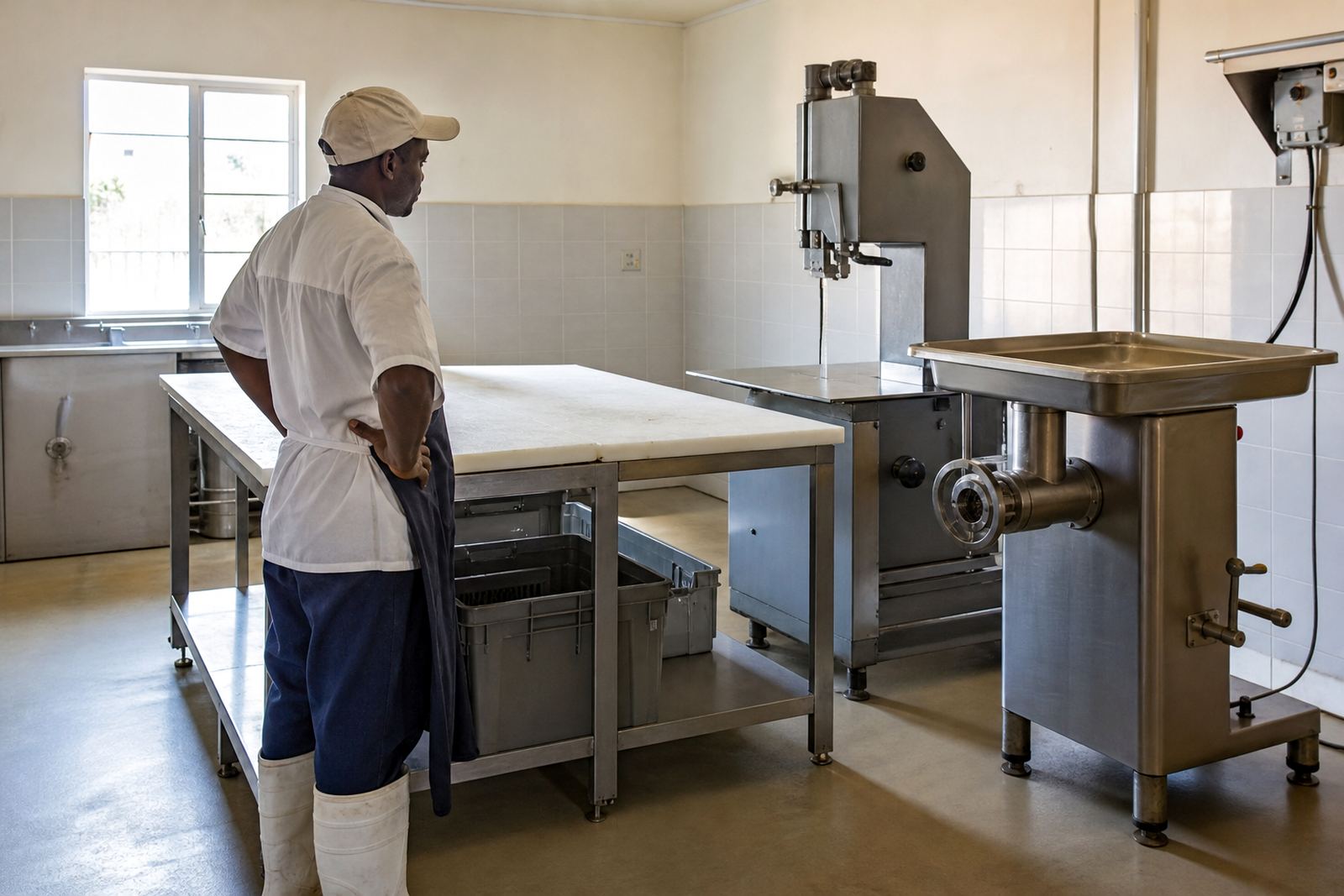
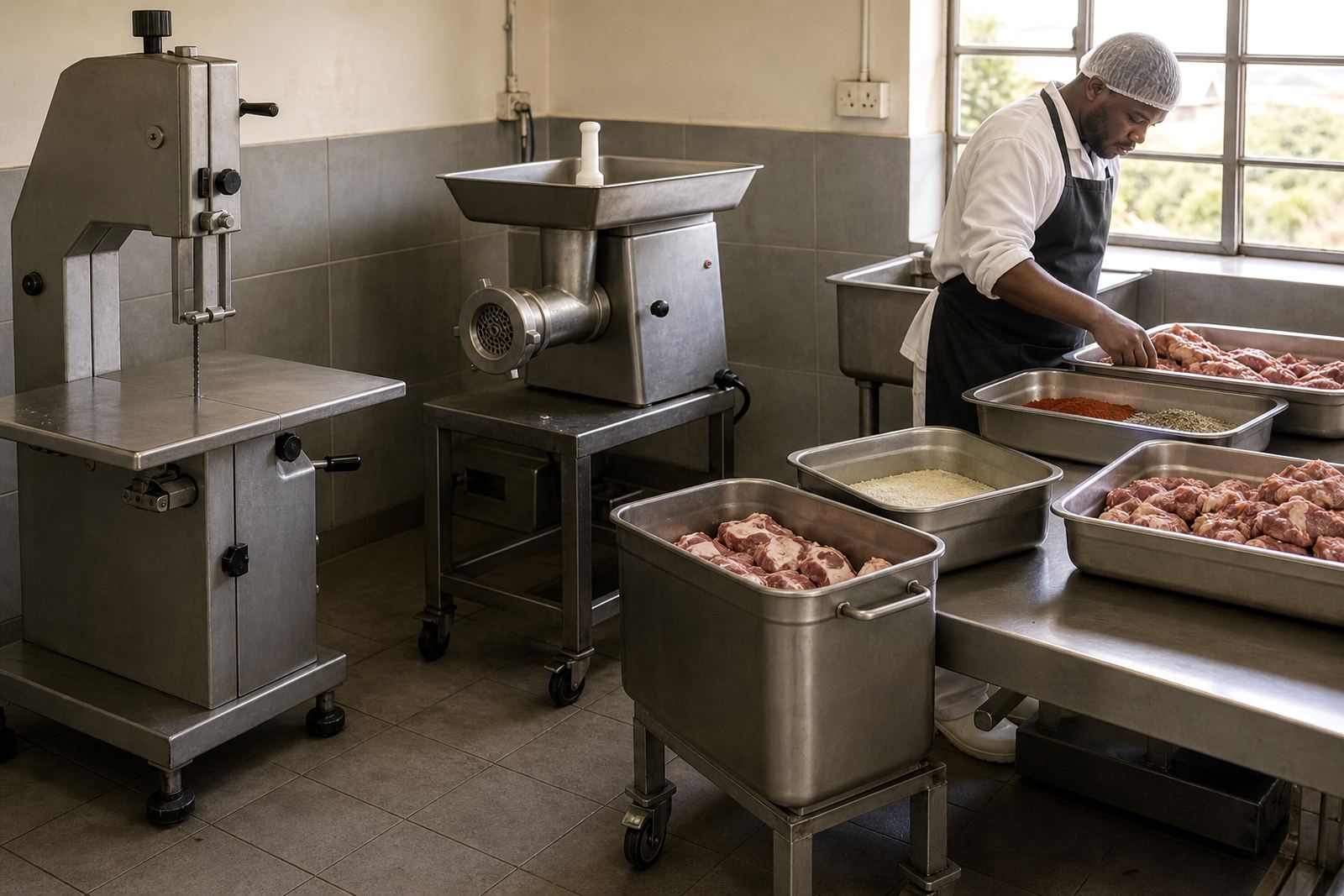
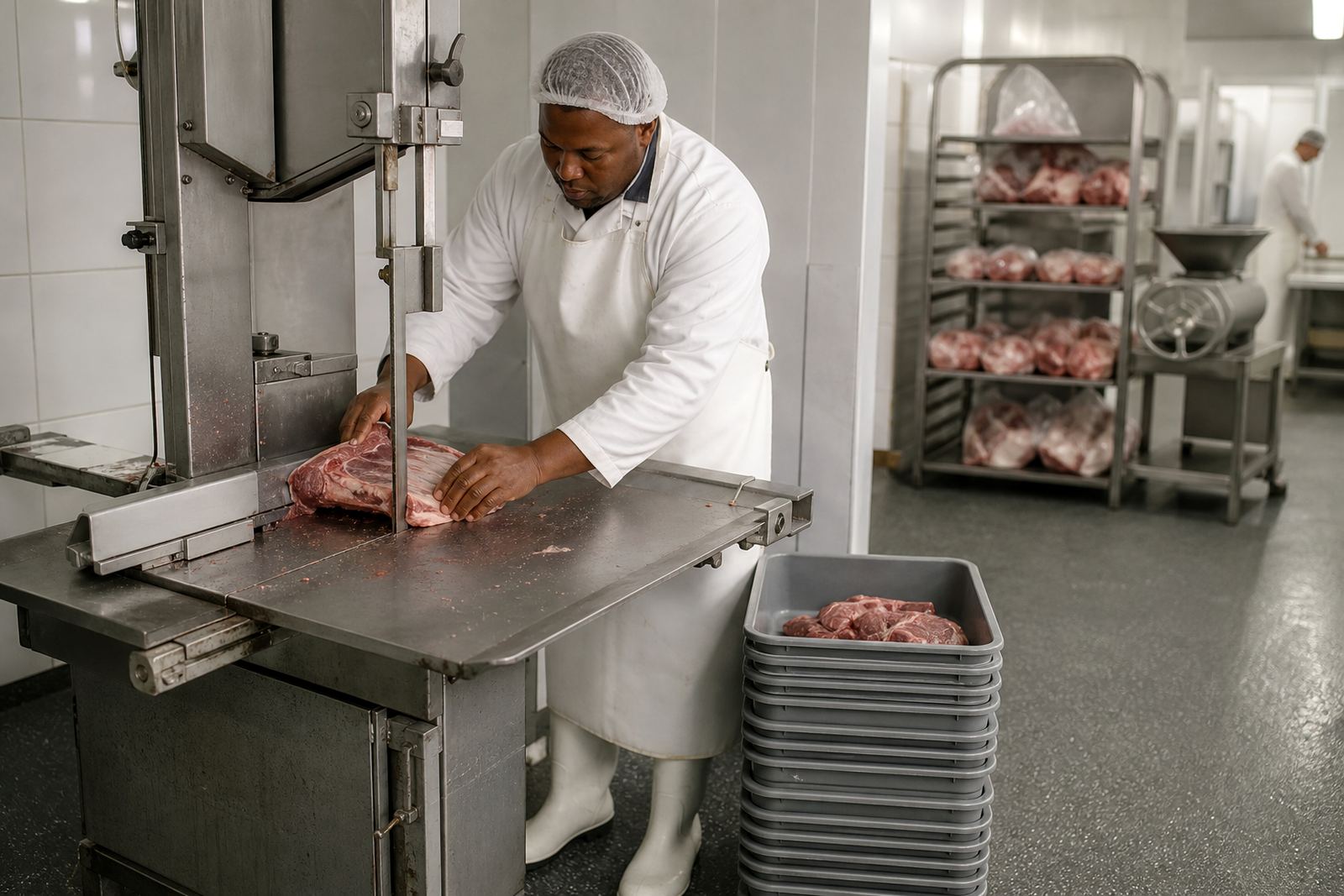
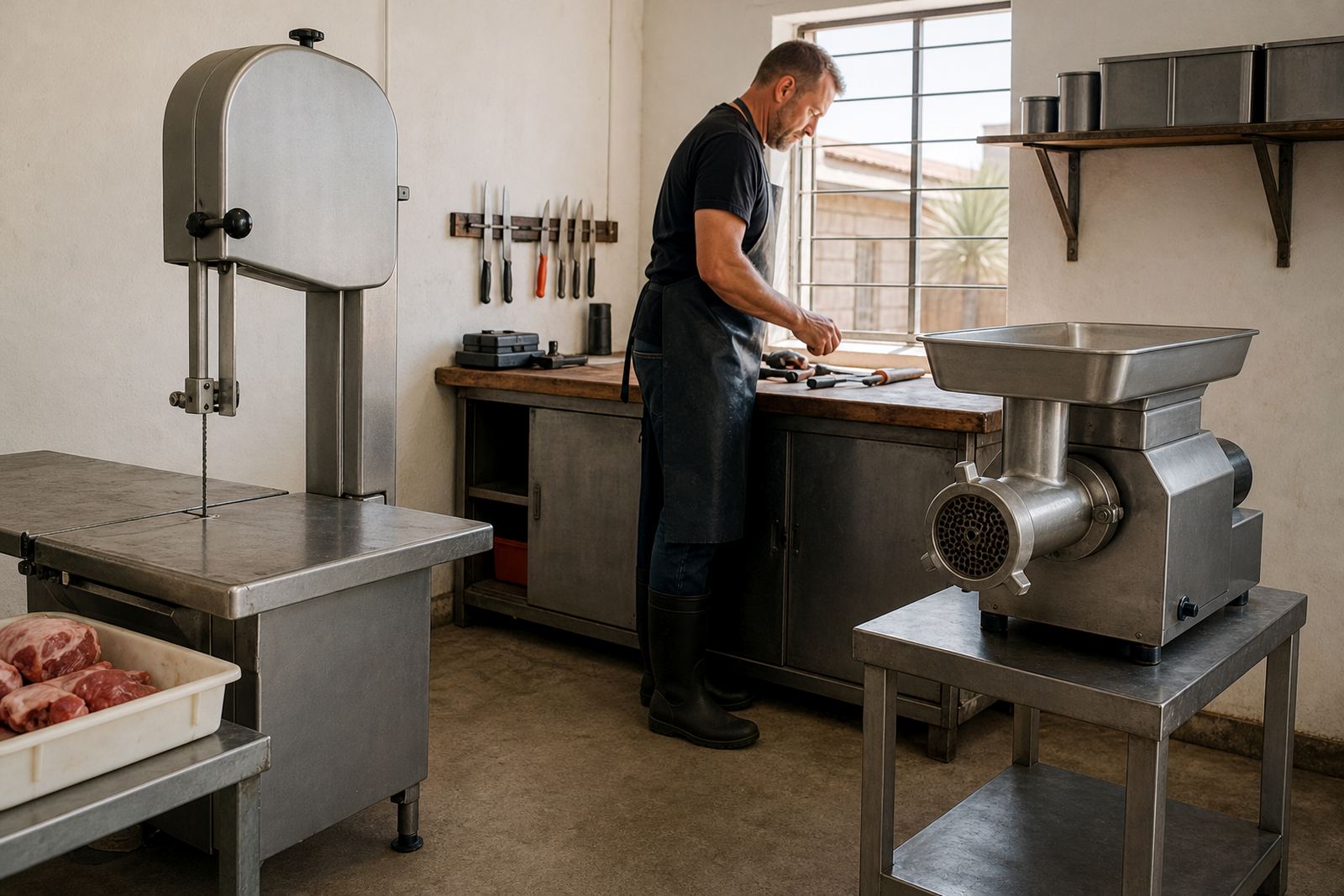
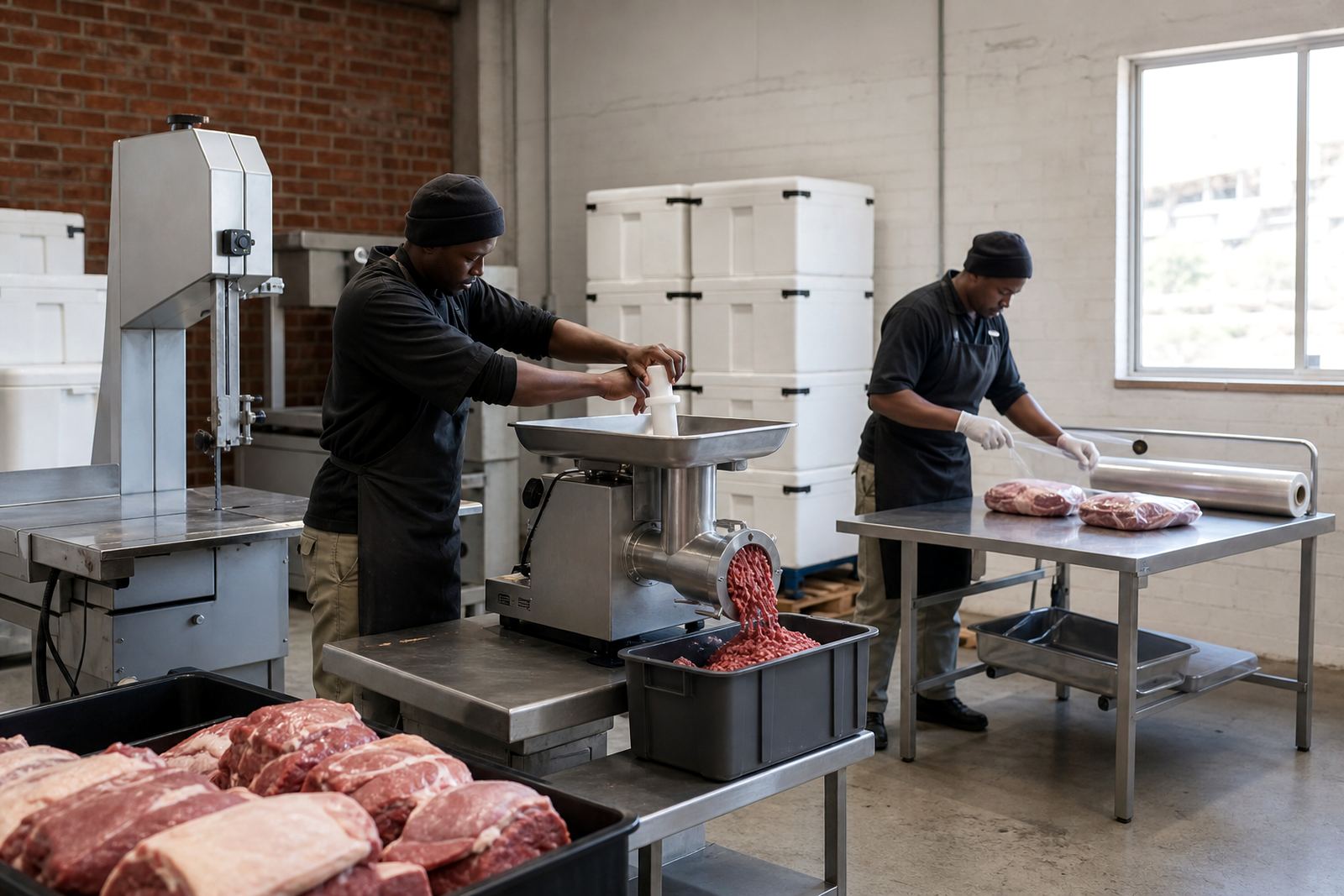
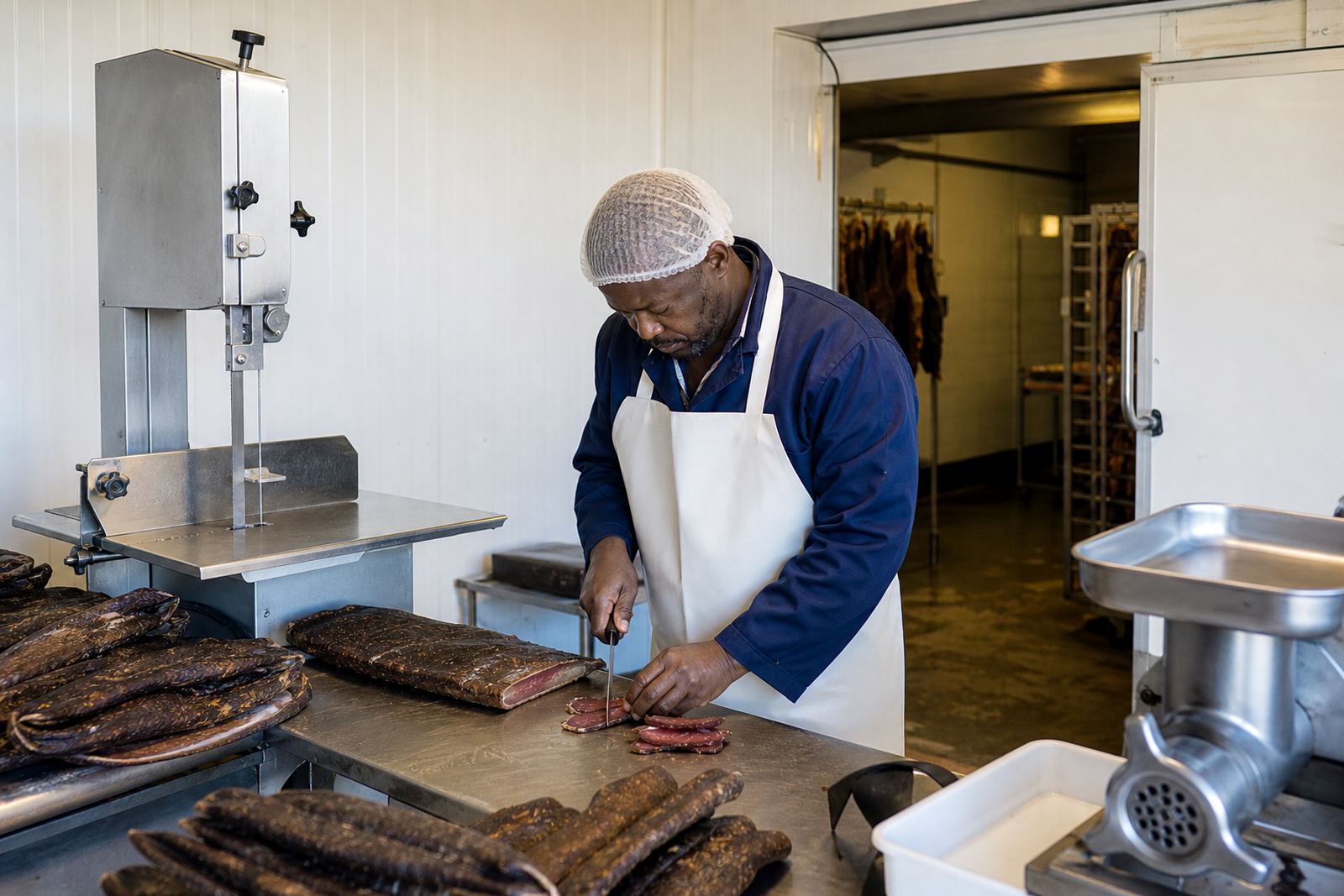
Each story gives a practical view of how butchery equipment is used in real working spaces, without overcomplicating the detail. You will see the sort of setups that suit high turnover counters, small-town shops, farm stalls and home butchers who need reliable equipment and steady support.
The examples also help you think through the important basics: how much product you handle, how often you clean down, whether you need installation, and whether servicing should be planned around trading hours. In places like Bloemfontein, Johannesburg and Pretoria, that can mean fitting work around busy mornings. In coastal areas such as Durban and Cape Town, it can also mean being more careful with moisture, salt air and daily wipe-downs.
How To Choose The Right Story To Follow
Start with the size of your operation and the kind of cutting you do most often. A small home butcher may want a simple setup that is easy to clean and store, while a commercial room may need stronger support, quicker turnaround and more regular maintenance.
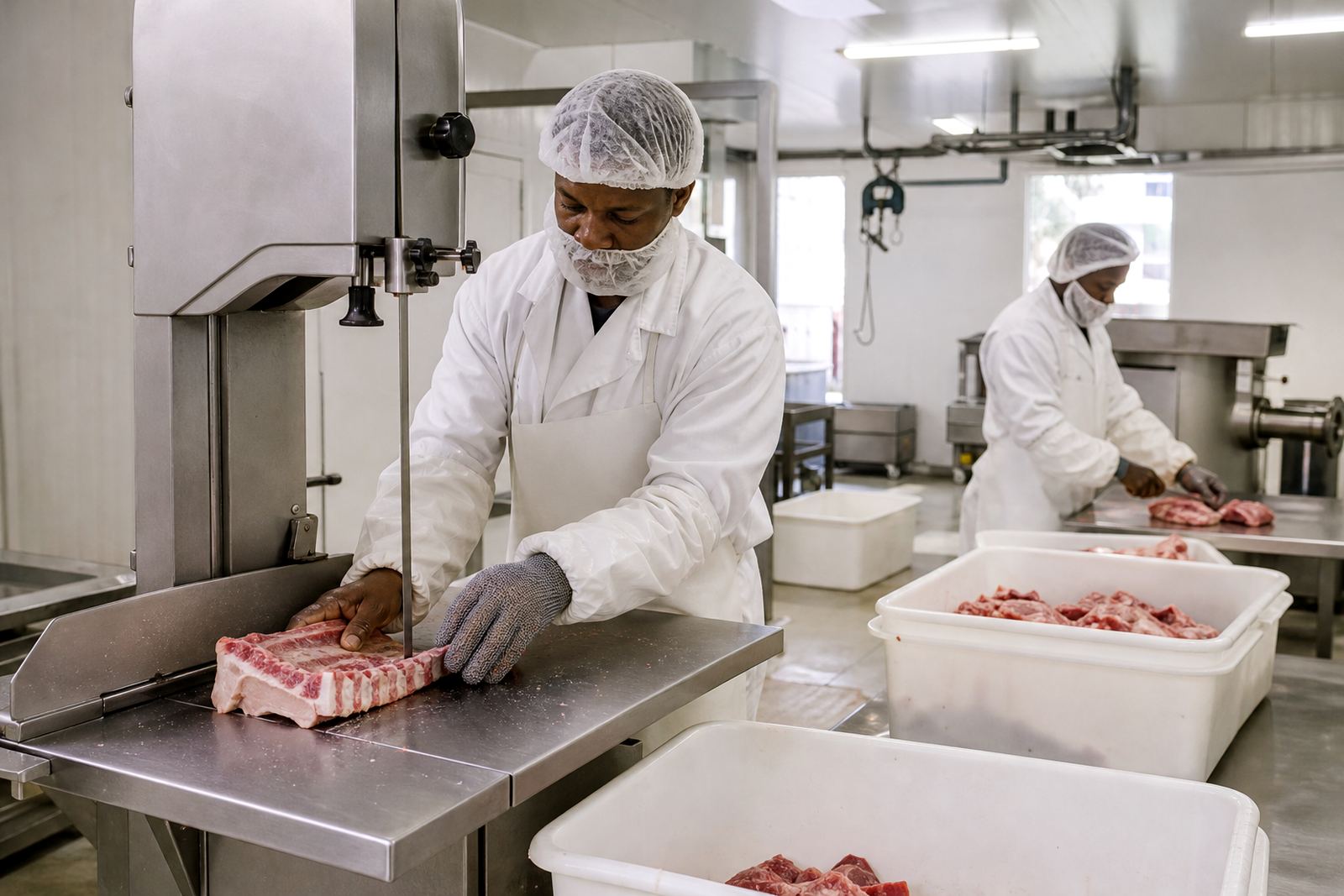
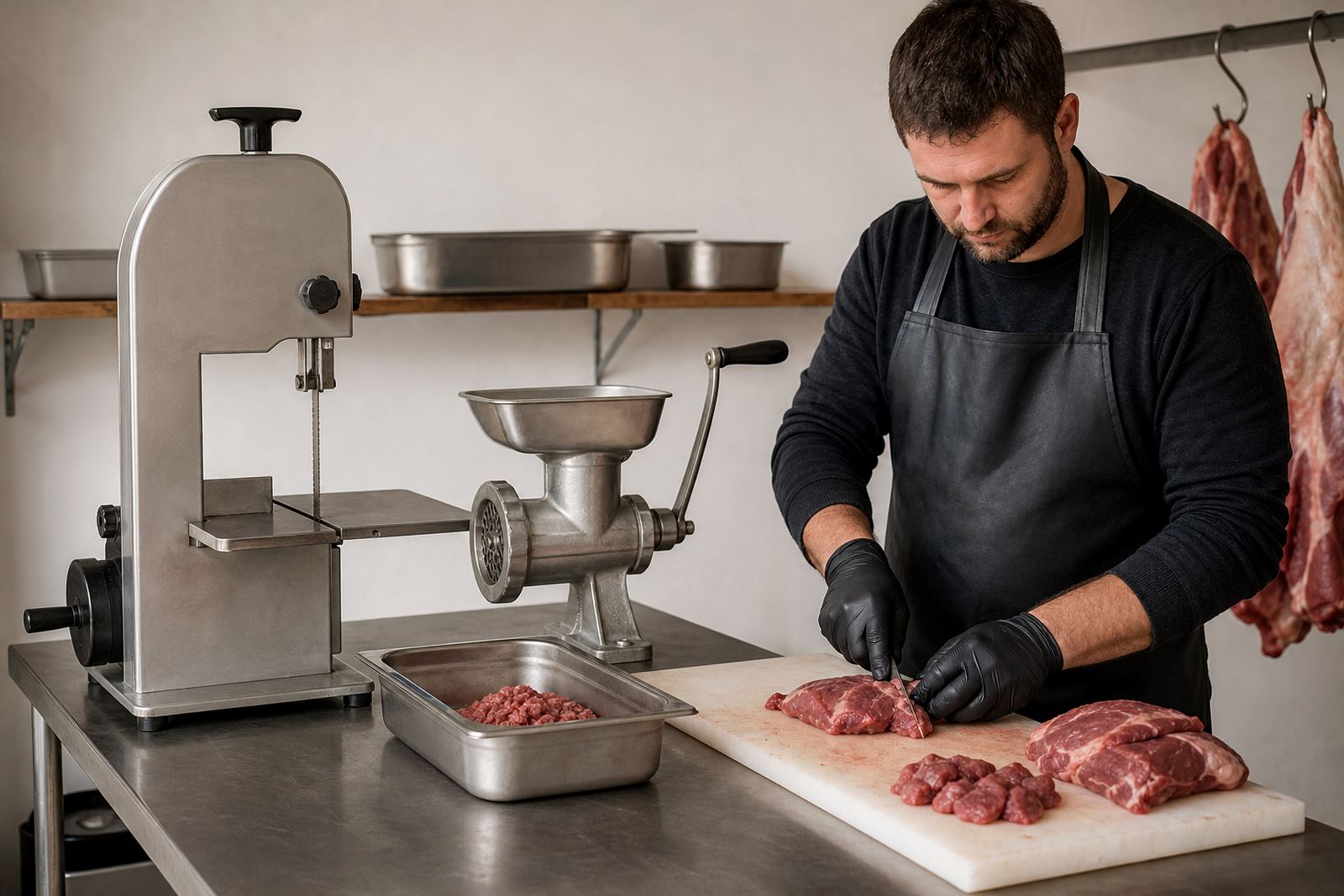
- Choose a bandsaw story if your work includes carcass cutting, portioning or repeated bone-in product handling.
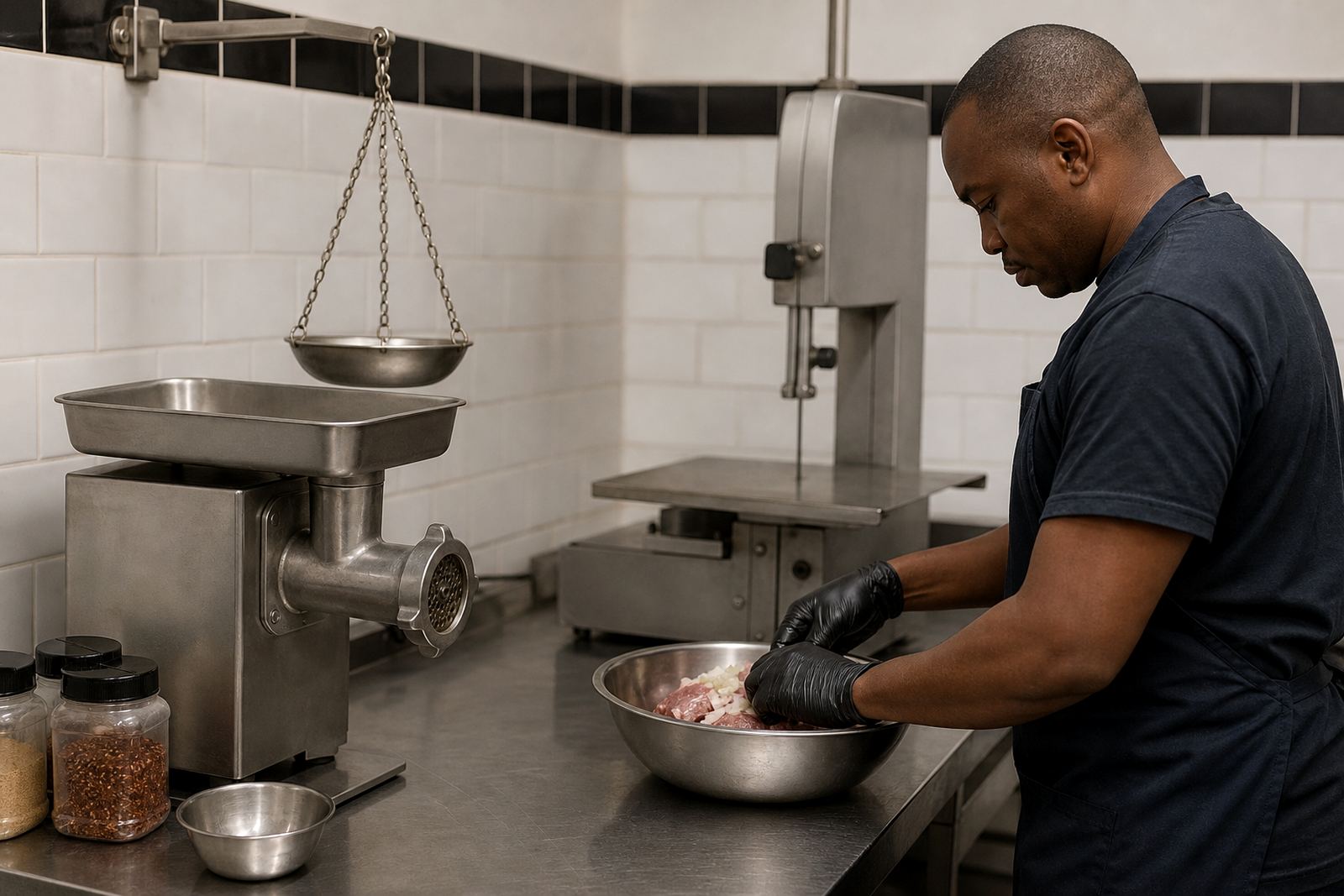
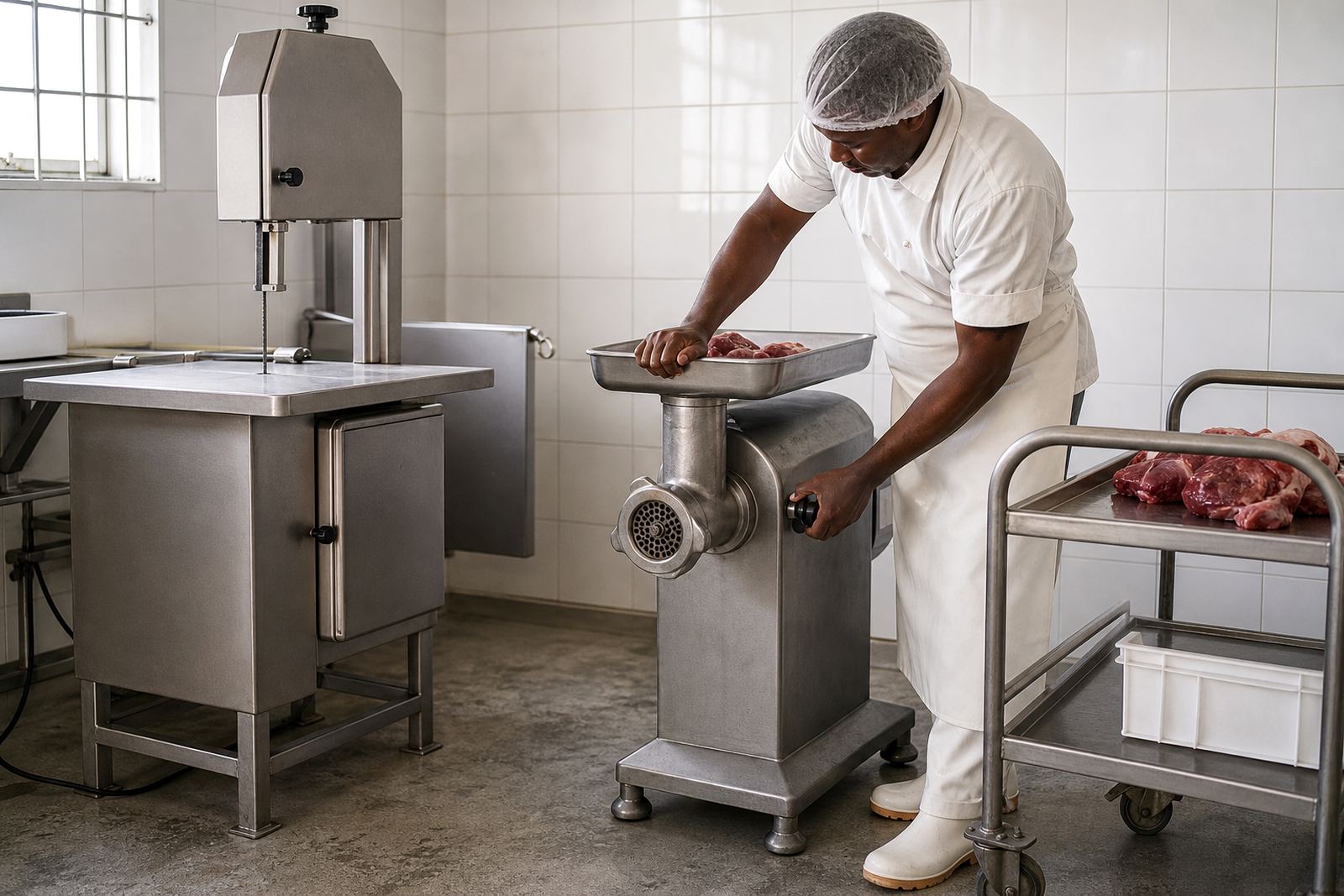
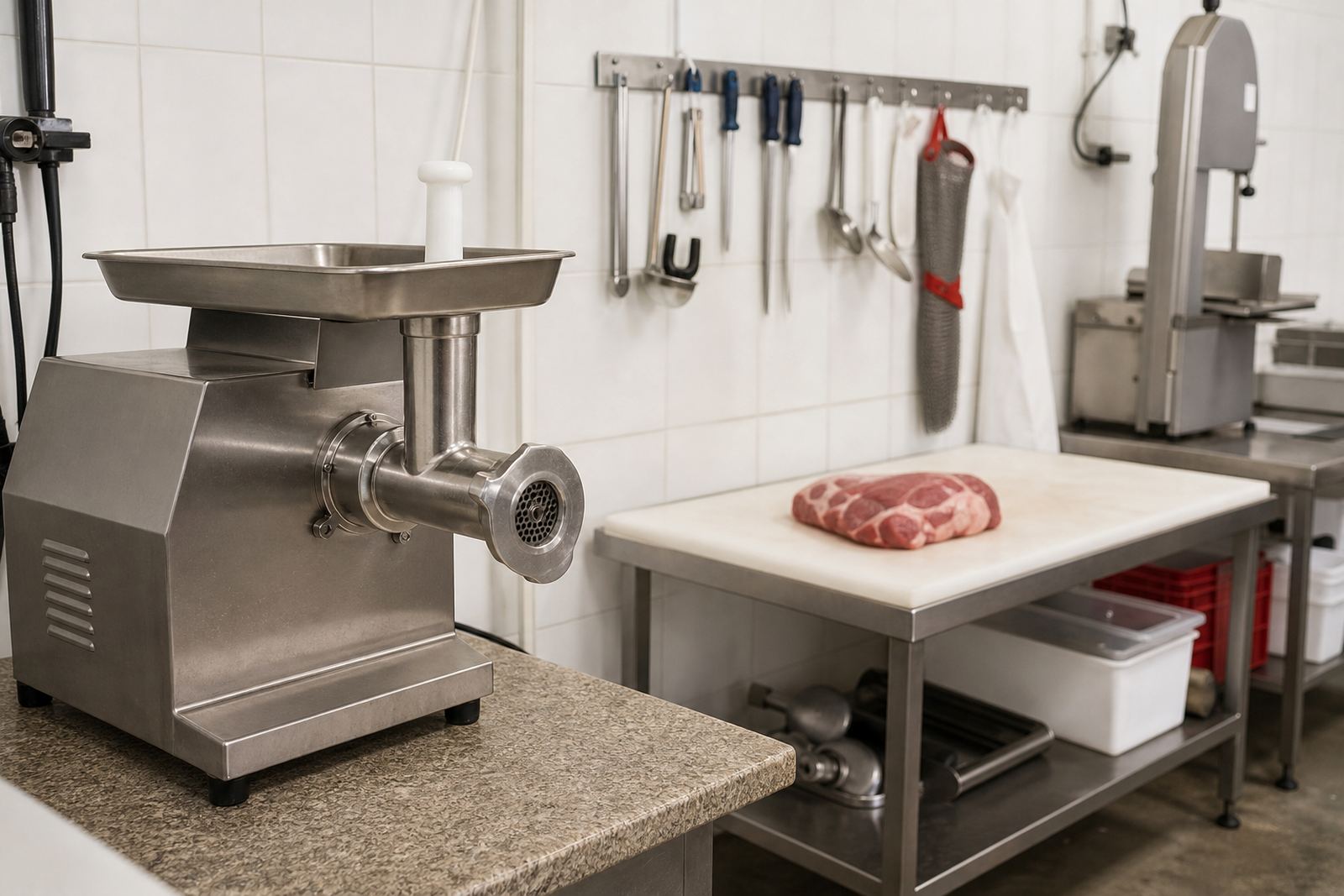
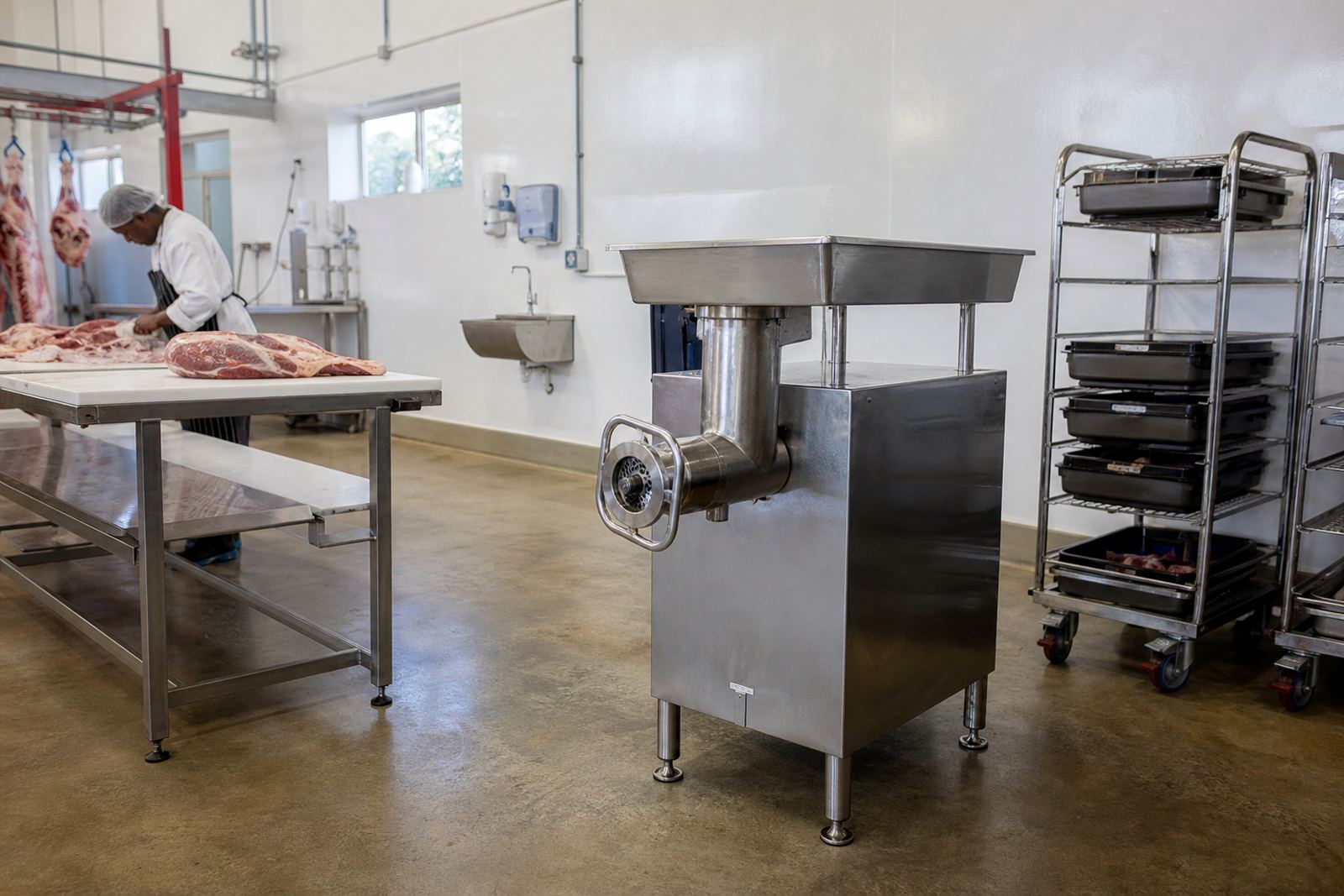
- Choose a mincer story if you process mince regularly and need a steady workflow.
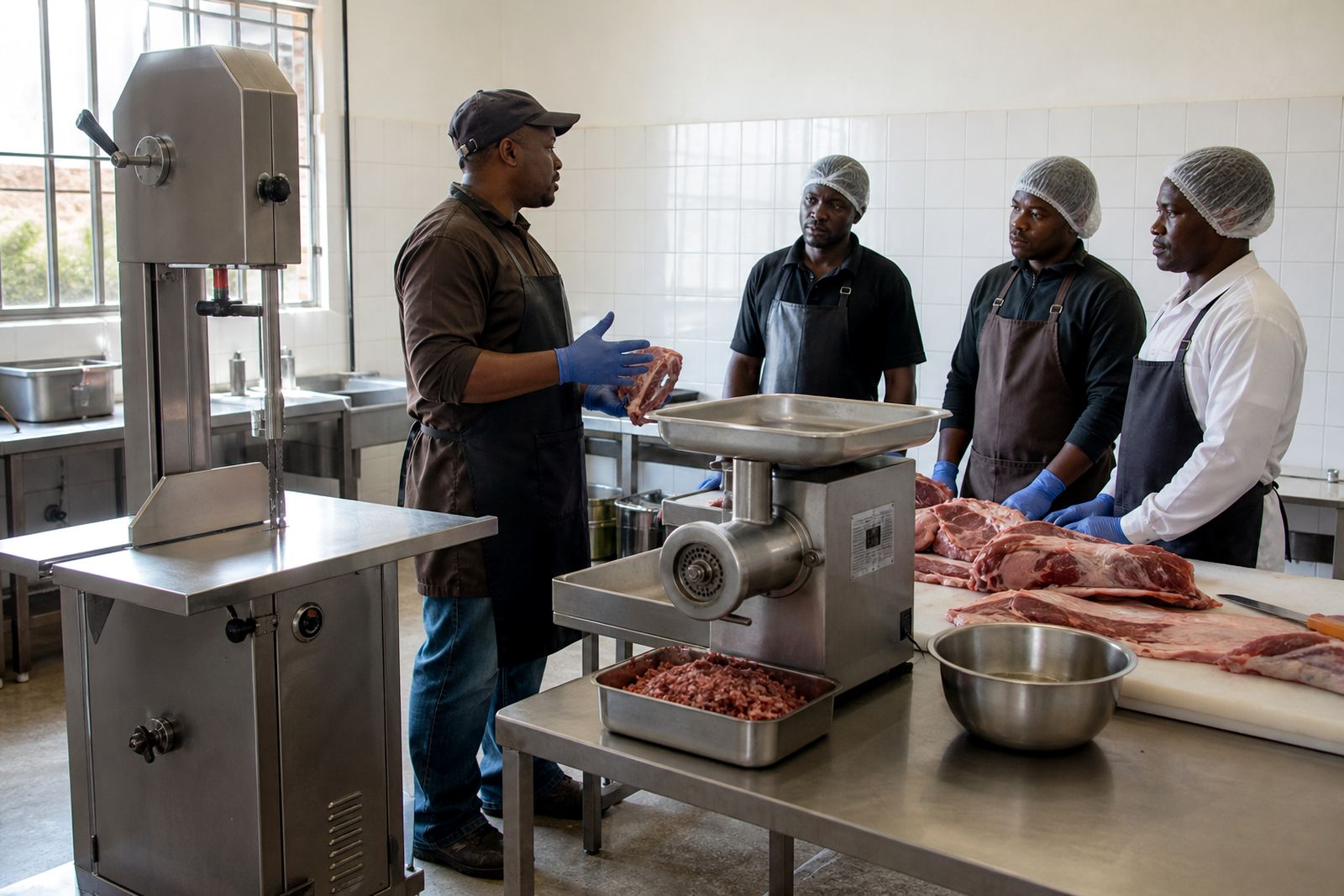
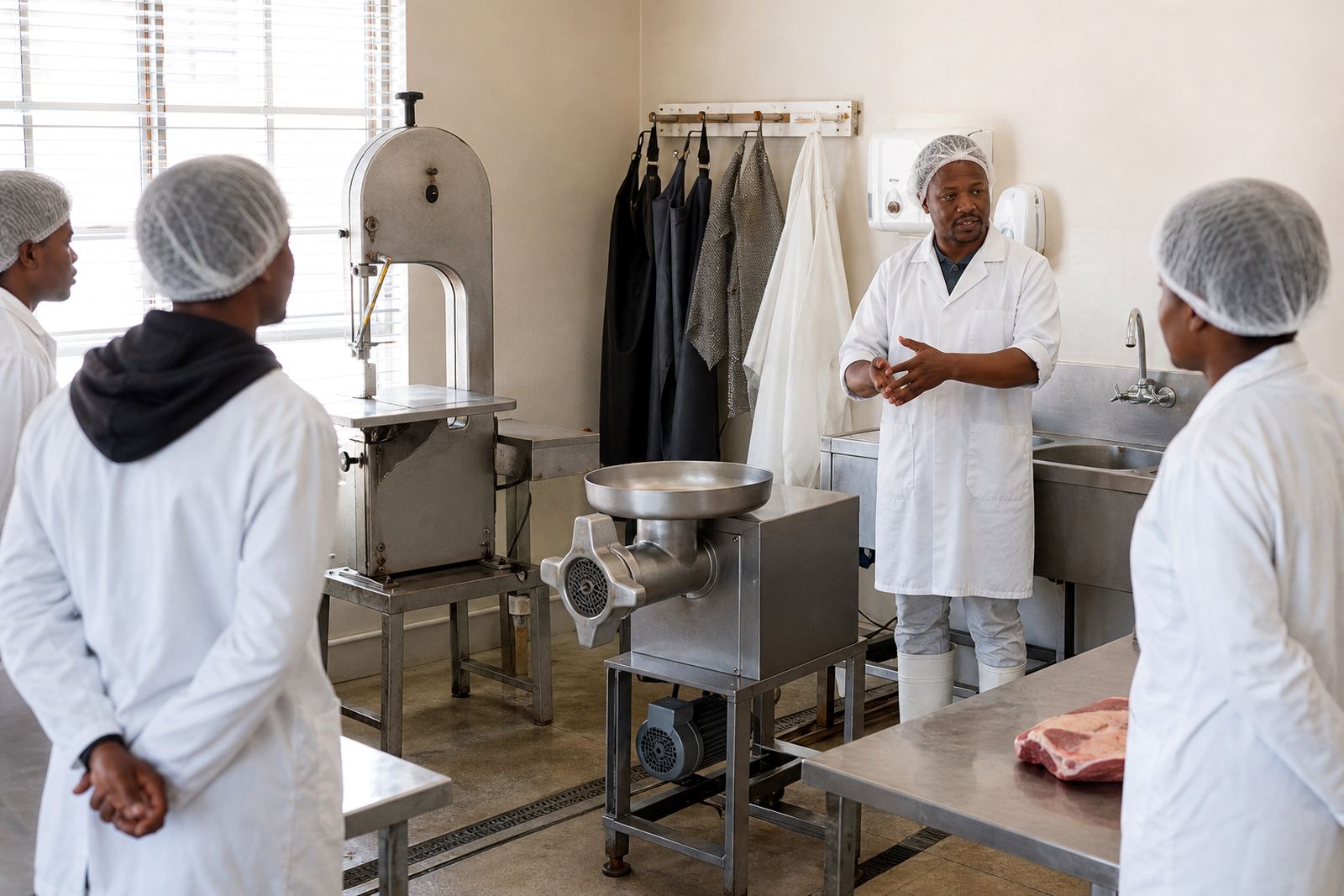
- Choose a servicing story if your current machine is still working but needs attention, blade replacement or a cleaning demonstration.
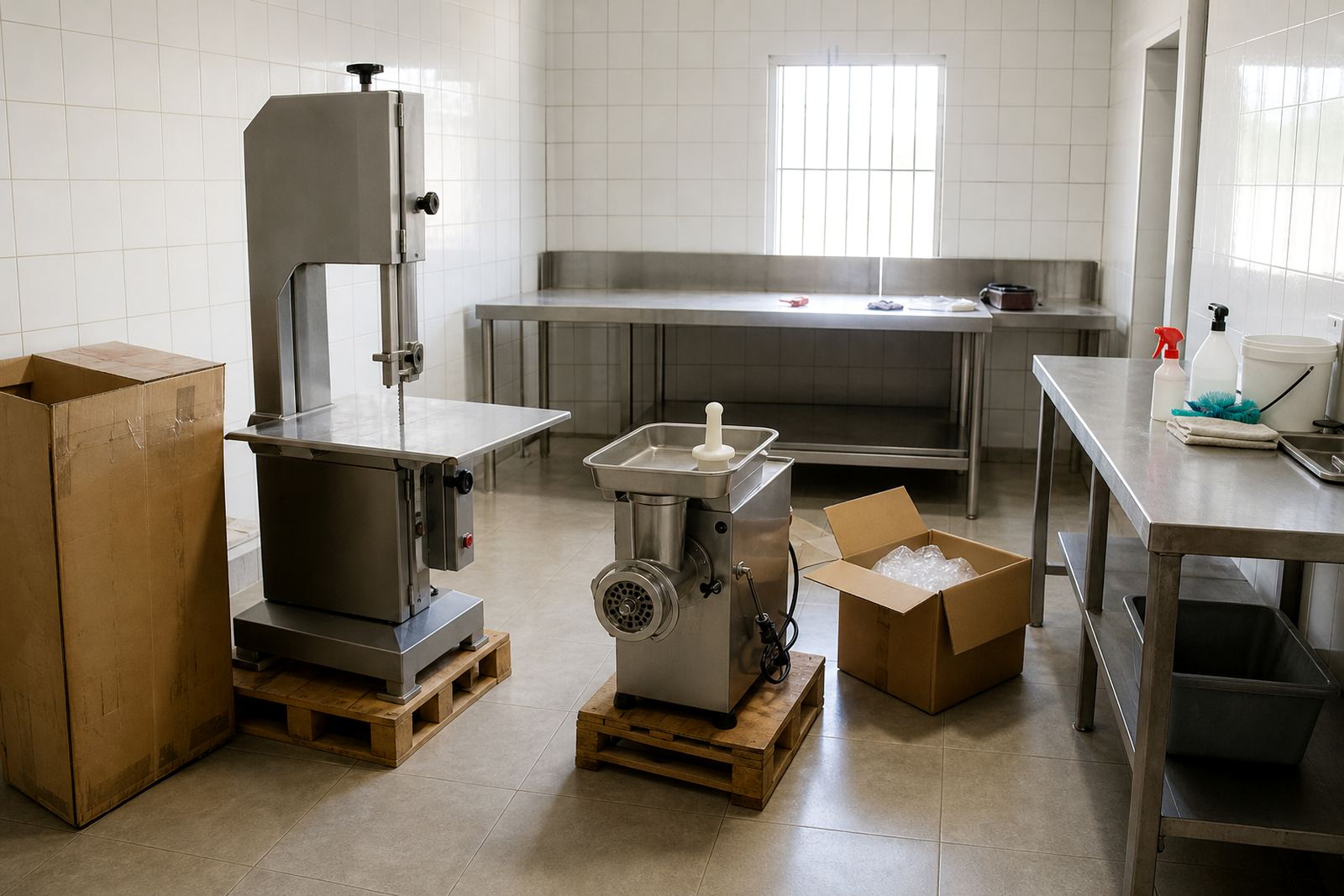
- Choose a delivery and setup story if you want help getting the machine into place and ready for use.
If you are not sure where to begin, think about the most common problem in your room. Sometimes that is floor space, sometimes cleaning time, and sometimes operator training after a staff change. The right story will usually match the pressure point you want to solve.
Examples From South African Towns And Suburbs
MorCut Butchery supports supply, delivery and servicing in Bloemfontein, Johannesburg, Pretoria, Durban, Cape Town, Kimberley, Welkom and Kroonstad. The work changes from place to place, but the practical needs stay familiar: safe operation, clean cutting, regular checks and parts that are ready when something wears out.
In a busy suburban shop, the focus may be on quick setup and sensible daily cleaning. In a rural or smaller town operation, the priority may be durability and straightforward support when load-shedding interrupts the rhythm of the day. The story pages reflect those real-world conditions so you can see what similar operators may need.
- Commercial rooms often need planned maintenance and operator training.
- Home butchers usually look for manageable size, easy cleaning and clear safety steps.
- Coastal operators may need extra care around moisture and storage.
- Busy inland shops often want fast turnaround on breakdown callouts and parts supply.
Care, Safety And Daily Use
Good care keeps both bandsaws and mincers working better for longer. That means cleaning after use, checking guards before operation, replacing worn parts on time and keeping the working area clear. A machine that is easy to clean is usually easier to keep in good condition too.
Basic safety matters every day. Use the guards provided, wear suitable PPE, keep hands clear of moving parts and follow the correct cleaning routine before any maintenance. If a blade or plate starts cutting poorly, stop and inspect it rather than forcing the machine. A small fault can become a bigger one if it is ignored.
For shops that trade through load-shedding, it helps to plan cleaning and maintenance windows around power cuts and staff shifts. That keeps the work area controlled and reduces rushed handling when the lights come back on.
Support Behind The Stories
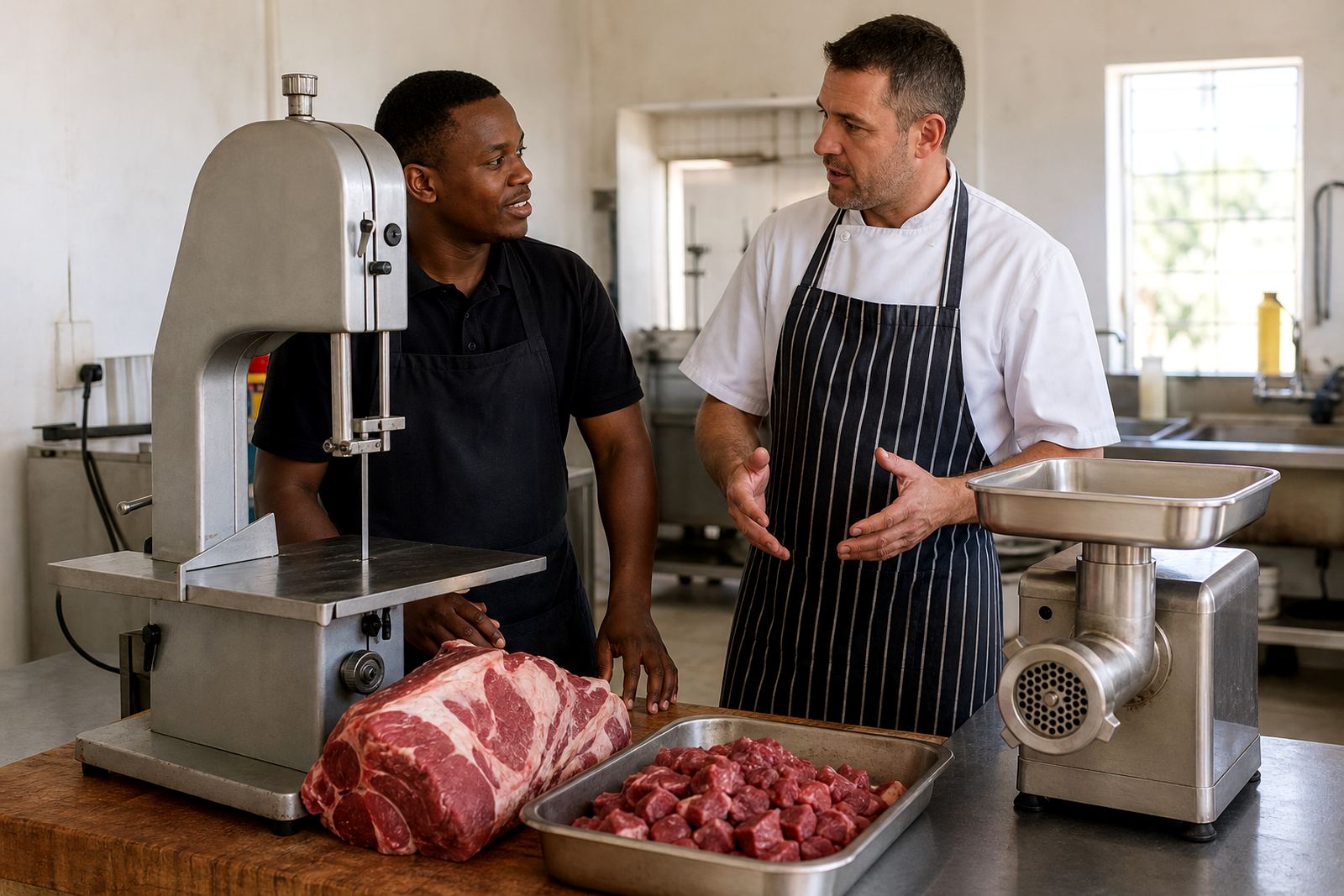
The pages in this hub are based on the kind of support MorCut Butchery provides from Hamilton in Bloemfontein. Pieter Johannes van Rensburg leads the business, with help from Lerato Mokoena in sales, Willem Jacobus Smit in service coordination, Ayanda Khumalo in customer support, Morne du Plessis in the workshop, Naledi Sekgobela in parts and logistics, and Themba Dlamini in training.
That mix of sales, service, parts and training matters because butcher equipment is not only about the machine itself. It is about delivery, setup, blade replacement, plate and knife change, servicing, breakdown callouts and the small practical checks that keep the room moving. Clients reach us through the enquiry form on our contact page, which keeps the process clear and easy to track.
Browse The Stories And Compare Your Setup
Use the stories as a guide, then compare them to your own room, your cleaning routine and your trading pattern. If you are in Bloemfontein Supply, Johannesburg Delivery, Pretoria Delivery, Durban Delivery, Cape Town Delivery, Kimberley Supply, Welkom Supply or Kroonstad Supply, the same simple approach applies: match the machine to the job, then make sure servicing is easy to manage.
These pages are meant to help you choose with confidence, not to overload you with technical detail. If a story sounds close to your setup, it is a good sign you are looking at the right kind of support.