

Start With the Day Before, Not the Rush Hour
Busy day planning starts before the first customer walks in. If you wait until the queue is already building, small delays in cleaning, blade changes or product prep can turn into lost time and unnecessary stress. In a butchery, the equipment should be checked while the shop is still quiet, with clear roles for who starts the bandsaw, who checks the mincer, and who handles cleaning points during the day.
For shops in Bloemfontein, especially when weekend trade picks up or month-end demand rises, the difference is often in the basics. A clean work area, a ready feed tray, sharp cutting parts and enough packaging on hand can save a lot of running around later. The same applies to home butchers who are processing meat for family events or small private orders.
- Switch on and test equipment early, before customers arrive.
- Check guards, switches and cables for visible wear.
- Keep cleaning cloths, sanitiser and spare PPE ready at the start of the shift.
- Assign one person to watch stock movement so the prep area does not get crowded.
Keep Bandsaws and Mincers Set for Fast, Safe Work
When demand is high, operators often push harder and move faster. That is exactly when a bandsaw or mincer needs to be in proper working order. A well cared for machine is easier to control, gives a cleaner result and reduces the risk of stoppages during the busiest part of the day. Good care does not mean complicated routines. It means keeping moving parts clean, checking for unusual noise, and stopping work if anything feels off.
Safety must stay part of the routine, even when the queue is long. Use the correct guards, keep hands clear of cutting areas and make sure operators wear the right PPE for the task. If a blade, plate or knife is dull, replace it before it starts slowing the line down. For a busy shop, one small delay can back up the whole prep table and affect service at the counter.
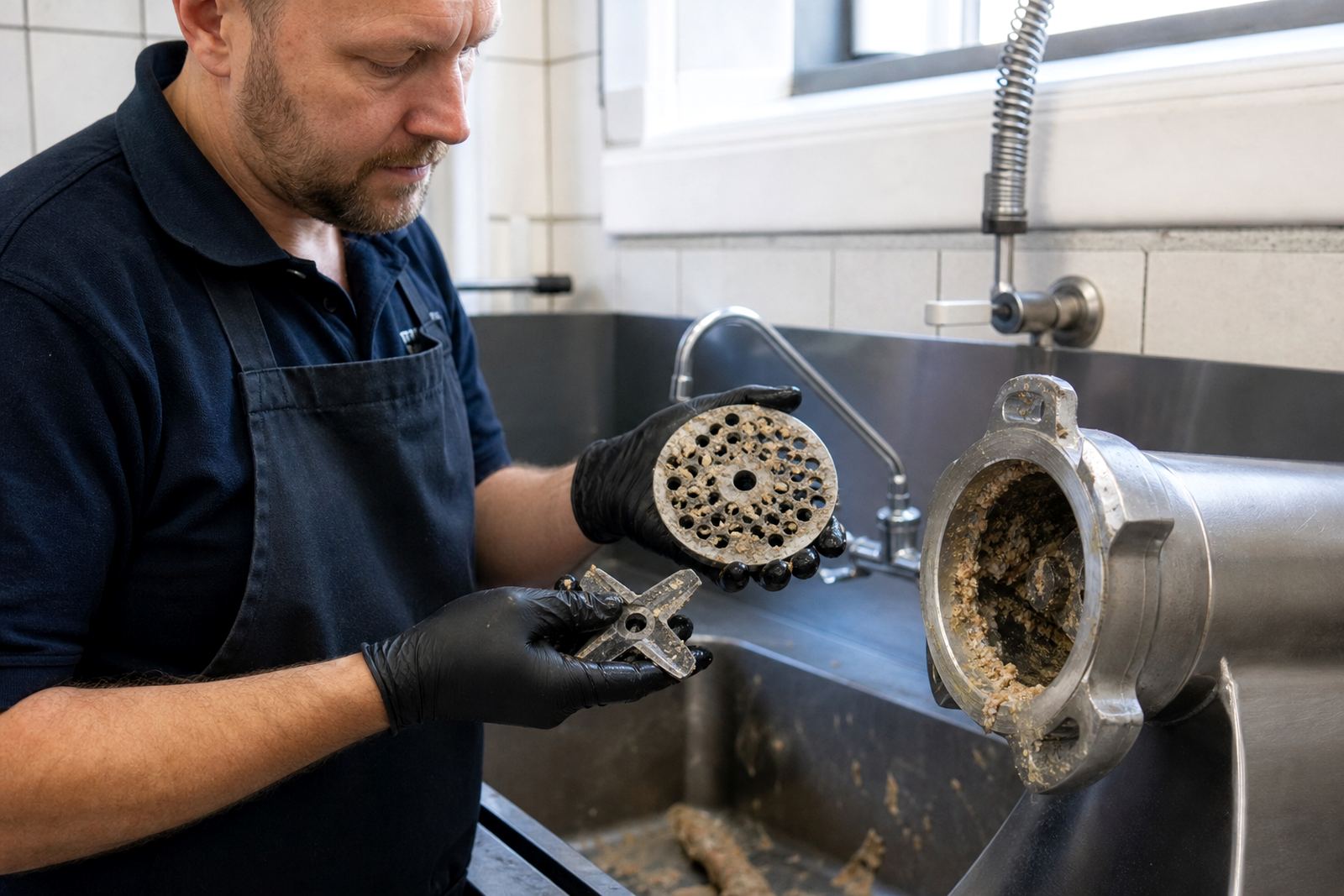
- Clean equipment between batches so residue does not build up.
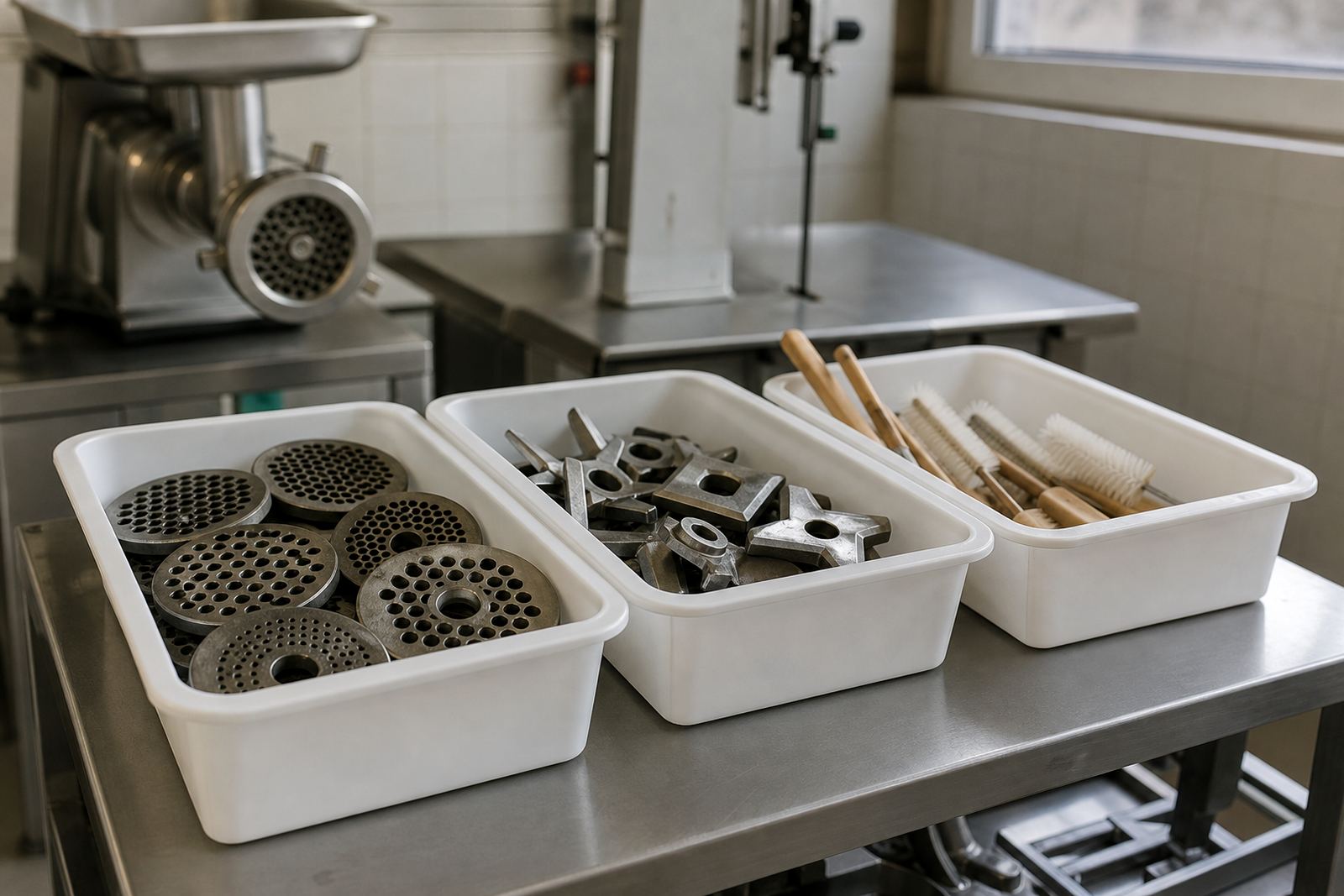
- Inspect blades, plates and knives before the busiest trading window.
- Do not bypass guards to save time.
- Stop and isolate the machine before any cleaning or part change.
Match Stock Levels to the Trading Pattern
Not every busy day looks the same. A butcher near a school or taxi route may face a different rush from one serving weekend braai customers or small retailers. That is why stock planning should follow the way the shop actually trades. If your mincer is handling more mince, sausage or burger prep than usual, keep enough meat ready for staging, but do not overload the workflow. If the bandsaw is cutting larger portions, make sure the receiving area has space for the next batch.
In Bloemfontein and nearby towns, power interruptions and load shedding can also affect timing. If there is a chance that prep will be interrupted, plan the most urgent work first and keep the rest in a sensible order. That way you are not left with half finished batches and staff waiting around. Simple planning keeps the operation moving without waste.
- Prepare the cuts that move fastest first.
- Keep an eye on ice, chilled storage and door opening times.
- Separate prep for retail counter stock from bulk order work.
- Set aside time for a mid shift clean-up if the day is expected to run long.
Use Maintenance as Part of the Daily Routine
Preventive maintenance is not only for large processing rooms. A small home butcher or a busy family-run shop can both benefit from regular checks. It is easier to handle a worn part or a blade change on a quiet afternoon than during a Saturday rush. Routine servicing also helps spot issues before they become breakdowns that affect trade.
A practical schedule should cover cleaning demonstrations, operator training, and a quick check of parts that see constant wear. If the machine has been making a different sound, taking longer to cut, or leaving a poor finish, it is worth looking at before the next busy period. This kind of attention is especially useful in places like Kimberley, Welkom and Kroonstad where shops may depend on a narrow trading window and need steady throughput when customers arrive.
- Book servicing before known peak periods, not after problems start.
- Record when blades, plates and knives were last changed.
- Keep spare parts on hand for commonly used equipment.
- Use one person to note faults so the same issue is not repeated.
Plan Around Staff, Not Just Machines
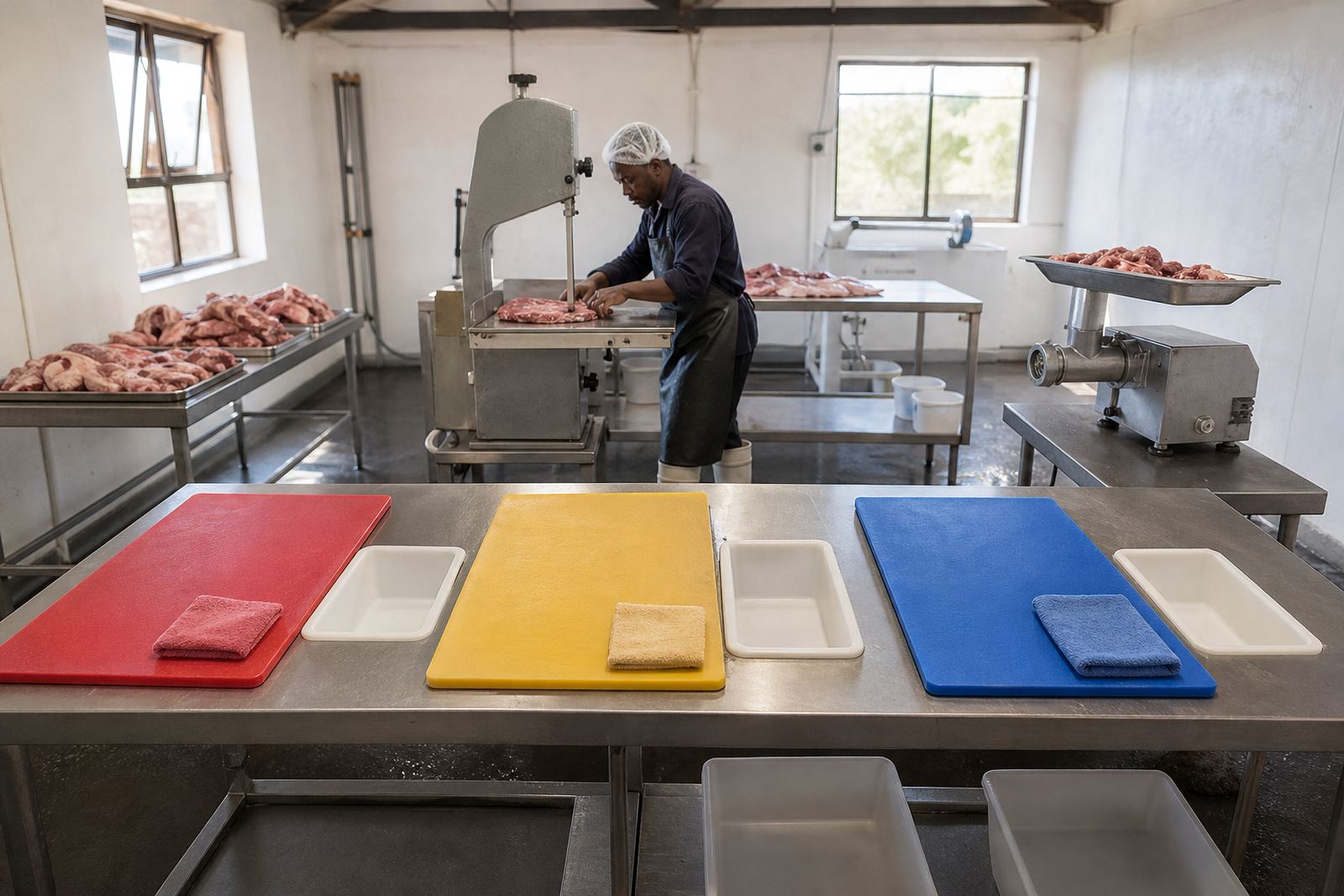
Even a good machine cannot fix a poor setup. On a busy day, the people operating the equipment need clear instructions and enough space to work properly. That includes where raw product enters, where finished portions are placed, and who is responsible for cleaning between tasks. When everyone knows the order of work, the shop avoids confusion and wasted movement.
Training matters just as much as the equipment itself. A staff member who knows how to load a mincer correctly, or when to call for a blade replacement, can help the whole operation run better. The same goes for a bandsaw operator who understands the importance of guards and safe feeding practice. At MorCut Butchery, support often starts with practical guidance, not fancy talk, because that is what helps on a real trading floor.
- Keep job roles clear during the busiest hours.
- Train new staff before they are left on their own with equipment.
- Rotate cleaning and prep duties so no one person is overloaded.
- Make sure everyone knows when to stop and report a fault.
A Bloemfontein Example That Holds Up on a Saturday
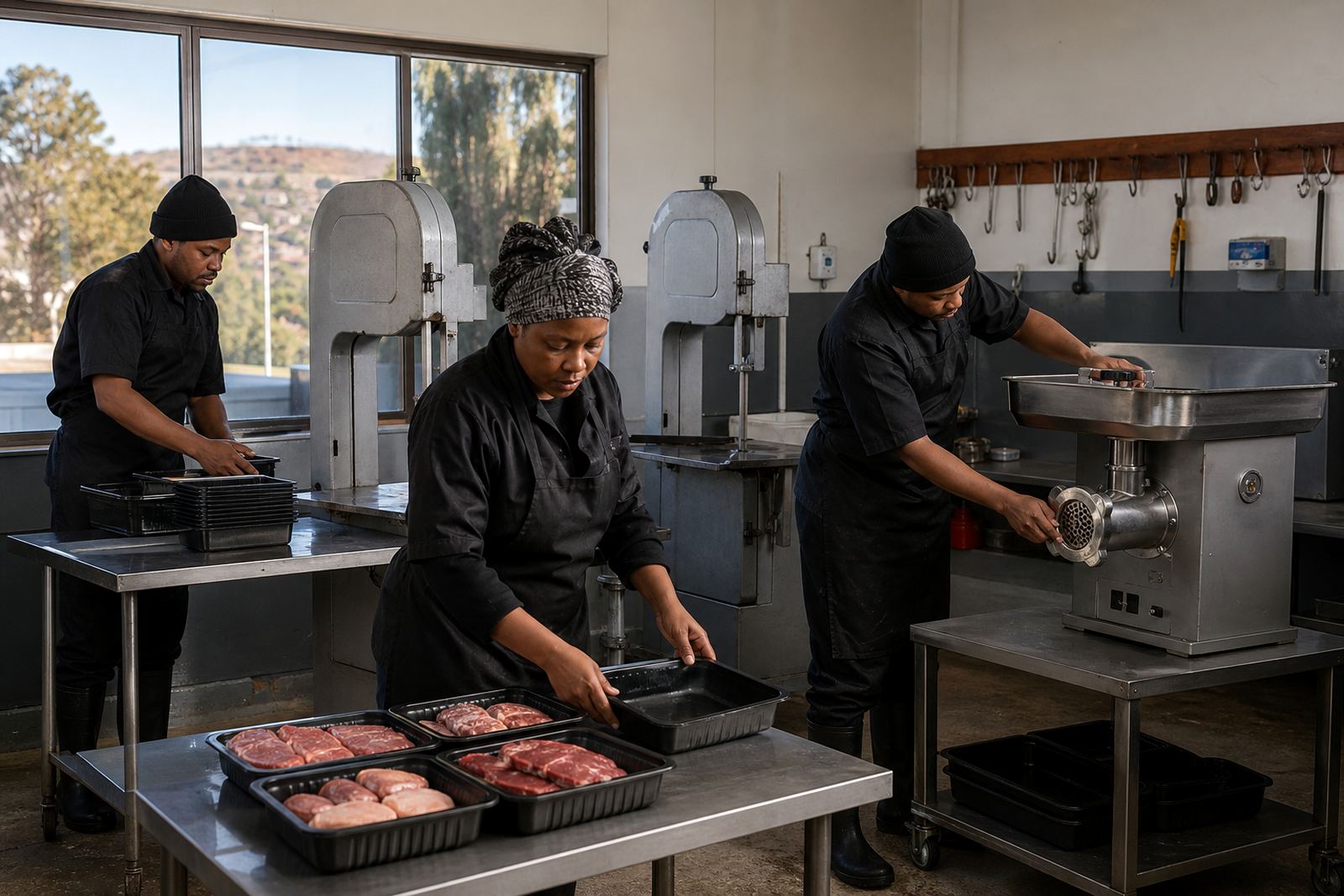
Picture a butchery in Hamilton, Bloemfontein, heading into a Saturday morning rush. Orders for mince, mixed cuts and bulk packs all come in close together. If the bandsaw has been checked the day before, the mincer has a clean feed area, and the team already knows who handles packing and who handles cleaning, the shop can keep serving without constant interruptions. Delivery and setup support can also help local shops prepare before trade starts, rather than trying to sort out problems in the middle of the queue.
That same practical planning works for Johannesburg, Pretoria, Durban and Cape Town too, where trading patterns may differ but the pressure on equipment is the same. A straightforward system, backed by servicing and parts supply, gives commercial and home butchers a better chance of getting through the day without avoidable downtime.
- Review the next day’s orders before closing time.
- Keep a quick fault log for both bandsaw and mincer work.
- Arrange servicing when the shop is quiet enough to spare the machine.
- Use local delivery and support to reduce last minute disruption.