

When a bandsaw makes sense in a butchery
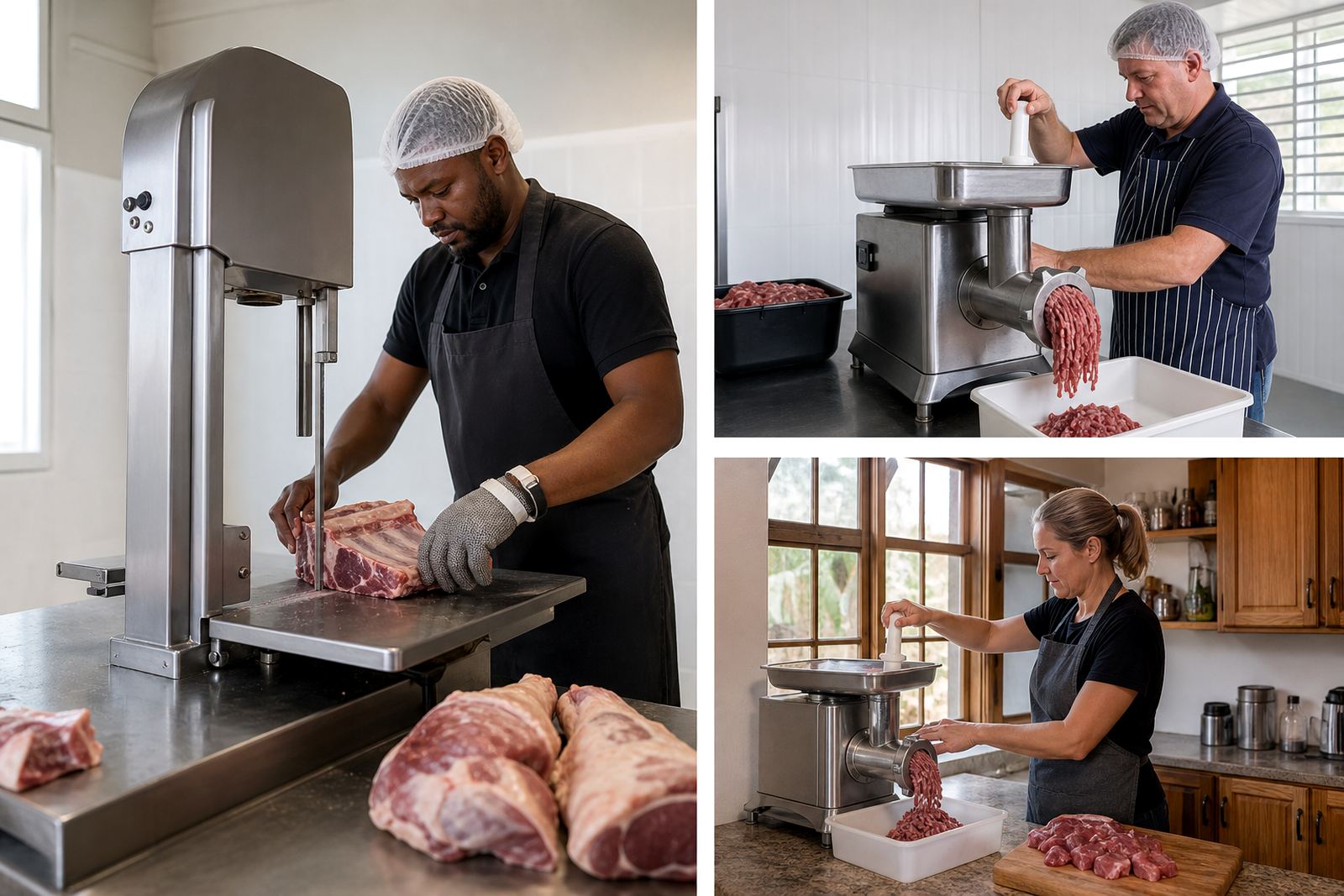
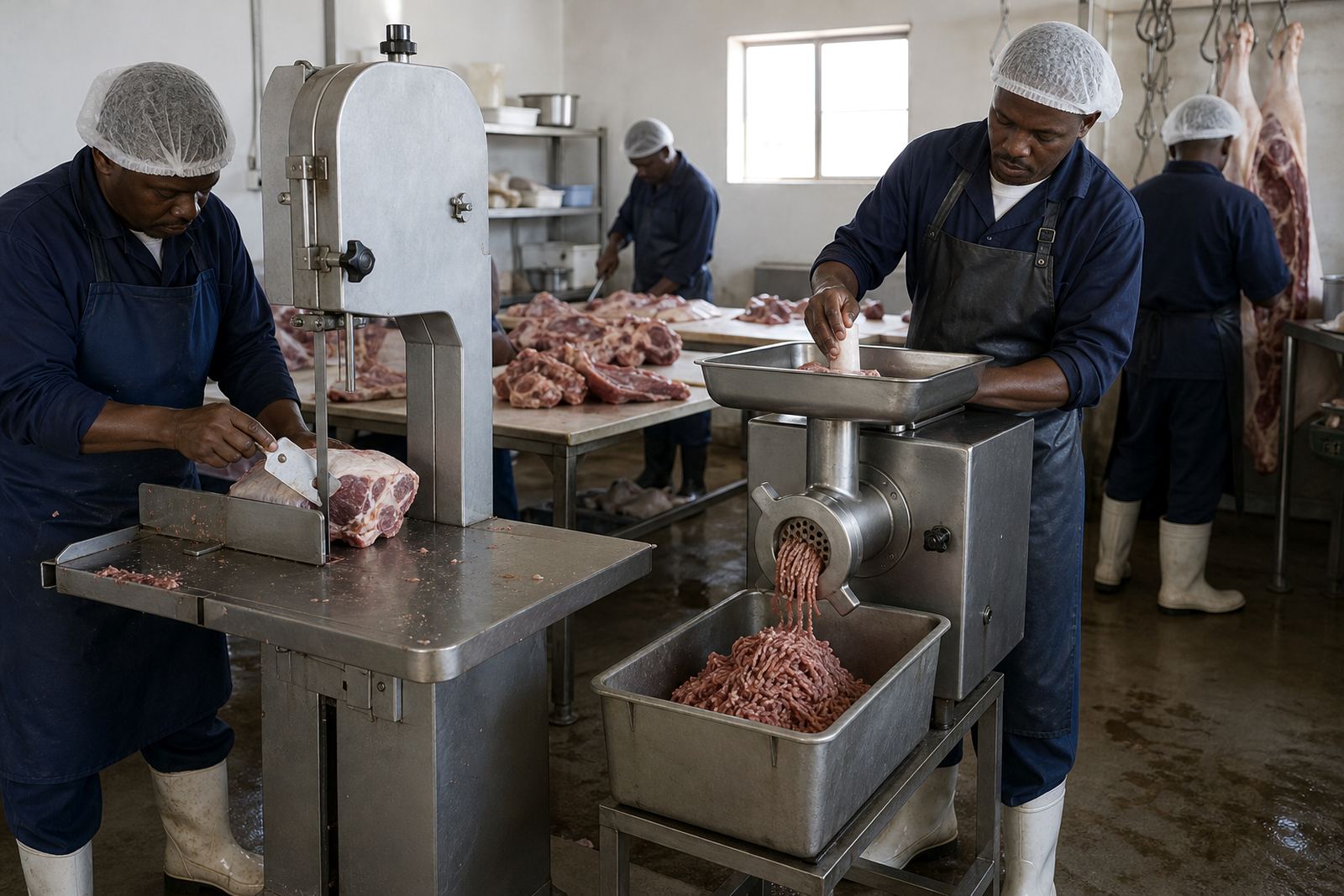
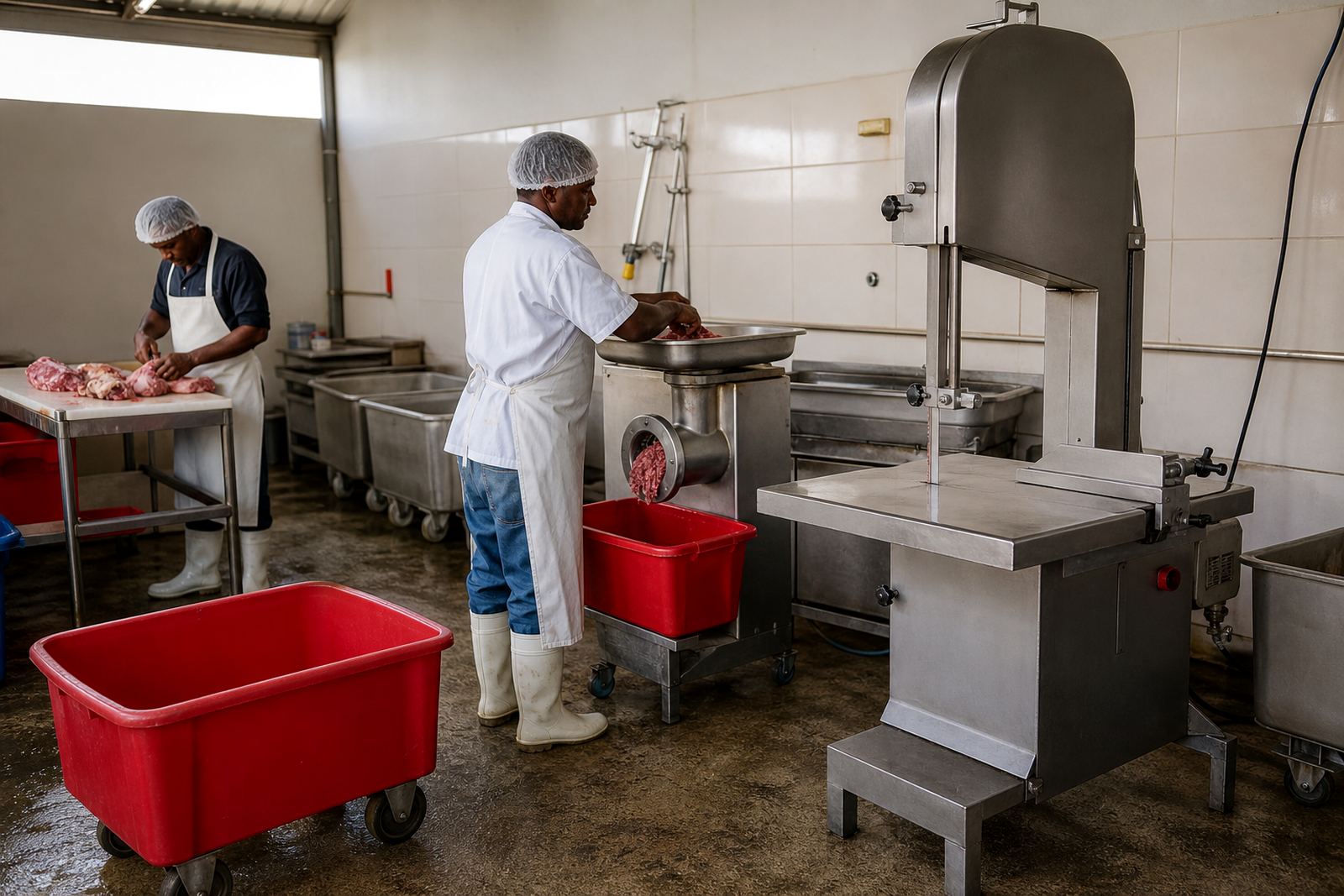
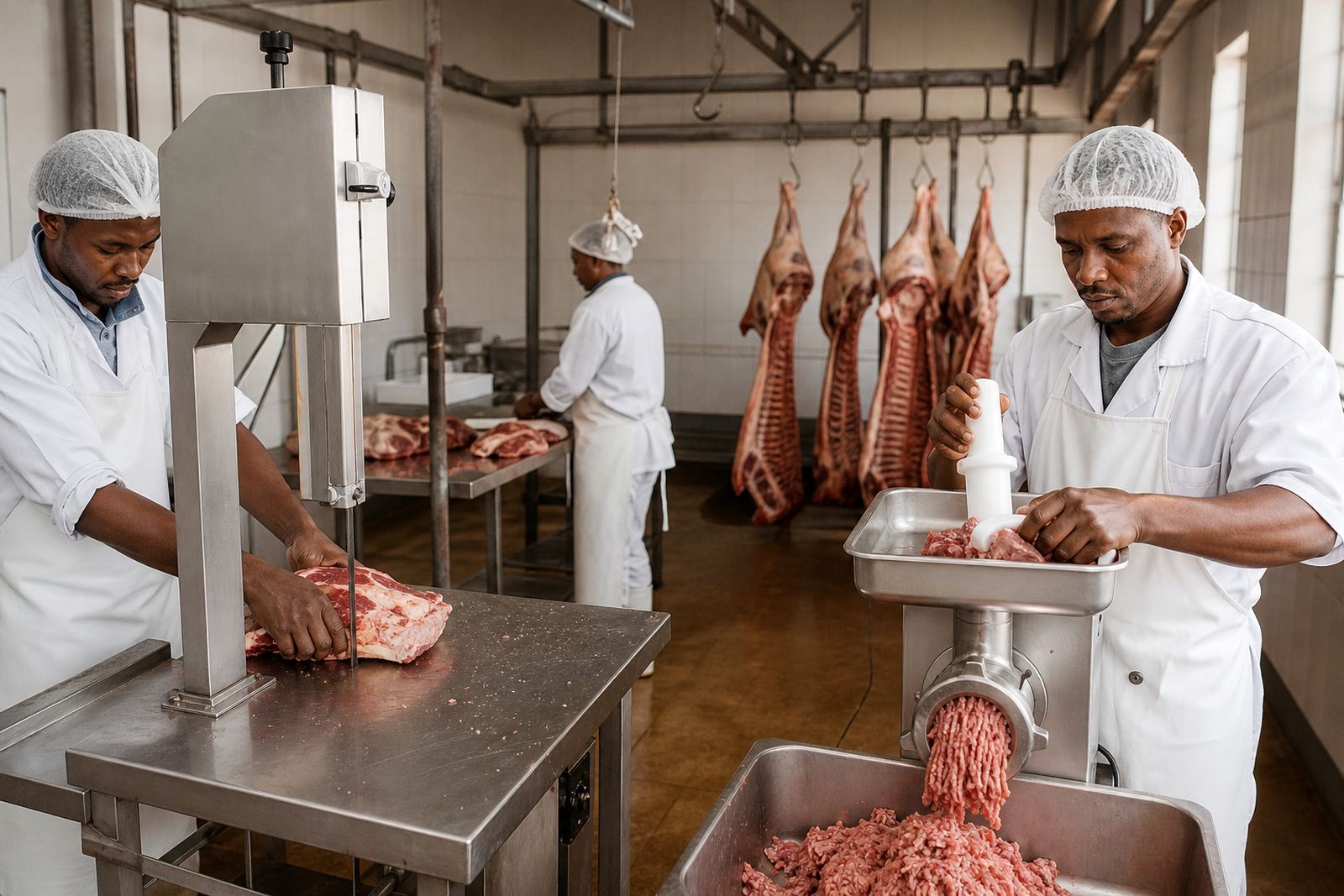
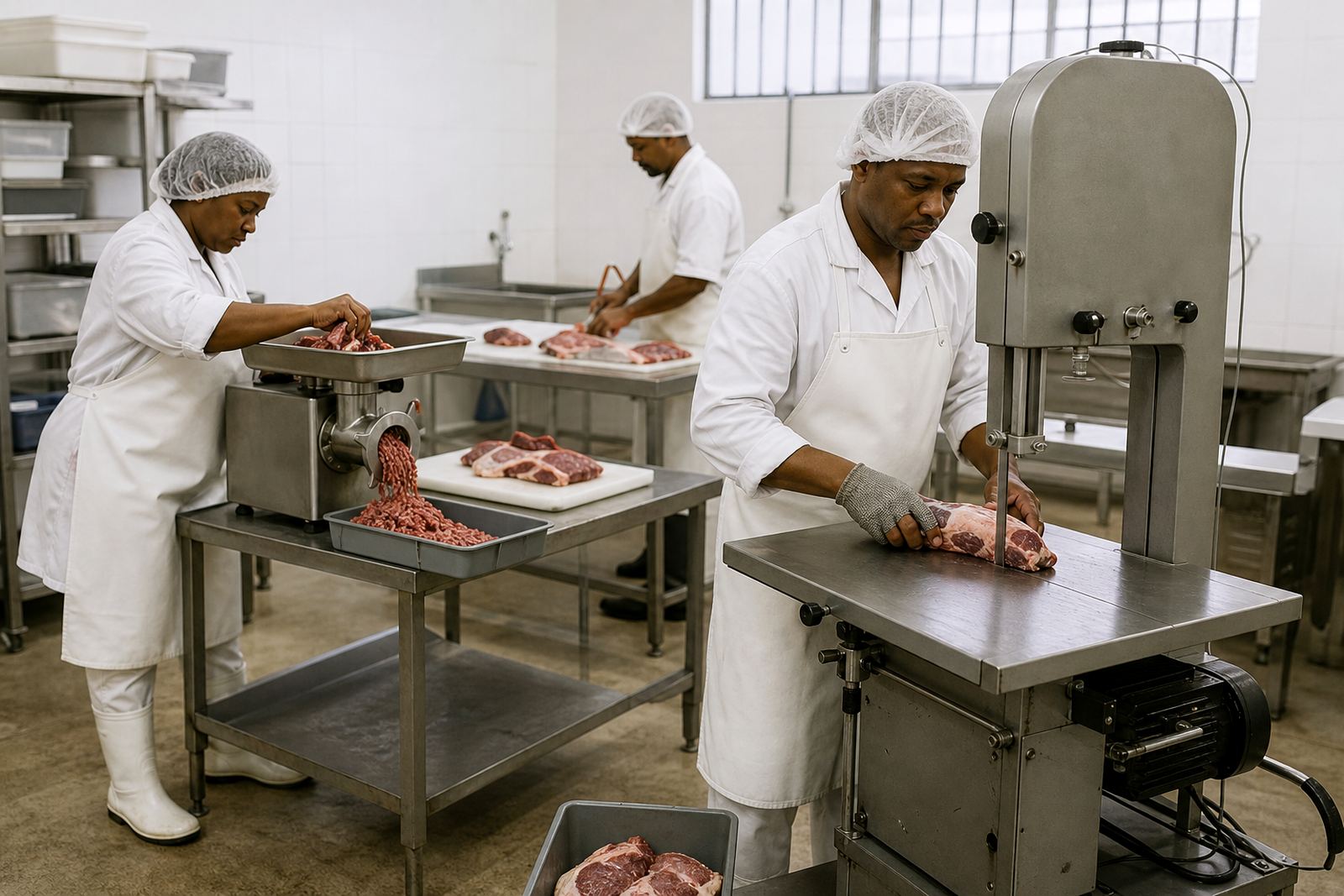
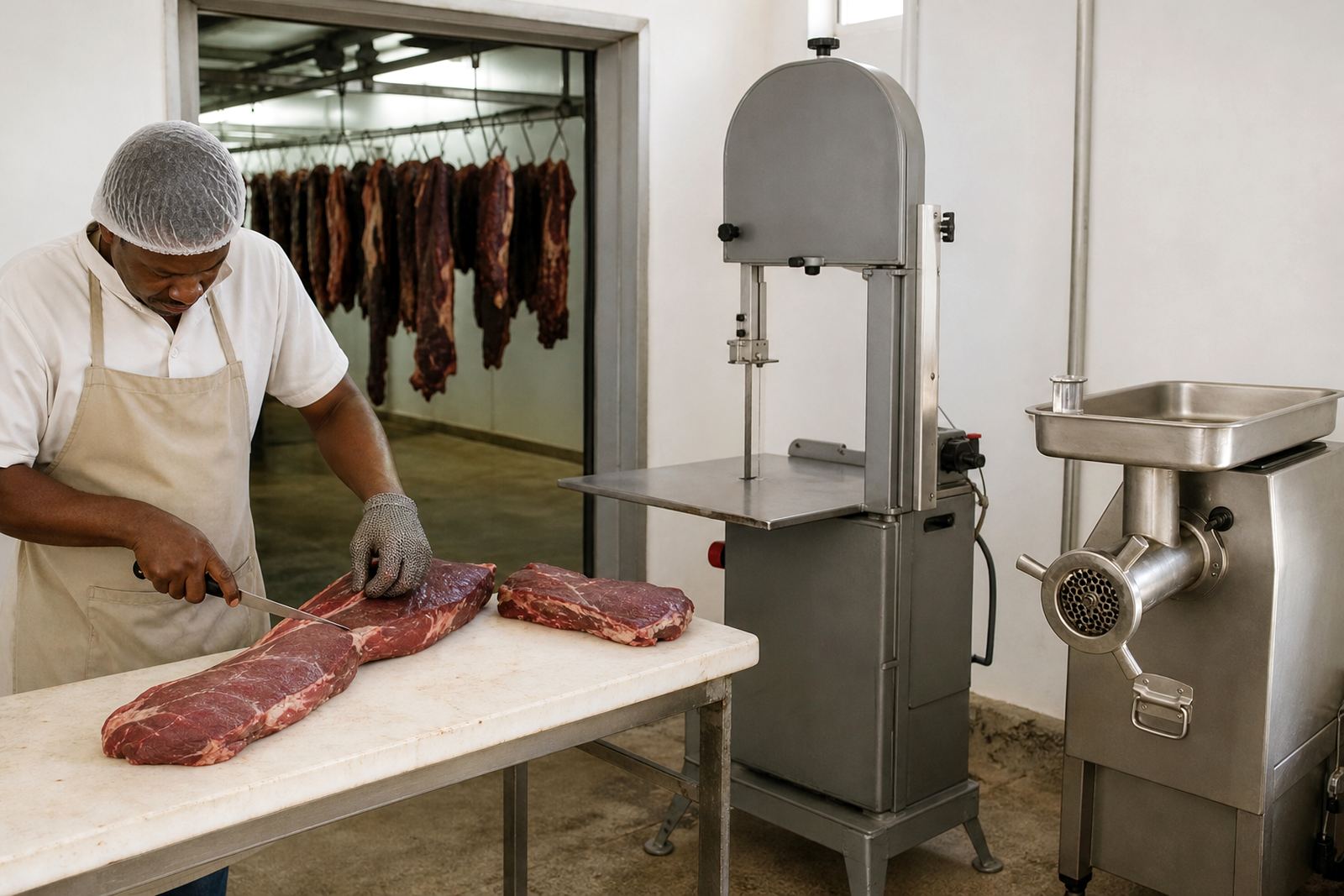
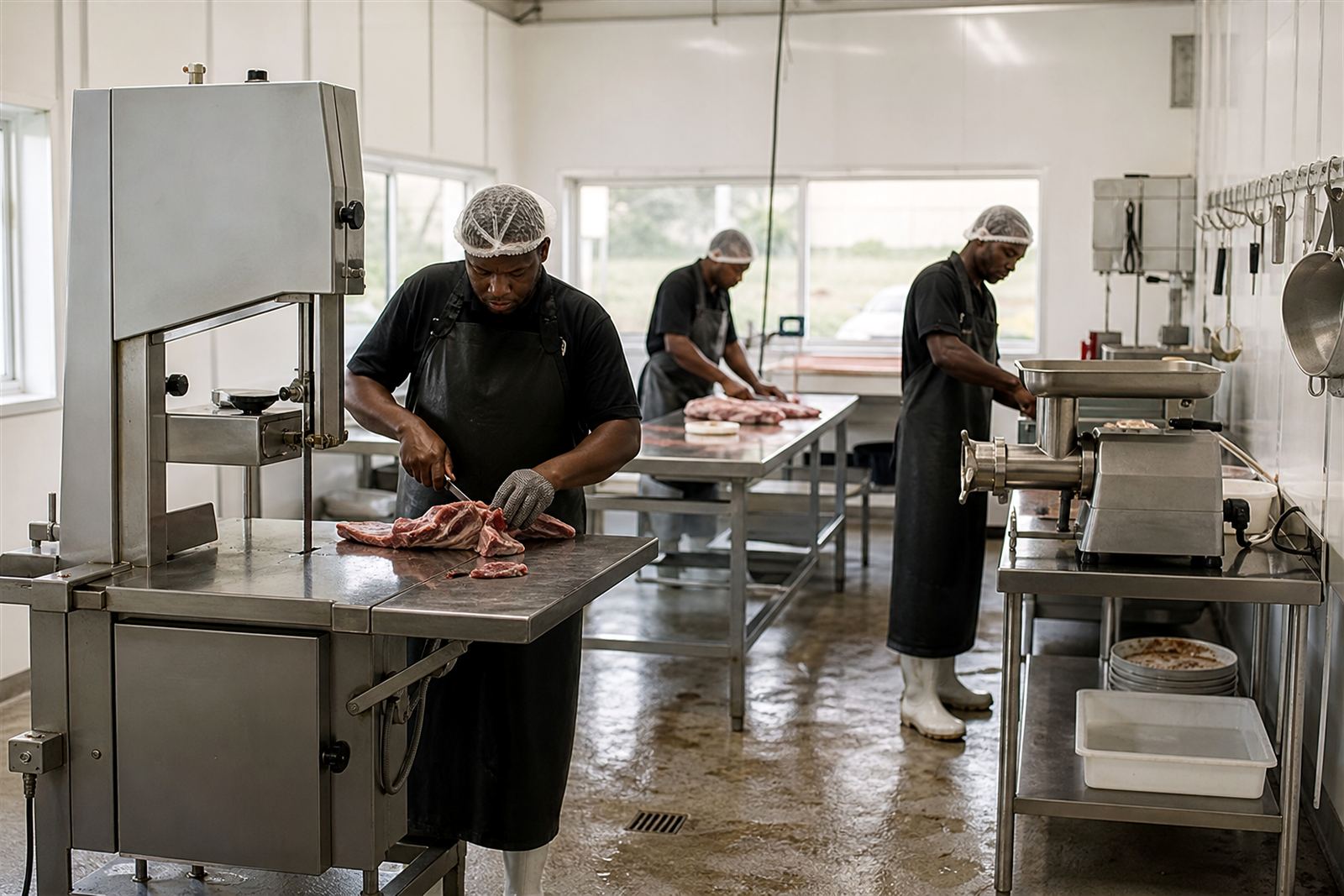
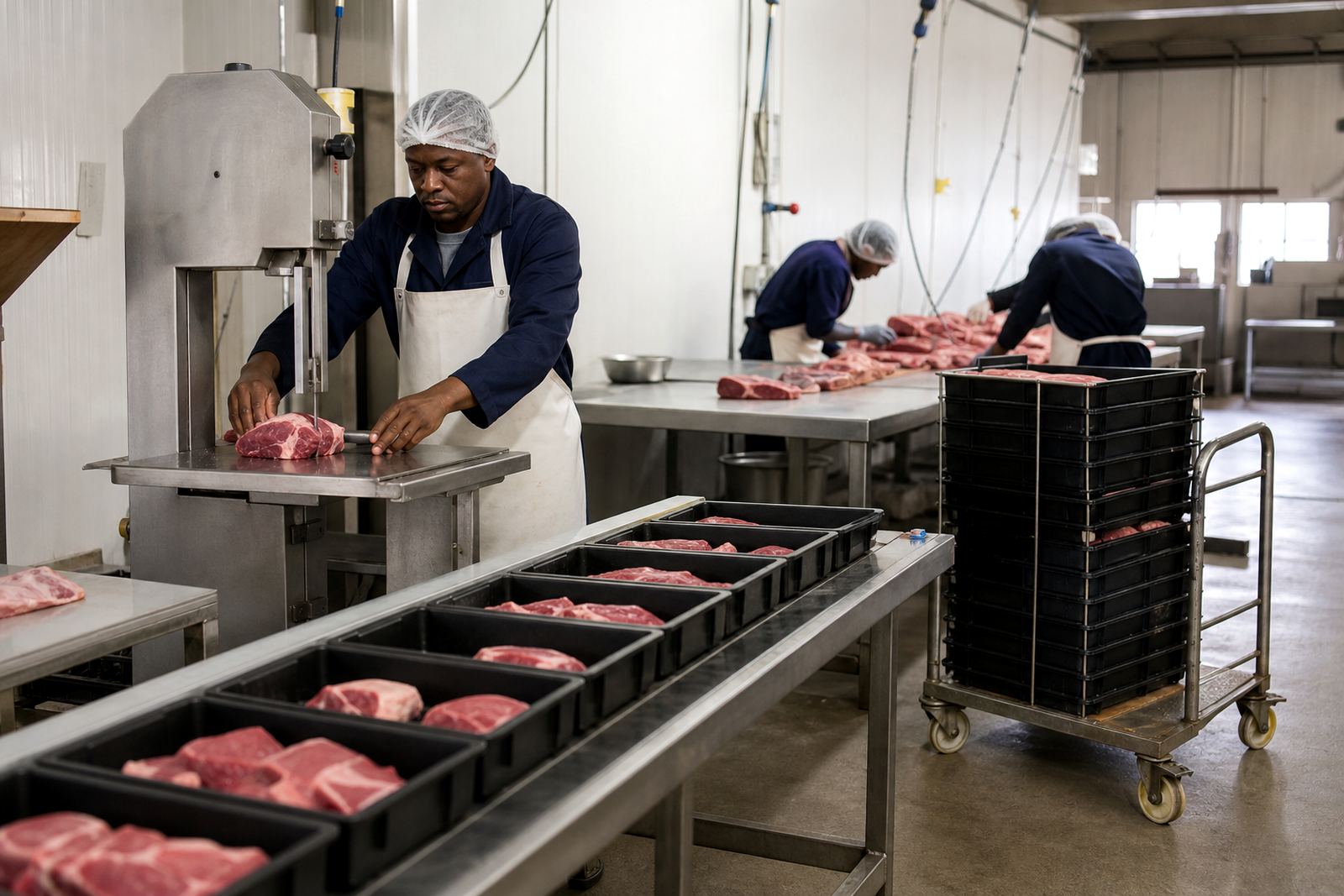
A butchery bandsaw is used where clean, controlled cutting matters and where larger pieces need to be portioned safely and consistently. It helps with carcass breakdown, cutting frozen or chilled meat, and handling bone-in work that would be slow or uneven by hand.
For many operators in Bloemfontein, Johannesburg, Pretoria, Durban and Cape Town, the decision comes down to volume, available floor space and how often the saw will be used during the day. A small home butcher may need a straightforward unit for weekend prep, while a commercial shop may need something that stands up to regular use and simple cleaning at closing time.
- Use a bandsaw for larger cuts, bone-in portions and repeat cutting work.
- Keep the blade guard in place and check it before each shift.
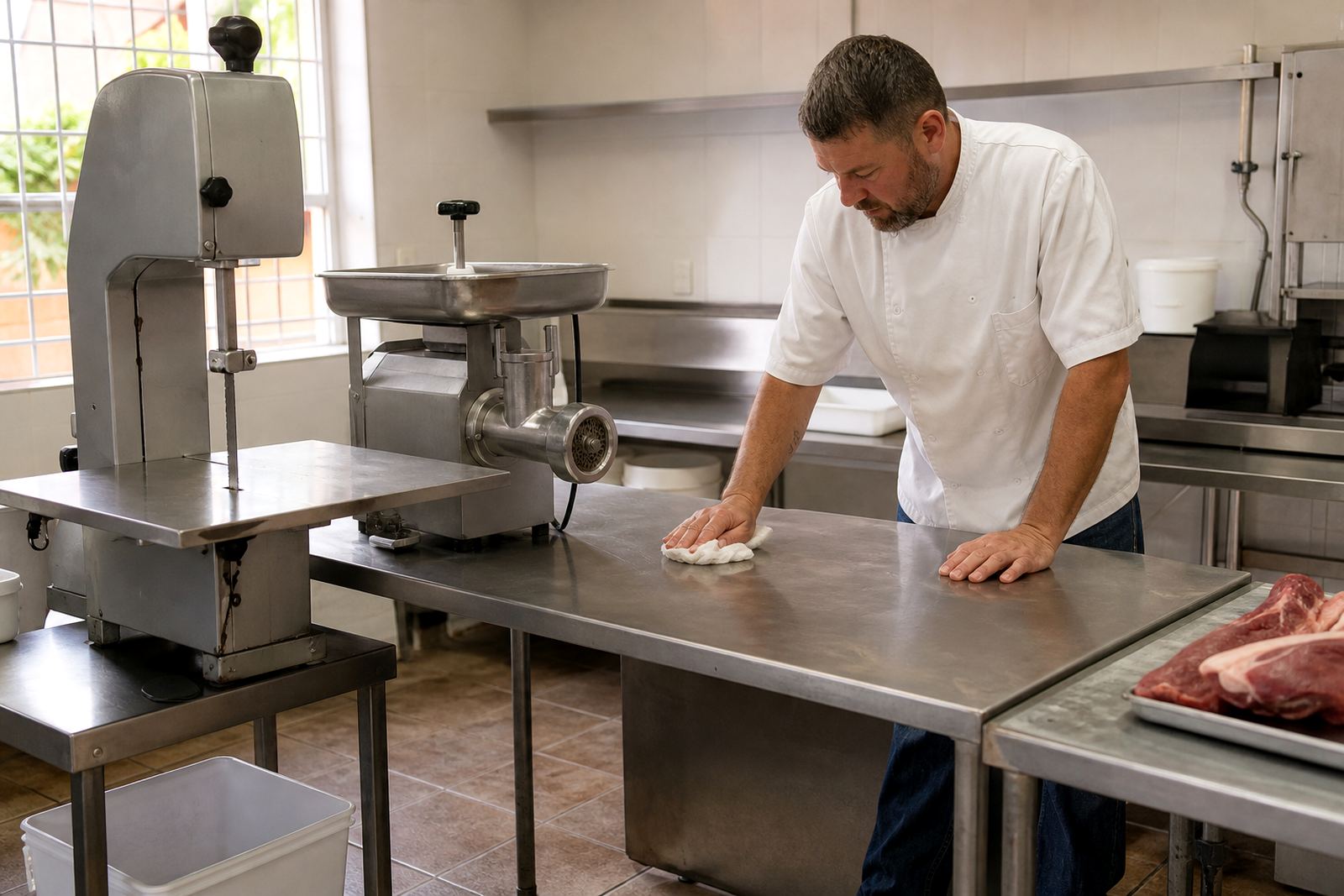
- Clean down after use so fat and meat residue do not build up.
- Allow for enough bench space, safe footing and easy access for servicing.
How mincers support fresh mince and prepared products
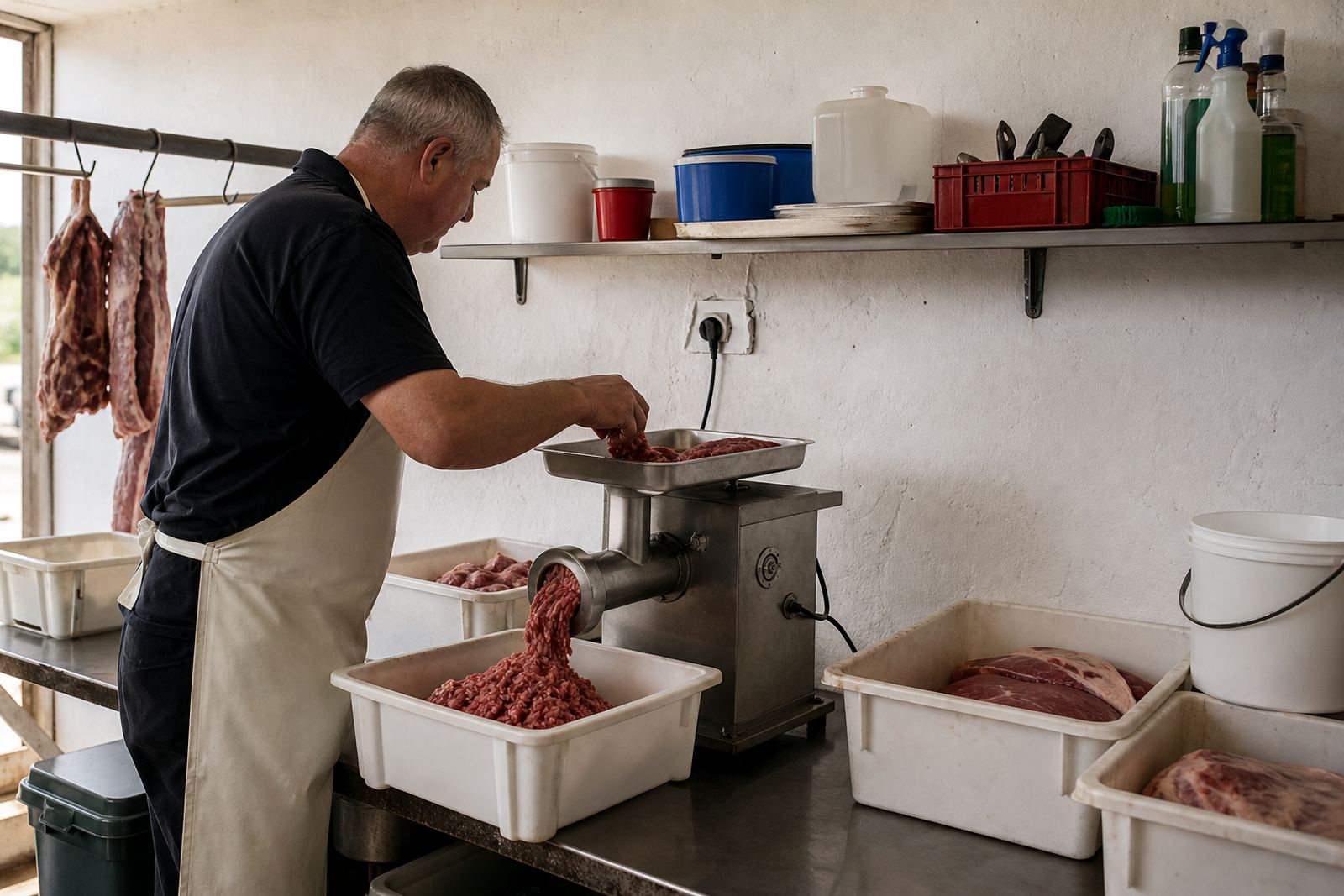
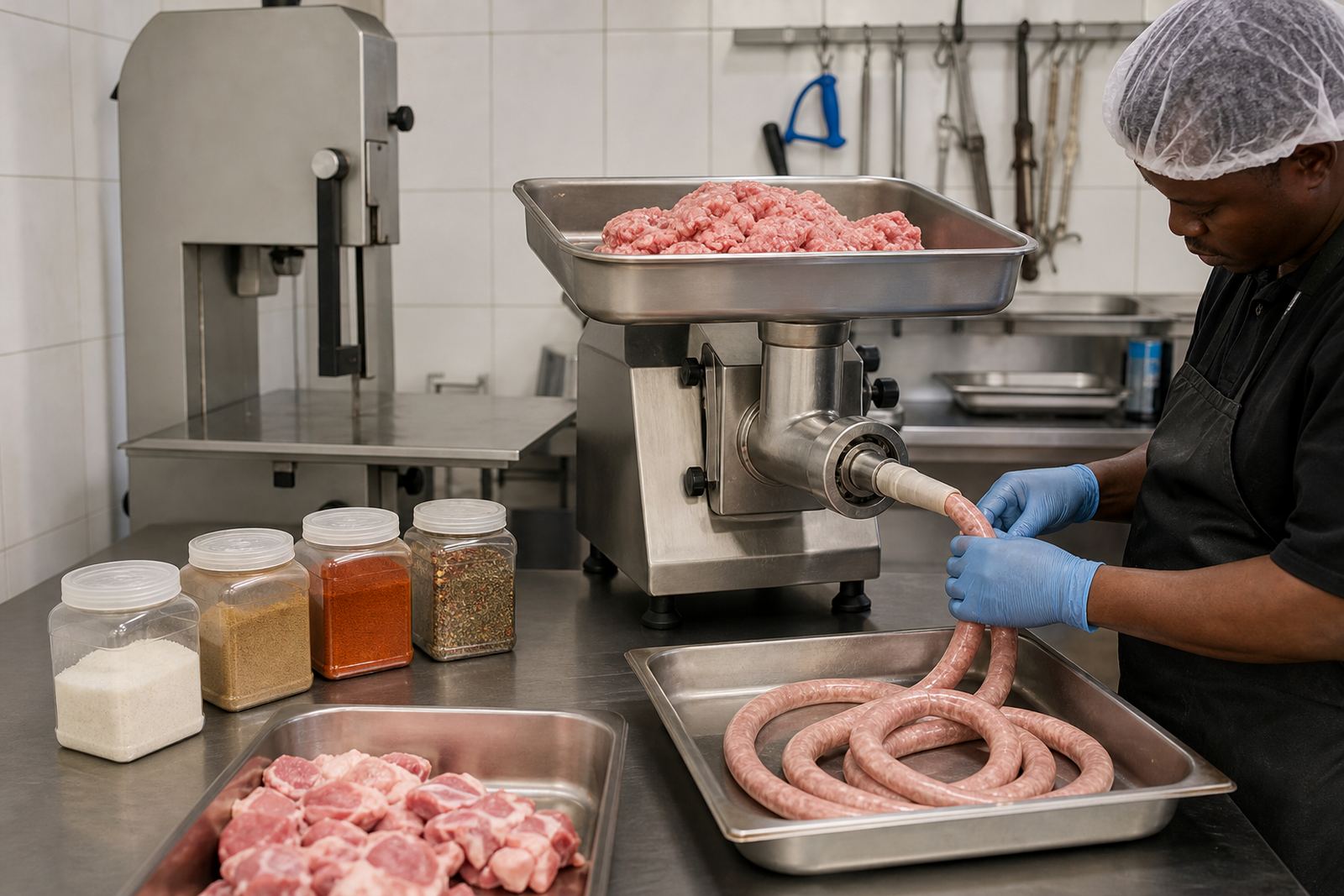
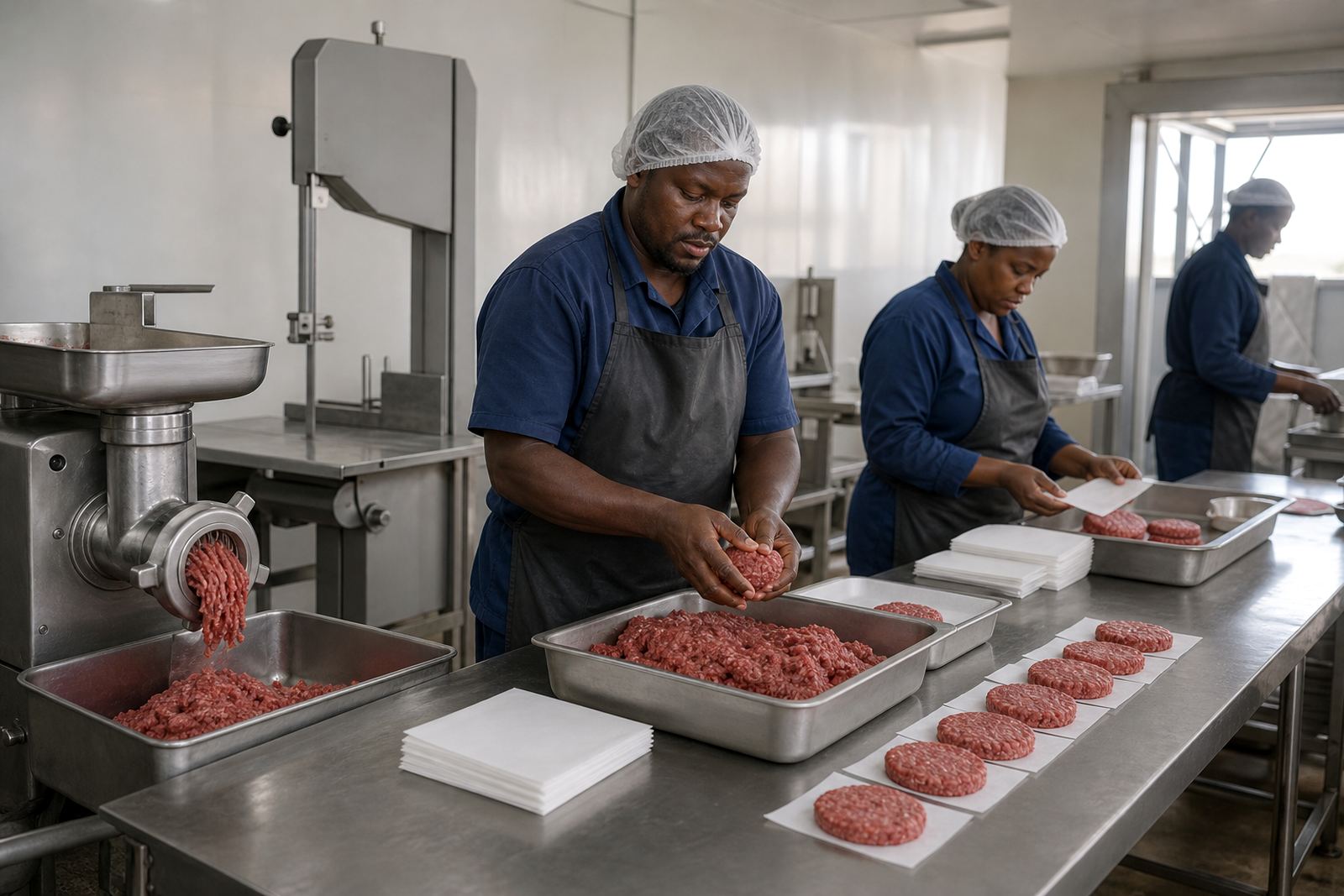
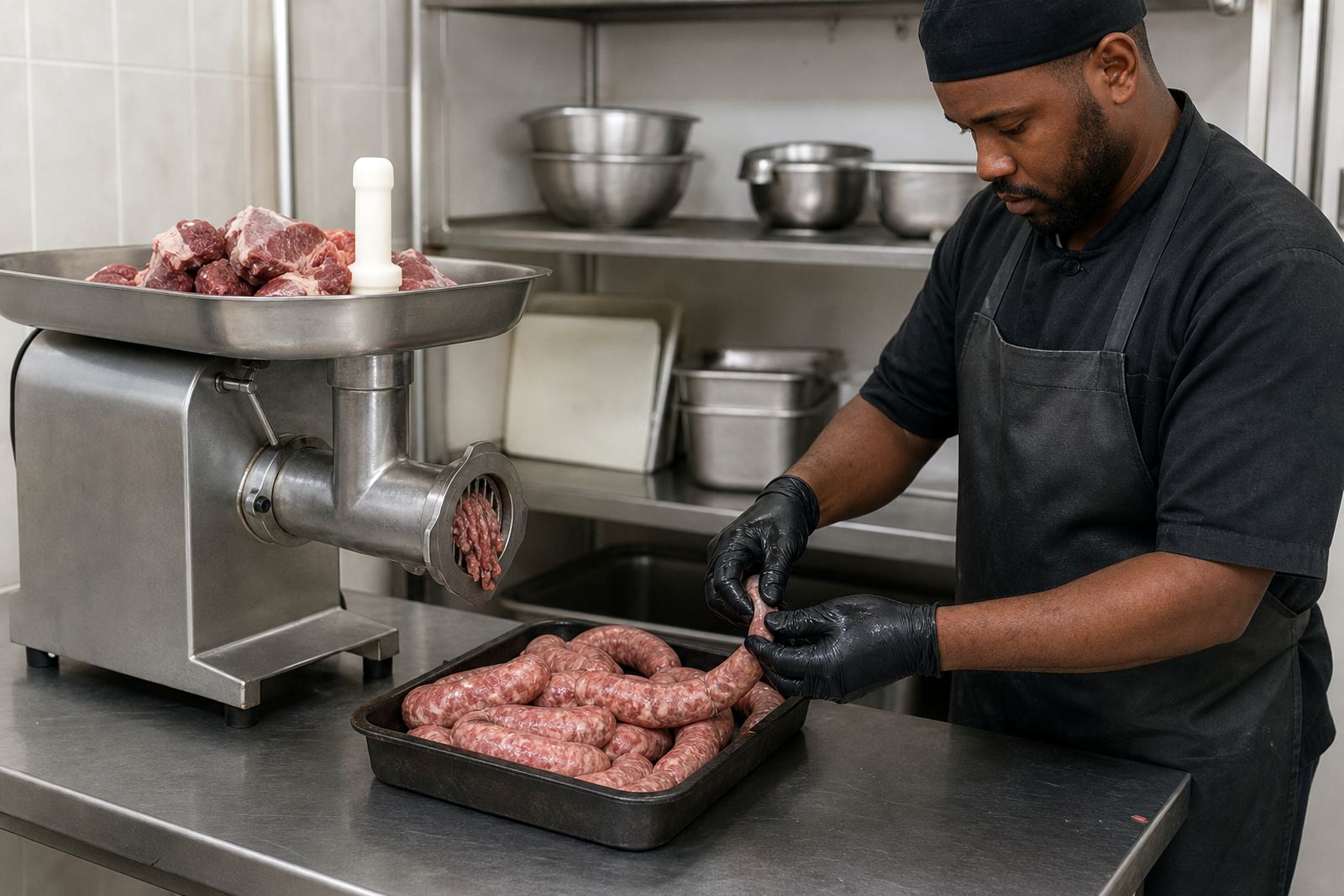
Mincers are essential where fresh mince is sold daily, especially in shops that also make patties, sausage fillings or spiced meat mixes. They are often the workhorse of the back area because customers expect a steady flow of fresh product, not a once-off batch that sits too long.
In Free State conditions, and in coastal areas where humidity can be higher, good cleaning routines matter even more. Product changeovers should be managed carefully, with tools washed, dried and stored properly between runs. If a site also deals with load-shedding, operators need a plan for safe shutdown, product handling and restarting work without rushing.
- Choose a mincer based on daily output and the types of products you prepare.
- Keep plates and knives sharp and in good condition for cleaner results.
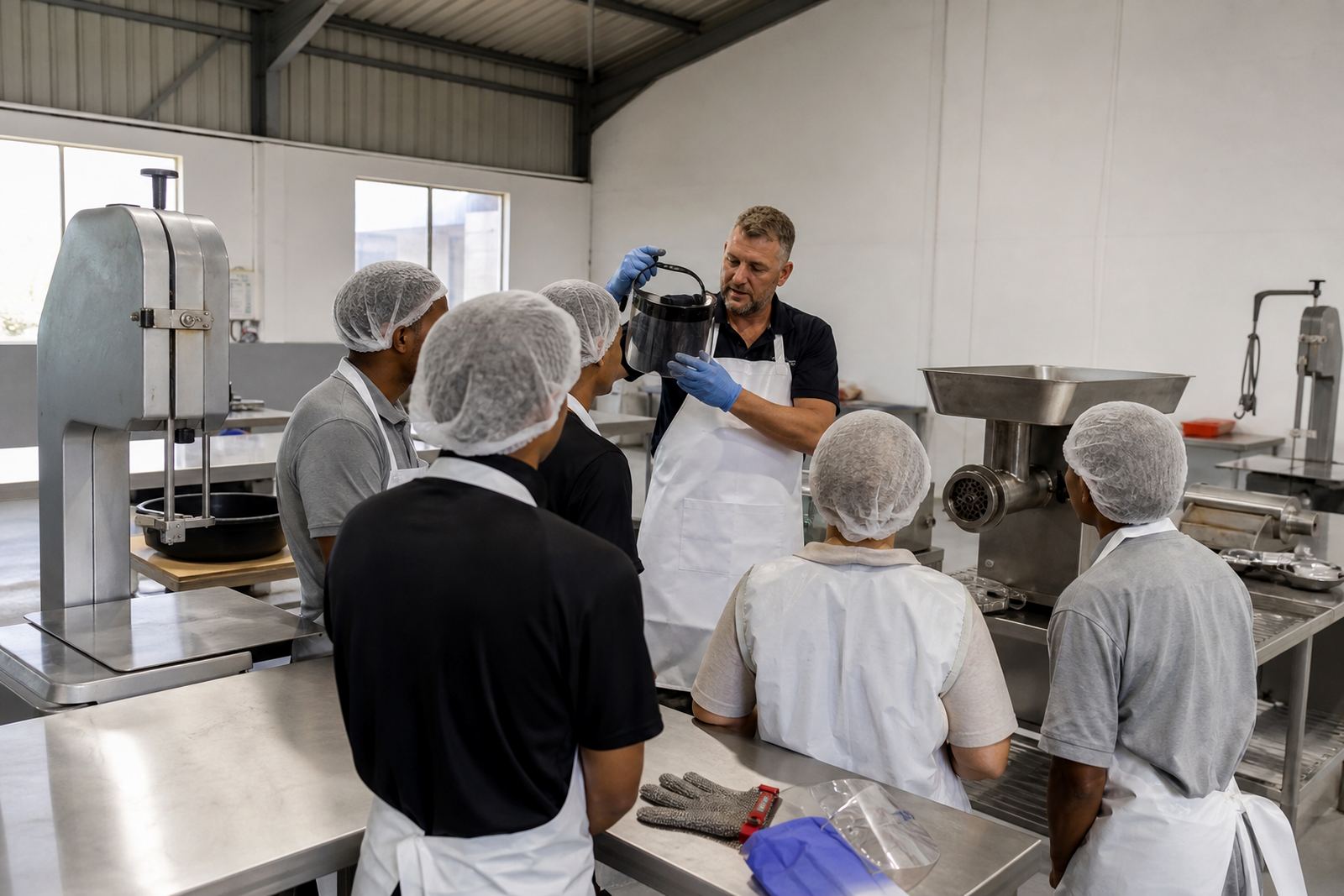
- Wear proper PPE and keep hands clear of the feed area.
- Do not leave meat in the machine longer than needed between batches.
Matching equipment to the type of butcher
Not every butcher needs the same setup. A home butcher might want a compact bandsaw and a smaller mincer for family orders or side income. A neighbourhood shop may need both machines working through the week. A high-volume commercial operation will usually look at service intervals, parts access and ease of cleaning before anything else.
The most practical choice is the one that fits the work pattern, not just the price tag. It should also suit the available power supply, floor layout and how your team actually works. In towns such as Kimberley, Welkom and Kroonstad, that often means balancing daily use with simple servicing and quick setup.
- Home butchers: simple operation, compact footprint and easy cleaning.
- Retail shops: regular use, faster turnaround and stable service support.
- High-volume users: predictable maintenance, parts supply and breakdown response.
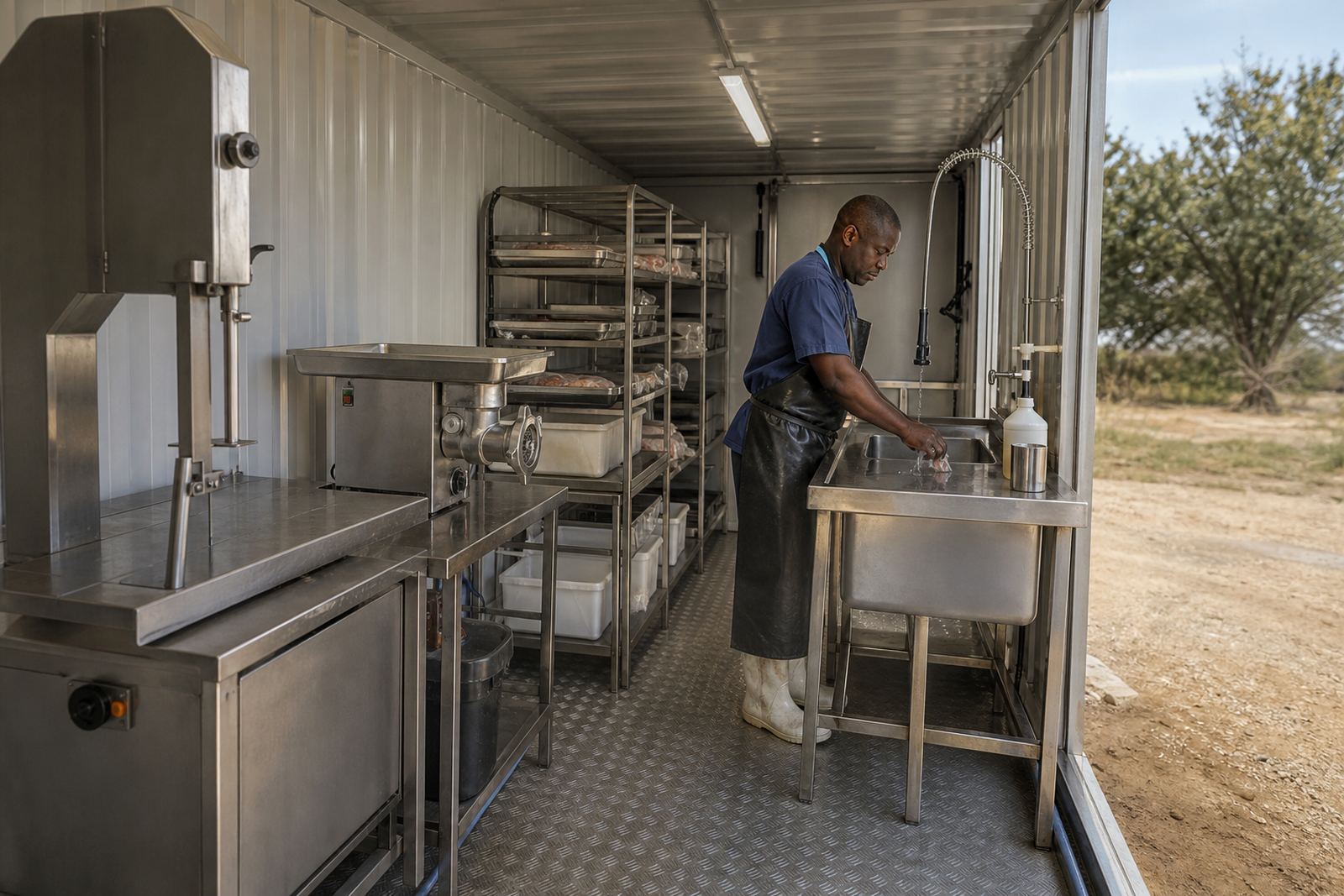
- Mobile or small-scale setups: equipment that can be handled safely and stored properly.
Safety and care on the cutting floor
Good equipment still needs good habits. Operators should always use guards, keep work areas clean and wear suitable PPE. Knives, blades and plates should be handled with care during cleaning, storage and changeovers, and no one should work around a machine if they have not been shown how it operates.
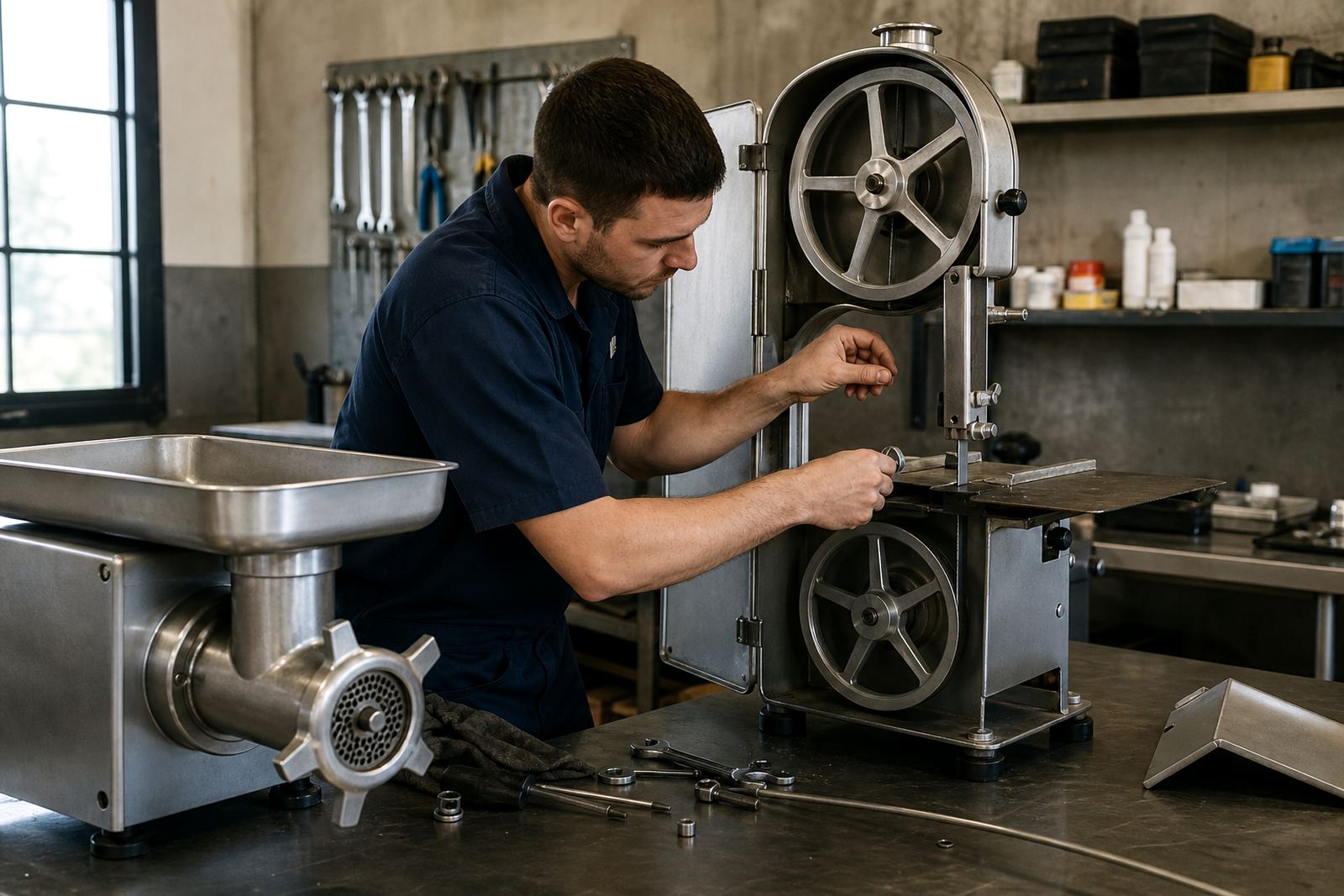
Regular care also helps the machine last longer and keeps the workplace easier to manage. A clean machine is easier to inspect, and small problems are simpler to spot before they turn into breakdowns. That is where preventive maintenance and proper training make a real difference.
- Switch off and isolate equipment before cleaning or changing parts.
- Inspect blades, plates, knives and guards before starting work.
- Keep floors dry to reduce slips around the prep area.
- Use only trained operators for setup and routine use.
Installation, servicing and breakdown support
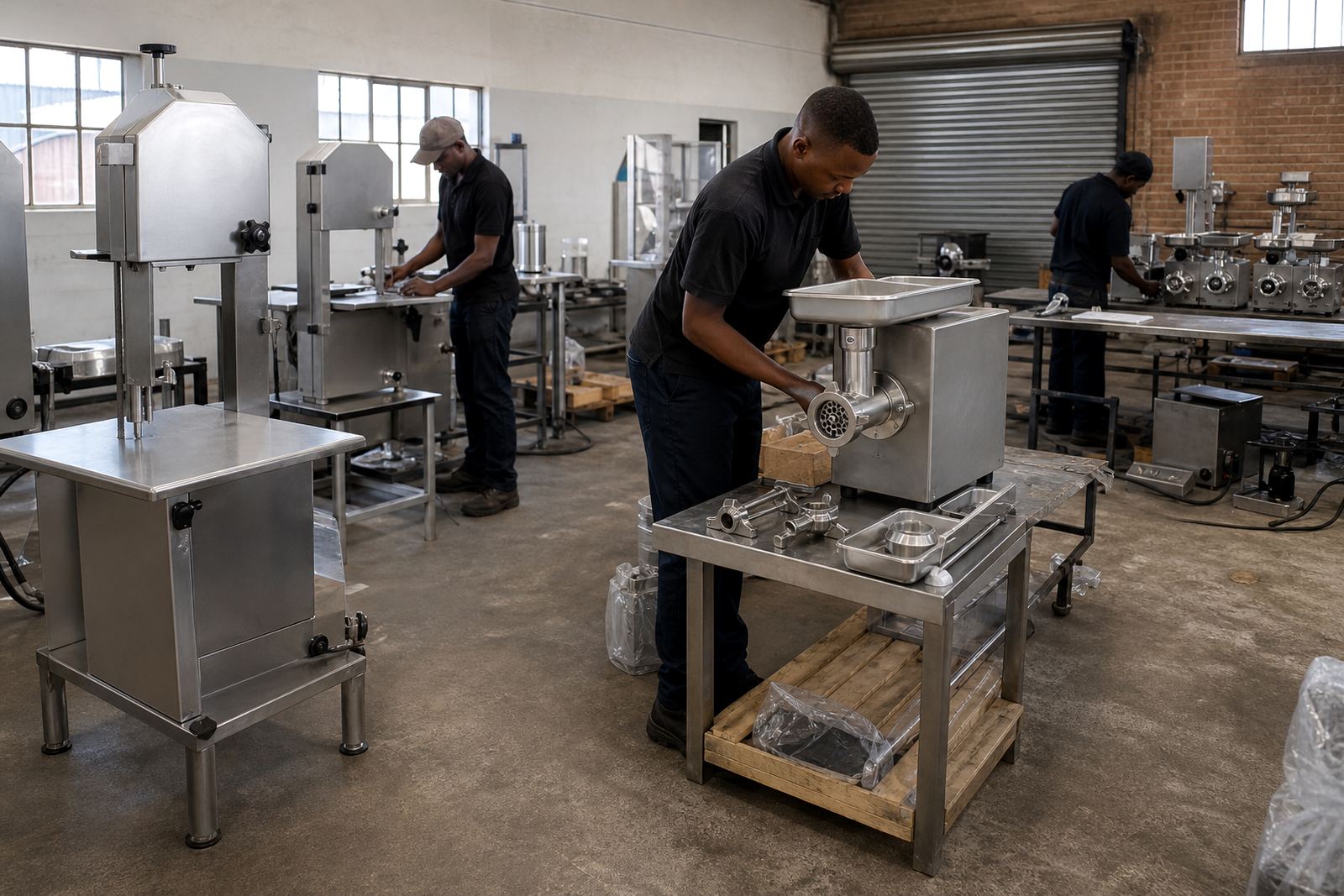
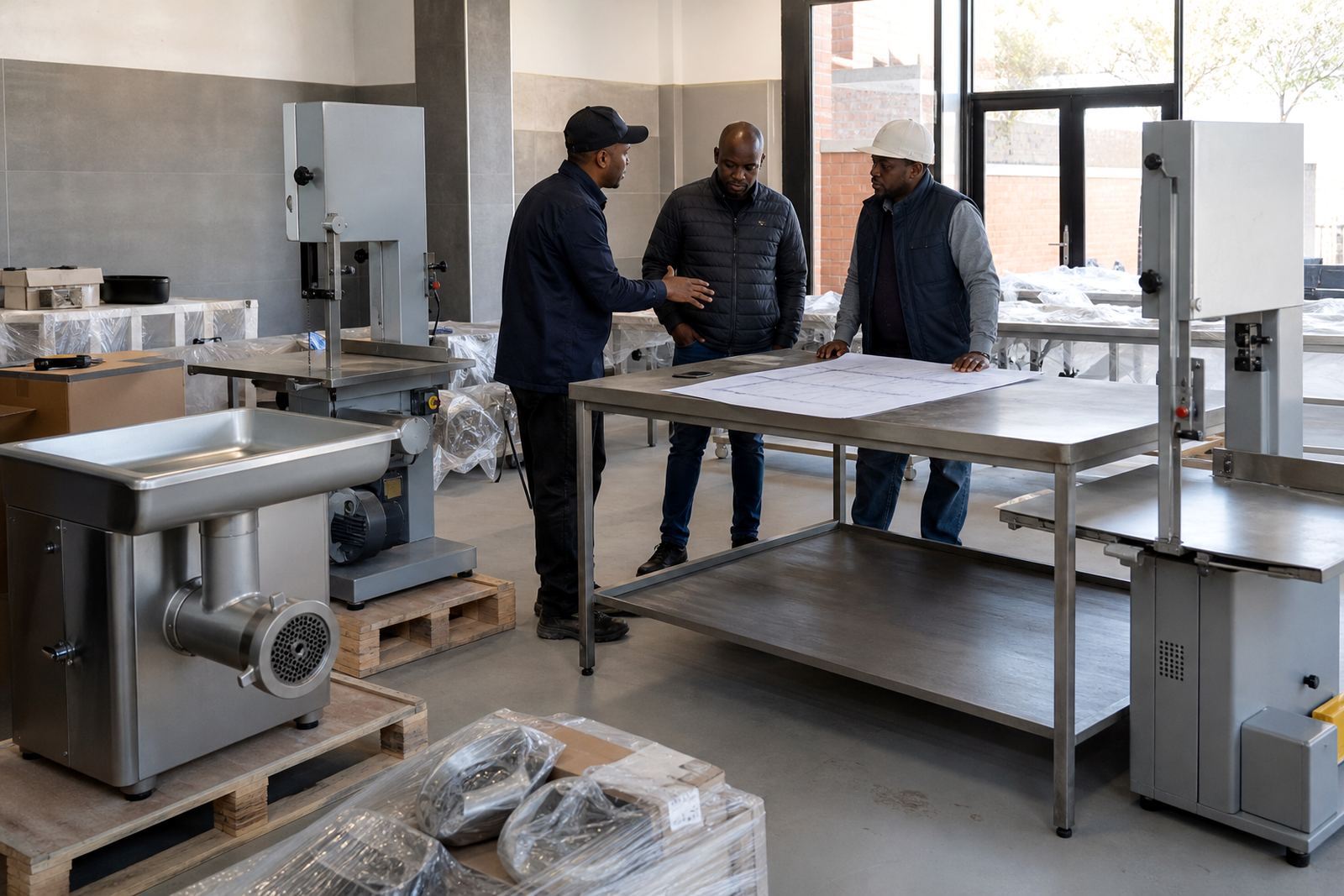
Correct installation helps a machine settle into daily use properly. It also makes later servicing easier, especially where the shop has tight back-of-house space or where equipment must be moved into place through narrow doors. MorCut Butchery supports delivery and setup across Bloemfontein and further afield, with servicing and support available for shops and home butchers in major centres and surrounding areas.
Our team handles bandsaw installation, mincer installation, servicing, blade replacement, plate and knife change work, cleaning demonstrations, operator training, breakdown callouts and preventive maintenance. If you are planning a new setup or replacing older equipment, it helps to have the full workflow checked before the first day of use.
Choosing the right support for your setup
The right machine is only part of the picture. Ongoing support matters just as much, particularly when a shop depends on daily fresh product and cannot afford long interruptions. With a base in Hamilton, Bloemfontein, MorCut Butchery works with clients through the enquiry form on the contact page and supports businesses across South Africa from Johannesburg to Cape Town.
Whether you are setting up a small family operation or keeping a busy retail butchery running, the aim is the same: reliable cutting, clean product handling and practical service support when you need it. That is what makes the difference between equipment that simply stands in the back and equipment that earns its keep.