

Planning a Halal Prep Area That Works Every Day
Halal meat prep is less about fancy fittings and more about order, hygiene and repeatable workflow. If the room is cramped or the equipment is placed badly, staff end up crossing raw and prepared product paths, cleaning takes longer and the line slows down when trade picks up. In a Bloemfontein block or a small home setup in Kroonstad, the first job is to decide where product comes in, where trimming happens and where finished portions move next.
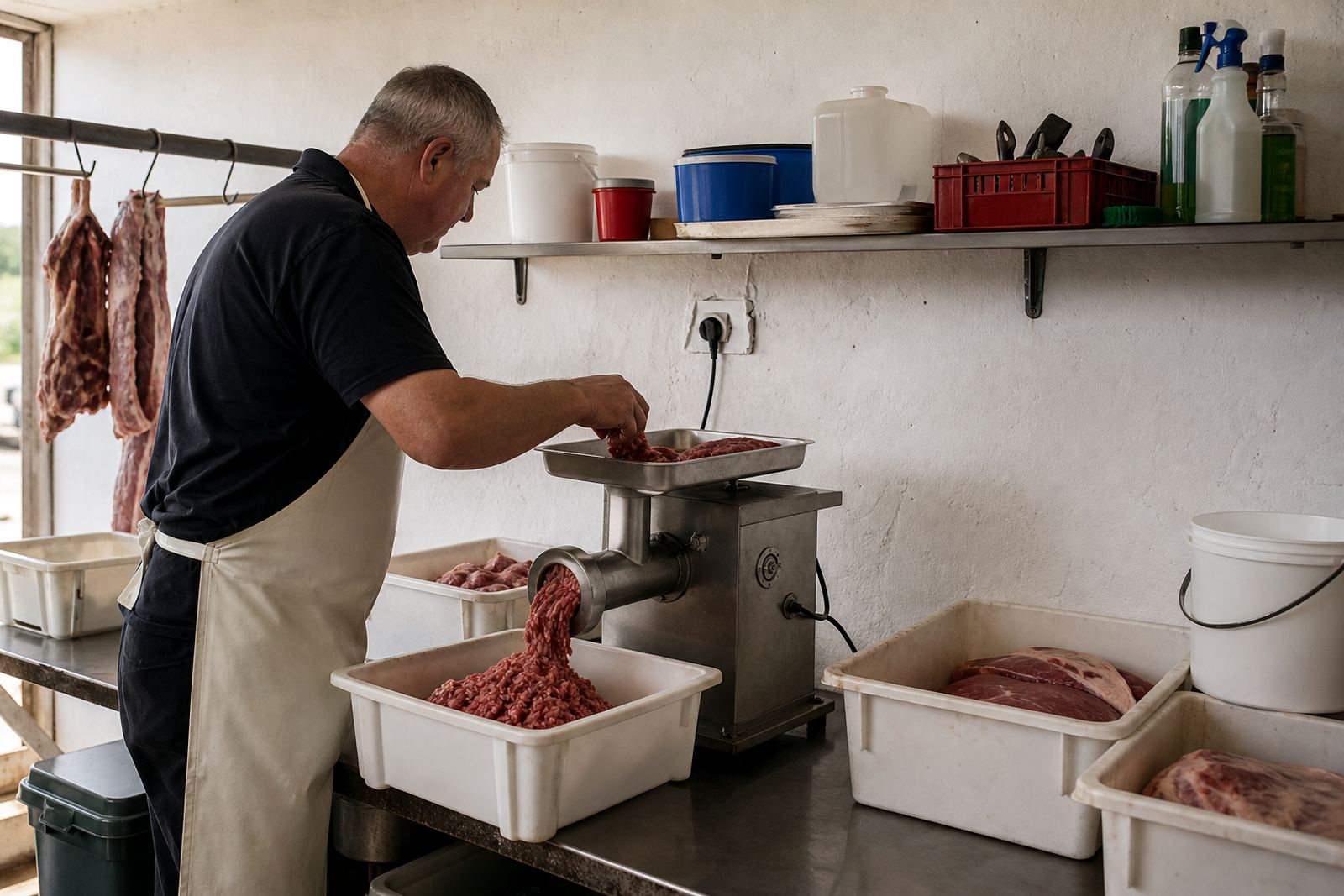
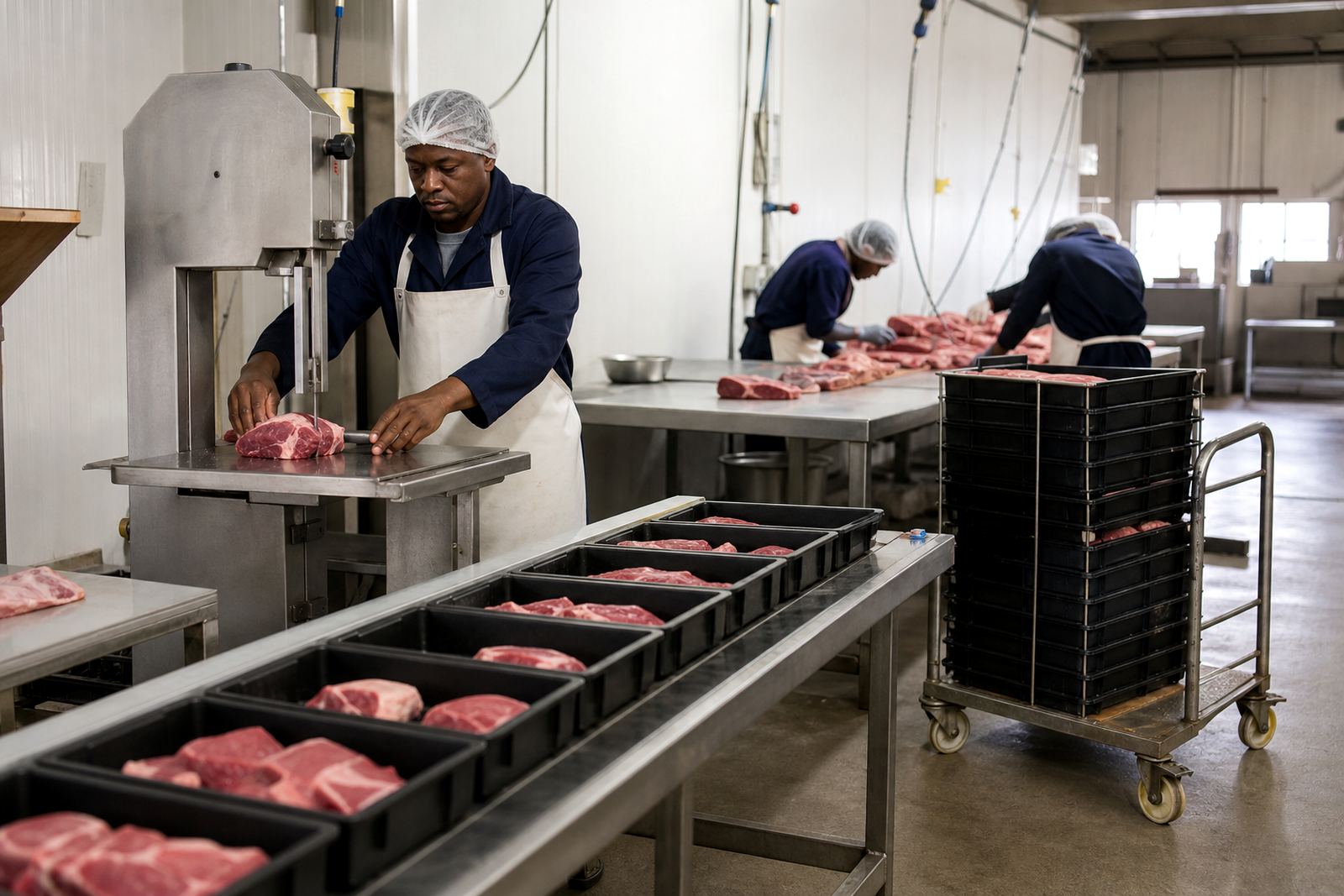
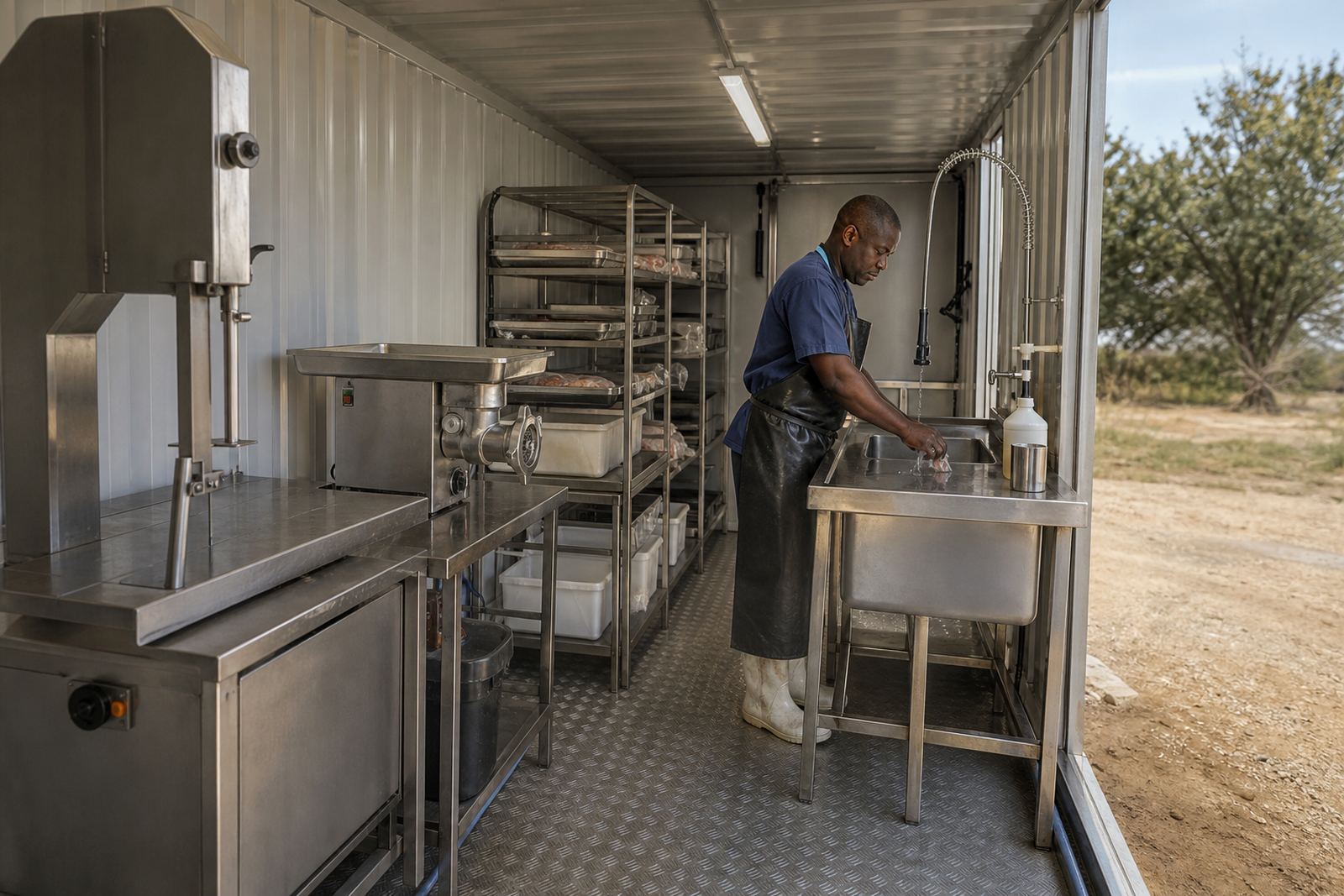
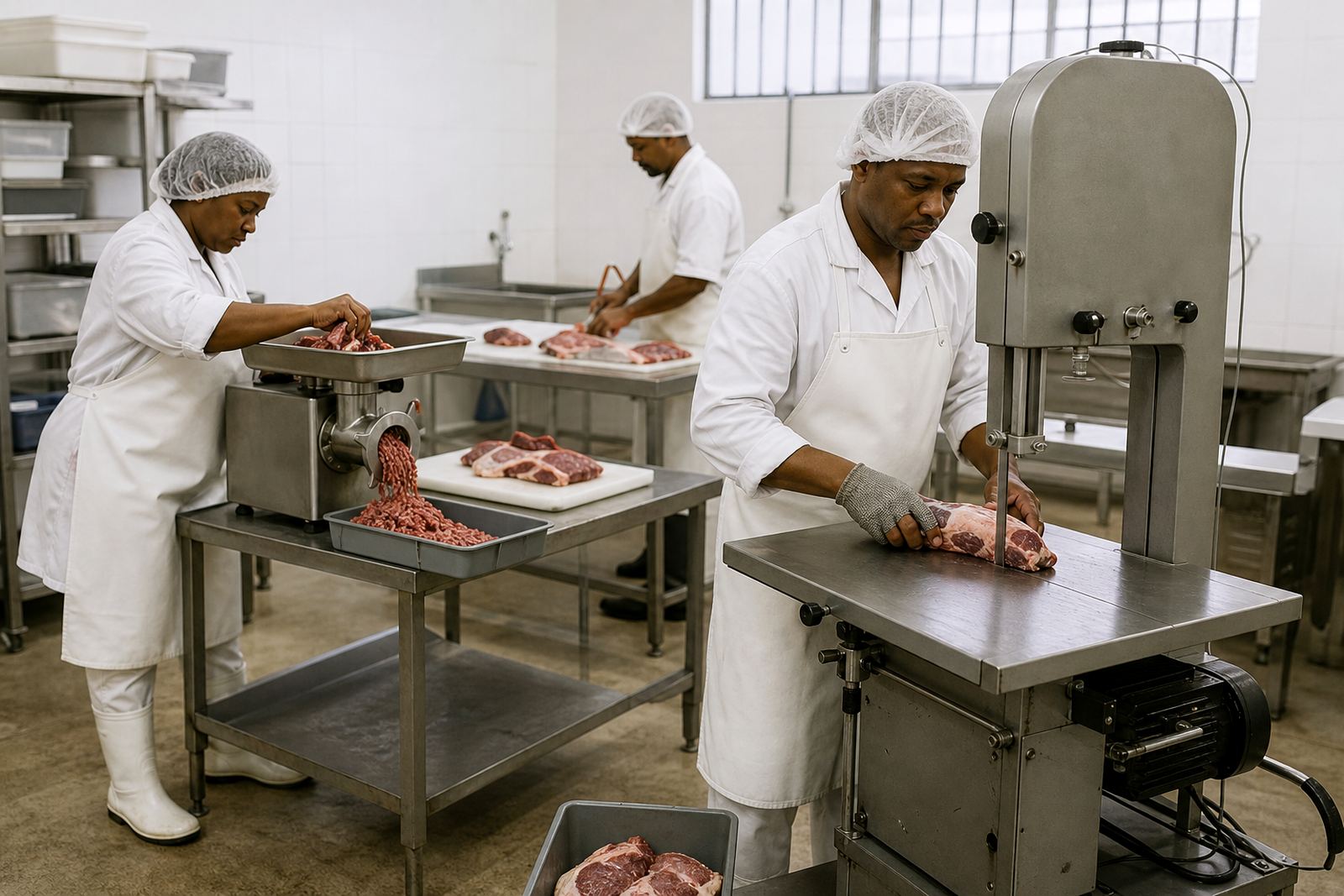
For a dedicated prep space, the main aim is to keep raw product, tools and waste moving in one direction. That helps with cleaning and reduces confusion during busy mornings. In many cases, a simple layout with a bandsaw at one end, a mincer nearby and a washable packing or staging area in between is enough to keep things tidy without wasting floor space.
Typical Equipment for Halal Meat Prep
The usual set for this kind of room is straightforward. A bandsaw is used for clean cutting of carcass portions, bones and larger sections, while a mincer handles trim, sausage mixes and value-added products. Some operations also keep a sharpening or blade change area, plus a separate cleaning point for tools and contact surfaces. If the business is serving both walk-in customers and bulk orders, the equipment has to cope with stop-start work and regular wash-downs.
- Bandsaw for portioning and carcass breakdown
- Mincer for minced product and mixed batches
- Change-out parts for blades, plates and knives
- Washable tables, tubs and trays for handling meat safely
- Cleaning gear and PPE for staff on the floor
In humid coastal towns like Durban, cleaning and drying routines matter even more because moisture sits on surfaces for longer. In drier inland areas, dust and meat residue can still build up quickly, so the same habits apply. Keep equipment protected from splash zones where possible and make sure guards stay in place during use.
Layout Advice for Small Shops and Home Butchers
Small spaces need careful planning. A compact home butcher setup in Pretoria or a township supply room in Welkom often has enough space for the machine, a prep bench and a cleaning corner, but not much more. That is why the best layout starts with measurements, door widths and the route trays will travel through the room. If a machine has to be turned or lifted every time it is used, the space is not working well.
Allow enough room around the bandsaw and mincer for safe loading, easy cleaning and quick movement during busy periods. Leave clear access to power points and make sure the area can be cleaned without dragging hoses across walkways. For businesses dealing with load-shedding, it helps to plan what prep can happen before power comes back and what stock needs to stay cold while waiting. Good planning saves time and lowers spoilage risk.
- Measure the room before ordering any equipment
- Keep a clear route from receiving to cutting to packing
- Place the washing point close enough for regular cleaning
- Do not block exits, drains or service access
- Plan for safe storage of blades, plates and cleaning tools
Common Mistakes That Slow the Line Down
One common mistake is buying equipment before the room is properly planned. Another is using one surface for too many tasks, which makes cleaning slower and increases the chance of cross-contamination. Some operators also overlook how often blades, plates and knives need attention. When cutting quality drops, staff try to force product through and that puts strain on the machine.
It also helps to avoid putting the prep area too far from cold storage or too close to public areas where customers pass through. In a halal setup, discipline matters. Staff should have the right PPE, hands should be washed regularly and the equipment should be cleaned after use, not only at the end of the day. Guards must stay fitted and any wear on moving parts should be checked early, not once the machine starts giving trouble.
Care and Servicing That Protects the Equipment
Daily care is basic but important. Wipe down surfaces, remove residue before it dries and dry the machine after cleaning so moisture does not sit in joints and corners. Blades and cutting parts need regular inspection, and any dull parts should be replaced before they cause poor cuts or rough handling. Staff training makes a real difference here because a machine that is used properly will usually last longer and work more consistently.
MorCut Butchery handles bandsaw installation, mincer installation, servicing, blade replacement, plate and knife change, cleaning demonstrations, operator training, breakdown callouts, preventive maintenance, parts supply, delivery and setup. We work from Hamilton in Bloemfontein and supply clients across Bloemfontein, Johannesburg, Pretoria, Durban, Cape Town, Kimberley, Welkom and Kroonstad. For a practical halal prep room, that sort of support matters because the equipment has to keep moving when trade is busy.
Budget Ranges for Setup and Ongoing Care
Budgets vary depending on whether the shop is setting up a small home operation or fitting out a commercial prep room. A basic entry-level setup may start from a lower figure if the room is already prepared, while a more complete commercial setup with better workflow, spare parts and training will cost more. It is wiser to budget for installation, setup and first round servicing from the start instead of only counting the machine price.
As a practical guide, many businesses should think in ranges rather than exact numbers until the room, usage level and parts needs are known. A simple bandsaw or mincer setup may sit in the lower thousands to mid-range, while a fuller prep space with both machines, spares and training can move higher. Ongoing costs usually include cleaning consumables, blade replacement, service visits and occasional parts, which are easier to manage when the room is planned well from day one.
- Entry setups for small operators
- Mid-range setups for regular commercial use
- Higher budgets where both bandsaw and mincer run daily
- Allow extra for installation, training and spare parts