

What the deli needed in Bloemfontein
The client was a busy deli in Bloemfontein that wanted to bring mince preparation in-house rather than rely on outside supply. The aim was simple: improve freshness, control stock better and keep the prep counter working without taking up too much room. The team needed a dependable mincer that could suit daily retail use, with straightforward cleaning and a layout that would not complicate their service routine.
Because the deli works in a tight kitchen area, we kept the brief focused on a compact unit, sensible placement and easy access for cleaning. We also had to take local operating conditions into account, including load-shedding planning and a work area that needed to stay tidy for food handling. The client did not want unnecessary extras, only a practical setup that could be used by staff with varying levels of experience.
- Client type: deli and fresh food counter
- Town: Bloemfontein, Free State
- Main need: add in-house mince production
- Priority: compact footprint and easy cleaning
The equipment and setup we supplied
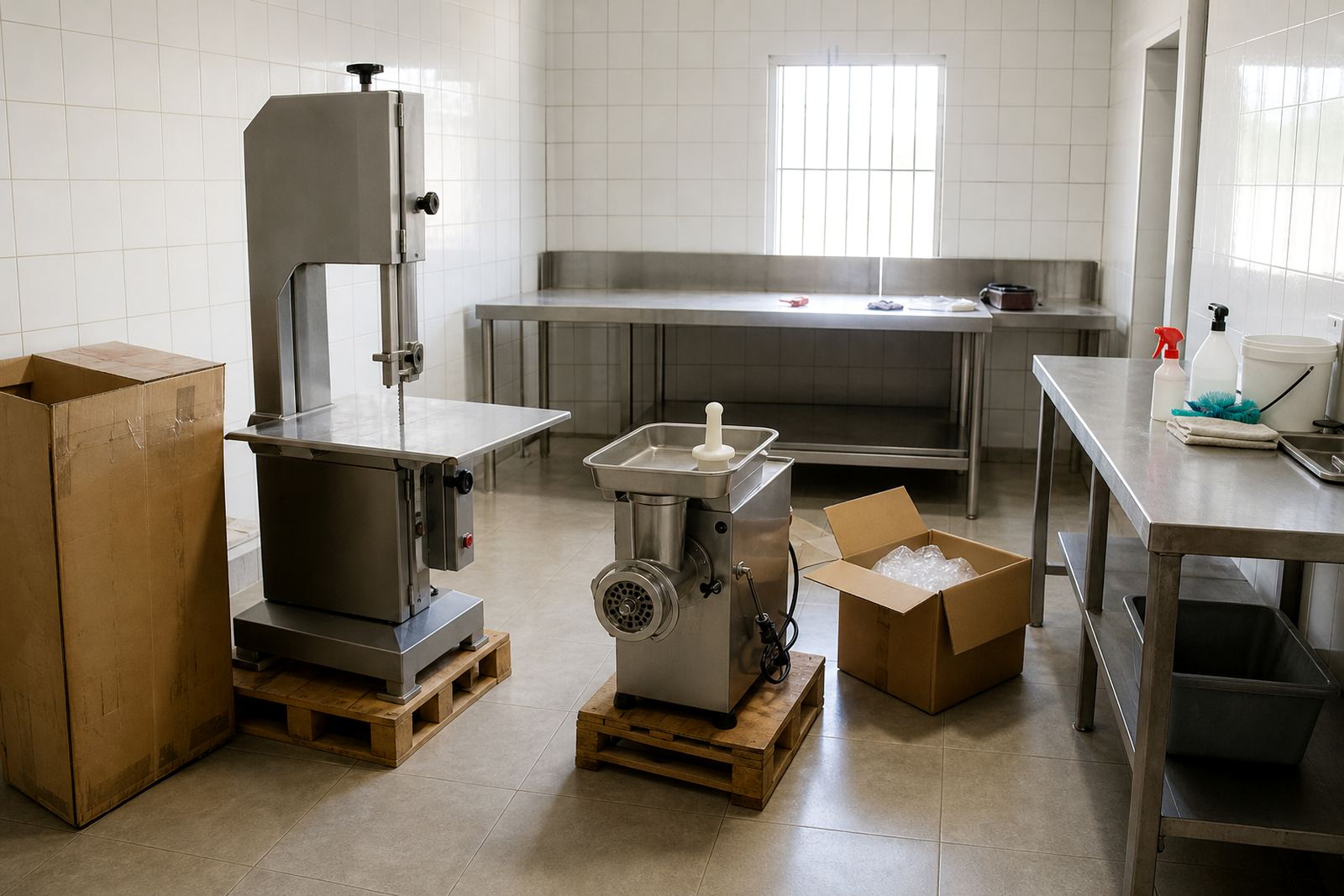
We supplied a compact commercial mincer suitable for regular deli use, along with the matching parts needed for day-to-day processing and cleaning. The focus was on a unit that could handle small to medium batches cleanly, without taking over the prep room. We also supplied the practical consumables needed to keep the machine ready for service, including the working parts that need routine care and replacement over time.
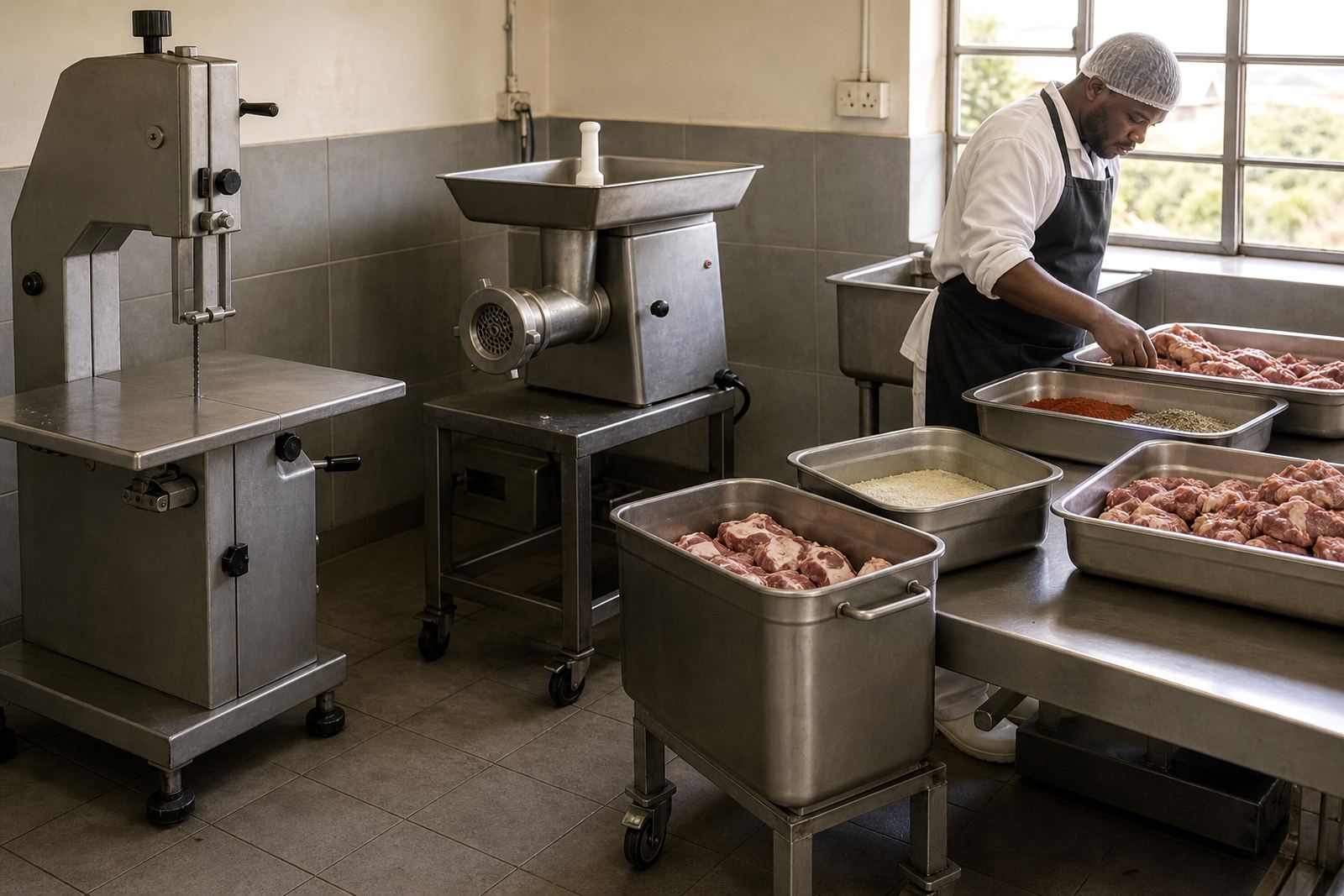
Our team handled installation, placement advice and a basic run-through with the staff. The machine was positioned so the operator could feed product, monitor the output and move directly to cleaning once the batch was done. In a food business, that matters just as much as the machine itself. Less movement means less mess, quicker turnaround and fewer chances for cross contamination.
- Compact mincer for in-house meat preparation
- Matching working parts supplied for upkeep
- Installation and setup on site
- Cleaning guidance for daily use
Working around space, power and food safety
The main challenge was space. The deli did not have room for a large processing line, so the layout had to stay simple and practical. We kept the setup close to the prep area while making sure there was enough space around the unit for safe feeding, collection and cleaning. That helped the staff work faster without crowding the counter.
Power reliability was another consideration. In Bloemfontein, like much of South Africa, businesses still need to plan around load-shedding and short interruptions. We discussed how to manage production timing so batches could be processed when the kitchen is ready and staff are available. We also gave general safety reminders around guards, safe handling of raw product, wearing PPE and cleaning the machine properly after each use. A mincer that is easy to strip down and clean is always easier to keep in good order.
- Small kitchen footprint accommodated
- Safe operator spacing maintained
- Cleaning routine explained to staff
- Production planned around kitchen demand and power interruptions
Installation and handover in two weeks
The project ran over two weeks from initial brief to final handover. In week one, we confirmed the deli's needs, assessed the available space and agreed on the most practical setup. We then prepared the equipment and scheduled delivery to suit the kitchen's operating times. In week two, we completed delivery, setup and a hands-on demonstration for the team.
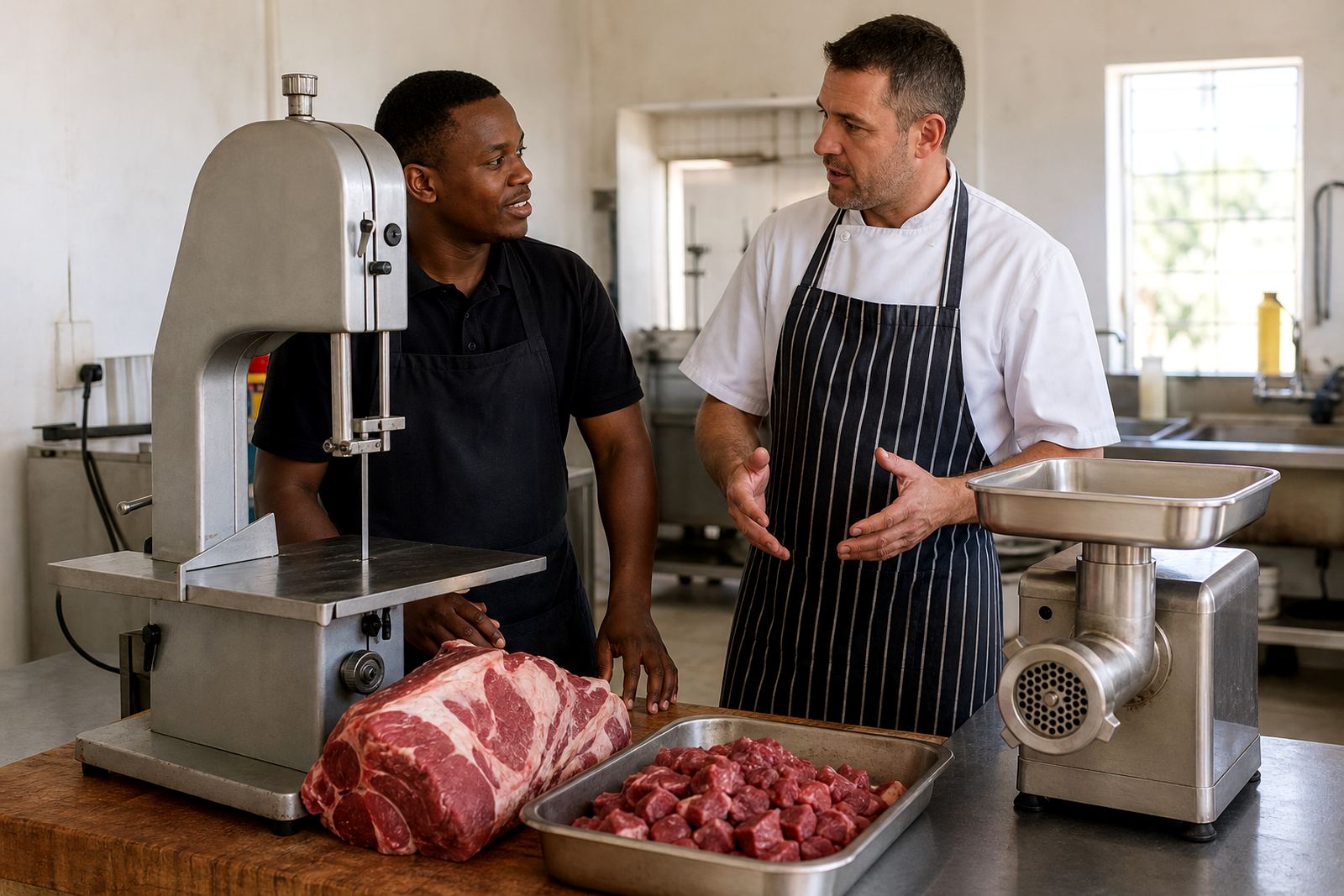
The handover covered operation, cleaning and basic care between shifts. We showed the staff how to keep the feed area clear, how to work safely around the moving parts and how to clean the mincer after each session. We also explained when to call for servicing if the machine starts to sound different, slow down or leave product unevenly processed. Small things caught early save time later.
- Week 1: brief, site check and planning
- Week 2: delivery, setup and training
- Handover included cleaning and operator guidance
What changed after the mincer was installed
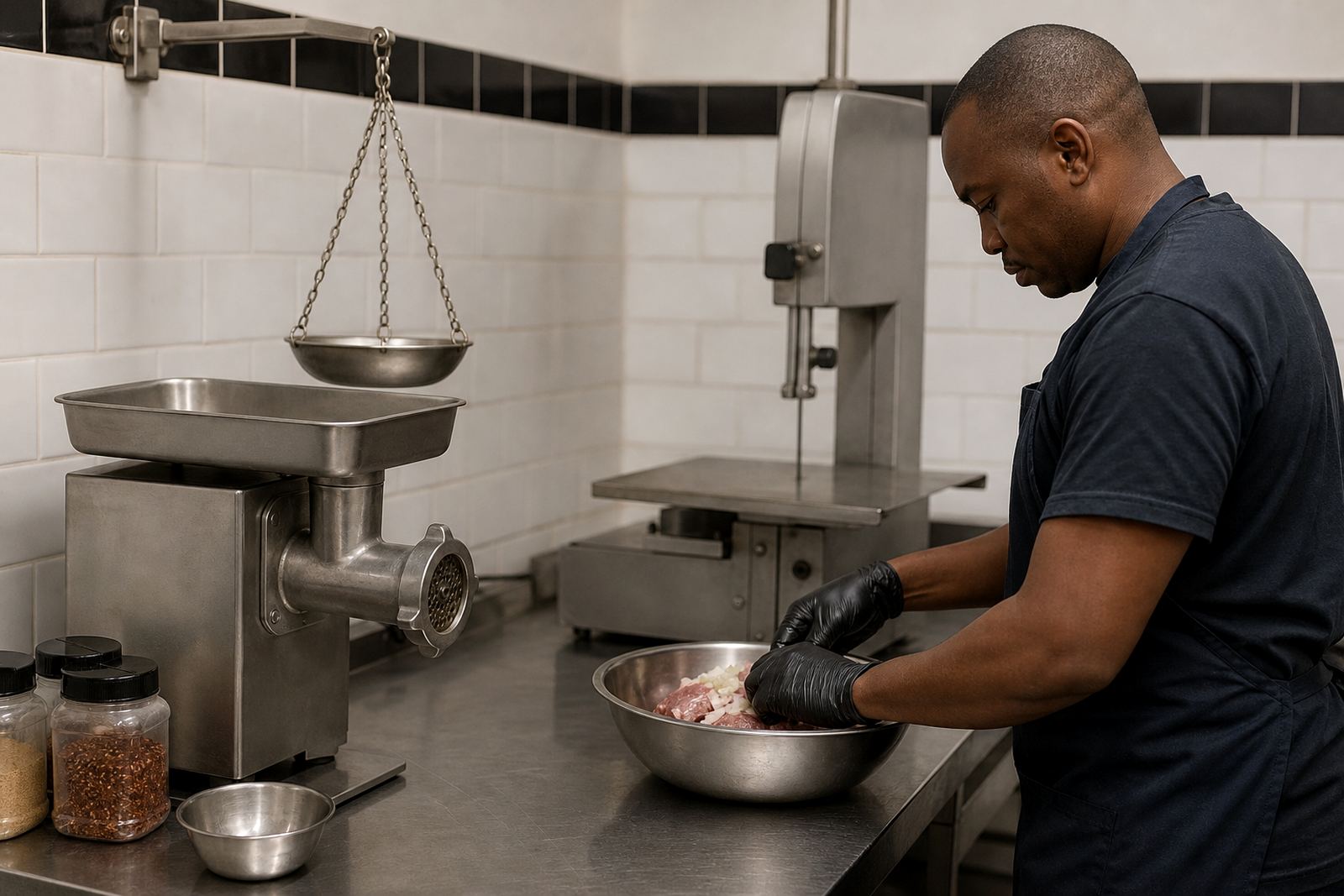
Once the unit was in use, the deli could prepare fresh mince on site instead of depending on outside deliveries for that part of the range. That gave the team more control over stock, helped them respond faster to customer demand and made the prep process easier to schedule. The staff also found the routine more manageable because the machine was simple to clean and set up between batches.
For a deli, the value is not only in the machine itself. It is in how smoothly the prep room runs afterwards. A good mincer can reduce waiting time, support fresher product and make daily production more predictable. That is especially useful when the business wants to offer a consistent fresh meat service without turning the kitchen into a full production facility.
- Fresh mince prepared in-house
- Better stock control for the deli team
- More predictable daily production
- Simple cleaning supported better hygiene practices
What we would repeat for another deli
We would take the same approach again for any deli or small butcher setting that wants to start with a compact mincer. Keep the layout practical, choose equipment that matches the real output needed, and train the staff before the first busy day. That way the business gets a useful machine without adding clutter or confusion to the prep area.
We would also keep the care routine simple: clean after use, check the working parts regularly, replace blades and plates when they start to wear, and keep guards in place at all times. If the team is planning to expand later, we would review whether the same prep area can handle more output or whether a second point of processing is needed. For now, the Bloemfontein deli had a solution that fit the space and the way the kitchen works.
- Start with the output the business actually needs
- Train the staff on cleaning and safe operation
- Review wear parts early, before performance drops
- Plan future growth around the same prep area
Key facts
| Project | Woodlands Deli Kitchen |
|---|---|
| Client type | Deli adding fresh meat production in-house |
| Town | Bloemfontein, Free State |
| Scope | Compact mincer supply, installation and training |
| Timeline | 2 weeks from brief to handover |
| Core outcome | Fresh mince prepared on site with simpler daily handling |