
A Retail Butchery Layout That Had to Work Hard
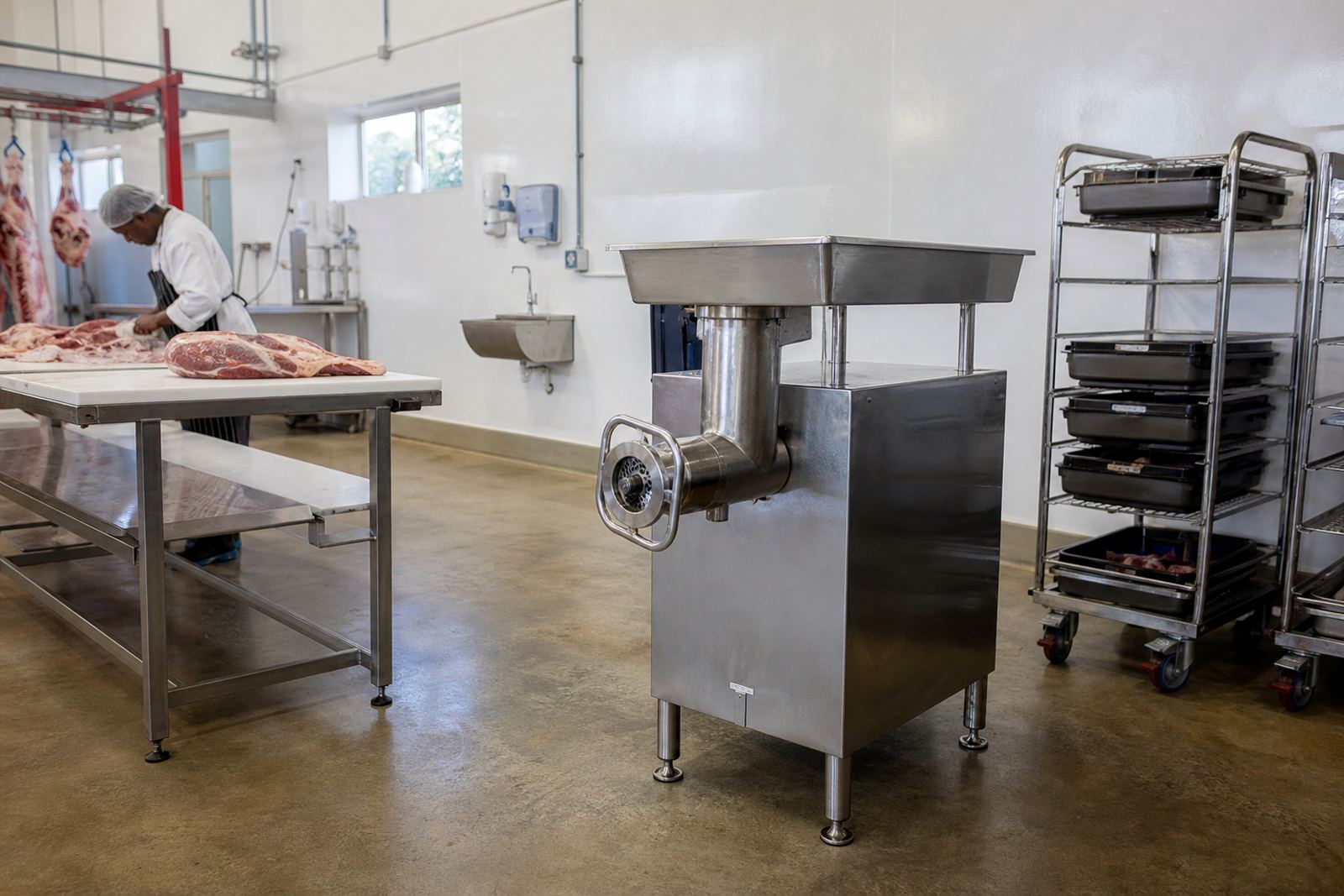
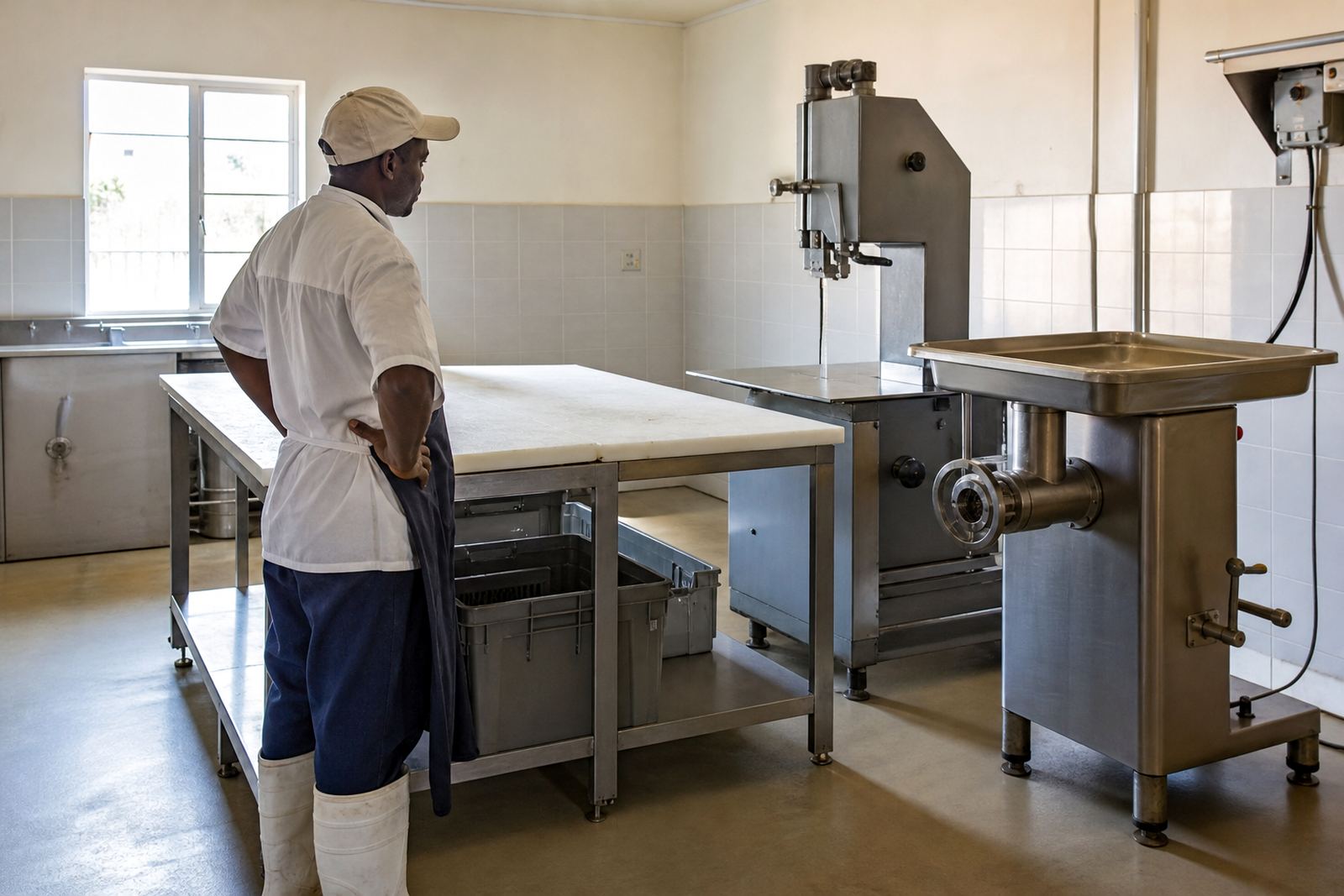
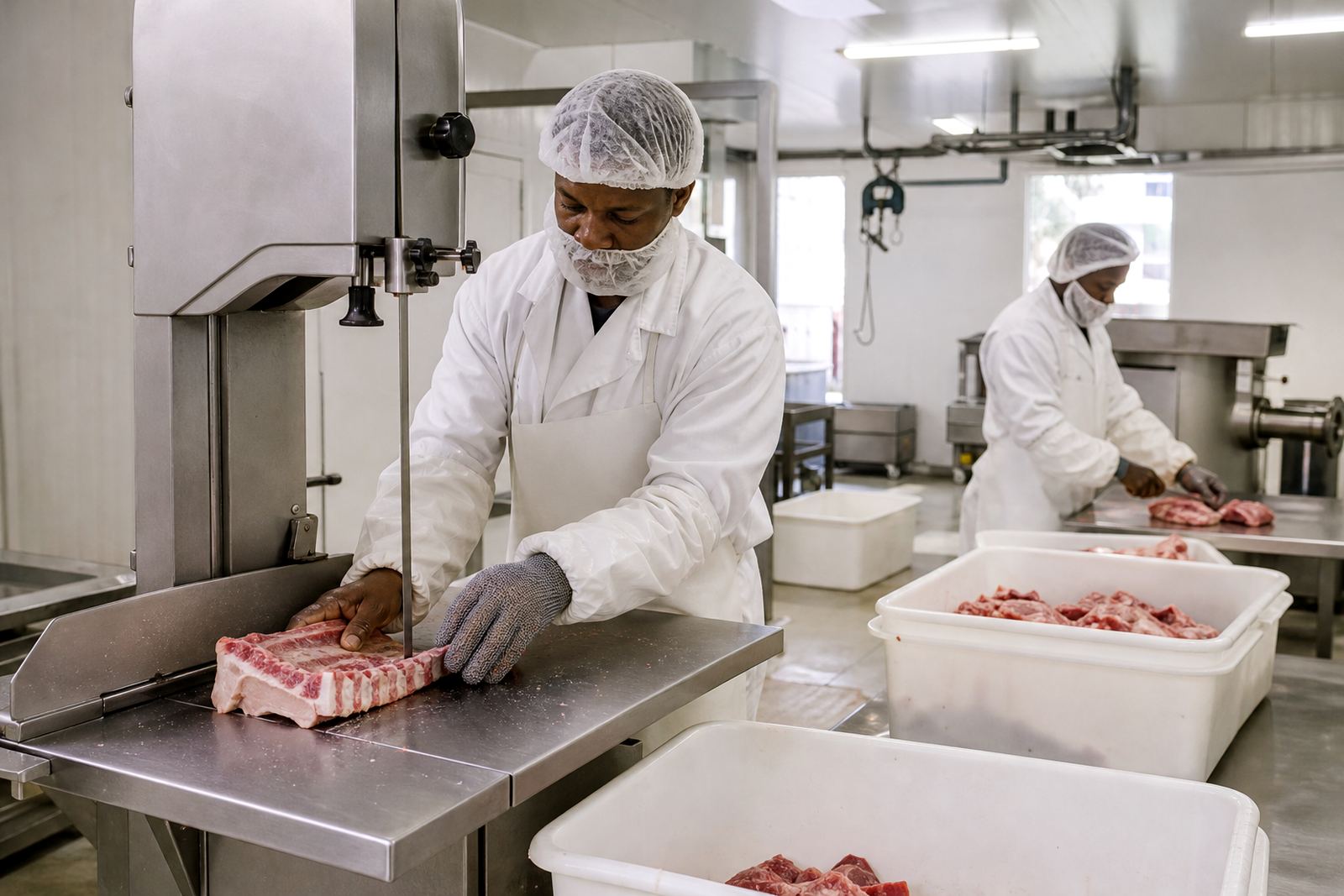
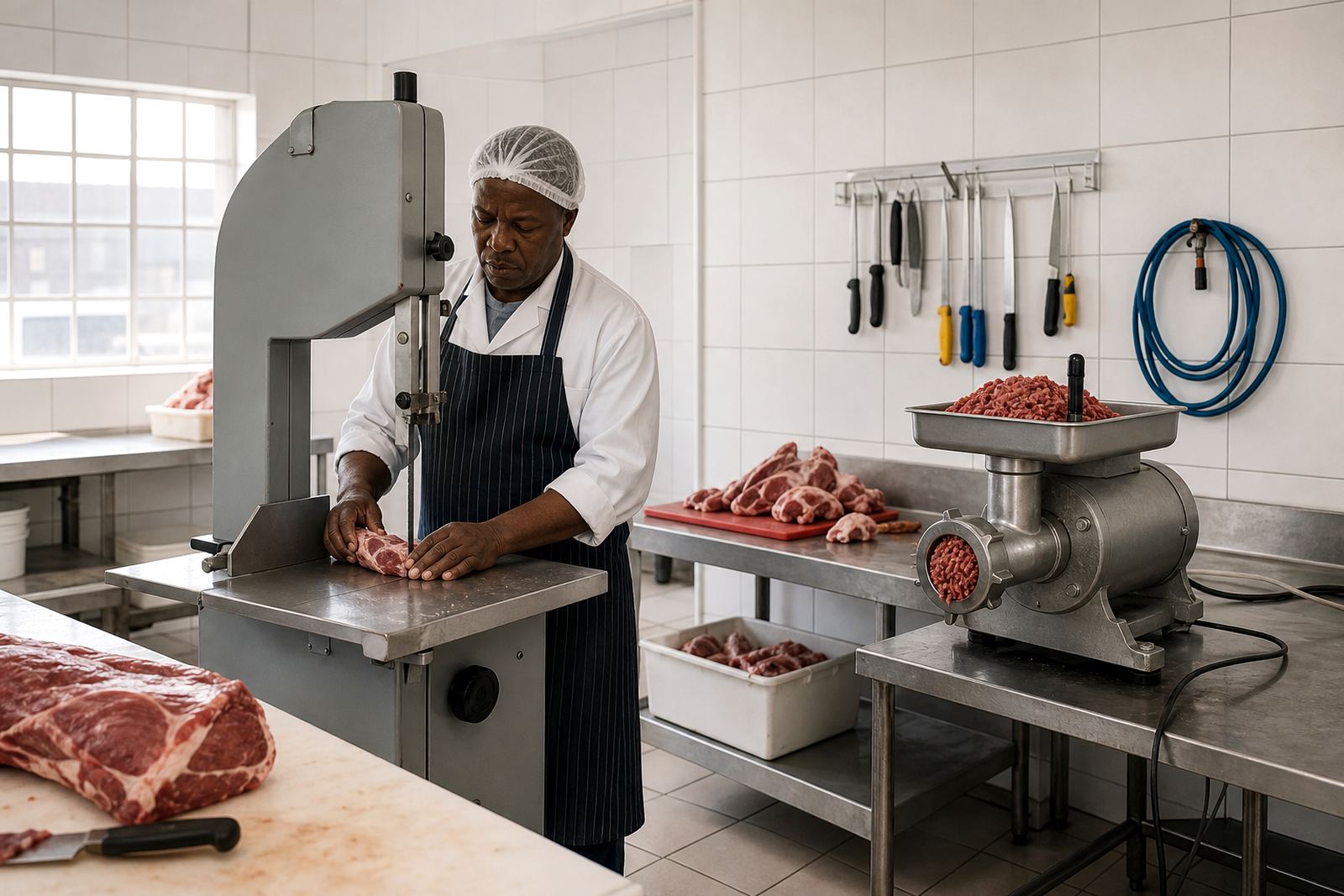
The client was a suburban butcher shop in Langenhoven Park, Bloemfontein, planning a fresh retail fit-out around a dependable bandsaw and a separate mincing area. The goal was straightforward: cut, mince and serve without crowding the prep space, while keeping the shop neat for customer-facing trade and simple to clean at the end of the day.
Because the site sits in a residential retail node, the layout had to suit a modest floor area and local trading patterns. That meant a practical equipment position, clear staff movement and enough room for safe handling of meat, trays and cleaning gear. We also worked around ordinary site limitations such as power points, access for delivery, and the need to keep the shop closed for as little time as possible.
The Brief From The Floor Up
The owner wanted equipment that was suitable for a small to medium butcher operation, with enough capacity for everyday retail cuts and regular mince production. Rather than pushing for a complicated setup, the plan was to keep the process simple: receive stock, cut on the bandsaw, mince where needed, then move product directly to display or packing. That kind of layout saves time and reduces mess, which matters when you are serving customers through the day.
- Practical bandsaw placement for carcass and primal cuts
- Dedicated mincer position for quick batch work and less cross traffic
- Easy access for cleaning, blade care and routine servicing
- Safe working clearances around guards, switches and prep surfaces
- Room for staff to move without bumping into product or one another
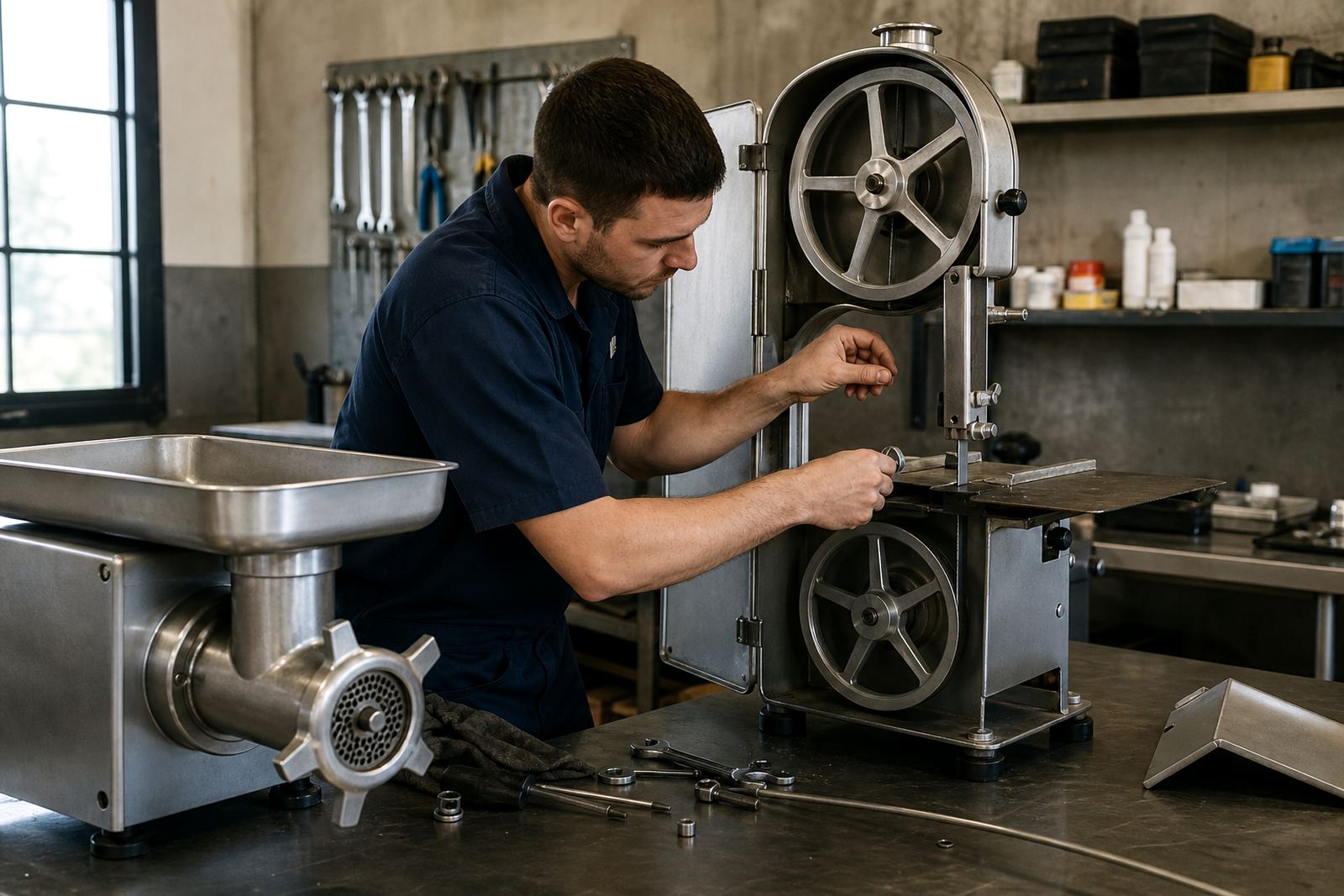
The brief also asked for guidance on day to day care. We spoke through blade checks, cleaning routines, PPE, and the importance of keeping guards in place during use. In a retail environment, those basics make a real difference to uptime and worker safety. It is not fancy, but it is what keeps a shop running properly.
What We Supplied And Set Up
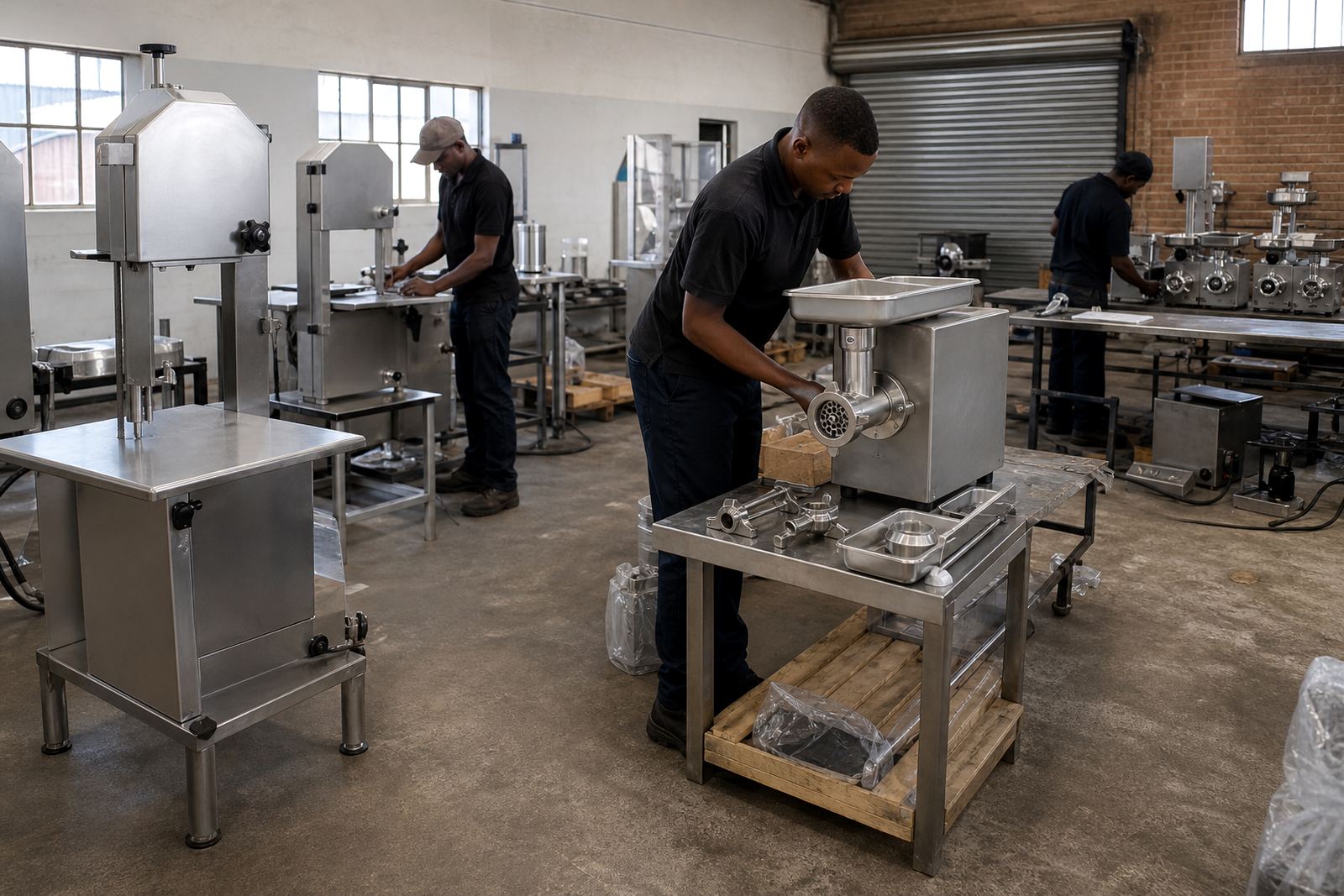
We supplied and installed the bandsaw and mincer as the main production points, then arranged the supporting work around them so the shop could operate properly from day one. The focus was on fit, function and serviceability rather than unnecessary extras. We also checked the room for practical details such as equipment access, cleaning reach and how the staff would move between cutting, mincing and counter prep.
As part of the setup, we handled delivery and setup, then walked the team through safe use and daily care. That included a simple cleaning demonstration, how to keep working areas clear, and what to look for before starting each shift. The shop needed a setup that would hold up in a busy week, and the easiest way to do that is to get the basic arrangement right from the start.
- Bandsaw installation and positioning
- Mincer installation and operator orientation
- Blade replacement guidance and plate and knife change support
- Cleaning demonstration for end of day washdown
- Parts supply planning for wear items and routine upkeep
Timeline And On-Site Work
The project ran over a short, practical timeline of two weeks from the first site discussion through to handover. Week one covered the brief, layout planning and confirming what the shop needed for the space available. Week two covered delivery, installation, final checks and staff training. The schedule suited the client because it kept downtime tight and allowed the shop to open with confidence once the fit-out was complete.
During the on-site work, we kept the focus on the real conditions of the shop rather than on paper plans alone. That meant checking where staff would stand, where product would come in, and how cleaning water would move after trade. A small slip in a butcher room can slow the whole day, so the layout had to make sense in practice, not just on a sketch.
Results In A Busy Suburban Trading Pattern
The finished setup gave the shop a cleaner workflow and a more controlled prep area. The bandsaw and mincer now sit where they can be used without wasting steps, and the team has a simple routine for cleaning and shutdown. That helps with daily presentation as well as hygiene, which is important in Bloemfontein where dry weather, dust and load-shedding can all affect how a shop manages its working day.
The client also gained a clearer servicing plan. By keeping the equipment easy to reach and easy to inspect, the shop can handle routine care before problems build up. That means fewer interruptions, less waste and better control over product handling. For a retail butchery, that kind of order is worth more than extra frills.
- Cleaner movement between cutting, mincing and packing
- Better control over daily cleaning and washdown
- Safer use through guards, PPE and clear operator space
- More practical handling of routine maintenance and parts changes
- Improved readiness for busy retail trade and weekend peaks
What We Would Do Again For A Similar Shop
If we were doing the same type of fit-out again, we would keep the same approach: keep it practical, keep it clean and make sure the equipment fits the staff workflow before anything else. For a suburban butcher in Bloemfontein or another South African town, the best result usually comes from straightforward planning and proper handover, not overcomplication.
We would also repeat the same care focus. A bandsaw needs regular cleaning, a sound blade routine and proper guarding. A mincer needs sensible use, clean changeovers and attention to the plate and knife set. Training matters too, especially for new staff or where the shop works with mixed experience levels. Since 2008, MorCut Butchery has kept that practical service approach front and centre, from Hamilton in Bloemfontein to delivery and servicing in Johannesburg, Pretoria, Durban, Cape Town and beyond.
For shops in Langenhoven Park, Kimberley, Welkom or Kroonstad, the lesson is the same: if the room is planned well, the equipment will work better and the day runs smoother.
Key facts
| Project type | Retail butcher shop fit-out |
|---|---|
| Town | Langenhoven Park, Bloemfontein |
| Core equipment | Bandsaw and mincer station |
| Timeline | 2 weeks from brief to handover |
| Work included | Delivery, installation, training and setup |
| Support | Servicing, parts supply and maintenance guidance |