

The brief from a busy game handling space in Bloemfontein
The client came to us with a straightforward need, a butchery workspace that could cope with regular game processing without wasting time between cutting, mincing and packing. The site was based in Bloemfontein, where dry inland conditions help in some seasons, but dust, temperature swings and load-shedding still make equipment care and workflow planning important.
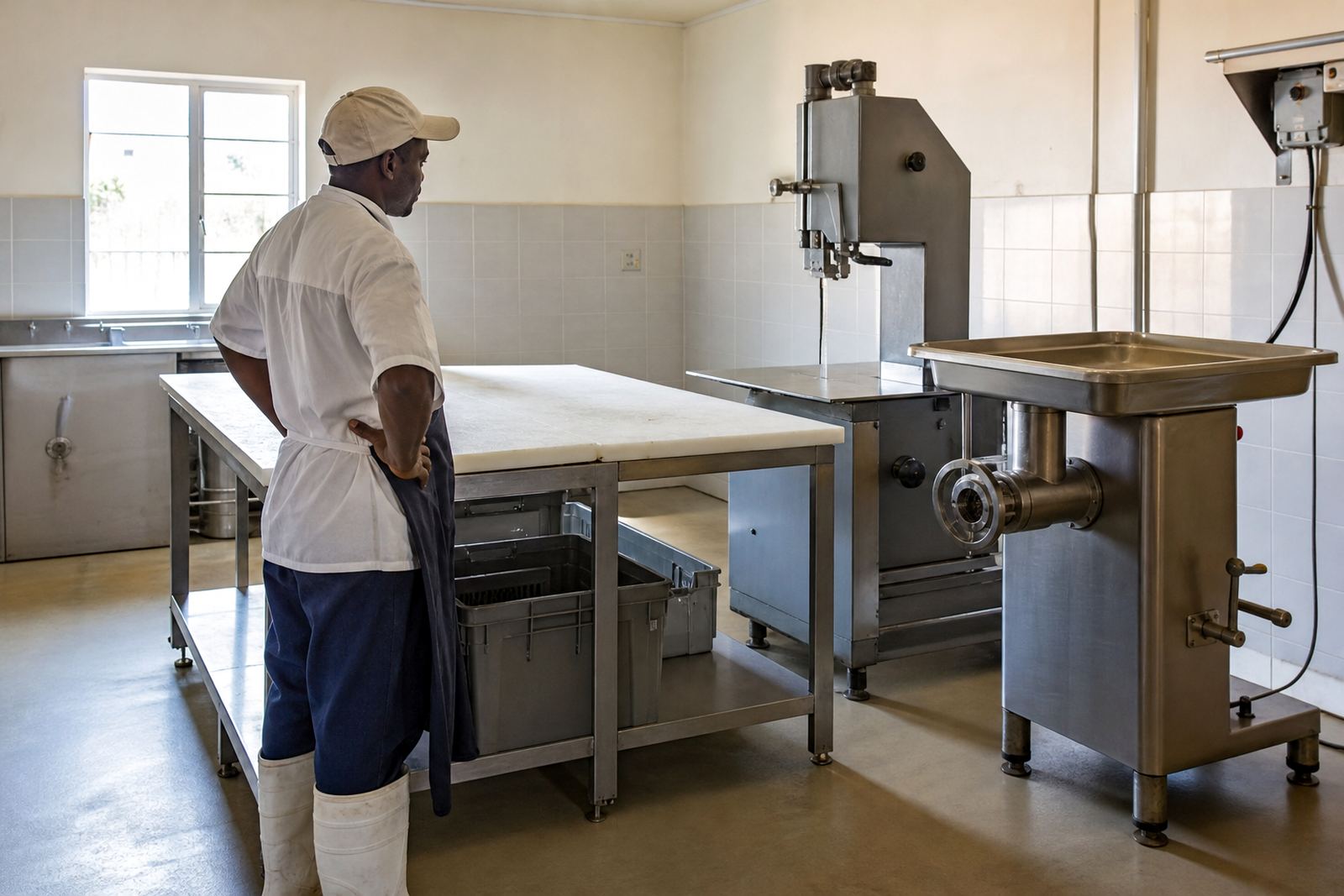
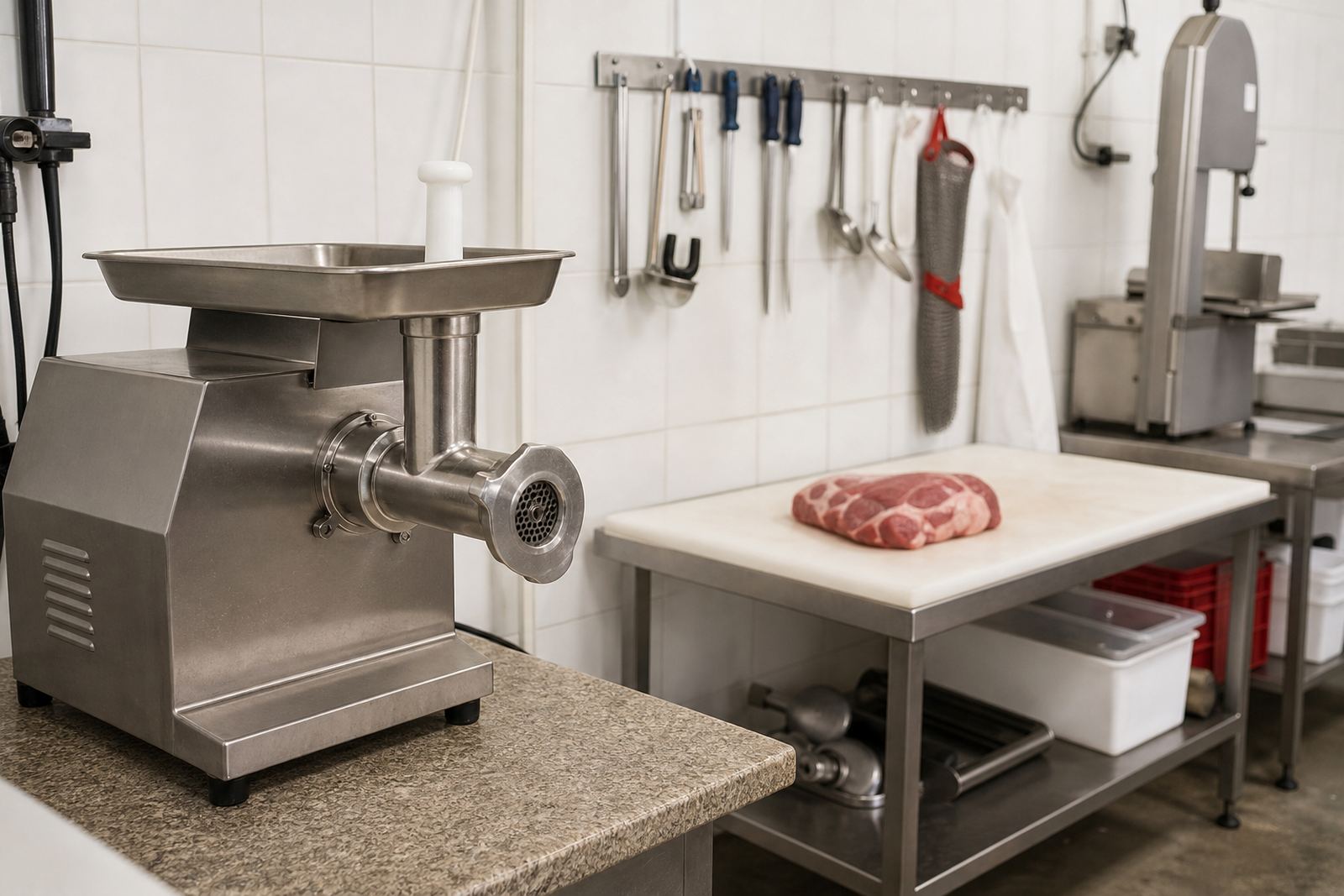
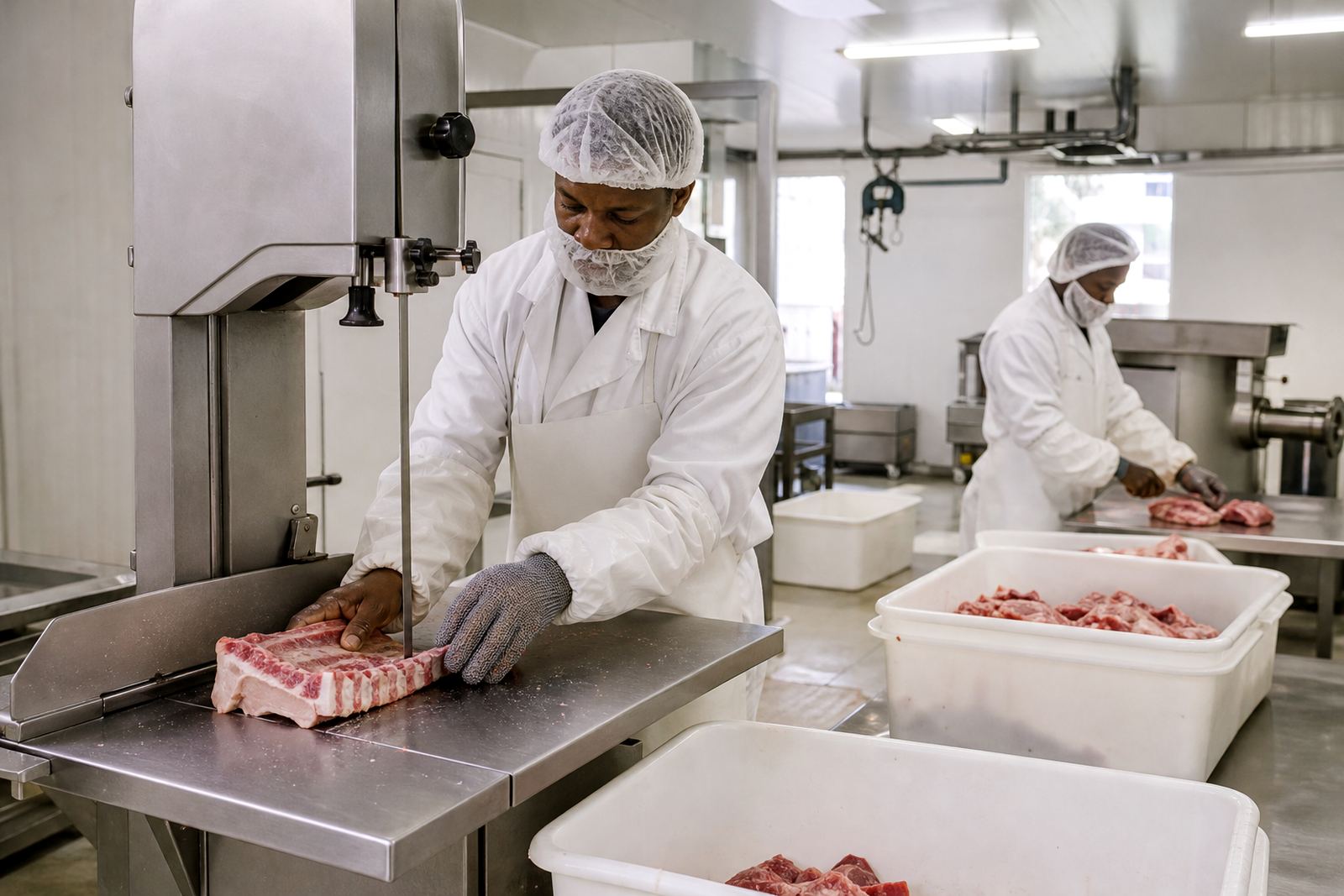
The brief called for a durable setup centred on a bandsaw for carcass and bone cutting, plus a mincer for trim and value-added product preparation. The customer wanted practical handling, simple cleaning, and a layout that would keep operators moving in one direction instead of criss-crossing the room. We also had to work within the realities of a busy production area, where space is never as generous as it looks on paper and every metre matters.
- Town: Bloemfontein, Free State
- Client type: game processing workspace
- Main focus: cutting, prep and mince flow
- Priority: safe, easy-to-clean operation
What we supplied and how the workflow was set up
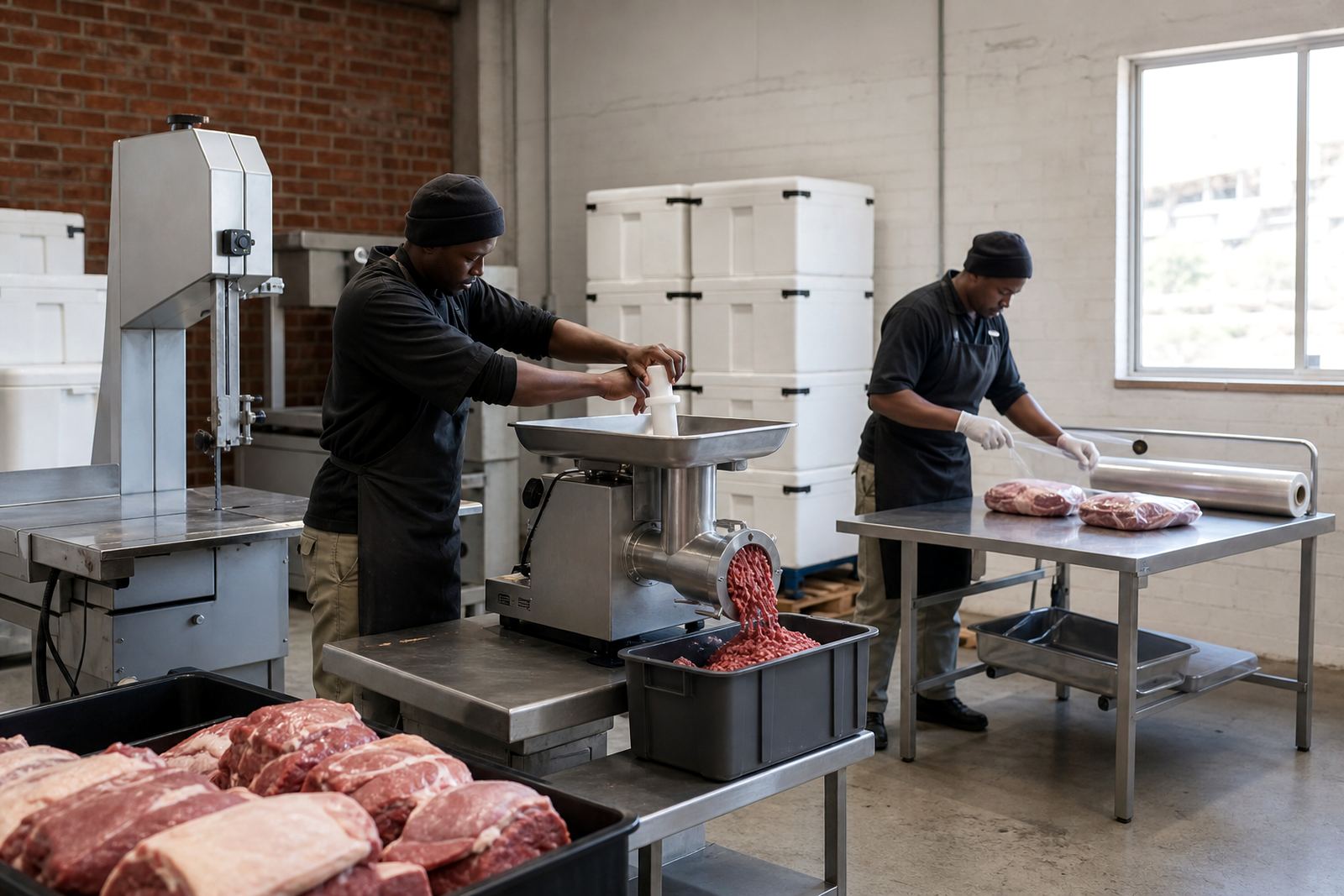
We supplied and installed the core butchery equipment needed to make the room work as a proper processing area. That included a bandsaw suited to meat and bone cutting, a mincer for routine product preparation, and the supporting setup needed for safe daily use. The flow was arranged so that raw product could move from receiving to cutting, then to mincing and packing with less backtracking.
We kept the arrangement practical rather than complicated. The machine positions were chosen for cleaning access, operator movement and clear handling space around the work surfaces. Guards, stable placement and clear access to stop controls were part of the plan, and we reminded the team to use proper PPE, keep hands clear of blades, and clean the equipment after every shift.
- Bandsaw installation and setup
- Mincer installation and setup
- Delivery and positioning on site
- Operator training on safe use and cleaning
- Basic workflow guidance for meat handling
Constraints on site and the practical choices we made
Like many food handling spaces, the site had its own limits. There was limited room for extra equipment, and the owner needed a layout that would not slow the team down during busy periods. We also had to think about power interruptions, because a prep room that stops every time there is a supply issue can lose time fast. That meant choosing a setup that was simple to manage and easy to resume after a disruption.
Hygiene was another major point. a leading make processing creates a lot of fine residue, trimming and moisture, so the finish around the work zone must allow for proper cleaning without trapping dirt. We worked with the team on washing routines, blade care, and where to keep parts and tools so they were close at hand but not in the way. It is small things, but they make the difference between a room that feels controlled and one that becomes messy by midweek.
- Space constraints in a compact prep room
- Cleaning access around the equipment
- Routine shutdowns and restart readiness
- Safe blade and plate handling
- Dry, dust-prone conditions in Bloemfontein
Installation, training and first-week support
The project ran over two weeks from confirmation to handover. In the first week we arranged the supply, delivery and placement plan, then completed the on-site installation and checked the working positions. The second week focused on training, finishing touches and making sure the operators were comfortable with the routine. Morne du Plessis handled the workshop side, while Willem Jacobus Smit coordinated servicing and setup details with the site team.
The training covered day-to-day use, cleaning demonstrations, simple fault checks and safe handling of cutting parts. We also went through plate and knife change basics for the mincer, plus the sort of visual checks staff should do before starting a shift. A simple routine keeps a lot of trouble away. If guards are in place, parts are seated properly and the machine is cleaned before and after use, the room stays easier to manage.
- Project duration: 2 weeks
- Training included cleaning and operator routines
- Support covered first-use checks and handover
- Parts awareness and service planning explained
Results for daily cutting and prep work
By the end of the project, the workspace was easier to run and cleaner to maintain. The bandsaw and mincer were placed for practical movement, and the team had a clearer process for receiving product, cutting, mincing and cleaning down at the end of the day. That kind of order matters in a game processing room because it helps reduce wasted steps and makes supervision easier.
The client also had a clearer plan for maintenance. Rather than waiting for something to go wrong, they now had a basis for preventive maintenance, blade checks and regular servicing. That is especially important for commercial and home butchers who work with seasonal demand, because equipment that is looked after properly keeps its value and is less likely to let the team down when orders pick up.
- Cleaner movement through the prep area
- Better control over daily cleaning routines
- Improved safety awareness among operators
- Clearer maintenance and servicing plan
What we would repeat on the next game processing fit-out
If we were doing the same type of project again, we would keep the approach practical and measured. Start with the cutting flow, then place the equipment around that flow rather than forcing the team to work around the machine positions. We would also repeat the same focus on cleaning access, because once a room is hard to wash down it becomes a daily frustration for the staff.
For similar sites in Bloemfontein, Johannesburg, Pretoria, Durban, Cape Town and beyond, we would keep the supply and support process simple: install the right equipment, train the operators, and set up servicing before small faults become stoppages. It sounds ordinary, but that is usually what works best in a real butcher environment. A good room is the one that keeps moving and does not need attention every hour.
- Start with workflow, then place equipment
- Keep cleaning access open on all sides
- Plan servicing before breakdowns happen
- Use simple routines staff can follow every day
Key facts
| Project name | Ferreira a leading make Processor |
|---|---|
| Project town | Bloemfontein, Free State |
| Project type | a leading make processing workspace fit-out |
| Core equipment | Bandsaw and mincer supply, installation and setup |
| Timeline | 2 weeks |
| Key services | Delivery and Setup, Operator Training, Cleaning Demonstrations, Blade Replacement, Mincer Servicing |