

Start With the Working Pattern, Not the Calendar
Preventive servicing works best when it follows how the machine is used, not just the month on the wall. A bandsaw that cuts through large volumes every morning needs attention more often than one used a few times a week, and the same applies to a mincer that handles high throughput, chilled product, or regular batch work.
Before you set dates, look at how many operators use each machine, the type of product being processed, and where the equipment stands. Humid coastal air, dust from open prep areas, and power interruptions during load-shedding can all affect wear. In dry inland towns like Bloemfontein or Kroonstad, dust and cleaning routines matter just as much as cutting hours.
Build your plan around three layers: daily checks, monthly care and scheduled servicing. That keeps the work practical and helps you spot small issues before they become a breakdown callout.
What to Check Every Day Before the First Cut
Daily checks do not need to be complicated. They are there to make sure guards are in place, the machine is clean, and the operator can work without avoidable risk. A quick check before opening time takes less time than stopping the line later to fix a problem.
- Check that guards are fitted and move as they should.
- Look for loose fittings, unusual noise or vibration.
- Confirm blades, plates and knives are fitted correctly and are not damaged.
- Make sure the machine is clean, dry and free of waste from the previous shift.
- Keep PPE ready for the team, including gloves where suitable, aprons and suitable eye protection.
- Test the stop control and confirm the operator knows how to use it.
If a machine shows signs of strain, stop and report it. A small fault can turn into a costly repair if someone pushes through the shift and carries on using it.
Monthly Servicing Tasks That Protect Output
Monthly care is where you keep performance steady. It is the right time to inspect moving parts, check alignment, clean areas that are missed during daily wash-downs, and review whether the machine is still suited to current demand. If product volumes have increased, or the team has changed, servicing intervals may need to be shortened.
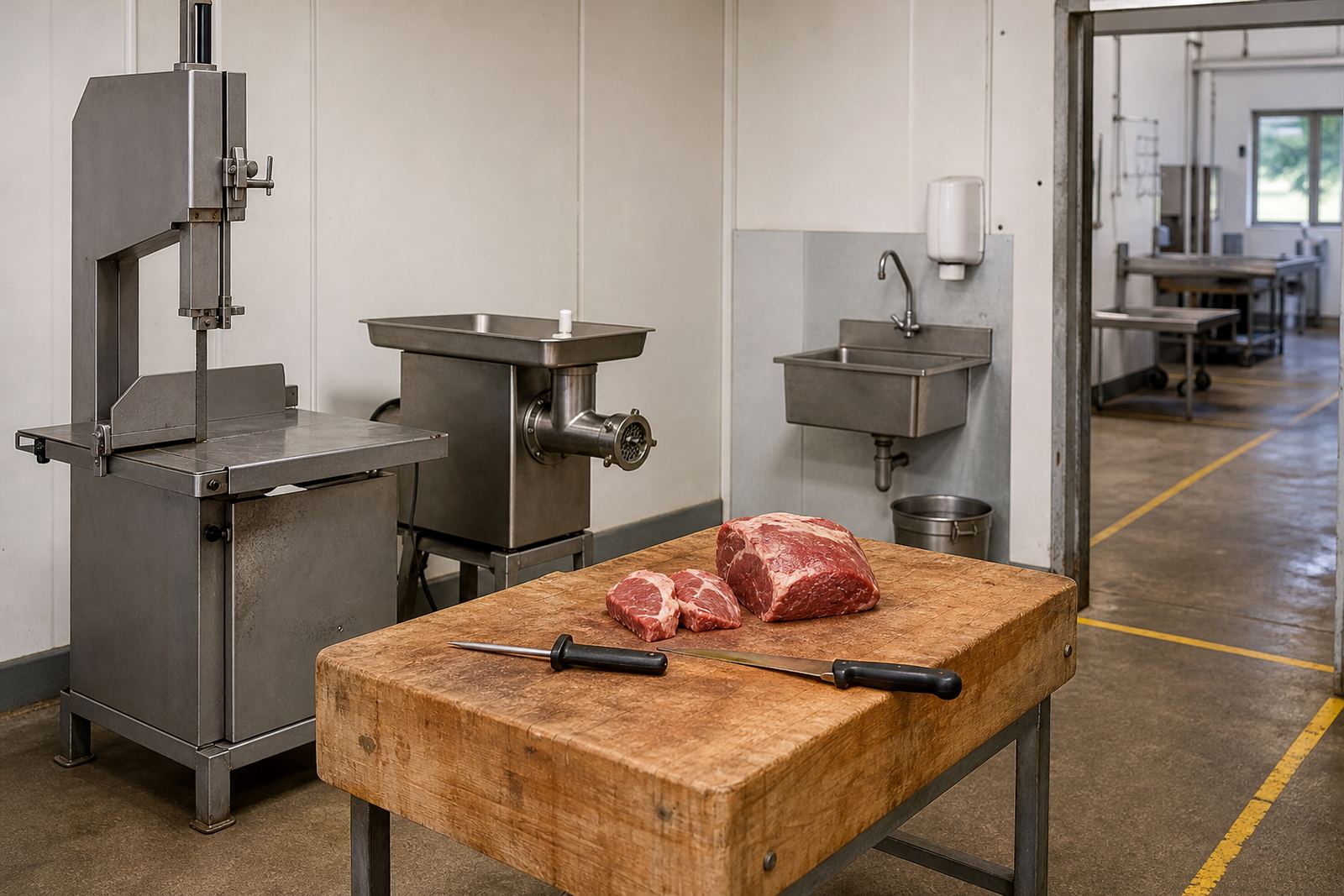
For bandsaws, look at blade condition, tension and guide settings. For mincers, inspect the plate and knife area, check feed components and watch for uneven output, which can mean wear or poor cleaning. Small changes in sound or finish often show up before a complete failure.
- Record any odd noises, smells, heat build-up or slow starts.
- Check cords, plugs and isolation points for wear or damage.
- Review cleaning methods to make sure moisture is not left where it should not be.
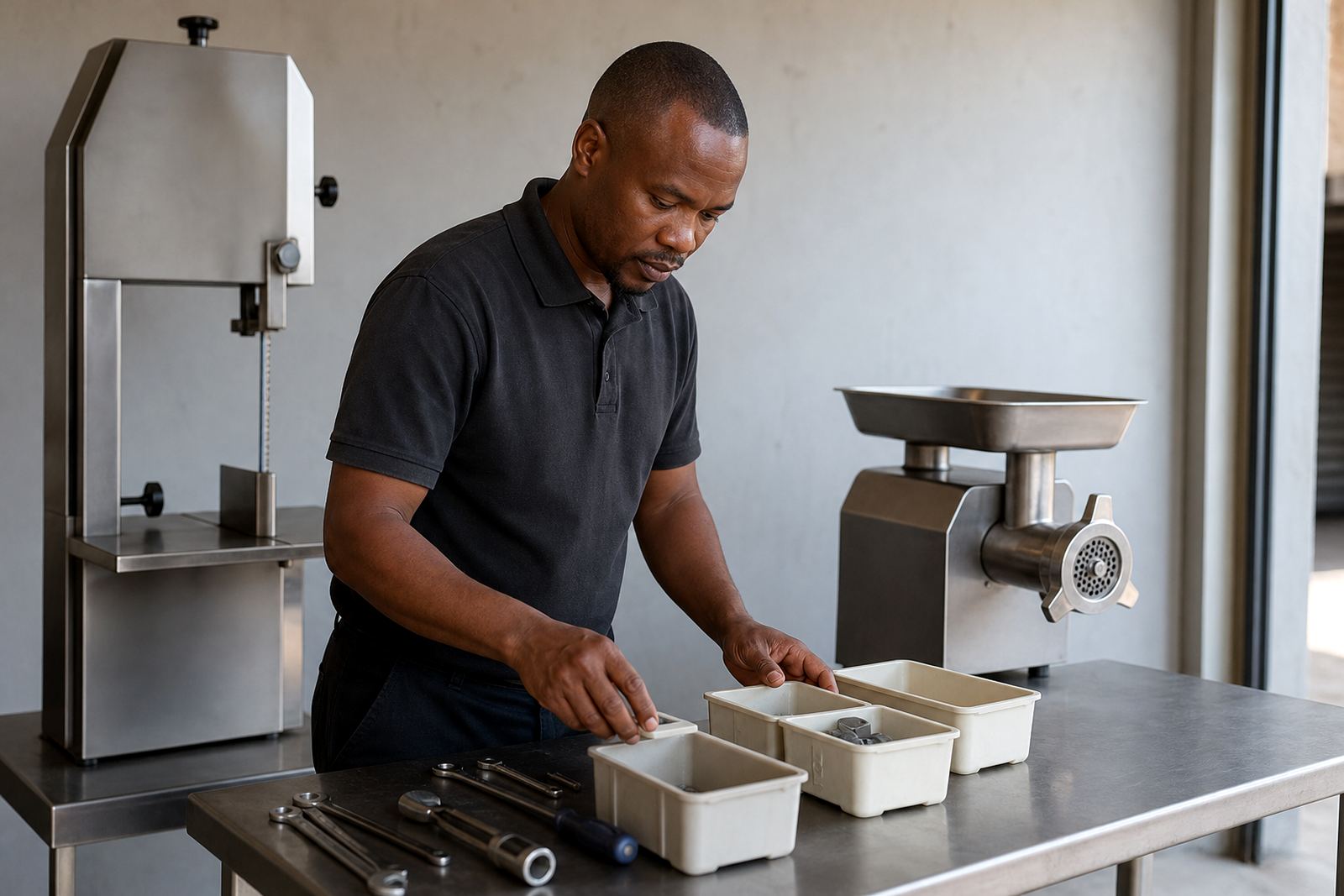
- Keep spare wear items on hand so the machine is not idle while parts are sourced.
In places with regular municipal water interruptions, or where cleaning has to be done in a hurry, make sure the team still follows a proper rinse, dry and reassemble routine. Rushing this part leads to corrosion and early wear.
Set A Seasonal Plan For The Free State And Coastal Routes
A year plan should take local conditions into account. In the Free State, dry air and dust can affect bearings, housings and cleaning points. In Durban and other coastal areas, humidity can encourage rust and make electrical parts more sensitive to poor storage. When servicing across Johannesburg, Pretoria, Cape Town and Kimberley, travel schedules and delivery timing should also be matched to the work calendar.
Use the same structure each year, then adjust for busy seasons. For example, if your store expects higher trade in December or around local events, plan servicing before the rush rather than after. That way the machine enters the busy period in a better state and the team is not left waiting on a breakdown repair during peak trade.
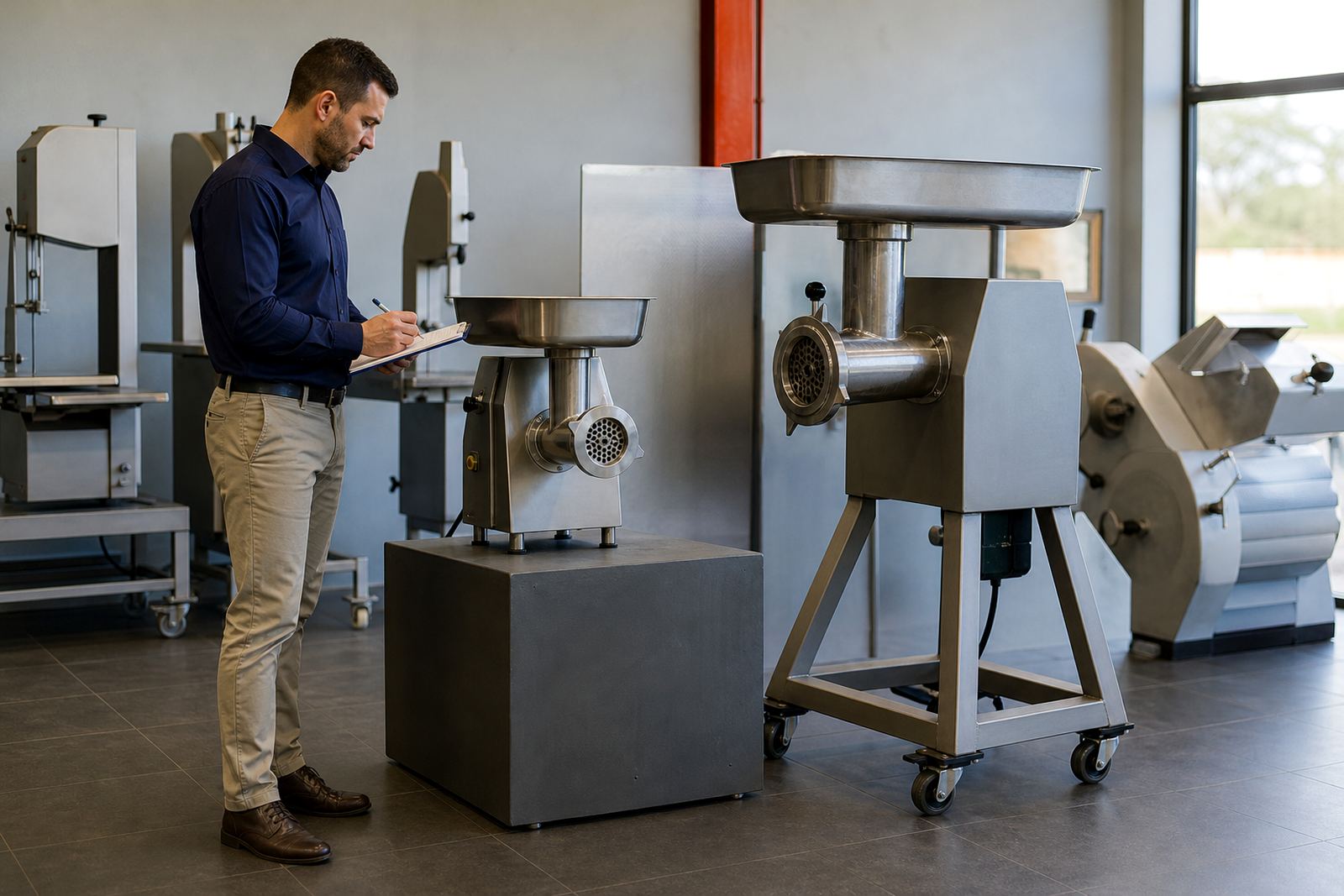
Keep a simple service register for each machine with the date, what was checked, what was replaced and who completed the work. It does not need to be fancy, only accurate.
Match Installation, Training And Servicing Together
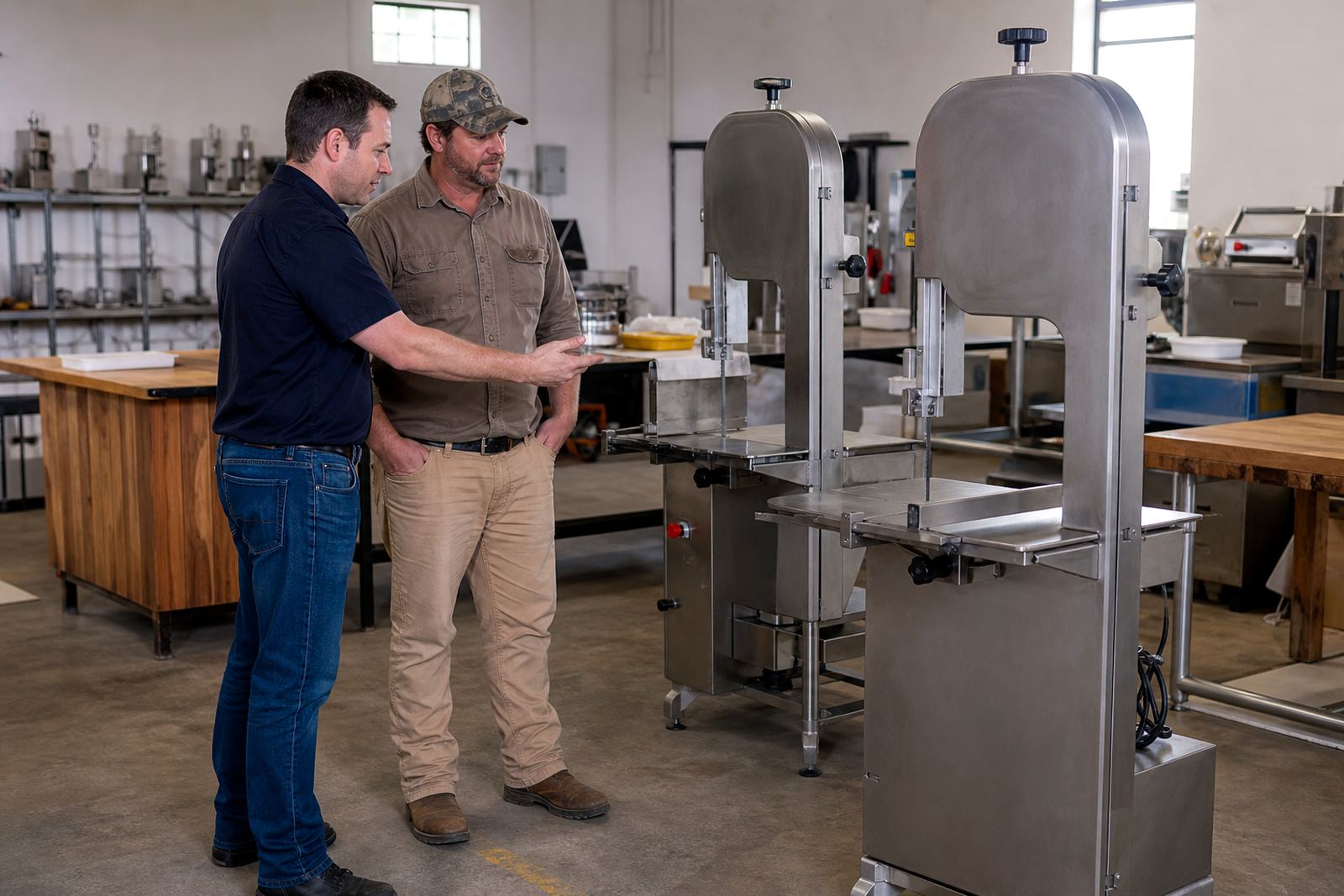
A machine that is installed well is easier to care for over time. Correct positioning, levelling, safe power connection and enough working space all help reduce wear and make cleaning easier. If the unit is squeezed into a tight prep area, operators often struggle to keep it clean and safe.
Training should happen at the same time as installation or when a new operator joins the team. The best servicing plan falls flat if staff do not know how to strip down the parts correctly, replace a blade safely or spot when the machine needs attention. That is why the people using the equipment should know the basics of care, cleaning and safe shutdown.
Where a site has several operators on different shifts, keep the instructions visible near the machine and make sure everyone uses the same cleaning and start-up routine. Consistency cuts down on avoidable damage and helps the servicing schedule hold together.
Use This Practical Service Checklist Before Booking A Callout
When you know a service is due, a short checklist helps you prepare the site and avoid wasted time. It also makes it easier for the service team to arrive with the right parts and get the machine back into use faster.
- Confirm the machine model, age and last service date.
- Note the fault, if there is one, and when it started.
- Check whether the machine is safe to isolate and access.
- Remove waste, packaging and loose tools from the work area.
- Set aside any worn blades, plates or knives that may need replacement.
- Make sure the operator who knows the problem is available to explain it.
If you need delivery and setup in Bloemfontein, Johannesburg, Pretoria, Durban, Cape Town, Kimberley, Welkom or Kroonstad, plan the visit around your trading hours. That keeps the work moving and reduces the chance of interrupting your busiest window.
Keep Repairs Small By Acting Early
Most avoidable machine downtime starts with something small. A blade that is left too long, a plate that no longer gives a clean finish, or a mincer that is not cleaned properly after use can all lead to bigger trouble. Preventive servicing is there to catch those signs early and keep the machine reliable through the year.
For many butcheries, the best plan is a fixed schedule for routine care plus a second review after busy periods. That gives you a chance to reset, replace worn parts and brief the team before the next run of work. If a machine starts to change sound, cut quality or output, do not wait for the next planned service. Deal with it then.
Good service planning is simple: know the machine, clean it well, train the team and keep records. Done properly, that approach helps commercial and home butchers keep working with less strain and fewer surprises.