

1. Clear The Installation Area Before The Truck Arrives
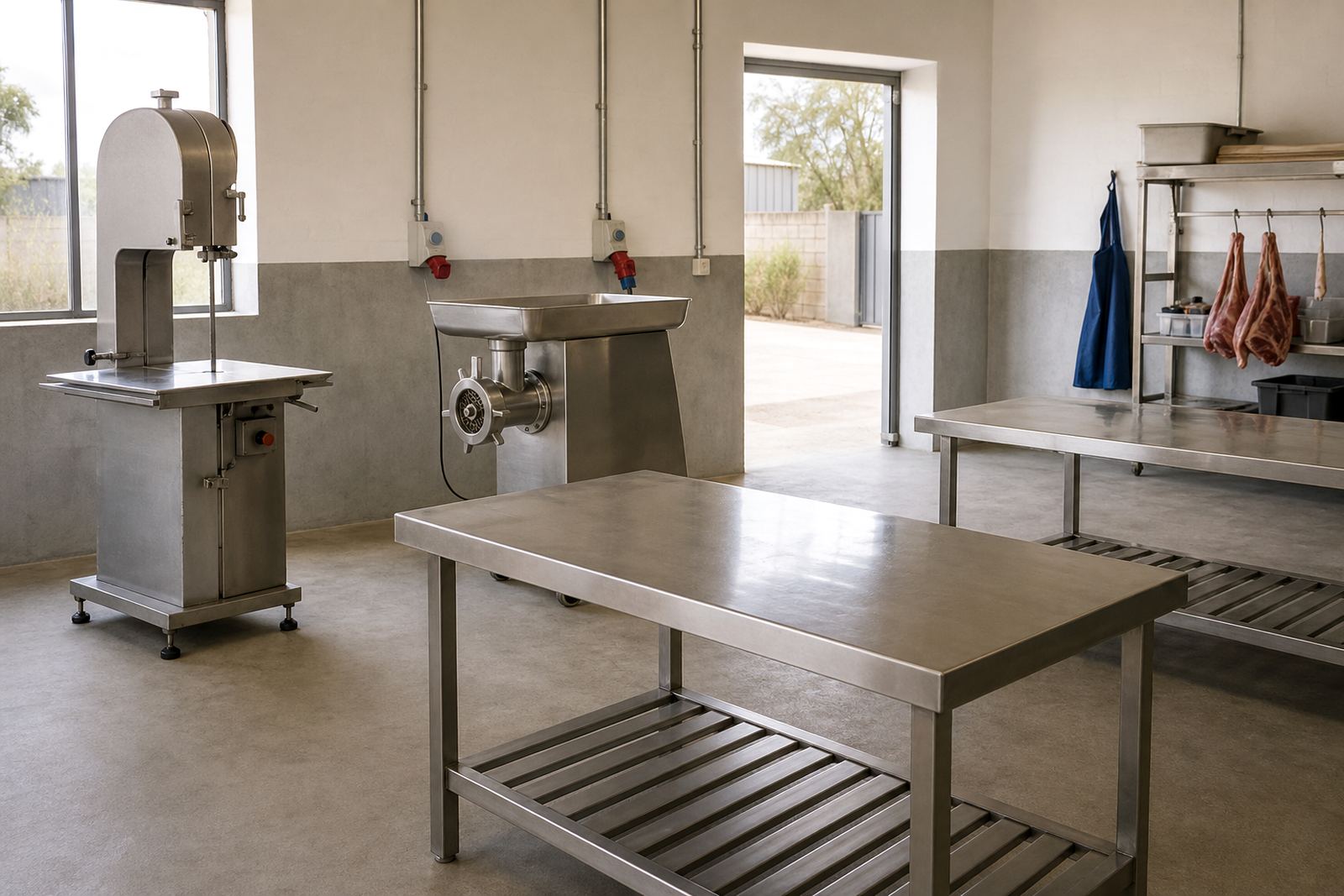
Before any butchery equipment is brought in, make sure the final position is open and easy to reach. The installation spot should already be measured, cleaned and free of crates, stock boxes, loose knives and old equipment. In a busy shop, a clear path saves time and reduces the risk of knocks to walls, tiles and door frames.
For commercial butchers in Bloemfontein, Johannesburg, Pretoria, Durban and Cape Town, access matters just as much as floor space. Check gates, corridors, stairwells and loading points. If the equipment must pass through a cold room area or a tight prep room, measure the route properly and leave enough turning space. In homes and small operations, even a narrow scullery or garage entrance can slow things down if not prepped beforehand.
It also helps to think about drainage and cleaning. The area should be easy to wash down, with no pooled water, loose grout or cracked tiles that can cause slipping. If the room has been used for other prep work, sweep and mop it before the team arrives. A clean start makes the setup smoother and gives you a proper first inspection point.
2. Check Power, Water And Floor Conditions First
Many delays come from simple site issues rather than the equipment itself. Before delivery, confirm that power points are where they need to be and that the supply is suitable for the machine you ordered. If you are in an area affected by load-shedding, plan for what happens during testing and early use so there are no surprises on the day. A stable, safe supply matters more than rushing to switch on too early.
Water access is important for cleaning and hygiene, especially where regular wash-downs are part of the daily routine. Make sure taps are reachable and the drainage point is working. Floors should be level, dry enough for safe handling and able to support the machine in its final position. If the surface is uneven or soft, speak to the team before placement so the issue can be handled properly.
Preparation is a small step, but it makes a big difference to safety and preperation time. If your site has municipal rules, landlord conditions or shared building access times, sort those out before delivery day. This is especially important for butchers operating from trading centres, farm shops and township premises where access control can affect timing.
3. Make Room For Safe Handling And Final Placement
Once the unit is off the vehicle, it still needs a clear route to its final spot. Make sure there is enough space for handling, turning and final positioning. If you have counters, cold rooms, hanging rails or packaging tables nearby, move them out of the way or cover them so they are not damaged.
It is also wise to prepare for the weight and size of the equipment without trying to move it manually in a rush. Keep children, customers and unrelated staff away from the area during placement. If the machine needs to pass through a public shopfront, schedule the delivery for a quieter time of day so the work can be done properly.
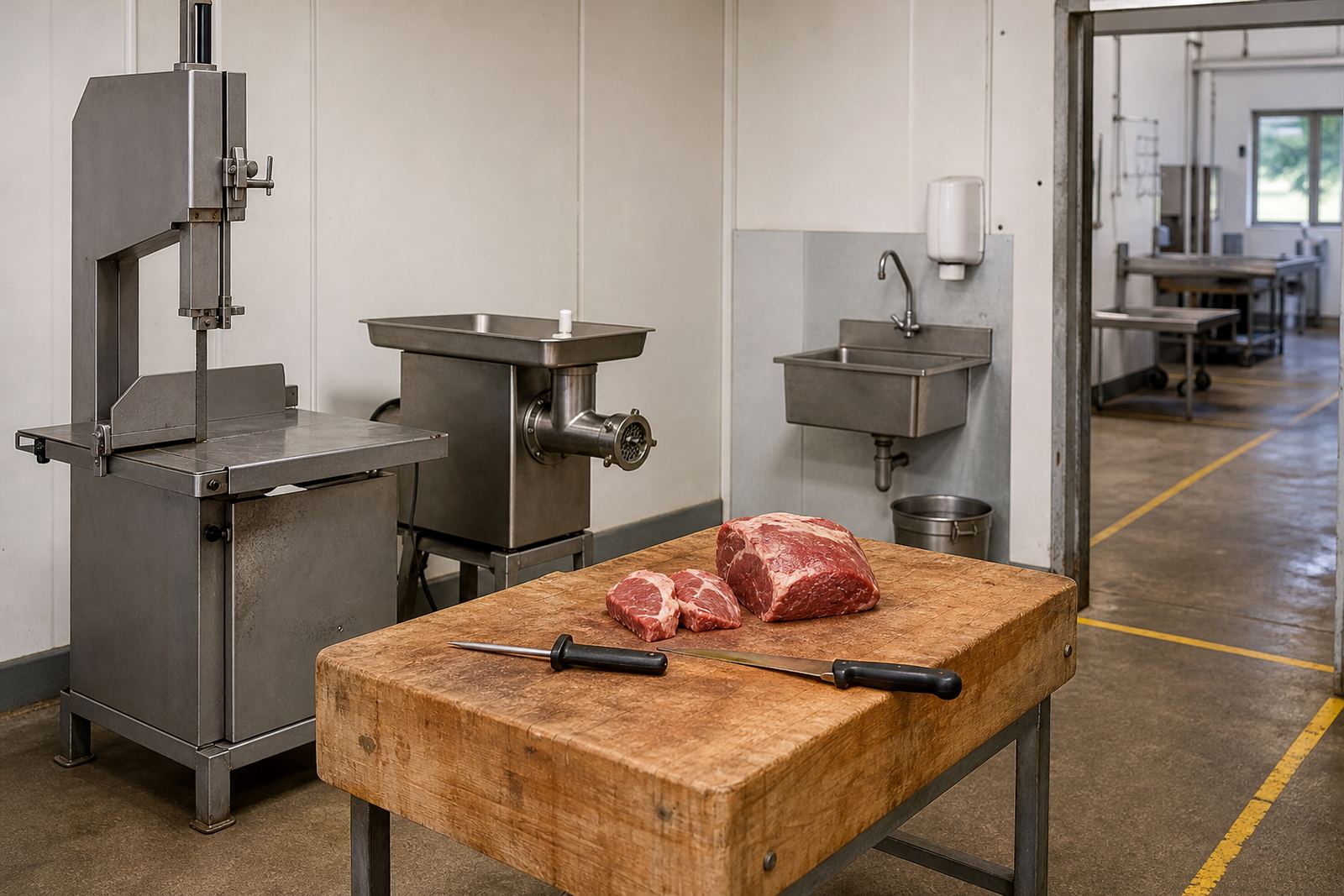
Have the final location marked out before the team arrives. That saves time and avoids repeated moving. A clear plan also helps when you are arranging more than one item, such as a bandsaw and a mincer going into the same prep room.
- Clear the floor and remove loose items.
- Measure doorways, passages and corners.
- Protect walls, tiles and counters where needed.
- Keep the final position marked and ready.
- Restrict access while lifting and placing is underway.
4. Prepare Your Staff For First Use And Cleaning
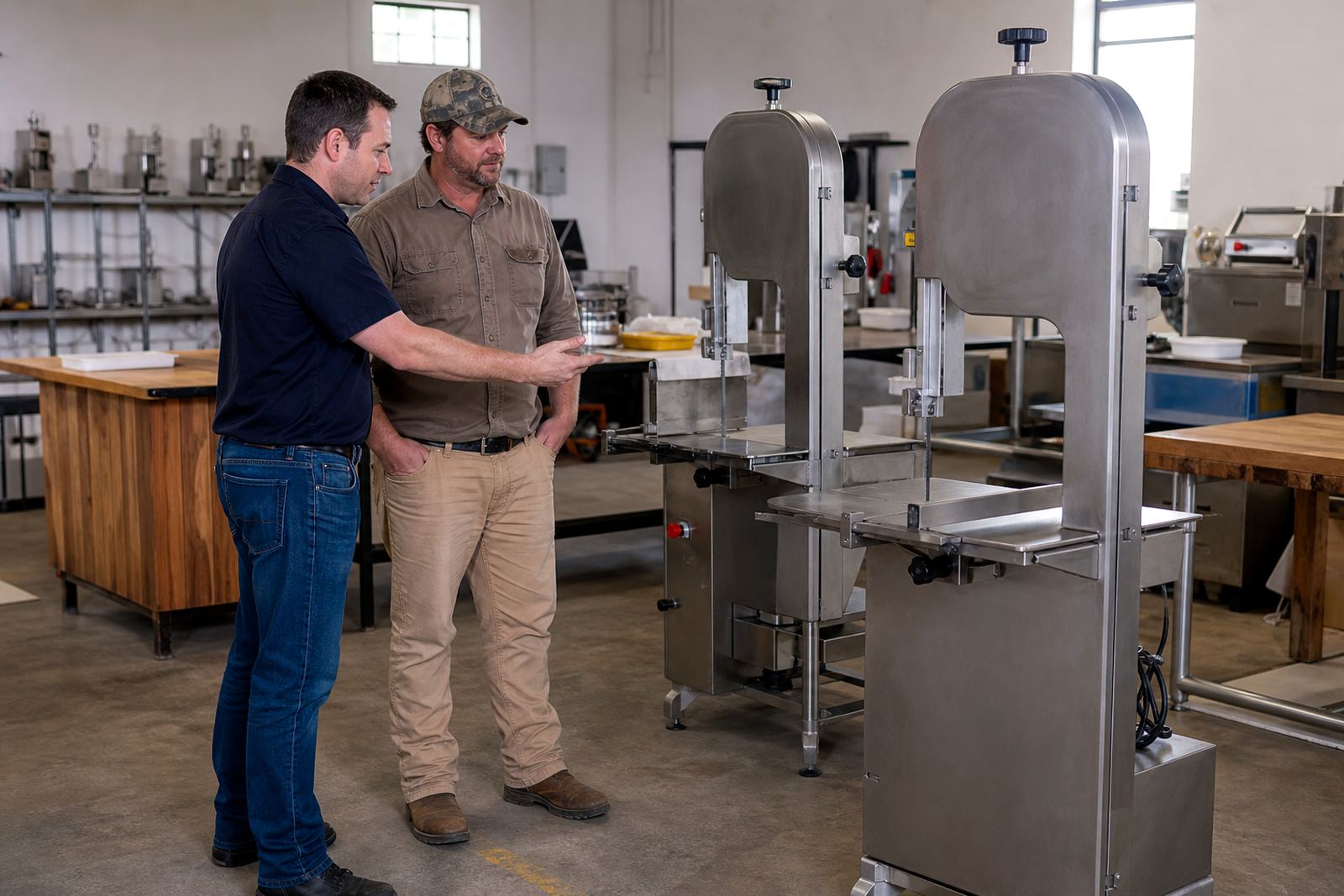
Delivery day is the right time to set expectations for safe use. The person who will operate the bandsaw or mincer should be available for the handover if possible. That gives them a chance to ask questions about setup, basic care and the cleaning routine. Operators should understand where the guards are, how to keep hands clear, and why the machine must never be used with missing safety parts.
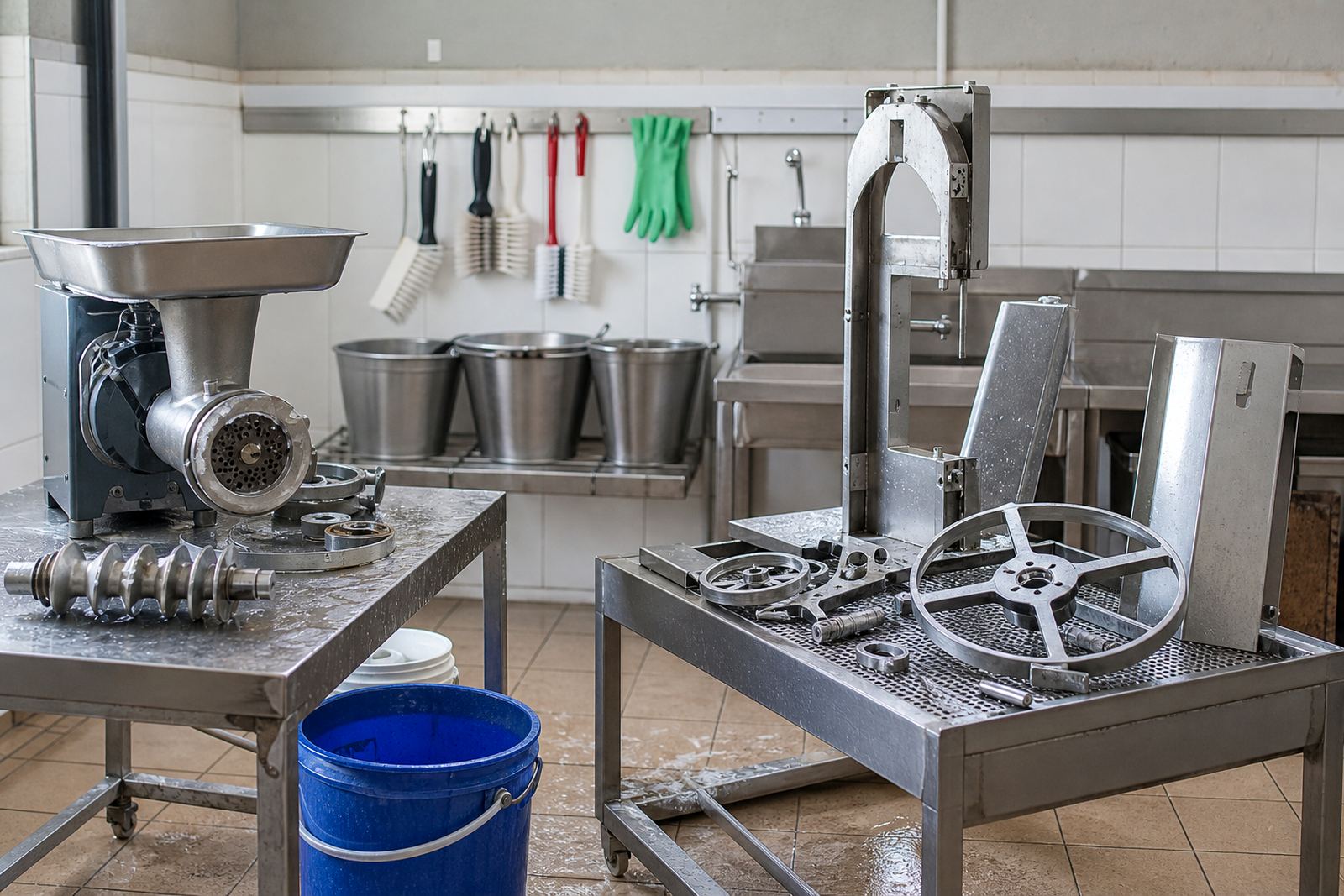
Have cleaning materials ready before the unit is placed into service. That means suitable brushes, cloths, sanitising products and a safe place to keep them close by. If the unit is being used in a commercial environment, set up a daily wash-down routine from the start instead of waiting for later. Good cleaning habits help protect the equipment and support food safety in a busy butcher shop.
Gloves, aprons and other PPE should also be on hand for anyone involved in setup or first use. Training should be practical and simple, with clear instructions on safe loading, cleaning and shut-down. If staff rotate between tasks, make sure everyone knows who is responsible for switching off, cleaning and reporting faults.
5. What To Have Ready On The Day Of Delivery
A short checklist helps avoid last minute scrambling. Keep the essentials together so the delivery and setup can move without pauses. If you are receiving equipment in a farm shop, commercial butchery or home prep space, the same basic preparation applies.
- Final floor space cleared and measured.
- Power points checked and accessible.
- Water access and drainage confirmed.
- Cleaning supplies ready for wash-down.
- Operator available for handover.
- Safe access for the delivery team.
- Protective gear for handling and cleaning.
If you are taking delivery in Bloemfontein, Kimberley, Welkom or Kroonstad, think about weather too. Wind, dust and rain can affect loading points and outdoor access. In coastal areas like Durban and Cape Town, humidity can make cleaning and drying more important right after setup, so it is worth planning where the machine will stand and how the room will be kept dry.
6. After Setup: Start With A Simple Care Routine
Once the equipment is in place, the first few days are about careful use and regular checking. Watch for any movement on the floor, keep the area dry and make sure the guards, blades or plates are fitted correctly before use. Do not overload the machine or force product through it. A calm start helps the operator build good habits from day one.
Create a weekly routine that includes cleaning, inspection and a look at wear parts. For bandsaws, that means checking blade condition, guard position and cleanliness around the cutting area. For mincers, it means checking plates, knives and feed parts, then cleaning every contact surface properly. If something feels loose, noisy or out of line, stop and arrange a service check rather than carrying on.
MorCut Butchery supplies and services bandsaws and mincers from Hamilton in Bloemfontein, with delivery and support across South Africa. Whether you are setting up a commercial shop or a smaller home operation, the goal is the same: safe placement, clean operation and equipment that is ready to work when you need it.