

Know Which Parts Wear First
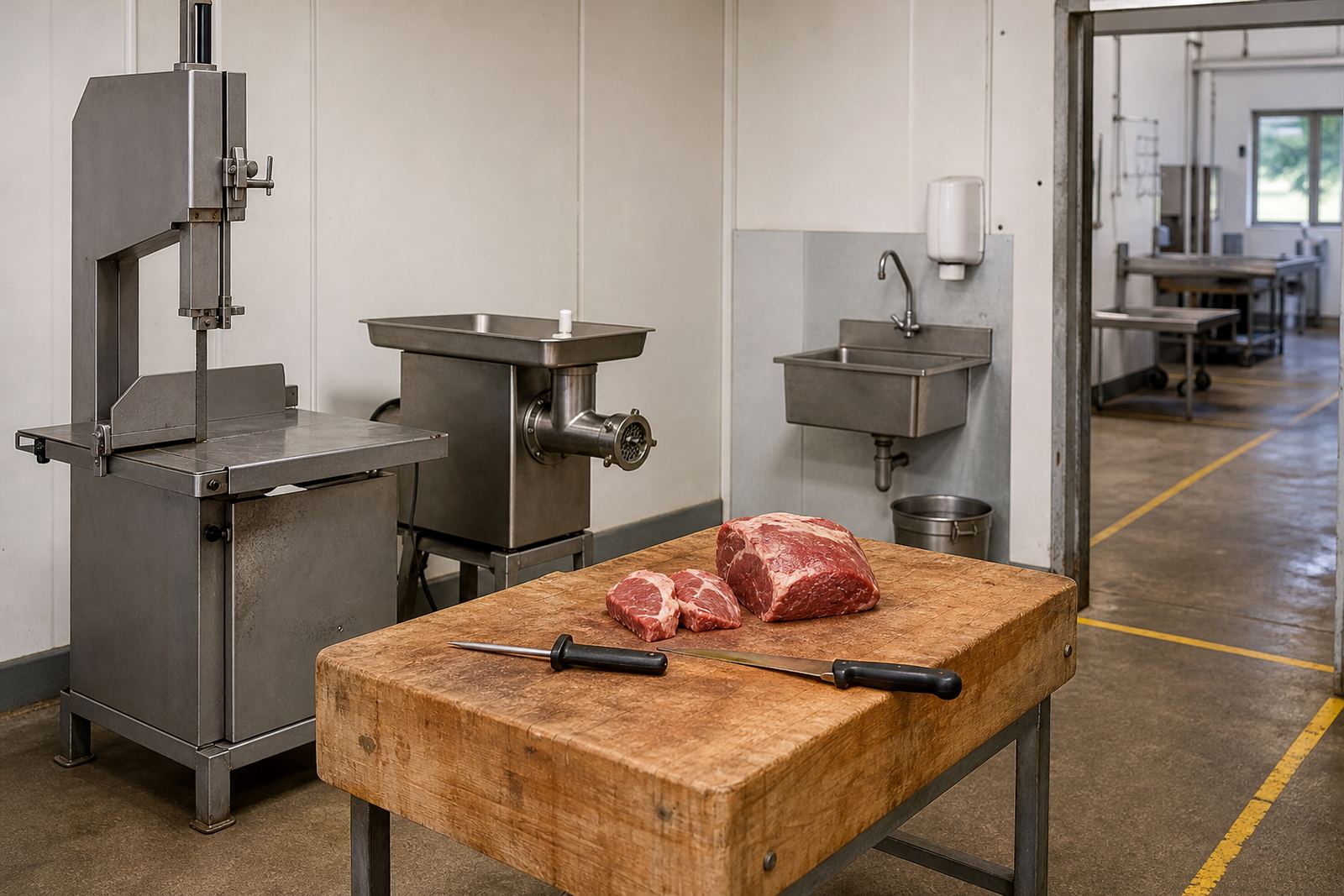
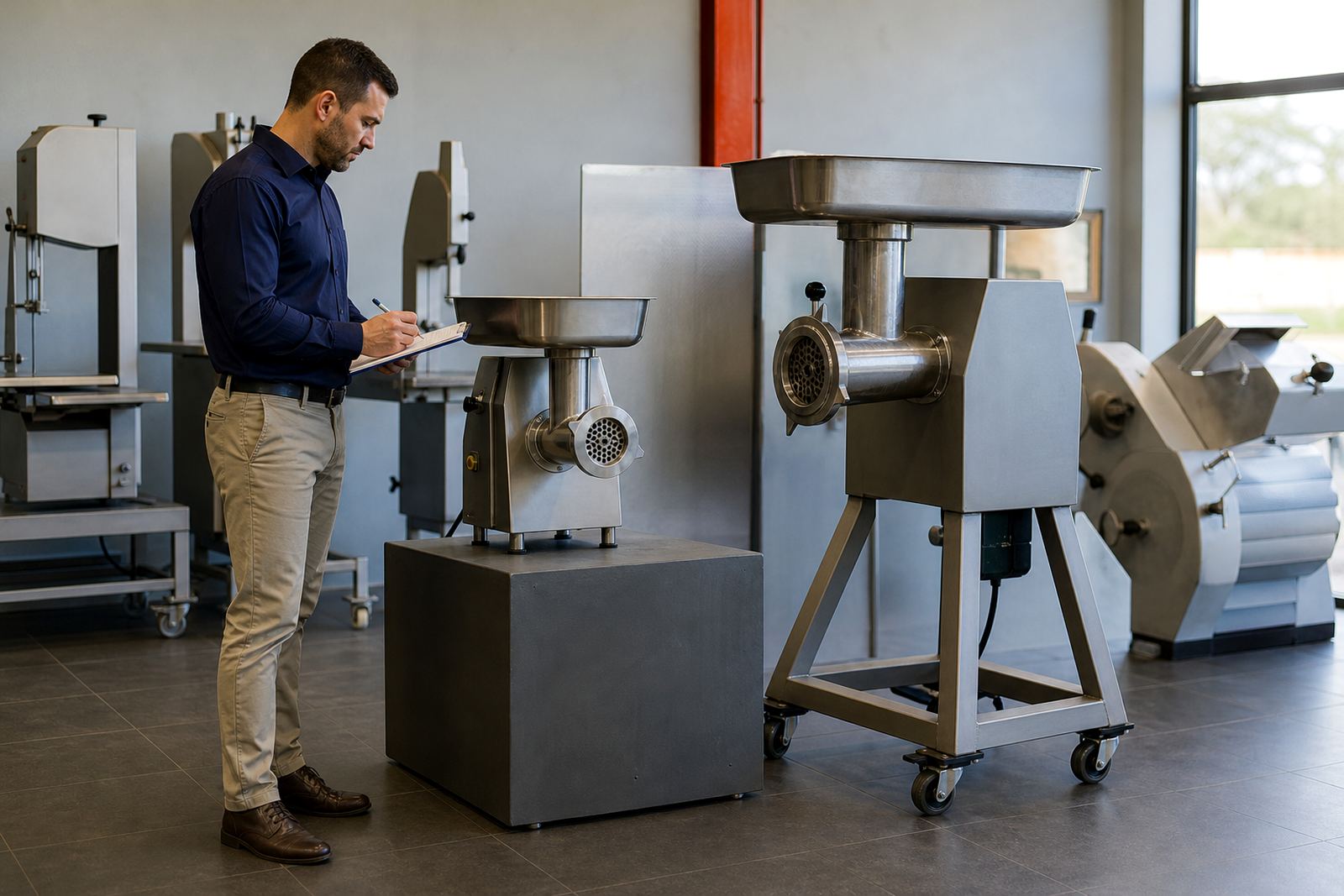
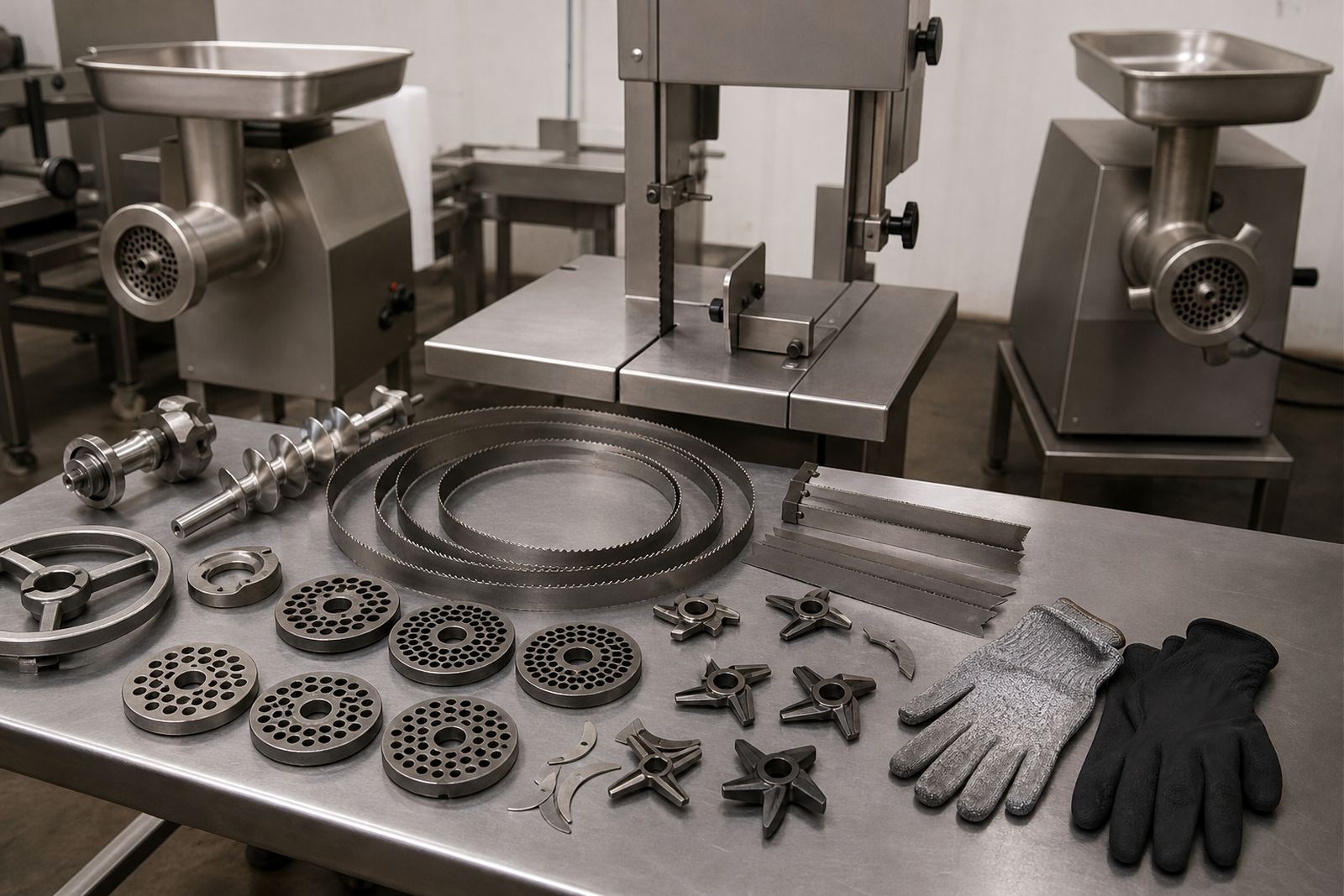
On a bandsaw, the parts that usually wear first are the blade, blade guides, drive belts, bearings and the guards that keep the cutting area controlled. On a mincer, the plate, knife, worm, seals and pusher parts take the most strain, especially where meat is processed daily and cleaning happens often. If the machine is used in a busy butcher shop, a small home setup, or on a farm block, these parts can show wear sooner than expected.
Timely replacement matters because worn parts affect cut quality, increase heat and put extra load on the motor and operator. A dull blade can wander, a tired mincer knife can tear meat instead of cutting it, and a worn plate can make the mince uneven. In Bloemfontein and other inland towns, dust can also work its way into moving parts, while coastal humidity in Durban or Cape Town can speed up corrosion if cleaning and drying are not done properly.
Simple Signs a Replacement Is Due
Most wear parts give warning before they fail completely. Watch for changes in sound, cutting effort, vibration and finish. If a bandsaw starts to pull off line, needs more pressure to cut, or leaves rough edges, the blade and guides may need attention. If a mincer slows down, pushes product unevenly, or leaves smearing instead of a clean grind, check the knife, plate and worm assembly.
- Cutting takes longer than usual or the machine feels strained
- There is extra vibration, noise, or a new rattling sound
- Meat comes out uneven, torn, or warm to the touch
- The blade or cutting set shows visible scoring, chips, or dull edges
- Cleaning no longer removes all residue from contact surfaces
These signs do not always mean a major fault, but they do mean the part should be checked before the next busy shift. Waiting too long often turns a small parts change into a bigger repair, and that can mean downtime when your block is already busy.
Step-by-Step Replacement Check Before You Order
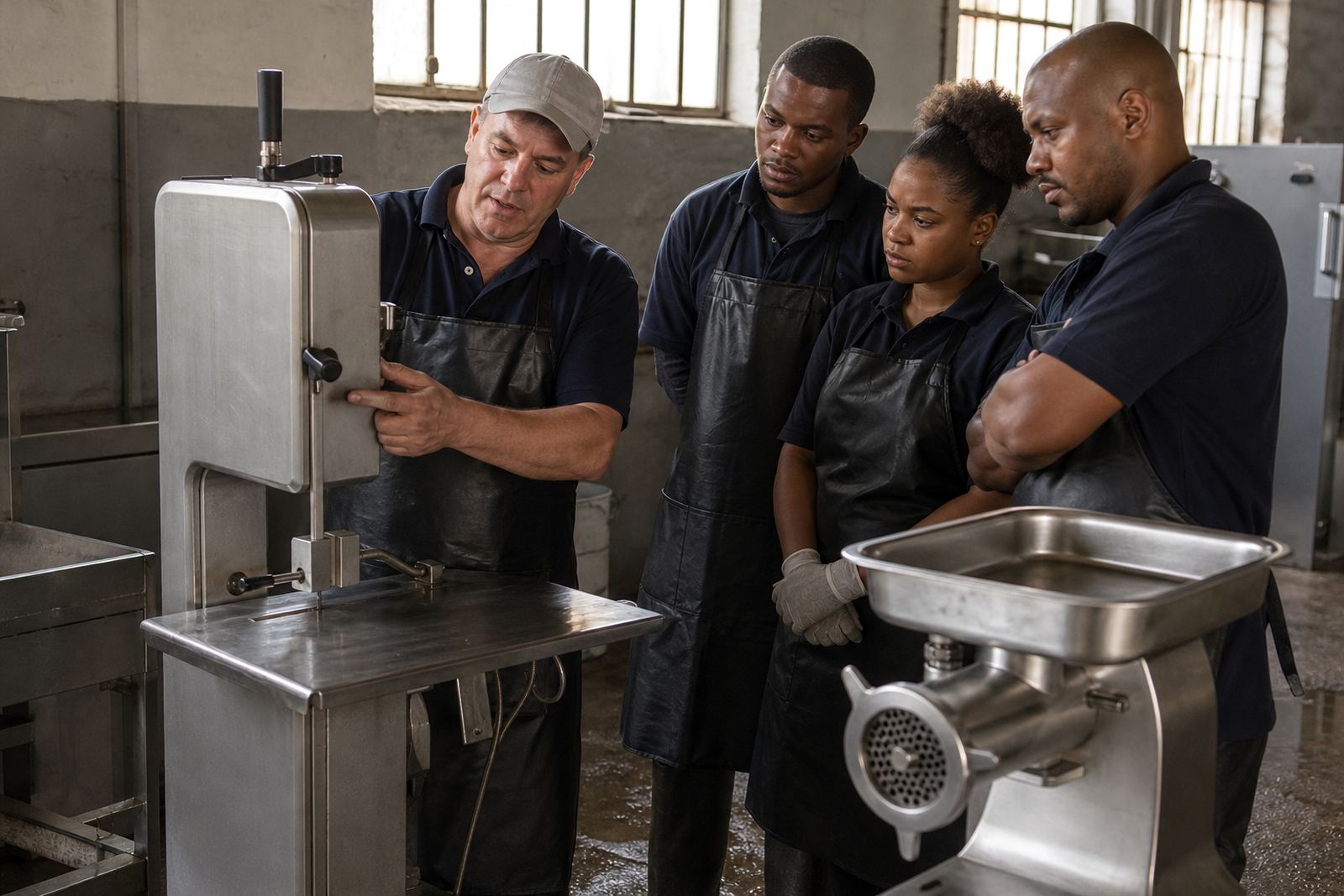
Before ordering parts, switch the machine off and isolate it from power. Let it stop fully, then remove product, covers and loose residue. For safety, wear gloves and suitable PPE, especially when handling blades, knives or sharp plates. If the unit has been running hot, give it time to cool before inspection.
- Check the visible wear on the blade, knife or plate surface
- Look for rust, pitting, bent edges or uneven contact marks
- Feel for play in moving parts and listen for rough bearings
- Inspect seals, guides and belts for cracking or slackness
- Compare the part against the machine’s existing setup before fitting
Take note of any serial details or part markings that are still legible, as this helps prevent ordering the wrong size or pattern. If you are unsure, keep the old part aside and bring it in for comparison. That saves time, and it avoids fitting something that looks close but does not seat correctly.
How Cleanliness Extends Part Life
Good cleaning habits make a big difference to how long replacement parts last. After each use, remove meat residue, fat and moisture from the cutting area, feed tray, throat and all exposed surfaces. Do not leave parts soaking in water for long periods unless they are made to handle that treatment, because trapped moisture can lead to corrosion and loose fitment over time.
For bandsaws, keep the blade path clear and make sure guards are refitted properly after cleaning. For mincers, separate the cutting set and clean each piece thoroughly, then dry them well before storage or reassembly. A light food-safe protective treatment may help on some metal surfaces, but the machine must still be kept clean and dry. In Free State conditions, especially during dry winter periods, dust and grit can cling to lightly oiled parts if storage is not done properly, so a clean cloth cover is a sensible extra step.
- Clean immediately after use, not the next day
- Dry all parts fully before putting the machine back together
- Store spare blades, knives and plates in a dry place
- Keep replacement parts wrapped or labelled so they stay protected
When to Replace vs When to Service
Not every symptom means the part must be replaced at once. Sometimes a service, adjustment or proper cleaning will restore the machine to normal working condition. That said, parts that are visibly worn, warped, chipped or corroded should not be kept in service. If the machine has already been through repeated blade changes or plate changes and still cuts poorly, the issue may be in the alignment, bearings or drive components.
Routine servicing is especially useful before peak trading periods, after transport, or when a unit has been standing unused for a while. Commercial butchers in Johannesburg, Pretoria, Durban and Cape Town often plan parts checks around busier trading days, while smaller home butchers may only notice problems when the machine starts slowing down. Either way, the rule is the same: if a part no longer seats properly or affects safety, replace it rather than trying to stretch its life.
A Practical Replacement Checklist for Busy Workdays
Use this short checklist to keep parts replacement organised and avoid last minute trouble. It works well for shops in Bloemfontein as well as delivery points across the country, from Kimberley and Welkom to Kroonstad and the main metro areas. Keep a small record of what was changed and when, so you can spot wear patterns early.
- Confirm the machine is isolated from power
- Inspect the worn part and match it correctly before ordering
- Replace related parts together when they wear as a set
- Test the machine with no product first
- Check guards, alignment and cleaning after reassembly
If a replacement part arrives and does not fit as expected, stop and recheck the machine setup before forcing it. A part that is nearly right can still damage the unit, and that usually costs more in the end. For dependable upkeep, keep spare wear parts on hand and schedule regular checks instead of waiting for a breakdown.