

Compact Cutting For Busy Prep Areas
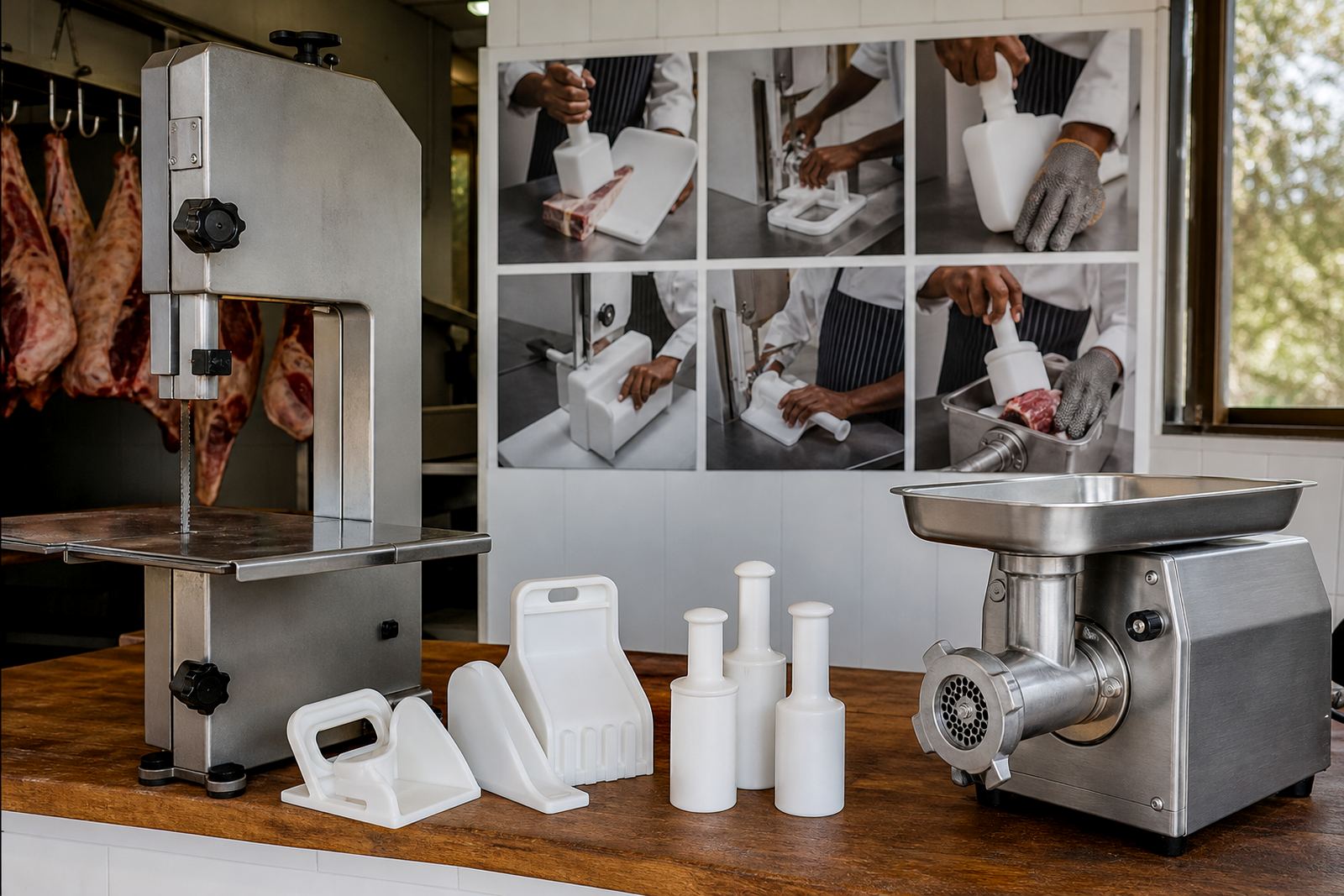
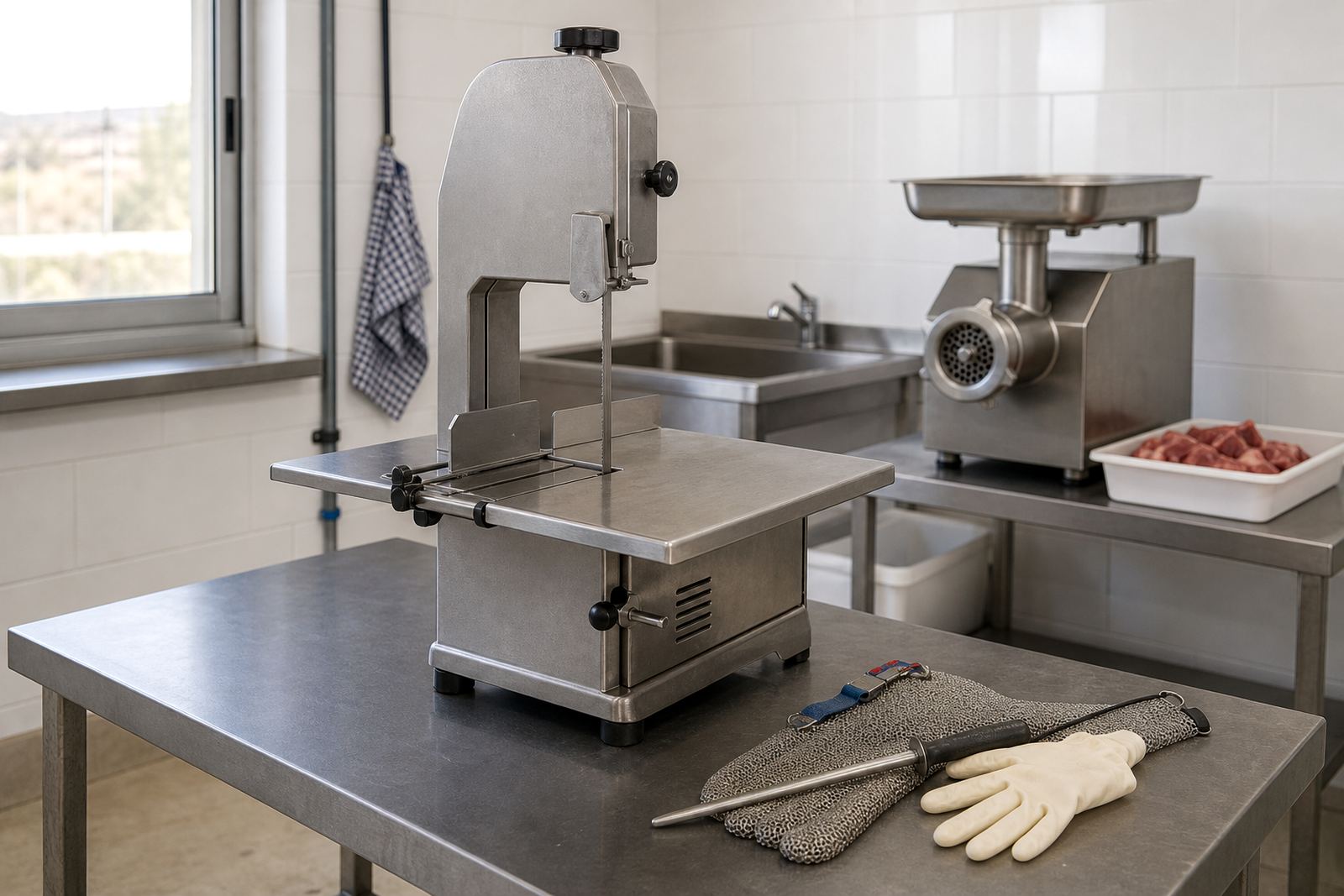
Table bandsaws are built for butchery work where floor space is tight but cutting consistency still matters. They sit on a counter or bench, making them a practical choice for smaller prep rooms, farm shops, home butchers and satellite cutting areas that need neat, controlled portioning.
In day-to-day use, a table bandsaw helps with repeatable cuts through meat and bone, while keeping the operator in a more compact working position. For businesses in Bloemfontein, Welkom, Kroonstad and Kimberley, that can mean easier workflow in premises where every square metre counts.
Common Options And What To Expect
Different table bandsaws suit different workloads, so the right choice depends on your cutting volume, available space and the type of product you process. Some units are better for lighter daily use, while others are suited to more regular commercial cutting. When ordering, it helps to match the machine to your actual output rather than buying too large or too small.
- Compact bench-mounted format for smaller rooms
- Suitable for controlled meat and bone cutting
- Options vary by blade size, table layout and motor arrangement
- May be suited to light commercial or home butchery use
- Can be supplied with delivery and setup across South Africa
We guide clients through the usual choices so they can compare a simple home setup with a busier shop floor. If you are unsure, it is better to check the work area first and then decide on the right unit and layout.
Where Table Bandsaws Fit Best
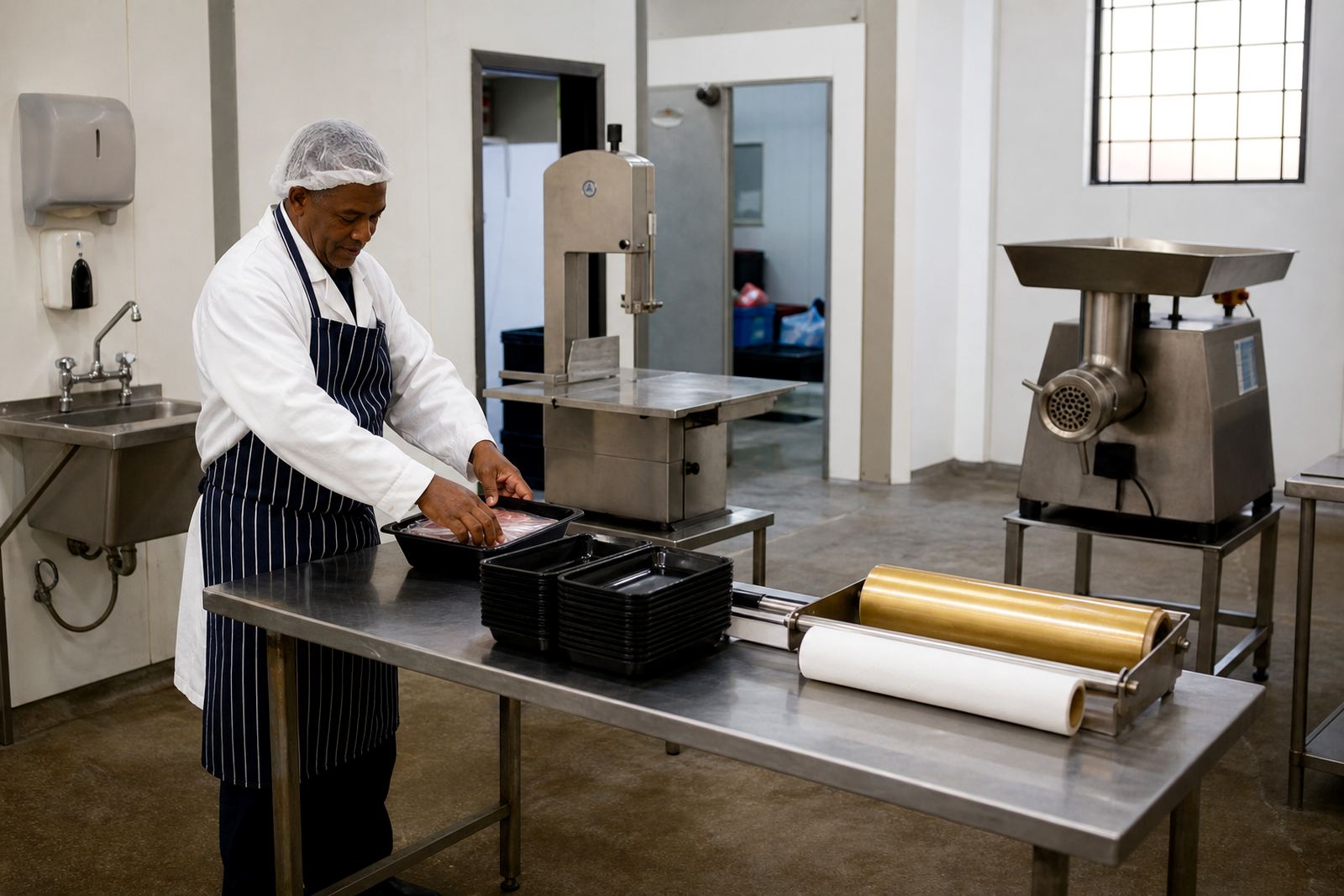
These machines are commonly used in small butcheries, farm butchery rooms, mobile prep points and businesses that need a second cutting station. They are also useful where a full-size floor machine would be too large or too costly for the space available.
- Home butchers working from a garage or outbuilding
- Small retail butcheries in towns and suburbs
- Farm shops and meat prep rooms
- Backup cutting stations in larger operations
- Premises that must keep walkways clear for staff and customers
In coastal areas like Durban and Cape Town, regular cleaning matters even more because humidity can affect equipment care. In colder inland areas such as Bloemfontein and Johannesburg, dust and daily residue still need proper attention, so routine cleaning should never be skipped.
Installation, Power And Workspace Checks
Before installation, check that the bench is level, strong and able to carry the machine securely. The machine must sit with enough clearance for loading, cutting and cleaning, and the operator should be able to work without leaning across the blade area. Guards must stay in place, and the machine should only be used by people who understand the controls.
Power needs depend on the model, so the supply should be confirmed before delivery. If your site uses backup power during load-shedding, it is worth checking how the machine will perform on your available supply. In some shops, an installer will also look at plug points, isolation, nearby wash areas and the general layout before setup is completed.
- Confirm bench strength and machine footprint before ordering
- Check power supply and backup arrangements if needed
- Allow space for cleaning around the unit
- Keep the machine away from splash zones where practical
- Plan safe access for loading and operator movement
Care, Cleaning And Servicing That Keep It Working
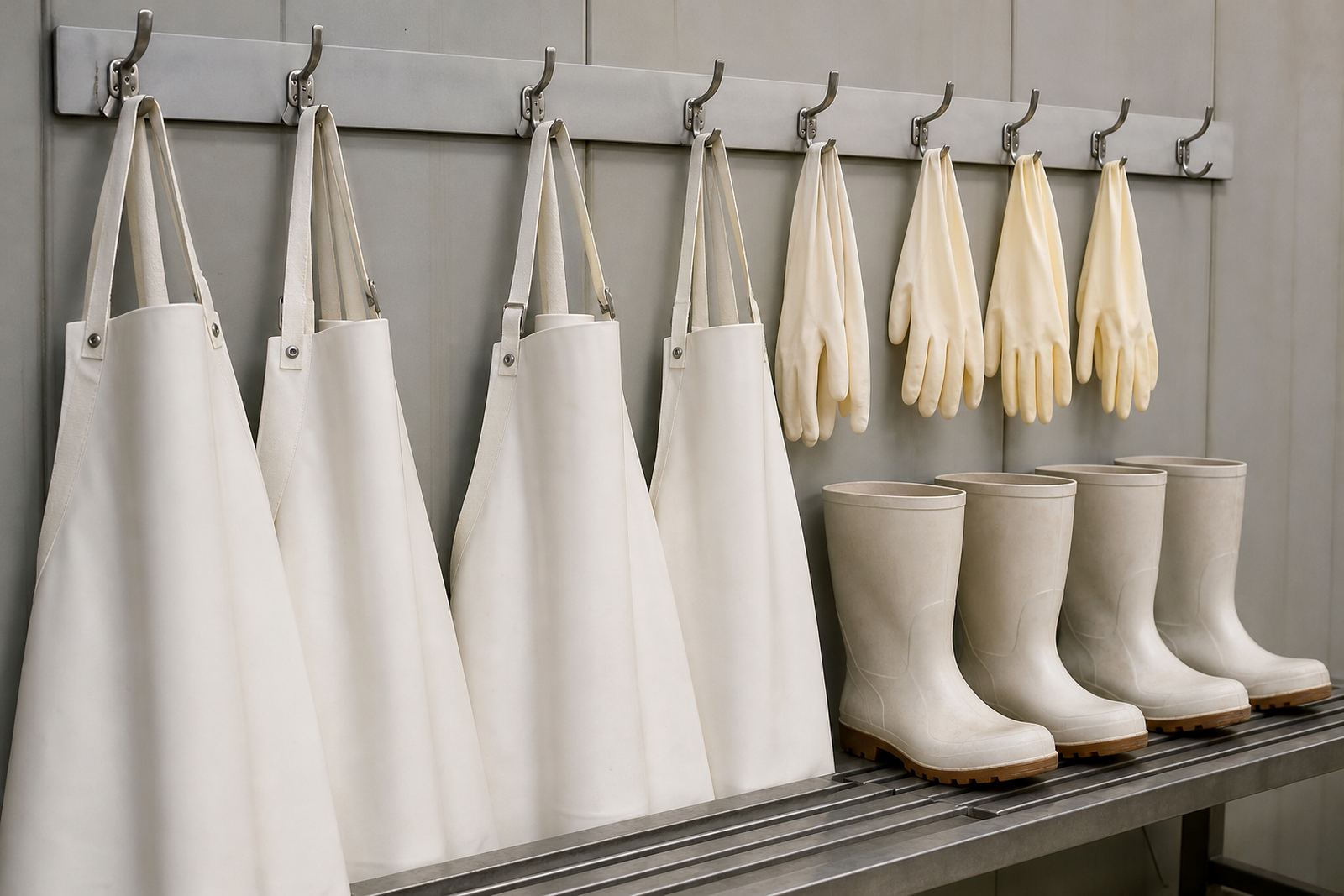
Good care starts with daily cleaning, careful blade handling and regular checks on wear parts. Meat residue should not be left on the machine after use, and operators should wear suitable PPE, including gloves and eye protection where required. A clean machine is easier to inspect and less likely to cause trouble during the next shift.
Regular servicing helps reduce breakdowns and keeps cutting more consistent. That can include checking guards, alignment, blade condition and moving parts. If the machine starts to cut unevenly, makes unusual noise or shows signs of strain, it is best to stop and have it inspected rather than forcing it to carry on.
- Clean after each use and dry the machine properly
- Check guards and safety fittings before operation
- Replace worn blades promptly
- Keep the area around the machine clear
- Book preventive maintenance before busy periods
What To Check Before You Order
When you enquire, it helps to have a clear idea of your space, workload and product type. Let us know whether the machine is for home use, a small retail shop or a commercial prep room, and whether you need delivery only or full setup with training. That makes it easier to match the right table bandsaw to your operation.
It is also useful to check whether you need blade replacement support, operator training, breakdown callouts or ongoing servicing after installation. Our Bloemfontein base in Hamilton supports supply, delivery and servicing to Johannesburg, Pretoria, Durban and Cape Town, as well as surrounding areas and towns where practical.
- Measure the available bench space
- Confirm your power access before delivery
- Think about how often the machine will be used
- Ask about setup, training and servicing support
- Make sure staff understand basic safe operation
For many buyers, the right choice is the one that fits the work area properly and can be maintained without hassle. A table bandsaw should make the job steadier, not more complicated.
Key facts
| Product type | Compact table bandsaw for butchery use |
|---|---|
| Typical use | Small cutting spaces, light commercial and home butchery work |
| Mounting | Bench or counter mounted |
| Power needs | Model dependent, confirm before ordering |
| Safety features | Blade guards and controlled operator access |
| Support | Delivery, setup, training and servicing available |