

What a Safety Pusher Does in Daily Butchery Work
A safety pusher is a simple handling aid used to feed product into cutting equipment while keeping hands back from the blade, plate or feed throat. In a butchery, that extra bit of distance can make a steady routine feel a lot safer, especially when staff are working quickly during busy prep times or when the work area is damp from cleaning.
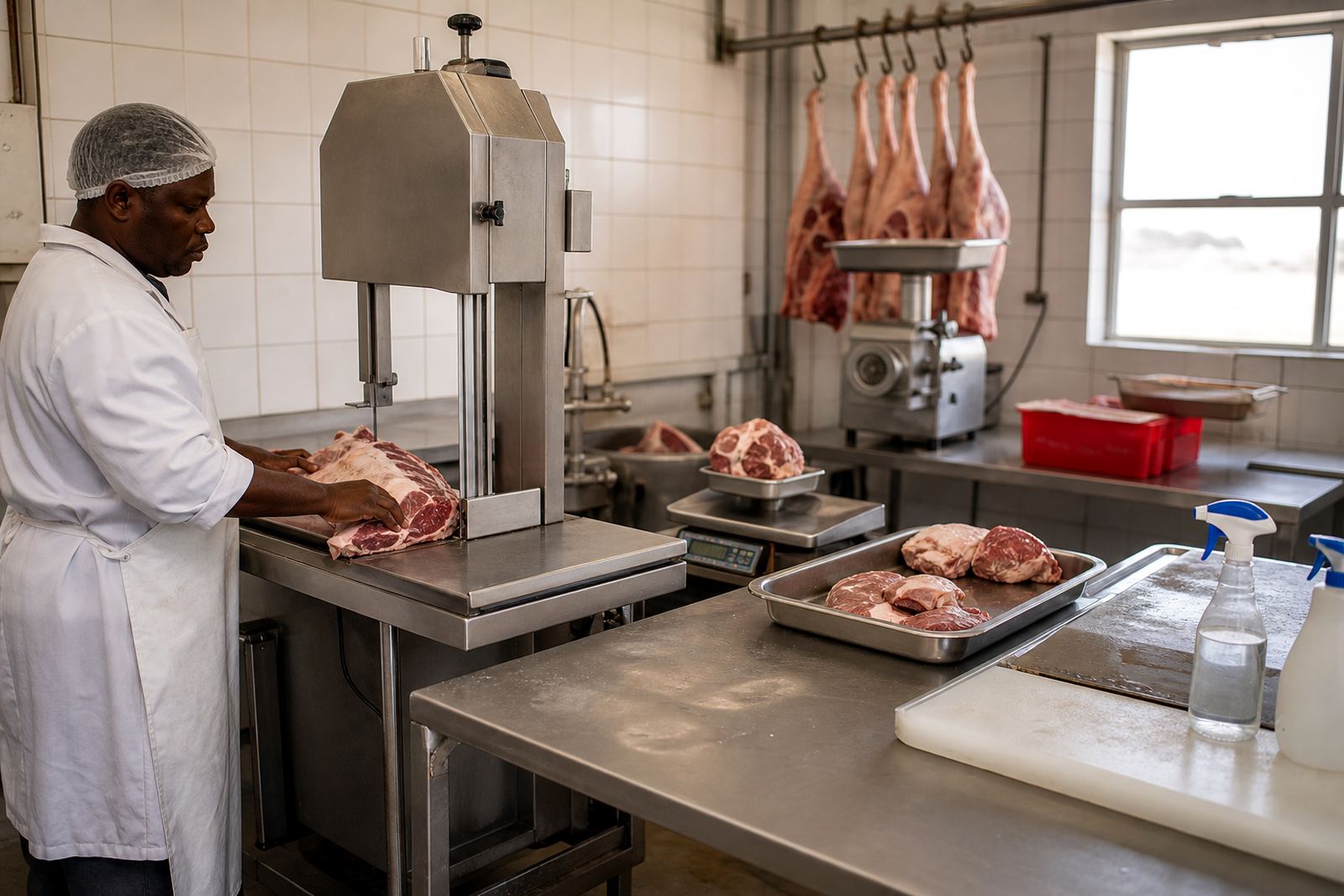
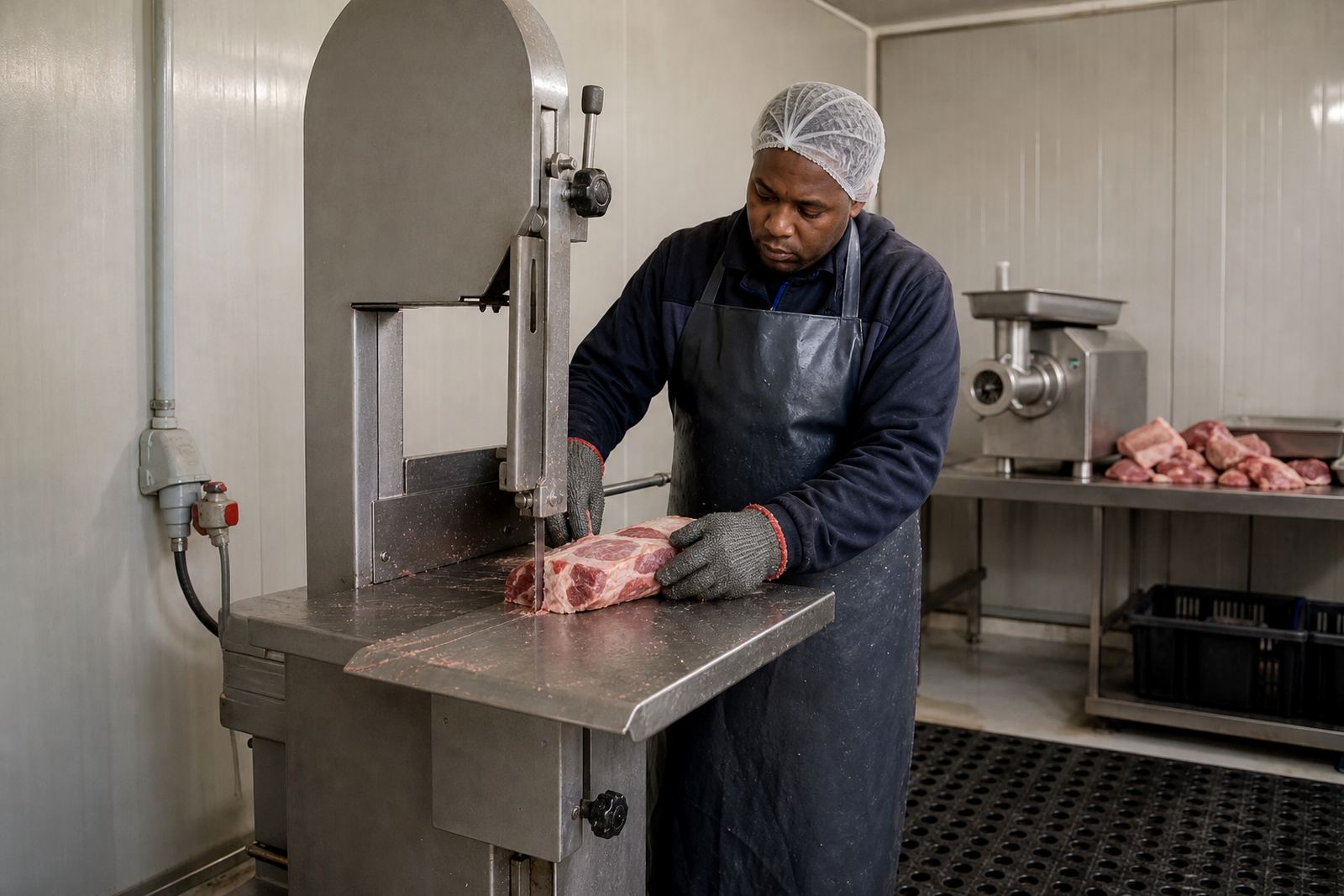
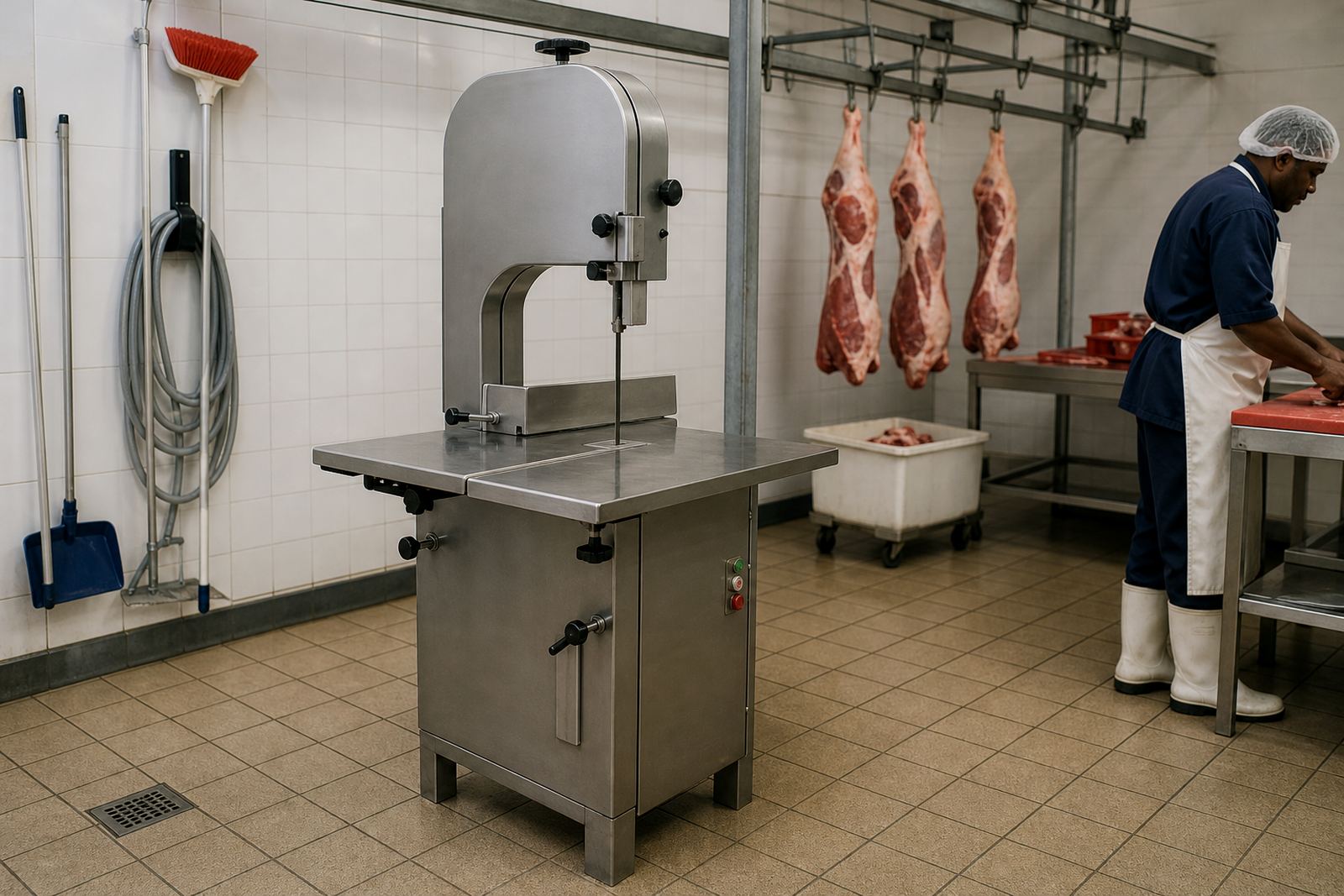
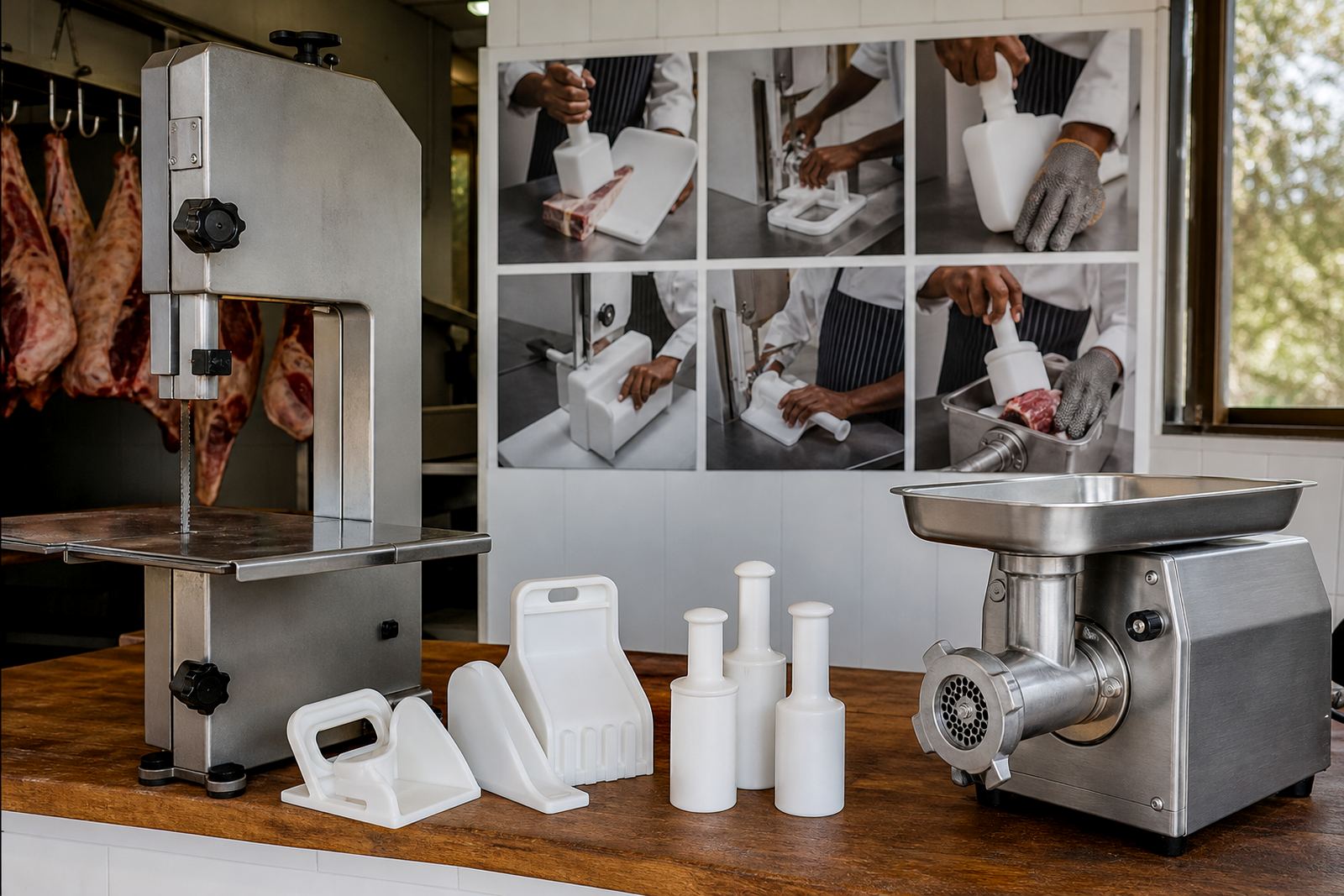
Safety pushers are generally used with bandsaws, mincers and other feed-in tasks where a firm grip is needed. They do not replace guards, good training or correct operating practice, but they do support safer feeding and better control. For home butchers, smaller units can help with regular small batches. For commercial use, a more substantial handle and a broader contact face are often better when the pace picks up.
- Helps keep fingers away from the cutting zone
- Improves grip on slippery or uneven product
- Supports more controlled feeding and less strain
- Useful in cold rooms, prep rooms and production areas
Sizes, Shapes and Handling Options
Safety pushers come in practical shapes to suit different work styles. Some are compact for lighter tasks and smaller hands, while others have a wider grip and a longer handle for more leverage. The right choice usually depends on the equipment being used, the size of the portion being fed and how the operator prefers to stand at the machine.
Options may include flat-faced pushers, contoured grips and models suited to left or right hand use. In some set-ups, a pusher with a textured surface gives better control where meat is wet or slightly oily. It is worth matching the pusher to the type of work rather than choosing by price alone, because the wrong shape can feel awkward and slow the job down.
- Short or long handle styles
- Compact and wider face options
- Left-hand and right-hand friendly designs
- Light-duty and heavier-duty handling styles
Where Safety Pushers Suit Best
These handling aids are suited to butcheries that want a safer feeding method around bandsaws and mincers, whether the work is for retail display cuts, bulk preparation or small home processing. They are especially helpful where several staff use the same equipment and need a clear, repeatable way to feed product without improvising with spare tools or bare hands.
In Bloemfontein, Johannesburg, Pretoria, Durban and Cape Town, conditions can vary a lot. Coastal humidity, cold-room moisture and load-shedding routines can all affect how people work around equipment. A proper pusher helps keep the process more consistent, and it is easier to clean than many makeshift alternatives. That makes it a practical bit of kit for butcheries that want order at the workstation, not clutter.
- Commercial butcheries with regular prep work
- Home butchers needing safer feed control
- Training areas where new operators are learning the correct method
- Busy shops where more than one person uses the same machine
Installation, Fit and Power Requirements
Safety pushers do not need electrical connection, gas or plumbing. In most cases, the main job is simply choosing a unit that fits the operator and the equipment layout properly. If the pusher is used with a bandsaw or mincer, there should still be enough room to work comfortably around the feed point, guards and tray area. A good fit means the pusher sits naturally in the hand and does not force awkward wrist movement.
Where a butchery has a fixed workbench or a production line, it helps to keep the pusher within reach but away from splash zones and direct contact with cleaning chemicals. If the area is being set up alongside new equipment, installation usually means checking the work height, operator position and safe approach to the machine. That practical step saves time later and reduces the chance of poor feeding habits forming. It is also worth remembering that guards and safe operating procedures must stay in place, a pusher is only one part of safe use.
Care, Cleaning and Servicing Routine
Like other butchery accessories, a safety pusher should be cleaned after use and checked for wear regularly. Wash off meat residue, rinse away soap properly and dry the unit before storing it. If the surface becomes scored, cracked or loose in the hand, replace it rather than carrying on with a worn item. In wet prep areas, damage can develop faster than people expect, so a quick visual check before the shift starts is worth the effort.
Do not use harsh cleaners that leave residue on food-contact items. When the pusher is used with bandsaw or mincer work, routine servicing of the main machine still matters just as much as care of the accessory. Clean the equipment around the feed point, check that guards are secure and make sure the operator has PPE where required. A clean pusher is easier to grip and helps keep the work area more orderly, which matters when the team is under pressure. It is a simple thing, but it works well.
- Inspect for cracks, sharp edges and looseness
- Wash and dry after every shift
- Store away from floor moisture and prep splash
- Replace worn handling aids promptly
What to Check Before You Order
Before ordering a safety pusher, check the equipment it will be used with, the size of the product being handled and the way the operator stands at the machine. It helps to know whether the pusher will be used mainly for bandsaw work, mincer feeding or both. If more than one person will use it, choose a shape that feels steady in different hands and suits the pace of the shop.
You should also think about cleaning routine, storage space and whether the item needs to be easy to move between work areas. In smaller home set-ups, a compact design may be enough. In larger butcheries, a tougher handle and broader contact face can be more practical. When you enquire through the contact page, give the team the make of equipment, the kind of work done and any space limits around the feed point so the right option can be suggested without guesswork.
- Type of machine and feeding task
- Left-hand or right-hand preference
- Size of hands and operator comfort
- Cleaning method and storage space
Local Supply, Advice and Aftercare
MorCut Butchery supplies safety pushers from Hamilton in Bloemfontein to commercial and home butchers across South Africa, including Bloemfontein Supply, Johannesburg Delivery, Pretoria Delivery, Durban Delivery, Cape Town Delivery, Kimberley Supply, Welkom Supply and Kroonstad Supply. The team handles product advice, delivery and setup support where needed, and can also help with servicing, parts supply and training around safer day-to-day use of butchery equipment.
As part of a practical butchery set-up, safety accessories should be chosen with the same care as the machine itself. A good pusher is not flashy, but it makes the work calmer, neater and safer when used properly. If you need guidance on the right fit for your bandsaw or mincer, the enquiry form is the best place to start.
Key facts
| Use | Safe feeding aid for butchery cutting equipment |
|---|---|
| Compatibility | Suitable for use with bandsaws, mincers and similar feed tasks |
| Materials | Commonly available in food-safe plastic or stainless steel styles |
| Grip options | Short, long, contoured or wider-handling styles |
| Hand preference | Left-hand and right-hand friendly options may be available |
| Power requirement | No power or gas required |