

What A Spare Parts Kit Covers
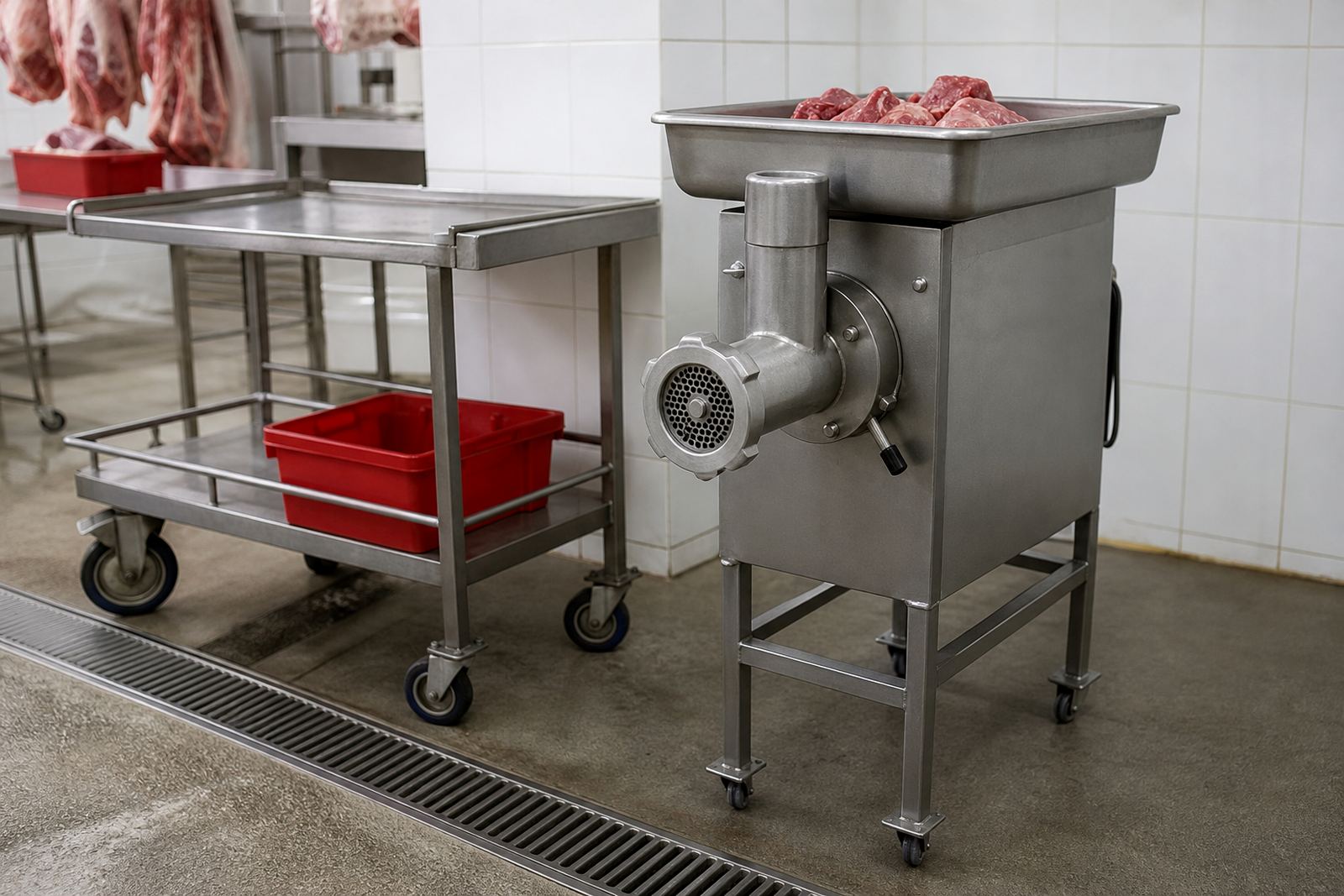
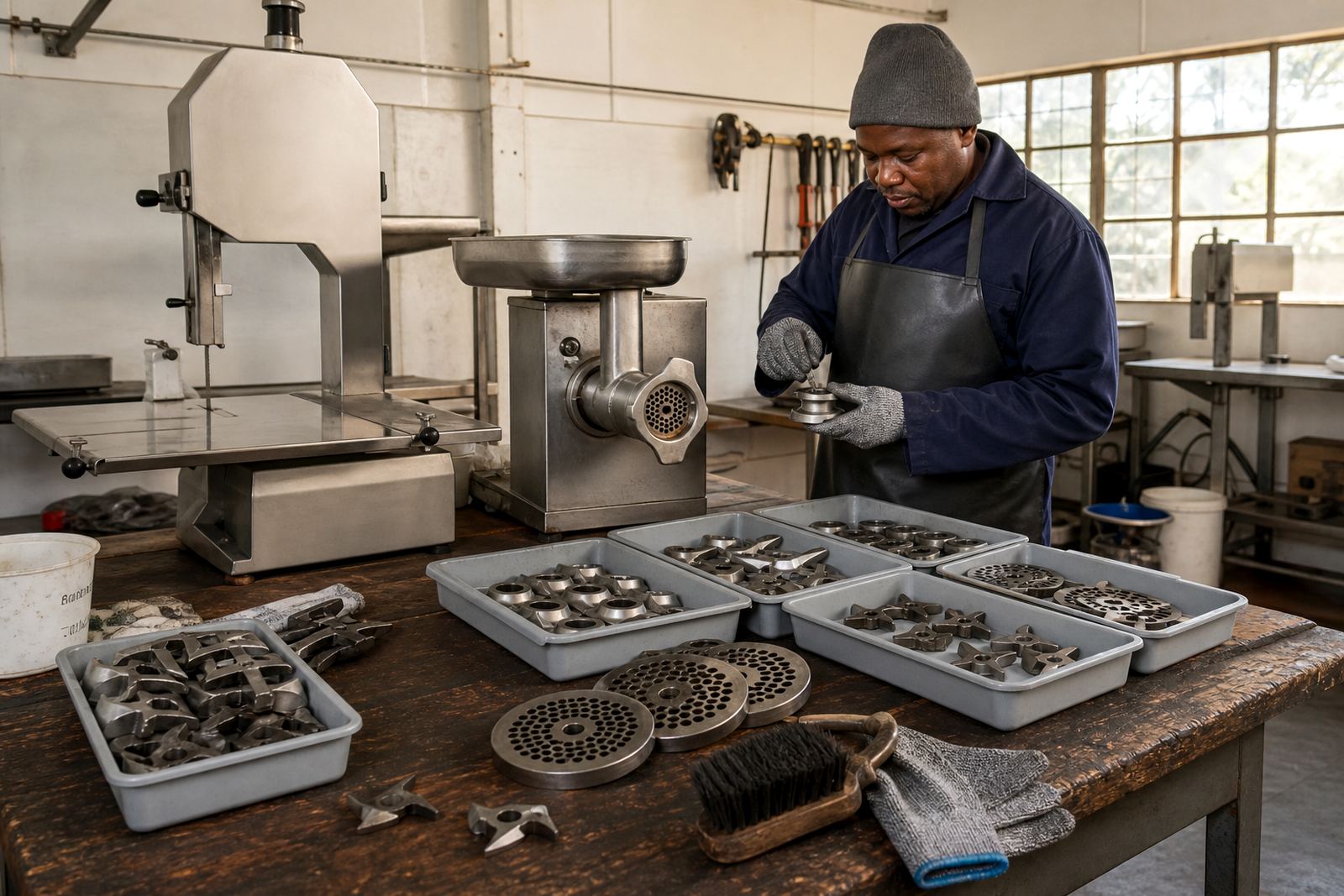
A spare parts kit is a practical maintenance pack for the parts that wear most often on butchery bandsaws and mincers. It is suited to scheduled servicing, quick turnaround repairs and keeping essential items close by when a machine starts showing signs of wear. For busy shops in Bloemfontein, Johannesburg or Durban, that can mean less waiting around while stock is sourced.
These kits are generally put together around the machine type and the parts that need attention most often. That may include items used for cutting, guiding, sealing, feeding or keeping the machine clean and steady in daily use. The aim is simple: keep the right small parts ready before a breakdown turns into a full stop.
Kit Sizes And Typical Options
Spare parts kits are usually supplied in simple levels, depending on how often the machine works and how much backup stock a butchery wants to hold. A small home setup may only need the basics, while a commercial block butcher or retail counter may prefer a more complete service pack.
- Basic kit for routine wear items and cleaning change-outs
- Service kit for scheduled maintenance and common replacements
- Extended kit for busier operations with higher daily use
- Machine-specific kit matched to a bandsaw or mincer model range
When ordering, it helps to say whether the kit is for a bandsaw or a mincer, and whether the machine is used for light home work or daily commercial cutting. That small detail saves time and helps avoid the wrong part being packed.
Where Spare Parts Kits Suit Best
These kits suit butchers who prefer to plan service work instead of waiting for a failure. They are useful in shops with more than one operator, in areas where delivery lead times matter, and in towns where power interruptions and load-shedding make it wise to keep maintenance on schedule.
They are also a good fit for smaller businesses in places like Kimberley, Welkom and Kroonstad that may not want to hold too much stock, but still need the right items close at hand. In coastal areas such as Cape Town and Durban, where moisture and humidity can affect equipment, regular replacement of worn parts and careful cleaning becomes even more important. A spare kit gives the team a sensible backup without overbuying.
- Commercial butcheries with daily throughput
- Home butchers who service their own equipment
- Shops that want fewer breakdown delays
- Operations that keep a planned maintenance schedule
Installation, Power And Machine Readiness
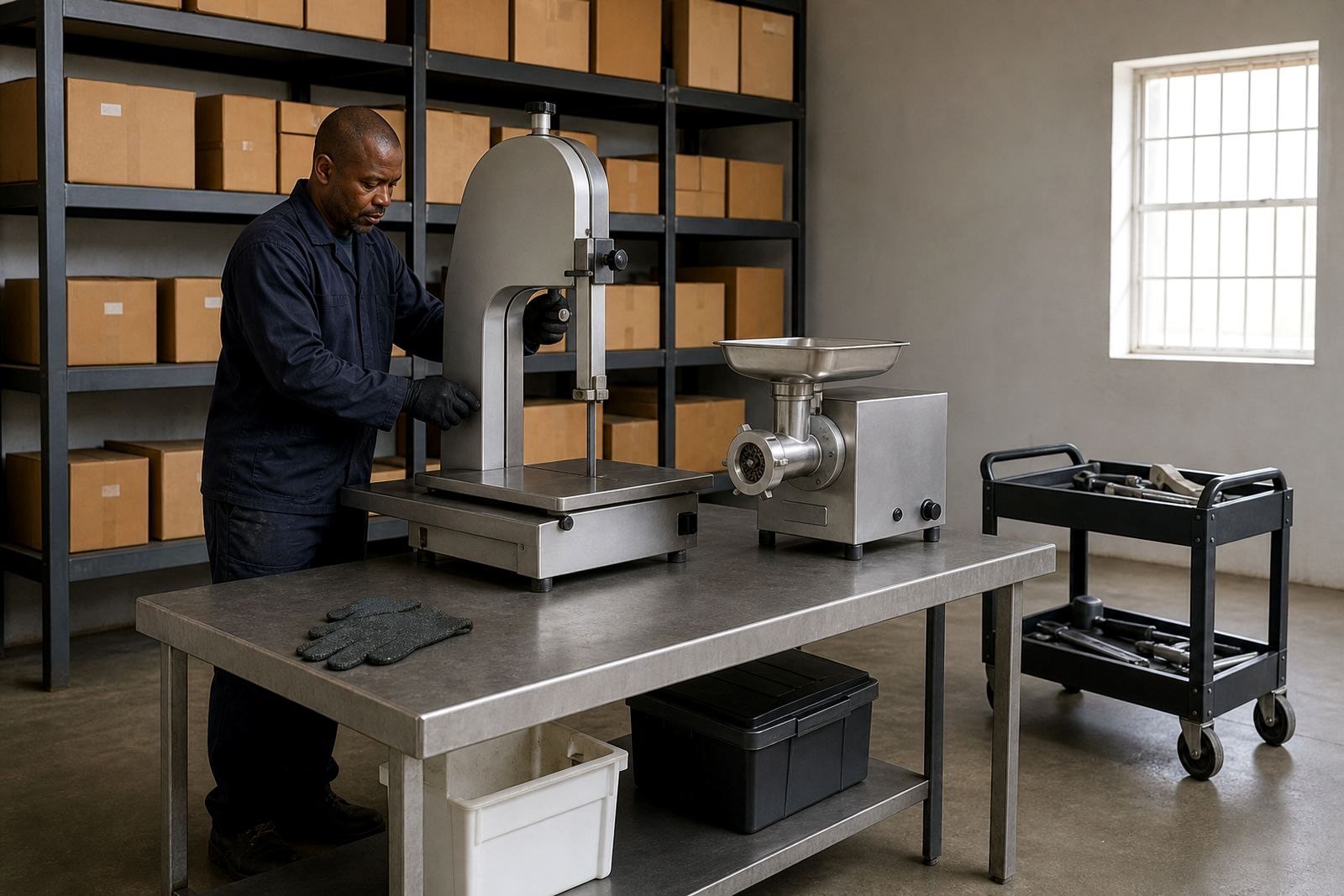
Most spare parts kits do not require power themselves, but they should be matched to the machine before any fitting begins. A bandsaw or mincer should be switched off and isolated first, with the operator wearing suitable PPE and using guards correctly once the machine is returned to service. If a part is fitted badly or forced into place, it can affect cutting, feed and general safety.
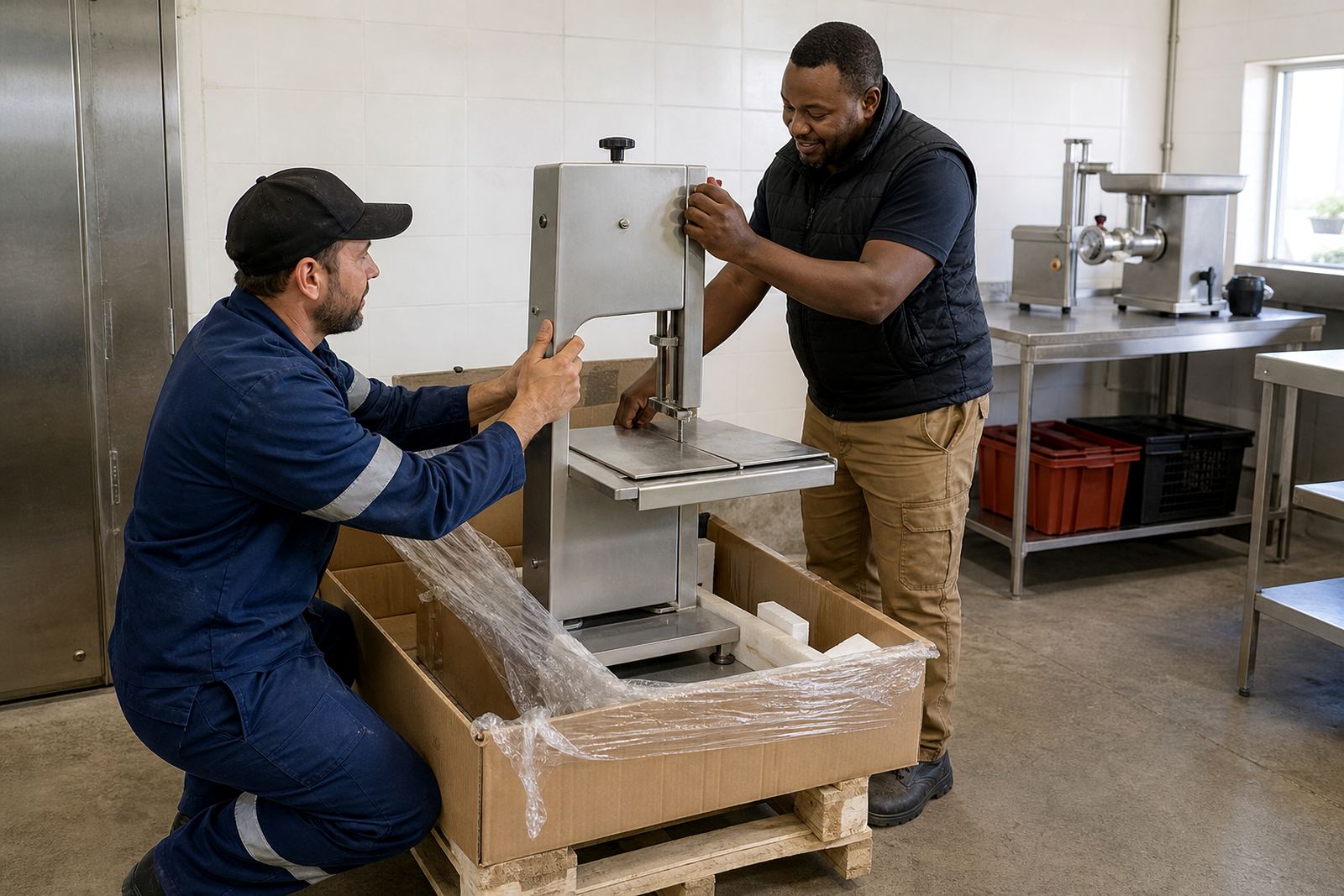
For installations or part changes that sit outside basic cleaning and visual checks, it is best to use a trained technician. That is especially important when blades, plates, knives, seals or drive-related parts are involved. If the machine is due for a full setup, MorCut can assist with delivery and setup in Bloemfontein, Johannesburg, Pretoria, Durban and Cape Town, plus other supply areas where needed.
Care, Cleaning And Regular Servicing
Spare parts last longer when the machine is cleaned after use, dried properly and checked on a set routine. Meat residue, fat and moisture can wear parts down faster than expected, especially if the machine is rinsed badly or left wet overnight. A simple cleaning method and the right service interval can prevent extra wear and keep output more consistent.
When checking a bandsaw or mincer, look for loose fittings, unusual noise, poor cutting action, feed issues, heat build-up and visible wear on the working parts. If any guard is missing or damaged, stop using the machine until it is fixed. It is also worth noting if the machine starts needing more force than usual, as that often points to a part that needs replacing rather than a bigger fault.
- Clean after each shift and dry all contact areas properly
- Check wear items before busy weekends and stock-up periods
- Store spare parts in a dry place away from wash-down areas
- Keep a written service record for easier planning
What To Check Before You Order
Before ordering a spare parts kit, confirm the machine type, the current wear pattern and which parts are already due for replacement. If you are unsure, check the old part against the machine details or send through the enquiry form on the contact page so the team can help match the right pack. A quick check now can save a wasted order later, and that is worth a lot when a butcher is trying to keep the counters moving.
It also helps to note whether the kit is for preventive maintenance, a known fault, or a planned service visit. If your business needs a regular stock holding for multiple machines, MorCut can help keep the parts side organised with supply, delivery and workshop support from Hamilton in Bloemfontein. The team, including Lerato Mokoena, Willem Jacobus Smit, Ayanda Khumalo, Morne du Plessis, Naledi Sekgobela and Themba Dlamini, works with commercial and home butchers across South Africa.
- Machine type and general age
- Parts already showing wear or damage
- Whether the kit is for service or emergency backup
- Delivery area and preferred turnaround time
Key facts
| Product type | Maintenance stock pack for butchery bandsaws and mincers |
|---|---|
| Use case | Planned servicing, wear part replacement and downtime reduction |
| Compatibility | Matched to machine type and the parts required by that model |
| Pack options | Basic, service and extended packs depending on usage |
| Installation need | No power needed for the kit itself, fitting should be done safely on isolated equipment |
| Supply areas | Bloemfontein, Johannesburg, Pretoria, Durban, Cape Town, Kimberley, Welkom and Kroonstad |