

What a home mincer does in everyday use
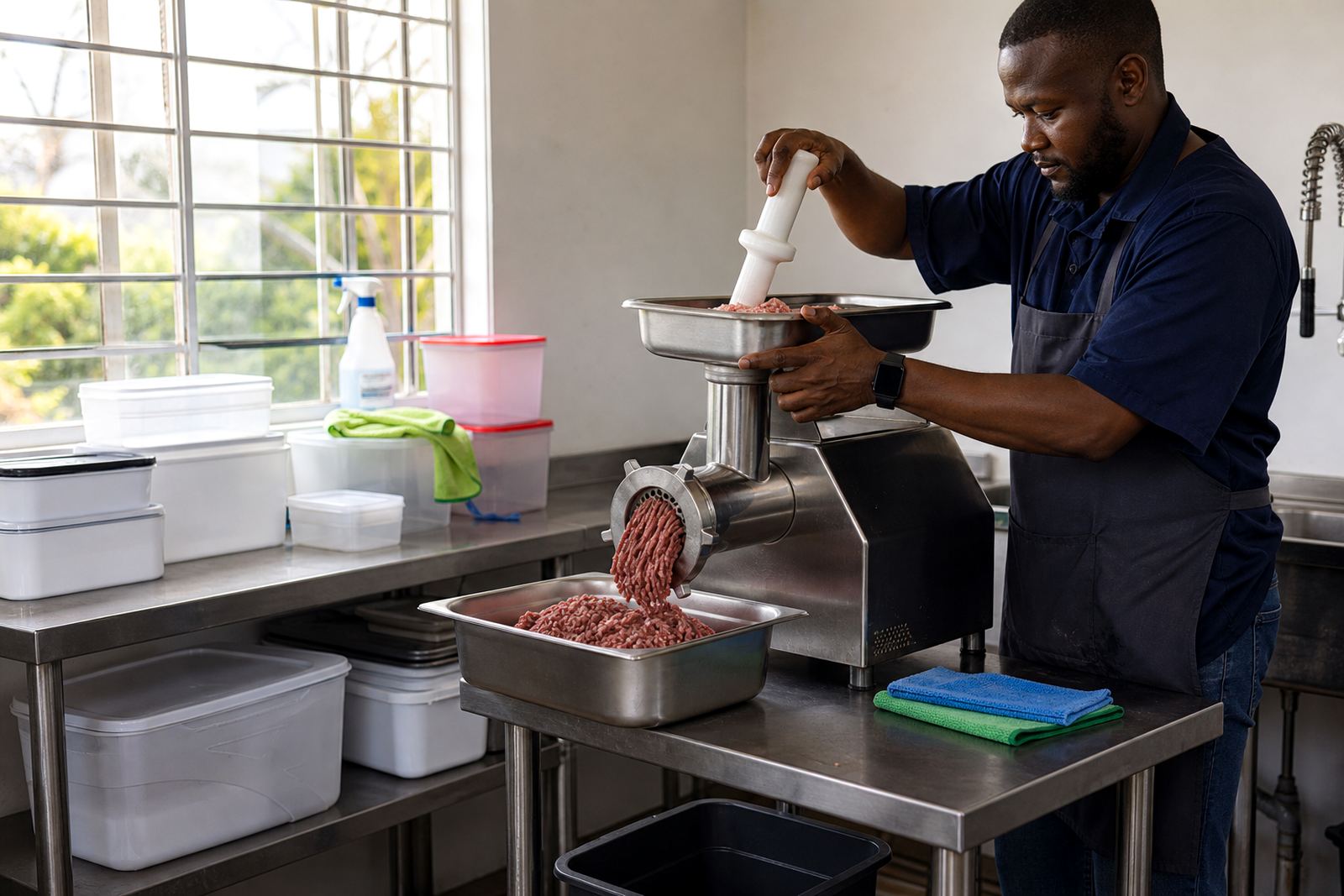
A home mincer is built for preparing meat in smaller batches, with a straightforward feed system that lets you process trimmed meat for mince, burger mixes, sausage filling and similar household needs. It is a practical machine for people who buy meat in bulk, keep a chest freezer at home, or prefer to prepare meals with their own seasoning and fat content. For many households, it saves time and gives better control over texture than hand chopping or repeated cutting with a knife.
Home mincers are usually chosen for simple day to day use rather than heavy butcher shop work. That means ease of cleaning, manageable size and sensible power use matter just as much as output. If you cook often, host family lunches, or prepare meat for a small spaza kitchen or farm cottage, a compact mincer can make the job far easier. The key is matching the machine to how much meat you prepare, how often you use it and where it will be stored between uses.
Sizes and options to consider before you order
Home mincers come in different sizes and styles, and the right choice depends on your cooking habits, available space and the type of meat you usually process. Some buyers want a compact unit for occasional use, while others need a sturdier machine for weekly meal prep or small catering work from home. We help customers compare options in plain terms so they can choose a machine that suits the job without overpaying for more capacity than they need.
- Compact home models for occasional mince preparation
- Mid size units for regular family use and bulk meal prep
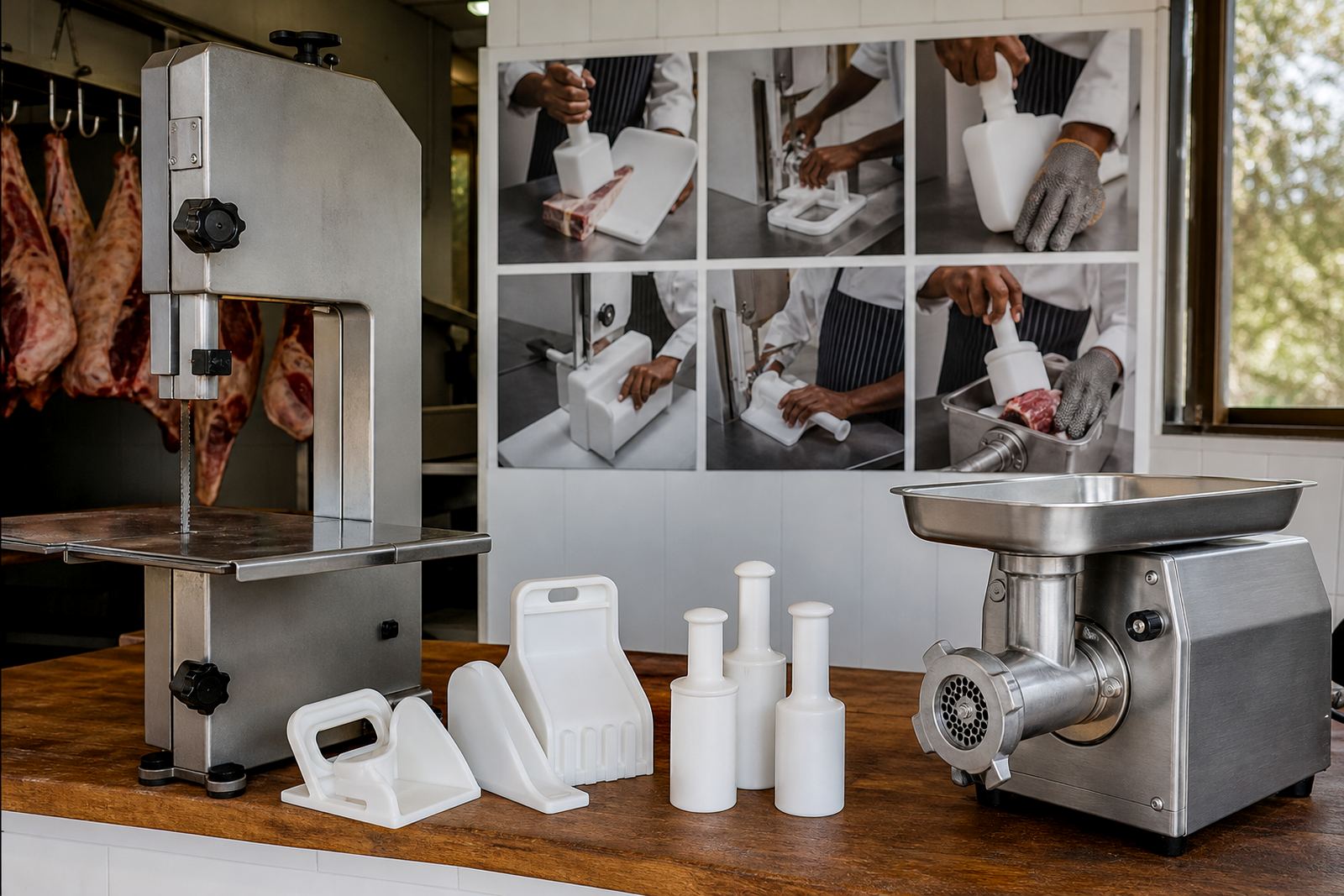
- Different feed openings and plate choices for fine or coarser mince
- Simple attachment options for sausage filling where suitable
- Units designed for bench placement with easy access to power and cleaning space
When choosing a home mincer, think about the cuts you normally buy, whether you trim fat before mincing, and how often you will need to wash the machine after use. A machine that is easy to strip down and reassemble is usually the better long term choice for a home kitchen, especially if you want to clean up quickly after load shedding or during busy evenings.
Where a home mincer suits best
Home mincers are a good fit for households that prepare meat in batches, families that want better control over ingredients, and rural homes where a single shopping trip may cover several weeks. They are also useful for game meat once the meat has been properly trimmed and prepared for mincing. In Bloemfontein and surrounding Free State towns, many customers prefer equipment that is practical in a kitchen, scullery or utility room with limited counter space.
A home mincer can also suit small food operations where the work is still modest, provided the operator stays within the intended use of the machine and follows safe handling practices. It is important to keep the work area clean, keep hands away from moving parts and never remove guards or covers while the machine is running. For families in coastal areas like Durban or Cape Town, storage matters too because humidity can affect metal parts if cleaning and drying are neglected.
- Household kitchens and sculleries
- Farm houses and smallholdings
- Small meal prep setups and family catering
- a leading make meat processing after proper trimming
- Backup use for busy homes with freezer storage
Power connection, setup and practical installation needs
Before ordering, check where the mincer will stand, how close it will be to a suitable power point, and whether the surface is stable enough for safe operation. A level bench or counter helps reduce movement while feeding meat through the machine. If the unit will be used in a garage, outside room or farm kitchen, plan for easy access to washing water and a safe place to dry removable parts after cleaning.
For homes with load shedding, it helps to know how your kitchen is wired and whether the machine will be run during generator use or inverter use. Not every setup is suitable for every appliance, so it is best to confirm the power needs before you buy. If you are unsure about placement, we can help with delivery and setup across Bloemfontein, Johannesburg, Pretoria, Durban and Cape Town, as well as Kimberley, Welkom and Kroonstad. Our team can also advise on whether the machine is better placed near a sink, prep table or separate utility area.
- Stable bench or counter space
- Nearby power point with suitable supply
- Room for meat trays, cleaning brushes and drying space
- Safe access away from children and pets
- Ventilation and protection from water splashes
How to keep a mincer clean and working properly
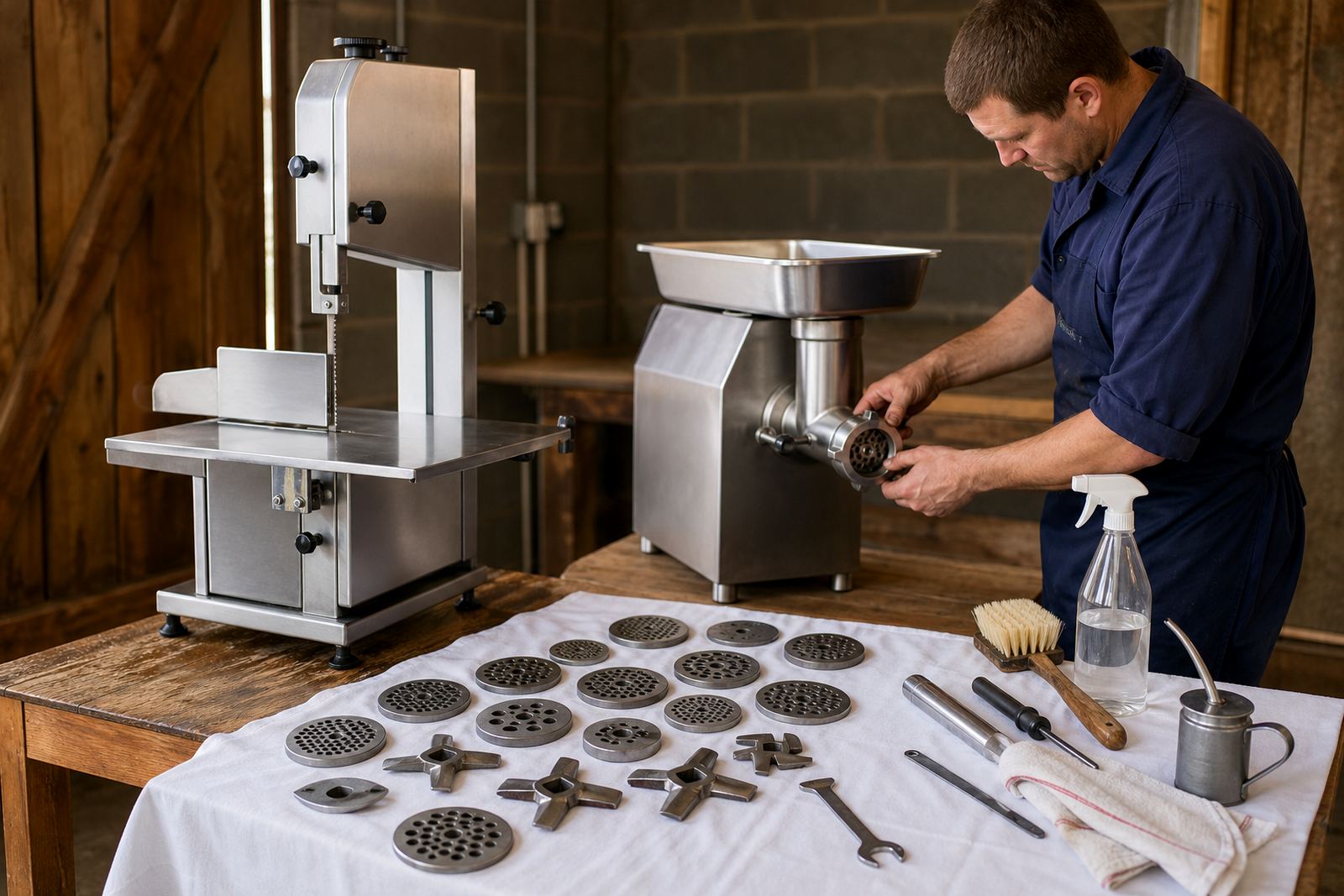
Good cleaning is essential if you want a mincer to last and continue producing clean meat. After each use, the machine should be switched off, unplugged and allowed to stop completely before any cleaning begins. Remove the working parts, wash them thoroughly, dry them well and store them in a clean place. Do not leave meat residue sitting on plates or blades, as this can lead to rust, odours and poor cutting performance.
Blade condition matters as well. If the blade or plate becomes dull, the mince may come out uneven, the machine may work harder than it should and the finished product can lose quality. That is why regular servicing, blade checks and proper cleaning routines are part of owning a mincer, whether it is for home use or light commercial use. We also recommend basic PPE when handling sharp parts, including suitable gloves and careful handling on a clean surface. A little care goes a long way, and it is often the difference between dependable use and repeated frustration.
- Clean immediately after use, then dry all parts fully
- Check that blades and plates are fitted correctly before use
- Use gloves when handling sharp cutting parts
- Keep the feed area clear of loose utensils and cloths
- Arrange servicing when the cut becomes uneven or slow
What to check when ordering from MorCut Butchery
When you enquire about a home mincer, the most useful details are the way you plan to use it, the amount of meat you usually process and where it will be installed. That helps us guide you to a suitable option and avoid sending a machine that is too large, too small or inconvenient for your kitchen. We also look at delivery area, power needs and whether you will need setup support on arrival.
It helps to check the following before confirming your order: what type of meat you will mince most often, whether you need a basic home unit or a heavier duty option, how much counter space you have and whether you want spare parts or servicing support available later. Our customers reach us through the enquiry form on our contact page, and our team in Bloemfontein can help with product selection, delivery and after sales support. MorCut Butchery has been serving South African buyers since 2008, with practical service from Hamilton, Bloemfontein and a team that understands both home and commercial meat preparation.
- Intended use and how often you will mince meat
- Available power supply and machine placement
- Need for delivery, setup or operator guidance
- Cleaning routine and storage space after use
- Spare parts and servicing support for the future
Key facts
| Product type | Home meat mincer |
|---|---|
| Intended use | Household meat preparation and small batch mincing |
| Cleaning | Removable parts for washing and drying after use |
| Power needs | Confirm suitable supply before ordering |
| Installation | Bench or counter placement with stable support |
| Support | Delivery, setup, servicing and parts supply available |