

A sensible start for mince production
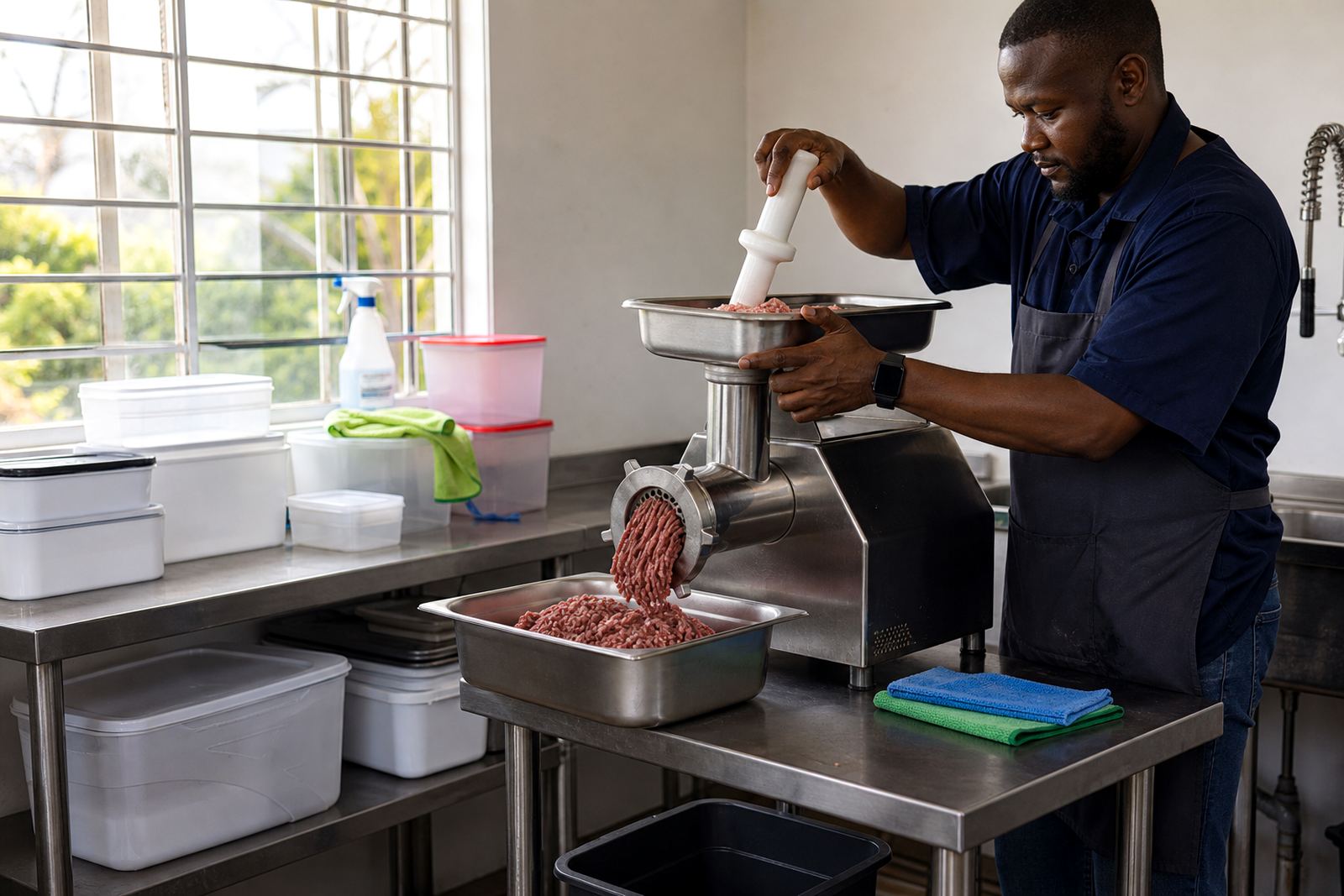
Entry mincers are made for businesses that need to process meat in smaller volumes, but still want a neat, consistent result. They suit new butchers, takeaway counters, farm shops and home users who are moving from hand mincing to a proper machine. For many operations in the Free State and beyond, this is the first step into regular mince production without taking on a large industrial unit.
These machines are generally compact enough for tighter prep rooms and back-of-house spaces, which matters when floor space is limited. They are also easier to position near a clean workbench, wash-up area and power point. In smaller shops, that can make daily work quicker and less tiring.
Options that match smaller counters and prep rooms
Entry mincers come in a few practical forms, depending on the kind of output you need. Some are suited to occasional use, while others are built for a busier pace in a small commercial setting. The main point is to choose a unit that matches your daily load instead of pushing a machine beyond what it is meant to do.
- Benchtop styles for compact prep spaces
- Commercial entry units for small butchery counters
- Single-purpose mincers for straightforward mince work
- Units that can handle regular cleaning and repeat use
When you are comparing options, think about the meat mix you process, how often the machine will run and how much finished product you need at the end of a shift. A home butcher who minces once or twice a week has very different needs to a small shop supplying walk-in customers every day.
Where entry mincers suit best
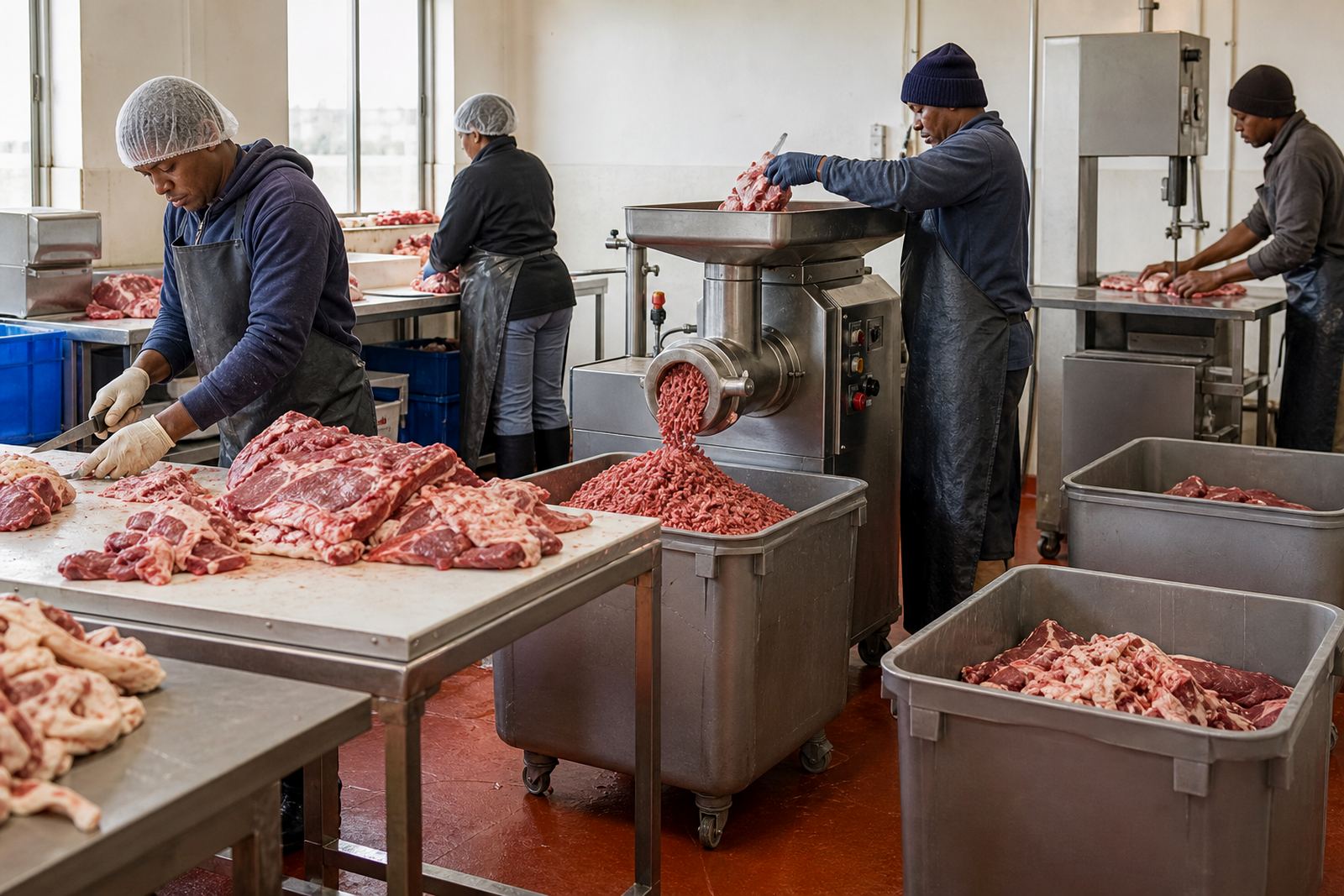
These machines suit operations that are starting out or working at a controlled scale. They are a good fit for neighbourhood butcheries, deli counters, meat rooms at farm stalls and small food businesses that prepare mince fresh for their own customers. In places such as Bloemfontein, Kimberley, Welkom and Kroonstad, they are often chosen because they are practical, manageable and easier to fit into an existing prep area.
They also work well where staff want a simple machine that can be trained on quickly. A proper mincer can save time compared with manual processing, while still giving a tidy finished product that is suitable for patties, mince packs and food preparation. It is worth noting that an entry machine is not a substitute for good cutting, trimming and sorting before mincing.
Power, setup and day-to-day use
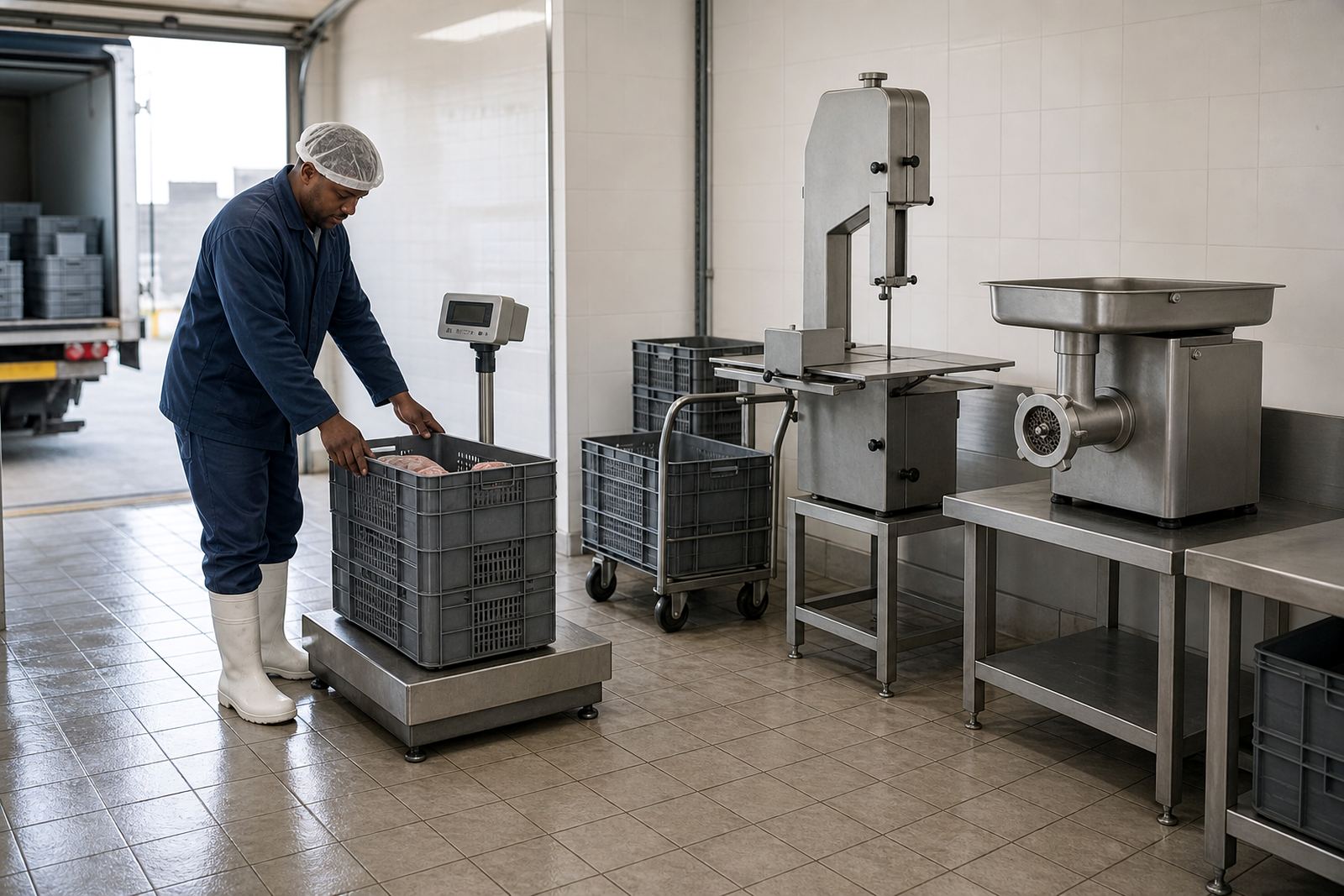
Before ordering, check what power supply is available in the room where the machine will stand. Some entry mincers are suited to standard workshop or shop power arrangements, while others need a specific electrical setup. If your premises deal with load-shedding, plan for the downtime too, because a machine that cannot run during outages may affect your prep schedule.
Installation should allow enough working room around the unit for safe feeding, receiving and cleaning. Keep the machine on a stable surface, away from water splashes and in a position where cables and plugs are not exposed to unnecessary strain. If you are running from a generator or backup system, the supply should be checked properly before the machine is put into regular use.
- Confirm the available electrical supply before delivery
- Allow clear space for loading and cleaning
- Keep the machine close to a clean prep area
- Plan for backup power if your business is affected by outages
Care, cleaning and servicing that keep output steady
Good care makes a real difference to how a mincer performs. Clean the machine after use, dry it properly and inspect the working parts before the next shift. Meat residue left behind can affect hygiene and put strain on the unit. In coastal areas such as Durban and Cape Town, moisture can cause extra wear if parts are not wiped and stored correctly.
Regular servicing helps to keep the machine cutting evenly and operating safely. Check that guards are in place, and that operators use suitable PPE such as gloves and a clean apron when handling product and parts. If the output starts to look uneven, the cutting components may need attention. Small issues are often easier to sort early, before they turn into breakdowns or wasted product.
We also recommend basic cleaning demonstrations for new staff. A short, practical routine is often enough to prevent common mistakes, like forcing product through the machine or leaving the unit damp after washing. Those habits matter just as much as the machine itself.
What to check before you place an order
When ordering an entry mincer, it helps to be clear about your daily use, the type of meat you handle and where the unit will be installed. If you are running a small butchery in Pretoria or Johannesburg, you may need a different setup to a home user in Hamilton or a farm shop near Bloemfontein. The right choice depends on the pace of work, not just the price.
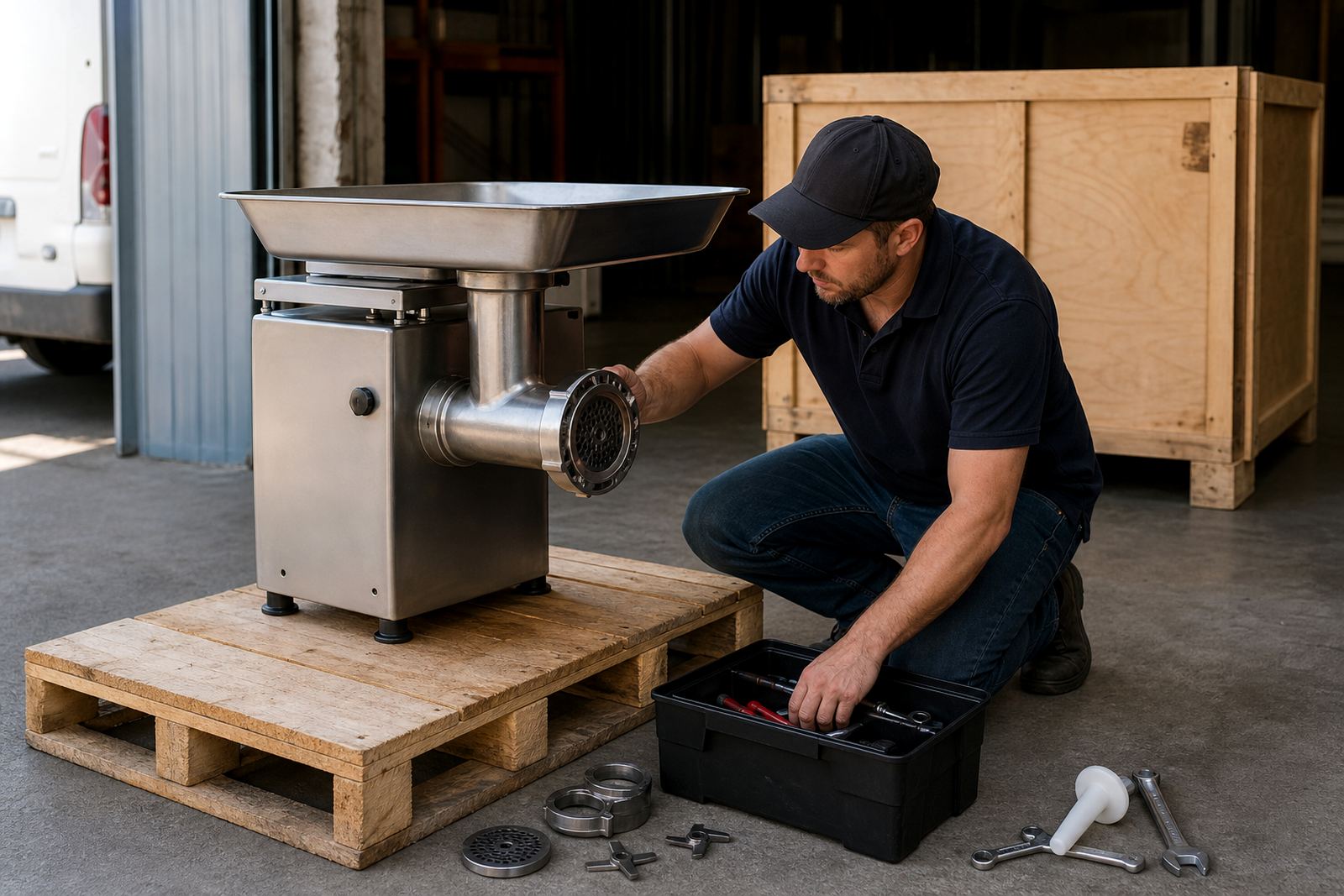
Ask about the machine’s intended use, available options, spare parts and how servicing is handled after delivery. It is also worth checking whether you need setup support, operator training or an extra set of working parts for backup. A new machine should fit your process from day one, not create avoidable delays.
- Expected daily or weekly mince volume
- Available power supply at the site
- Space for installation and cleaning access
- Need for delivery, setup or training
- Availability of parts and servicing support
Local supply with national reach
MorCut Butchery supplies entry mincers from Hamilton in Bloemfontein to commercial and home customers across South Africa. We assist with enquiries through the contact page, and our team can help with delivery, setup and practical advice for the job at hand. Whether you are buying for a small shop in Welkom or a growing counter in Cape Town, you can expect straightforward support and sensible guidance.
Our team includes sales, servicing, workshop and parts support, so orders can be handled properly from first enquiry to installation and aftercare. That matters when you need equipment that is easy to work with and simple to maintain over time.
Good mincing starts with the right machine and the right routine. Keep the setup clean, the blades and plates in good condition, and the operators informed. That is what keeps a small operation moving without trouble.
Key facts
| Product type | Entry-level mincer for smaller operations |
|---|---|
| Use case | Commercial and home mince production |
| Size range | Compact options suited to limited prep spaces |
| Power supply | Model-dependent electrical setup, to be confirmed before ordering |
| Installation needs | Stable surface, clear working space and safe access for cleaning |
| Care requirements | Regular cleaning, drying, servicing and replacement of working parts when needed |