

Bulk Mincers for steady production runs
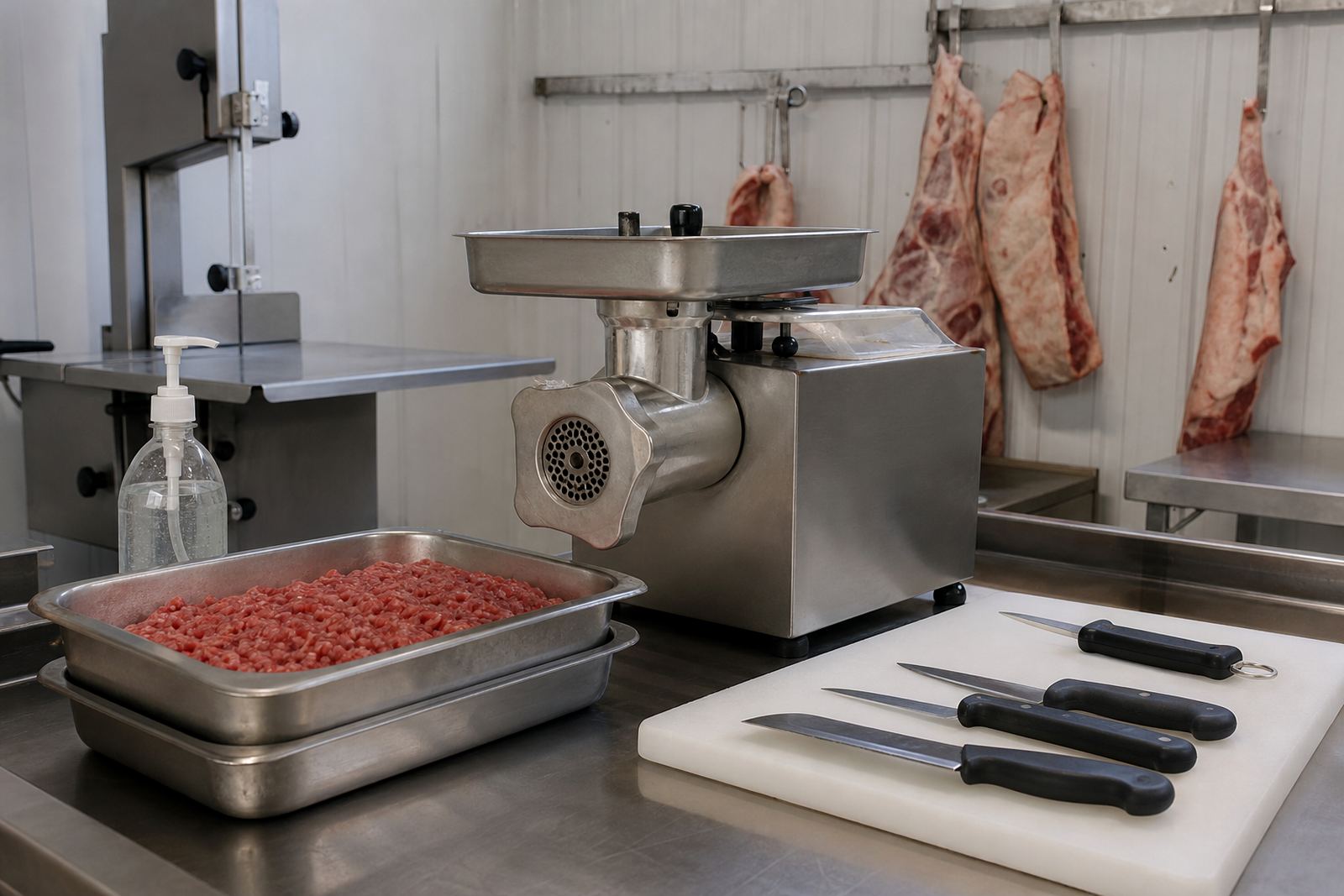
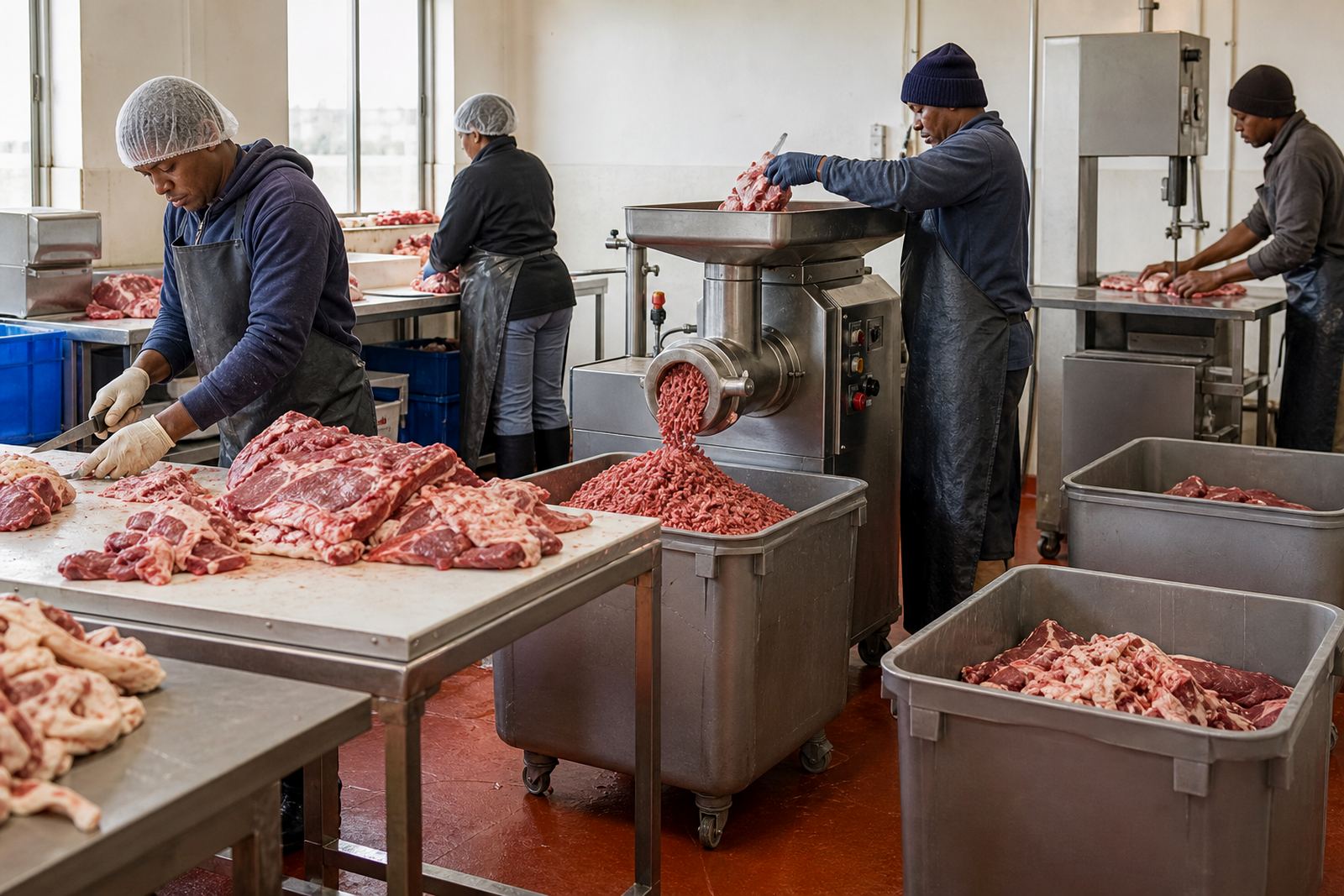
A bulk mincer is the right choice when a standard kitchen unit is no longer enough for the amount of meat moving through your preparation area. These machines are used to process larger batches for mince, sausage filling and general meat prep, with a feed system and cutting set suited to repeat work rather than the occasional small job. In a busy butchery, that means less waiting, fewer interruptions and a better flow from trimming through to packing.
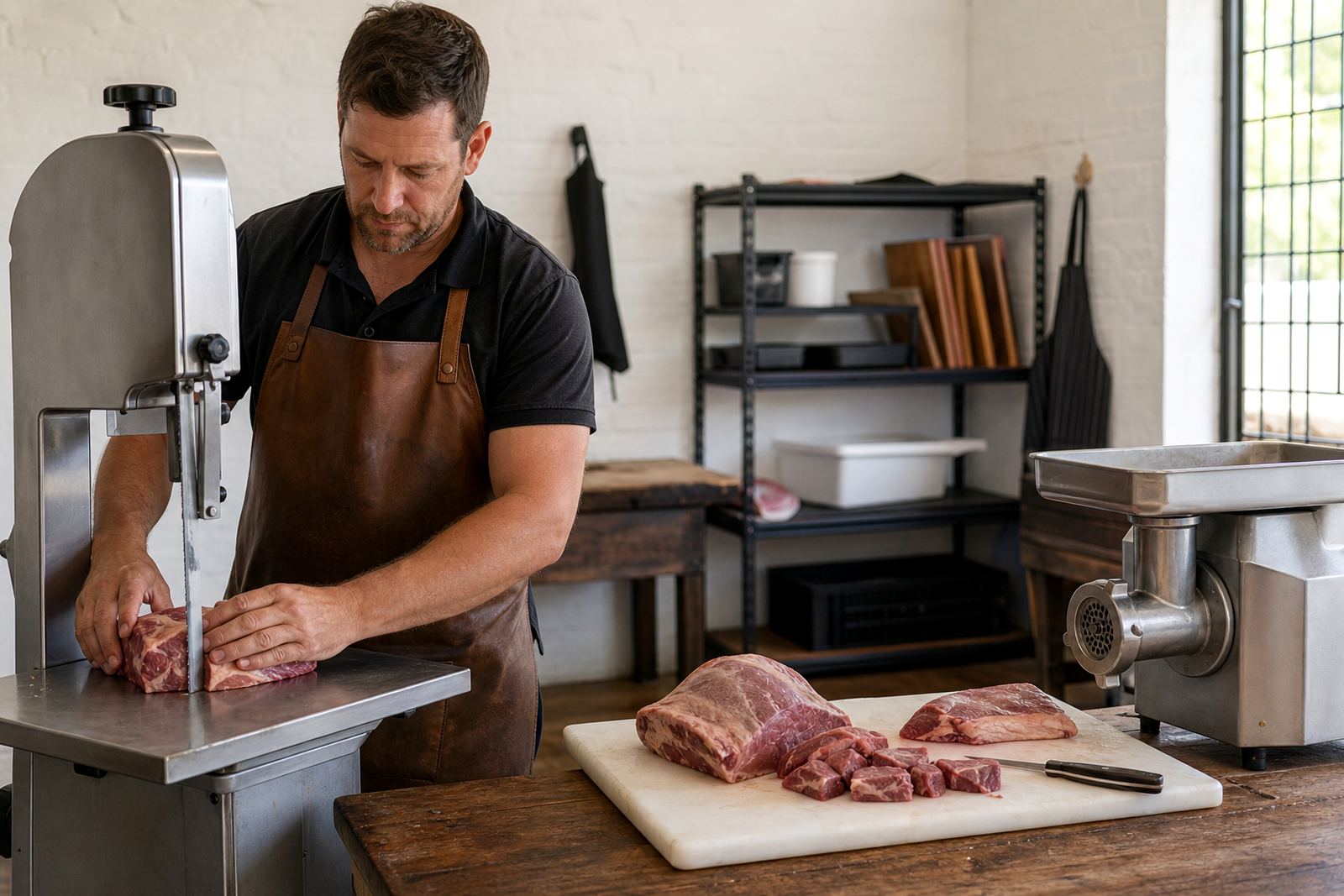
For commercial butchers, bulk mincers are often used during early morning prep when staff need to work through high volumes before trading starts. Home butchers and small producers also use them where they want a tougher unit that can handle regular use without being pushed to its limit. The key is to match the machine to your daily throughput and the type of product you prepare most often.
We supply bulk mincers from our base in Hamilton, Bloemfontein, with delivery and setup support across South Africa including Bloemfontein, Johannesburg, Pretoria, Durban, Cape Town, Kimberley, Welkom and Kroonstad. If you need advice on which size suits your operation, our team can help you compare the options in plain terms, without overcomplicating it.
Sizes and options to consider before you order
Bulk mincers come in different sizes and configurations, and the right selection depends on how much meat you process, how often the machine will run, and who will be operating it. Some users need a compact floor-standing unit for a smaller shop, while others need a heavier-duty machine for higher output and longer runs. The cutting system, feed opening and motor arrangement should all suit the volume you expect on a normal day.
- Single-phase or three-phase power, depending on the site supply and load available
- Different feed rates and output levels for small, medium or high-volume prep work
- Choice of cutting plates and knives for finer or coarser mince
- Floor-standing or bench-style placement, depending on layout
- Stainless or easy-clean contact surfaces on selected models
- Optional reverse function on some units to help clear minor jams
When comparing options, it helps to think about the actual working pattern in your shop not just the busiest day of the month. A machine that is too small will slow the team down, while one that is far larger than needed can be harder to place, wire and maintain.
Where a bulk mincer fits best
These machines suit butcheries that handle repeated batches through the day, supermarket prep rooms, food service kitchens and small production spaces that need predictable mincing. They are also useful where mince is only one part of the workflow and the same area must also manage trimming, packing and cleaning. In coastal areas such as Durban and Cape Town, where humidity can affect tools and contact parts, proper cleaning and drying is especially important after each shift.
For shops in Bloemfontein and inland towns, dust and temperature changes can still affect care and storage, so the machine should be kept in a clean, dry position away from unnecessary splash and heat. If your site has uneven power, or regular load-shedding, it is worth planning the installation carefully so the machine starts and stops safely and the workflow is not interrupted in the middle of prep.
- Commercial butcheries with daily mince production
- Home butchers processing larger family or community orders
- Small food producers making sausages, patties or meat blends
- Prep rooms that need steady output and easy cleaning
- Sites where staff need a practical machine that is simple to operate
Installation, power supply and site readiness
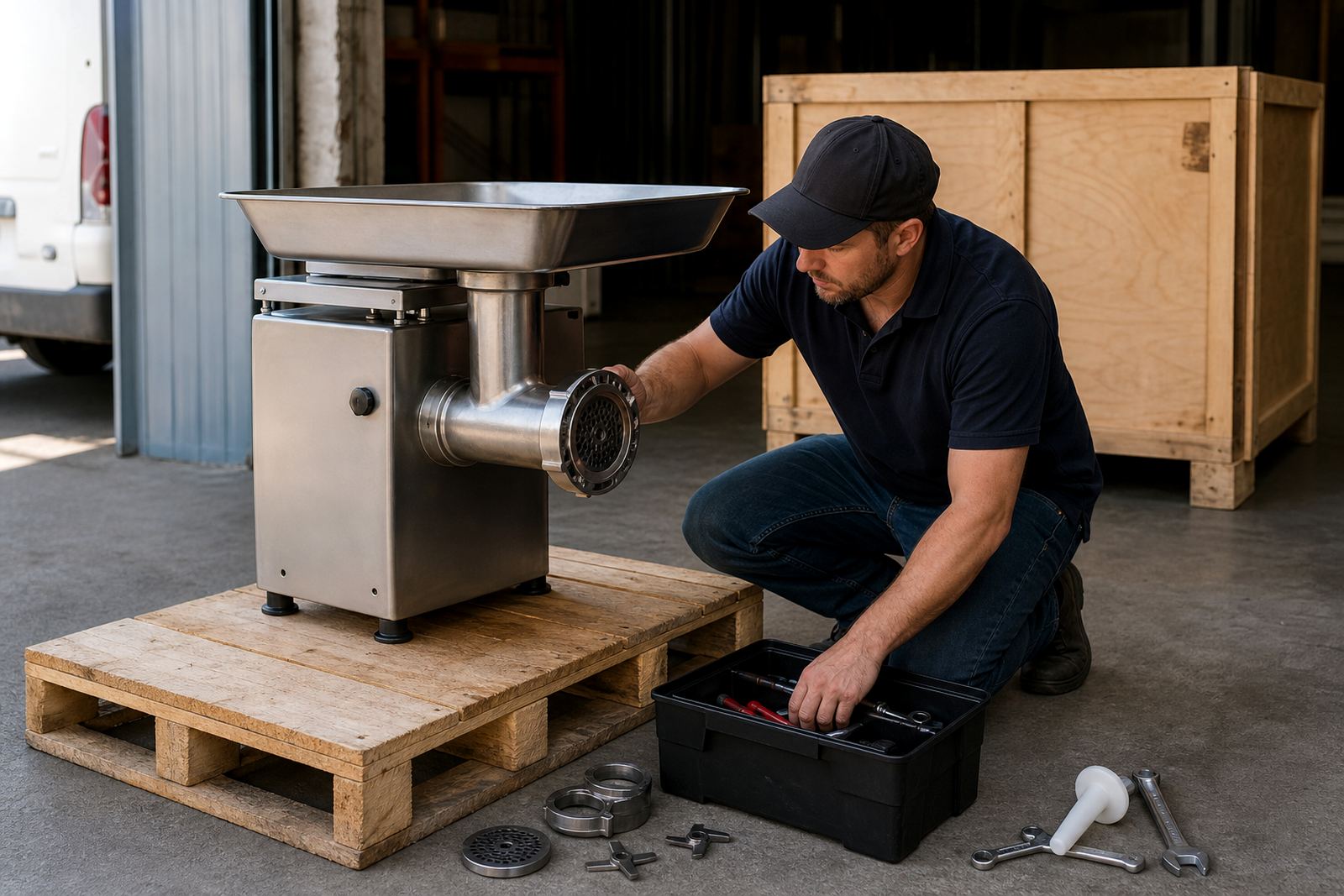
Before installation, it is important to check the available power supply, floor space and access for moving the unit into position. Some bulk mincers suit standard single-phase supply, while others are better matched to a three-phase setup. The correct power choice depends on the size of the machine and the load at your premises, so it is best to confirm the site details before ordering.
The floor should be level and easy to clean, with enough space around the machine for feeding, tray access and safe operator movement. If the unit is going into a shop in Pretoria or Johannesburg, where space can be tight, planning the layout in advance will save trouble later. In some cases, delivery and setup may include positioning, basic checks and guidance on first use. We also remind customers to keep guards in place, use proper PPE and never reach into the machine while it is running.
If your operation is affected by municipal restrictions or site rules, such as noise control or shared loading areas, it helps to plan delivery and offloading with that in mind. A careful setup reduces damage, keeps the machine accessible for cleaning, and makes the first day of use much easier.
Cleaning and servicing that keeps output consistent
Good care starts with regular cleaning after use. Meat residue left in the cutting head, plate or feed area can affect hygiene and put extra strain on the machine. A bulk mincer should be stripped down as far as the model allows, cleaned with suitable products, rinsed properly and dried before reassembly. This is not only about appearance, it also protects the cutting set and helps the machine run more evenly.
Knife and plate condition matters as well. When the cutting edges wear, the machine may feel slower, produce an uneven texture or warm up more than it should. Routine servicing helps catch these signs early, before a small issue becomes a breakdown callout. For shops that work through busy production cycles, preventive maintenance is often cheaper and less disruptive than waiting for a failure on a Friday morning.
- Clean after every production run
- Dry all contact parts before storing
- Check blade and plate wear regularly
- Keep guards fitted and working properly
- Use the correct PPE during stripping and cleaning
- Book servicing before the machine starts showing strain
What to check before placing your order
When ordering a bulk mincer, it helps to confirm a few practical details so the unit matches your site and your work. Start with the kind of power available, then look at the space where the machine will sit and the amount of product you expect to process each day. If the machine will be used by different staff members, ask about the controls and how easy it is to train people on safe operation.
You should also confirm which cutting set is needed for your typical product, whether spare plates and knives are easy to source, and how the machine will be cleaned between runs. If the unit will be used in a colder room or a more humid area, mention that too, since that can affect care and storage. It is always better to ask these things upfront than to find out after delivery that the setup needs changing.
Our team in Bloemfontein can assist through the enquiry form on our contact page. Lerato Mokoena handles sales support, Willem Jacobus Smit coordinates service, Ayanda Khumalo manages customer support, Morne du Plessis works in the workshop, Naledi Sekgobela handles parts and logistics, and Themba Dlamini assists with training. For commercial and home butchers alike, the goal is simple: the right machine, the right setup and less downtime when work is busy.
Key facts
| Product type | Bulk mincer for larger prep cycles and steady production runs |
|---|---|
| Power supply | Single-phase or three-phase depending on model and site requirements |
| Output range | Varies by machine size and feed capacity |
| Cutting options | Different plate and knife combinations for fine or coarse mince |
| Construction | Durable food-contact components with easy-clean surfaces on selected models |
| Placement | Bench-style or floor-standing options depending on space and workflow |