
What cleaning brushes are used for in a butchery
Cleaning brushes are simple hand tools used to remove residue from equipment surfaces, guard edges, trays, frames and other hard to reach spots after processing. In a butchery, that means cleaning around bandsaws, mincers, hand tools and wash areas without scrubbing so hard that you damage parts or leave fibres behind. They are not a power item, so there is no electrical or gas requirement. You just need the right brush for the job, plus your normal cleaning chemicals, warm water where available, and proper PPE such as gloves and eye protection.
For shops in Bloemfontein, Johannesburg, Pretoria, Durban and Cape Town, brush selection often comes down to how often the equipment is used and how much moisture, fat and fine bone dust builds up during the day. In coastal areas like Durban and Cape Town, fast drying and regular storage matter more because damp conditions can shorten the life of tools if they are left wet overnight. In the Free State, dust and dry air can also leave brush heads clogged if they are not rinsed properly.
Brush sizes and cleaning options to look at
We supply brushes in practical sizes for daily cleaning work, from narrow hand brushes for small corners to wider brushes for larger flat sections. The right choice depends on whether you need to clean bladeside guards, machine housings, splash zones, tables or feed areas. Bristle stiffness is also important. Softer bristles suit general wipe down work, while firmer bristles help shift stubborn residue from grooves and joints. A mixed selection is often best for a butchery that handles both fresh meat and regular wash down routines.
- Small detail brushes for corners, seals and narrow gaps
- Medium cleaning brushes for general equipment surfaces
- Wide brushes for trays, benches and rinse down areas
- Stiffer bristles for tough residue and built up grime
- Colour coded options for cleaner hygiene control by area
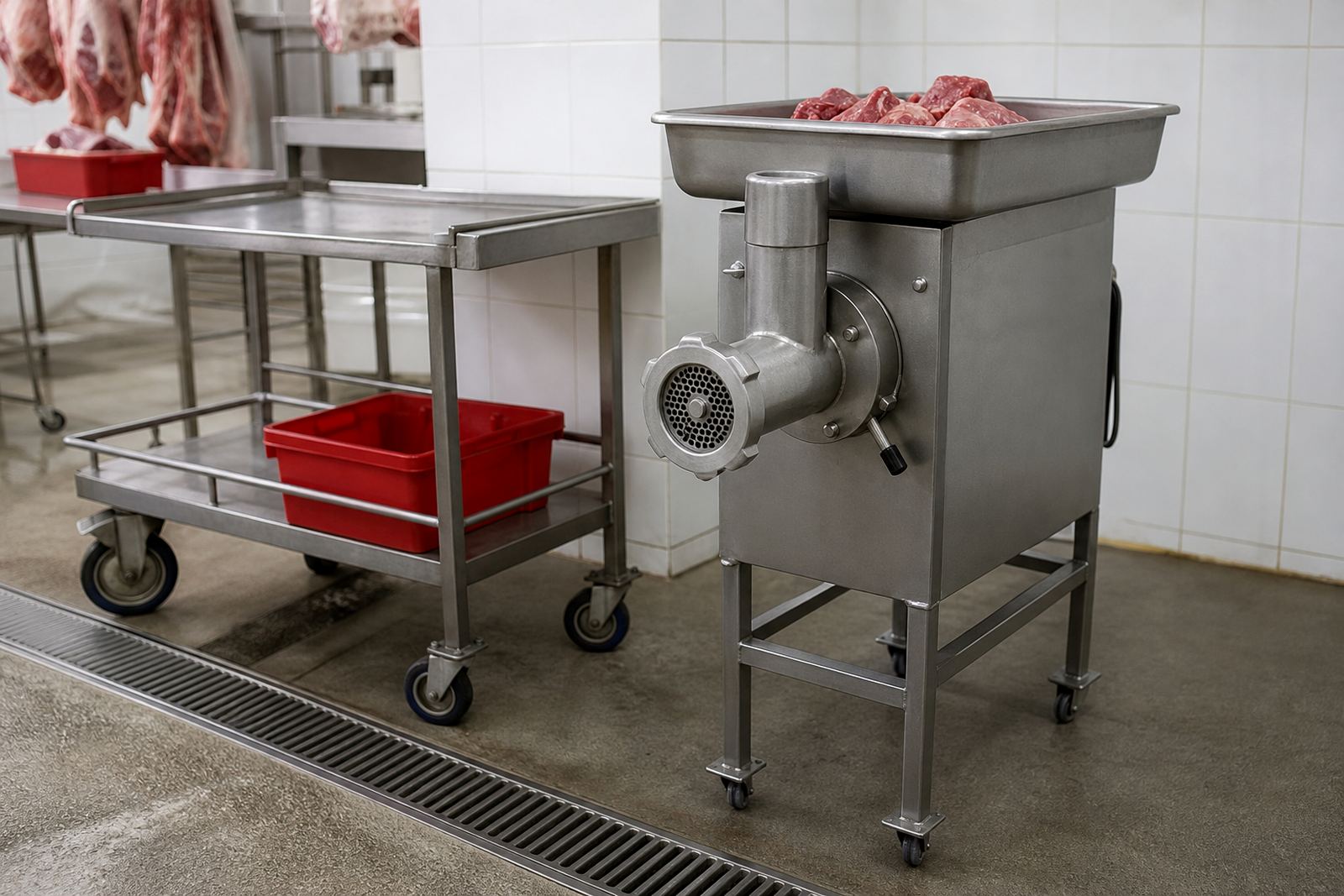
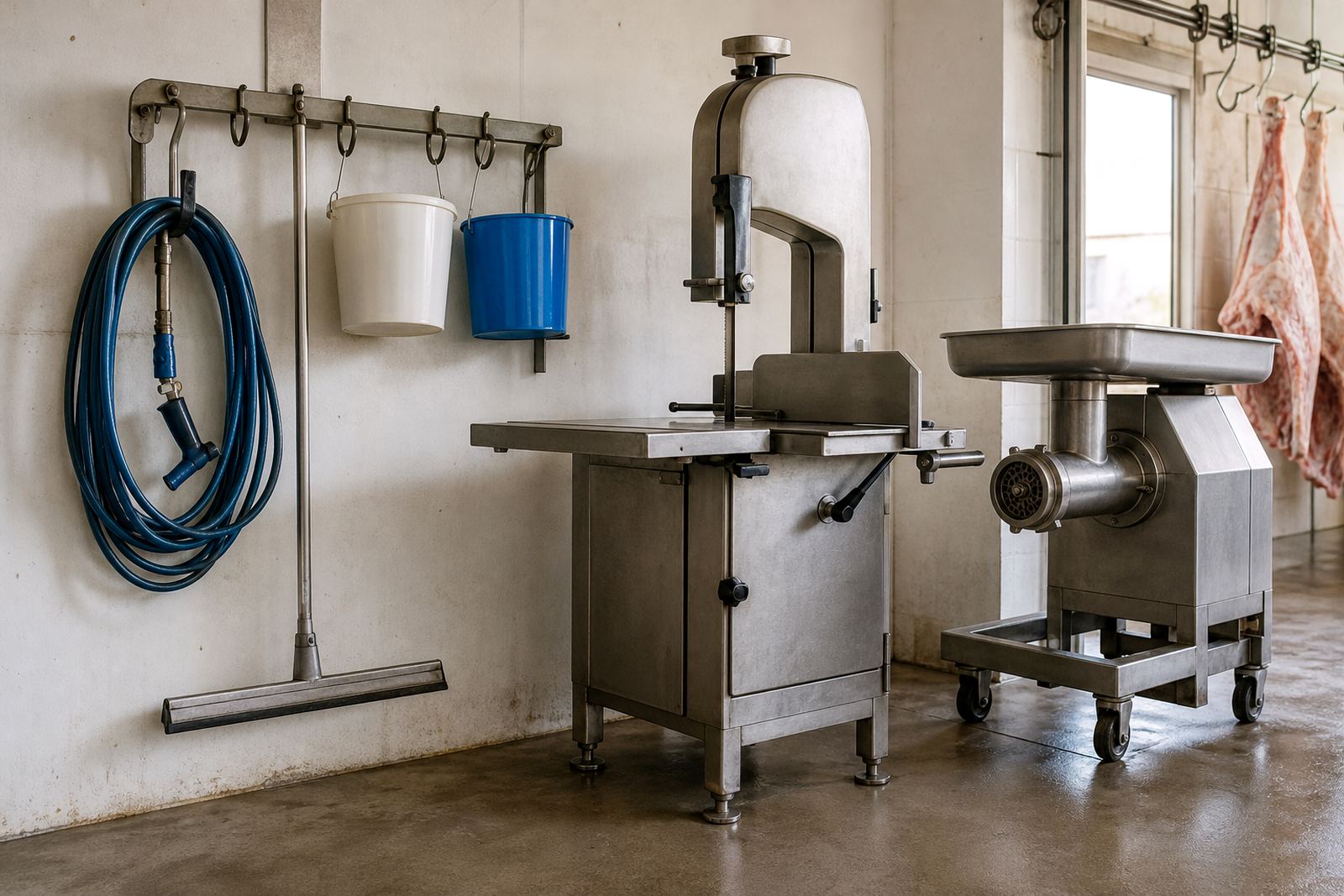
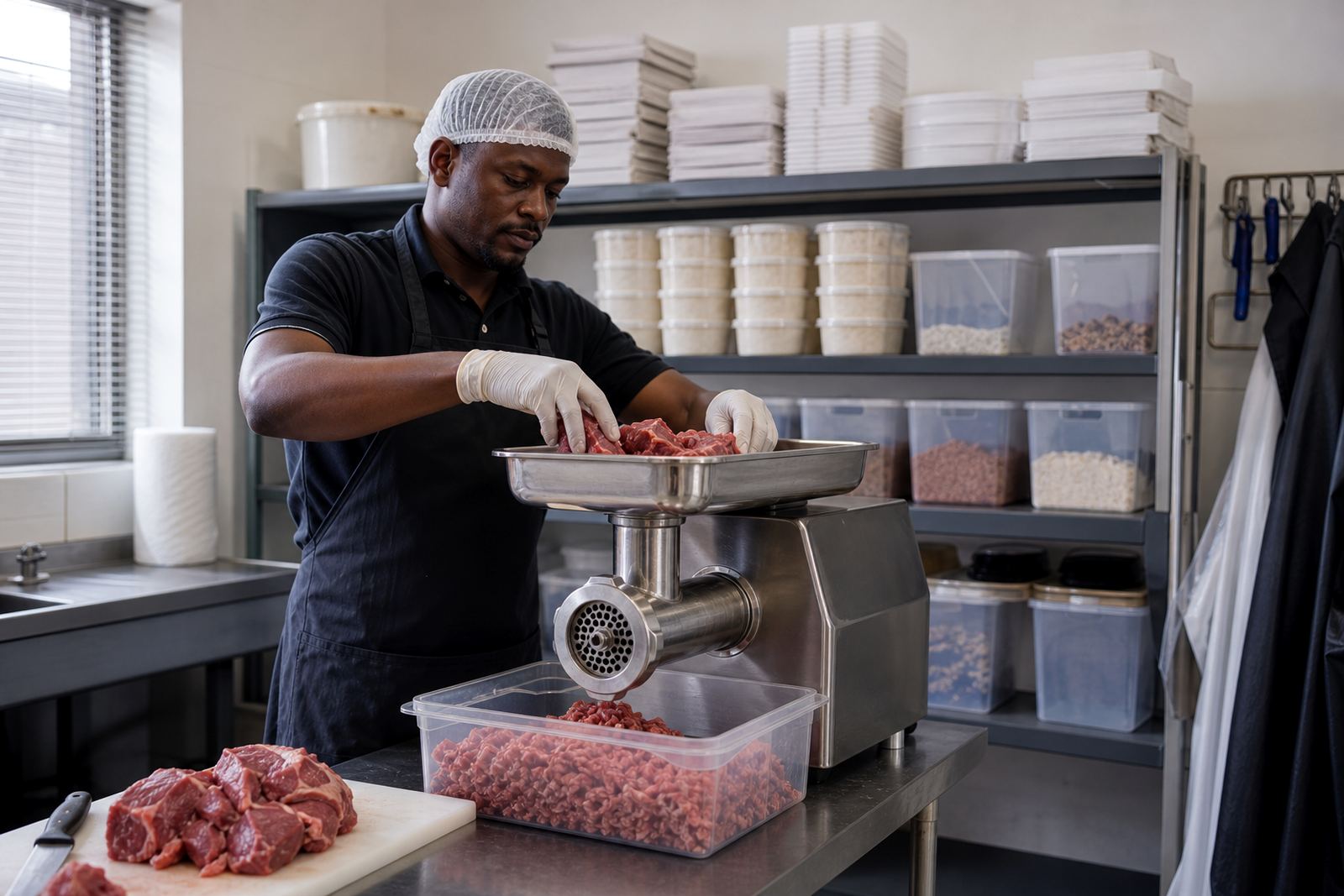
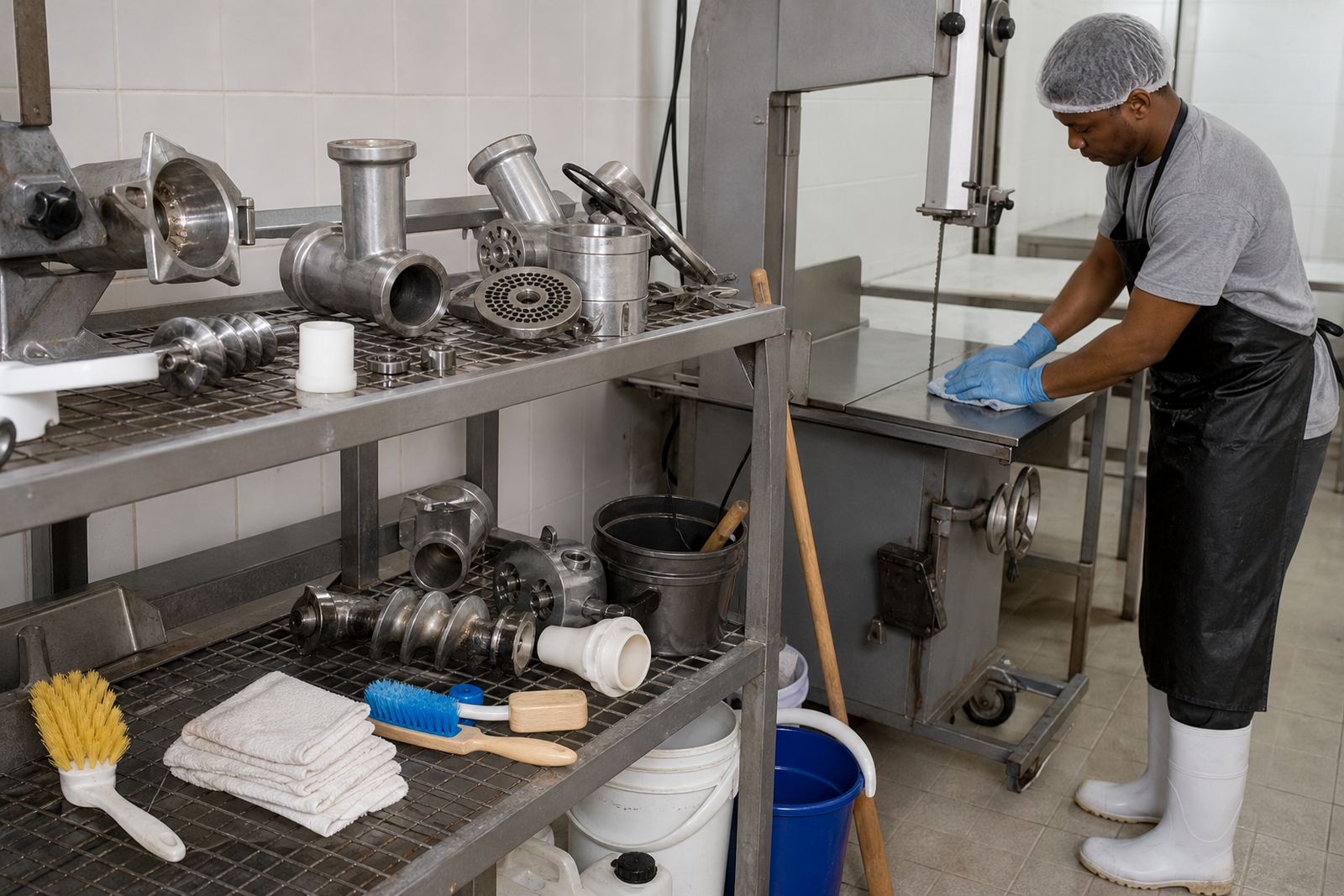
If you are cleaning a bandsaw, use brushes carefully around moving parts, sharp edges and guard sections. For mincers, the brush should help clean the hopper, feed throat, housing and removable parts after plates and knives have been taken out. Do not force bristles into areas where they can snag or leave fibres behind.
Where cleaning brushes suit commercial and home butchers
These brushes suit high volume commercial butchers, farm shops, home butchers and small meat rooms that need proper daily hygiene without overcomplicating the process. They are also useful for training staff on a simple cleaning routine, because the right brush makes it easier to get into corners and around fittings without risking scratches from hard scrapers or metal tools. That matters when you are trying to keep equipment in working order and reduce downtime from poor cleaning habits.
Brushes are useful across our supply areas, including Bloemfontein Supply, Johannesburg Delivery, Pretoria Delivery, Durban Delivery, Cape Town Delivery, Kimberley Supply, Welkom Supply and Kroonstad Supply. Whether the setup is a single mincer at home or a full butchery floor with multiple machines, a proper cleaning brush makes the end of shift routine quicker and more consistent.
- Commercial butcheries with daily wash down routines
- Home butchers needing simple hygiene tools
- Small processing rooms and meat prep areas
- Areas where safe manual cleaning is preferred over hard scraping
Using brushes safely around bandsaws and mincers
Cleaning brushes should always be used with the machine switched off and isolated before any cleaning starts. On bandsaws, check that the blade has stopped fully and that guards are in place before you clean near the cutting area. On mincers, make sure the unit is switched off, unplugged where applicable, and that the operator has removed plates and knives before brushing around the housing and feed area. Never try to clean moving parts.
General PPE is important. Wear gloves that suit wet cleaning work, closed shoes and eye protection if splashes are likely. Keep cleaning brushes separate from food handling brushes if you use different tools for different areas. That helps reduce cross contamination and keeps your cleaning routine more organised. A little care here saves time later, and it also reduces wear on the equipment.
- Switch off and isolate the equipment before cleaning
- Use gloves, eye protection and safe footwear
- Keep brushes for cleaning only, not food prep
- Replace worn bristles before they start shedding
Care, storage and ongoing servicing
Cleaning brushes last longer when they are rinsed properly, dried well and stored off damp floors. After use, remove fat and particles from the bristles, shake out excess water and hang or stand them where air can move around them. In humid coastal stores, that step is especially important because trapped moisture can make brush heads go soft or unpleasant if they are left in a closed bucket. In colder or dustier inland areas, dry storage helps prevent grime from building up in the bristle base.
Brushes themselves do not need installation, but they should form part of your cleaning routine and preventive maintenance plan. MorCut Butchery assists with bandsaw servicing, mincer servicing, cleaning demonstrations, operator training, parts supply and breakdown callouts when needed. If staff are not sure how to clean around a guard or removable mincer part, training helps them do it properly without damaging equipment. The same applies to routine checks for loose handles, worn bristles or cracked heads that should be replaced.
What to check when ordering cleaning brushes
When you place an enquiry through our contact page, it helps to know what equipment you are cleaning and how often it is used. A brush for a small home setup may be different from the one used in a busy shop that processes meat through the day. If you are unsure, give us the type of equipment, the area you need to clean and whether you want a softer or firmer brush. We can then help you choose what fits the job best.
Useful details to check before ordering include the brush size, bristle stiffness, handle shape, whether you need colour coding, and whether the brush will be used on bandsaws, mincers or general surfaces. It is also worth checking whether your team prefers a short handle for detail work or a longer handle for reaching into deeper housings. For clean, practical work, the brush should feel comfortable in the hand and be easy to rinse after use.
- Equipment type and cleaning area
- Brush size and handle length
- Bristle stiffness for light or heavy cleaning
- Colour coding for hygiene control
- Replacement needs for daily or weekly use
MorCut Butchery is based in Hamilton, Bloemfontein and supplies butchery equipment support from the Free State to major centres across South Africa. Our team works with commercial and home butchers every day, and that includes practical advice on cleaning tools that actually suit the work being done.
Key facts
| Product type | Manual cleaning brushes for butchery equipment and hygiene care |
|---|---|
| Available sizes | Small detail, medium general use, and wider cleaning options |
| Bristle options | Softer bristles for light cleaning, firmer bristles for stubborn residue |
| Typical use areas | Bandsaws, mincers, trays, guards, housings, prep surfaces and wash down areas |
| Power or gas | None required |
| Care requirement | Rinse, dry and store off damp floors after use |