

Countertop Mincers for Busy Prep Areas
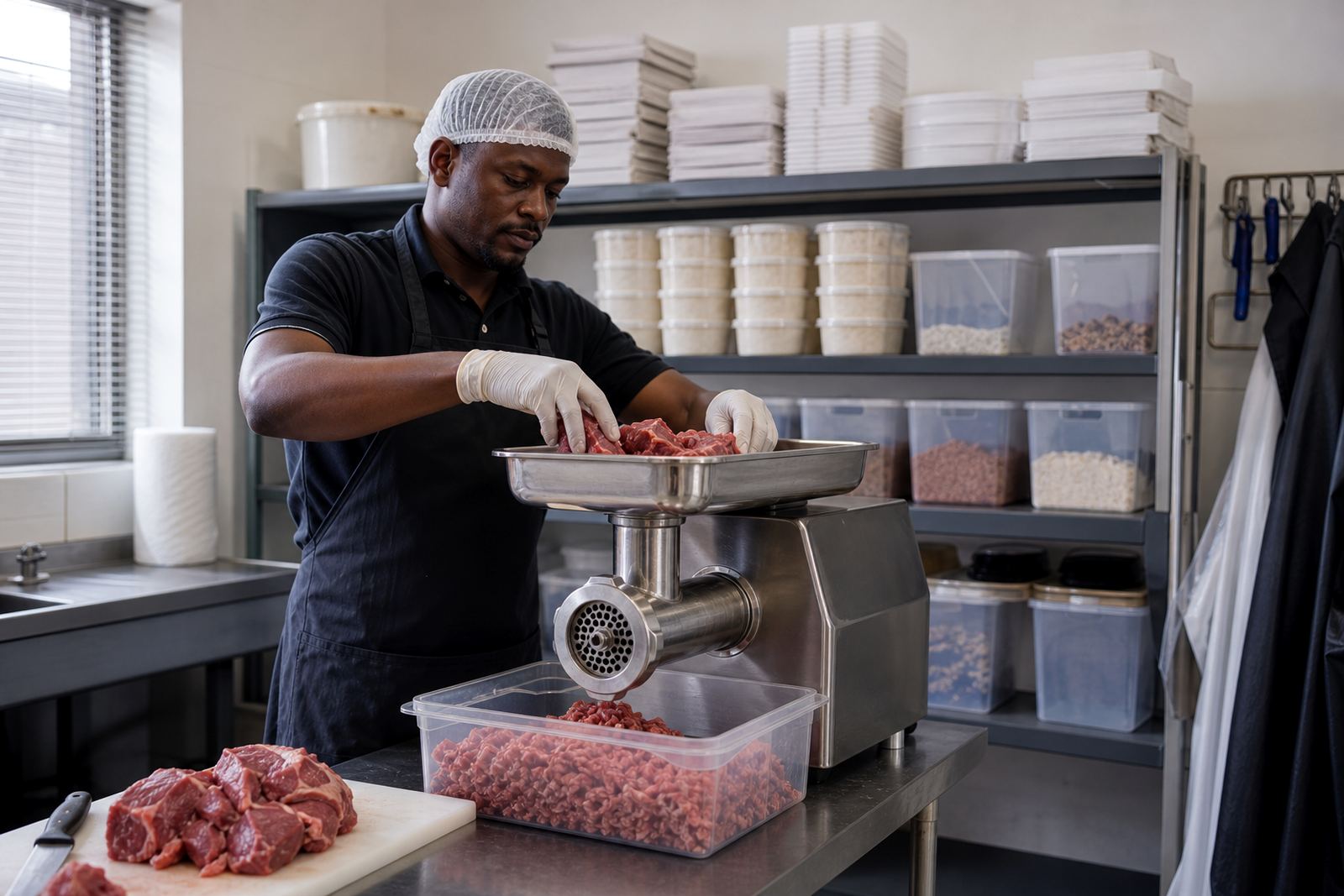
Countertop mincers are built for regular mince preparation without taking up floor space, which makes them useful in small butcheries, prep rooms and home setups where every metre matters. They sit on a sturdy work surface, are easy to reach for loading and cleaning, and can be positioned close to trimming, packing and weighing areas so the workflow stays simple. In places like Bloemfontein, where some businesses run with limited back-up power during load-shedding, a compact unit can be easier to manage than a larger floor model.
These machines are generally used for beef, lamb, pork and mixed mince work, depending on the product being prepared. They are best suited to regular batches rather than heavy industrial volumes, and they help keep production tidy where operators need quick access and easy supervision. For commercial counters and small home butcheries alike, the main benefit is convenience without losing control over hygiene or handling.
Common Sizes, Options and Build Choices
Countertop mincers are available in different body sizes and feed arrangements, so the right choice depends on how often the machine will run and how much mince must be prepared in a day. Some units are better suited to lighter household use, while others are intended for busier commercial prep tables. The most suitable option will depend on the space available, the amount of product handled and how often the machine needs to be cleaned between batches.
- Small countertop units for home butcheries and light daily use
- Mid-size units for regular shop prep and repeat batches
- Units with stronger housings for busier commercial counters
- Options that support different grinding plates for finer or coarser mince
- Simple feed trays and pusher arrangements for safer loading
When choosing, think about whether the machine will be used for sausage work, patties or general mince preparation. That affects how often you may want to change plates and knives, and whether a slower steady pace is more useful than trying to push too much through at once. A mincer that matches the workload will last better and keeps the finished product more consistent.
Where Countertop Mincers Work Best
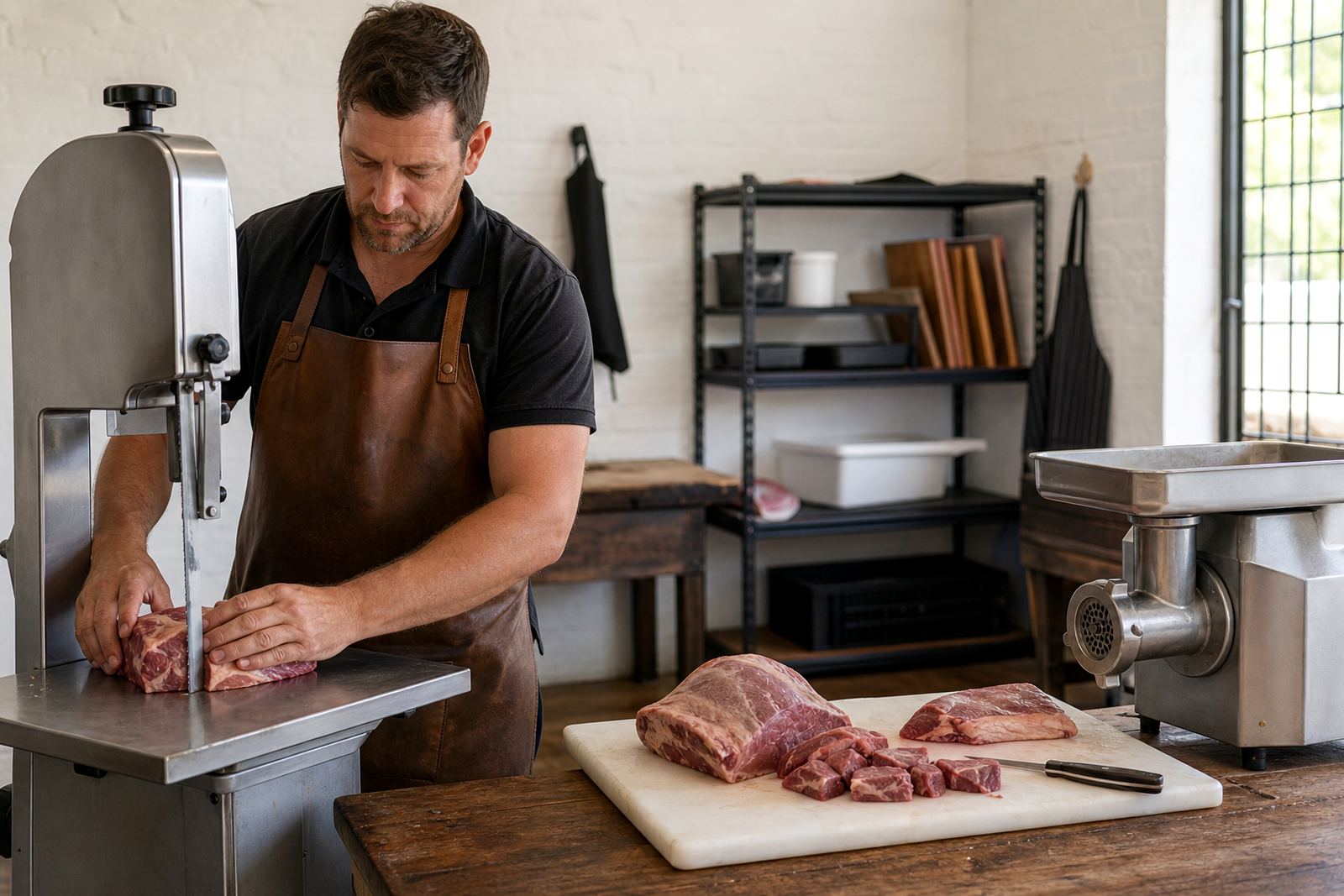
These mincers suit butcheries with a dedicated prep bench, farm shops with limited floor area, and home butchers who need a practical machine for regular use. They are also useful in stores that separate raw prep from sales areas and want a machine that can be moved or cleaned without too much disruption. In Johannesburg, Pretoria and Durban, where shop floors are often tight and busy, a countertop setup can make daily operation more manageable.
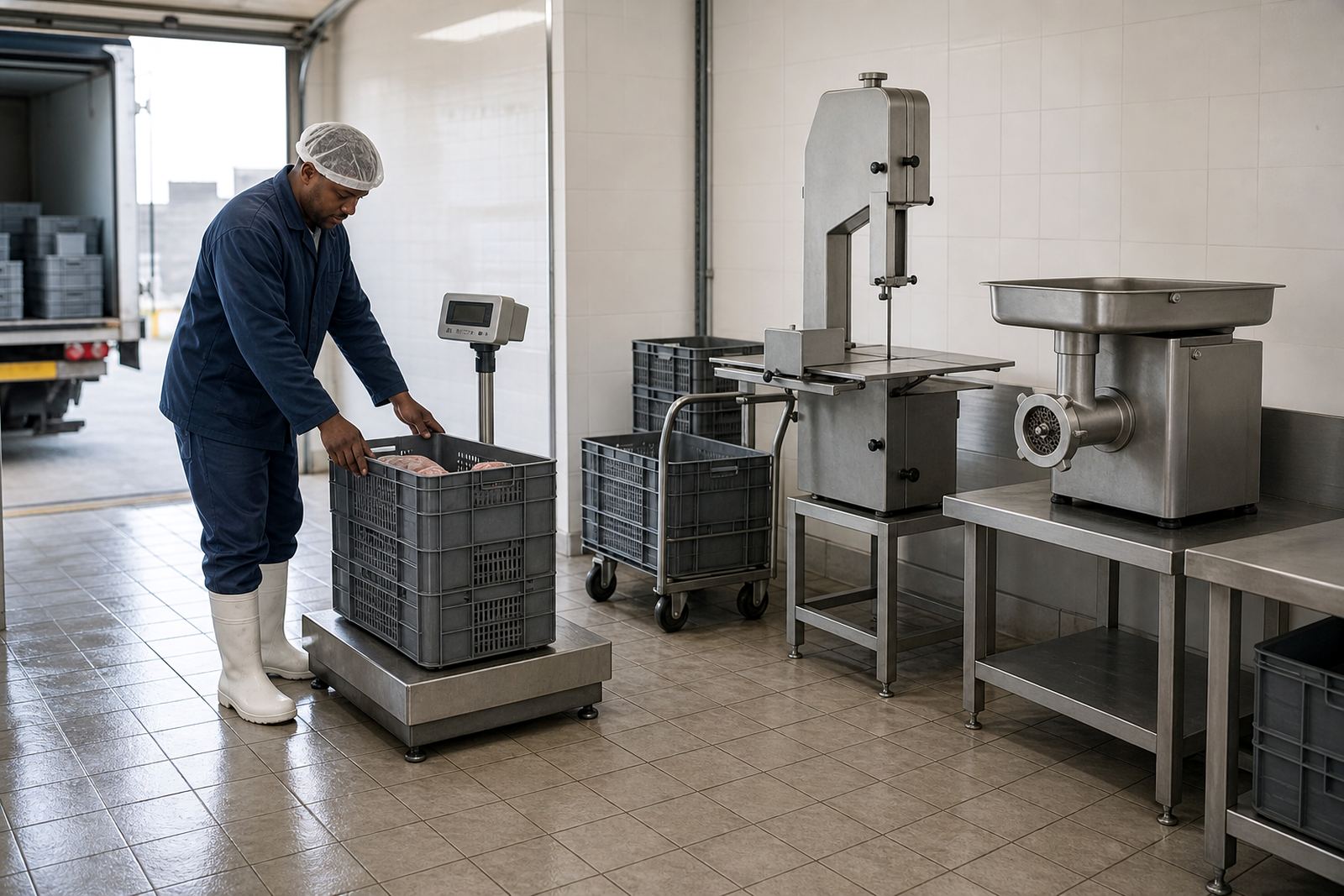
They are especially handy where the operator needs to work close to a weighing scale, packing station or cold room doorway. That shortens handling time and helps keep the process organised. If the unit will be used near the coast, such as in Cape Town or Durban, you also want to think about moisture in the air and make sure the machine is dried properly after washing, because damp conditions can affect metal parts if cleaning is rushed.
- Commercial butcheries with prep counters
- Home butchers with a dedicated clean work surface
- Farm stalls and small food service prep areas
- Backup mince stations for busy trading days
Installation, Power and Work Surface Requirements
Countertop mincers should be placed on a firm, level surface that can carry the weight of the machine and the product being processed. A stable bench helps reduce vibration and keeps the operator in control, especially when feeding product at a steady pace. The surface should be easy to clean, set away from splash zones where possible, and positioned so that the operator has enough space to load, work and clear the area safely.
Most units are electric and need a suitable power supply that matches the machine supplied. Before ordering, check what plug arrangement is required at your site and whether the circuit is suitable for the load. In areas with municipal trading rules or managed food premises, it is also worth confirming that the placement allows proper cleaning around the machine and does not block handwashing or sanitation routes. Good placement saves time and helps the mincer run properly, especially when the shop is working under pressure.
For operators working through load-shedding, it helps to plan around the available supply rather than forcing the machine to start and stop often. Frequent interruptions can affect workflow and make mince prep slower than it should be.
Care, Cleaning and Regular Servicing
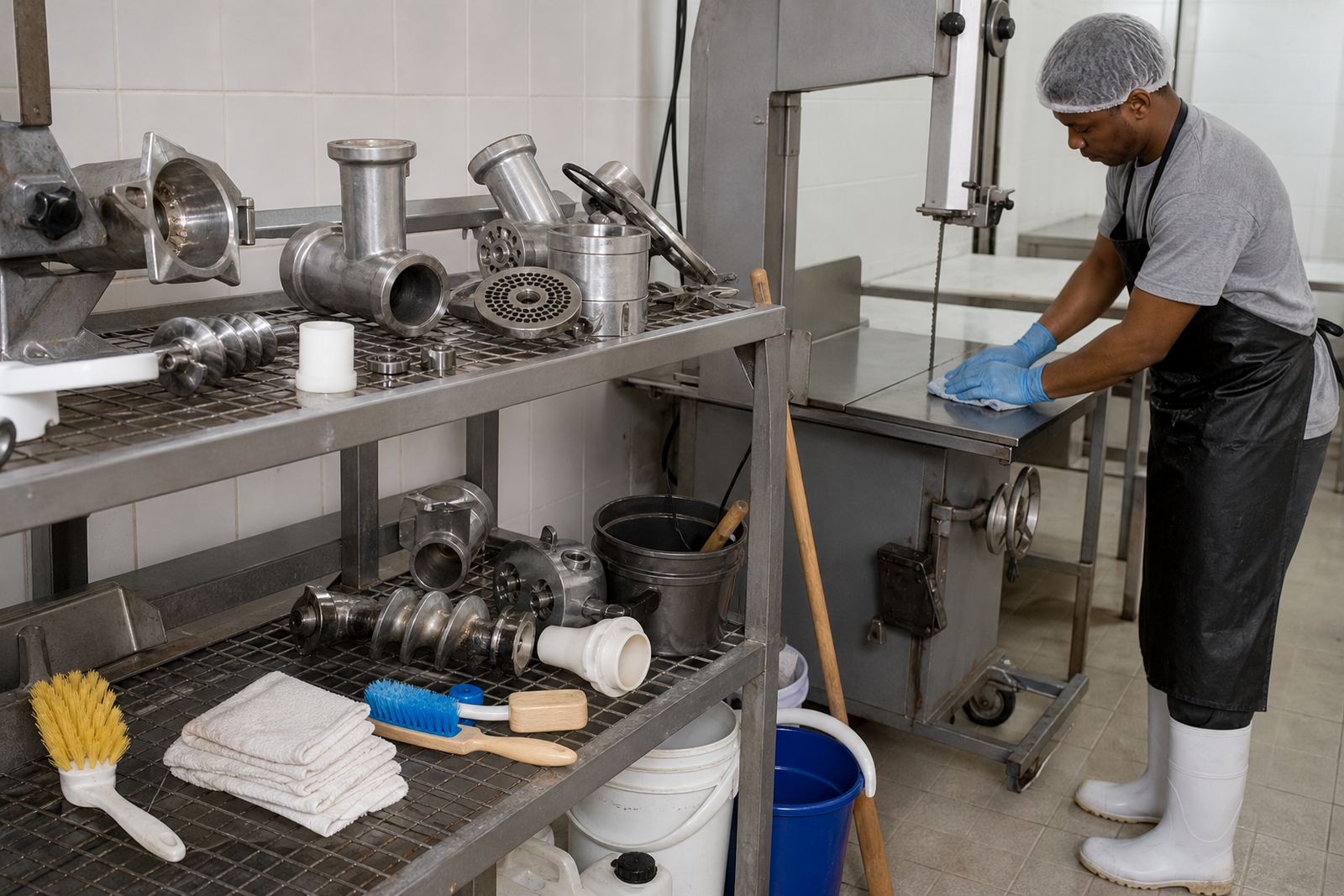
Good care starts with daily cleaning, safe strip-down where needed and making sure all food-contact parts are washed, dried and reassembled correctly. Blades, plates and cutting knives need close attention because dull or damaged parts affect the finish of the mince and can put extra strain on the motor. A clean machine is easier to inspect, and it gives the operator a chance to spot wear before it becomes a breakdown.
Use gloves, keep fingers clear of the feed opening and never bypass guards or safety fittings. Training matters as much as the machine itself, because a countertop mincer can only work well when the operator feeds product correctly and keeps the station orderly. After cleaning, check for loose fittings, unusual noise or changes in the cut. If the machine begins to struggle, or the output becomes uneven, that is usually the time to arrange servicing rather than waiting for a complete failure.
- Clean after use and dry all parts fully
- Inspect blades, plates and knives for wear
- Keep the bench clear and the area around the motor dry
- Use PPE and keep hands away from the feed area
- Arrange preventive maintenance before busy periods
What to Check Before You Order
Before placing an order, confirm how much mince you prepare in a normal day, what type of meat is handled most often and how much space you have on the counter. It also helps to know whether the machine will be used for light domestic work or more regular shop use. That makes it easier to match the unit to the workload instead of buying something too small or more machine than you need.
You should also check the availability of replacement plates, knives and other wear parts, because easy access to parts makes servicing simpler later on. Ask about installation support, delivery to your town and whether operator training can be arranged at the same time. For customers in Bloemfontein, Johannesburg, Pretoria, Durban, Cape Town, Kimberley, Welkom and Kroonstad, delivery and setup can be planned around your opening hours so the machine arrives ready for use. A good ordering checklist saves repeat trips and avoids delays when the shop is meant to open the next morning.
- Daily workload and product type
- Bench space and height of the work surface
- Power supply and plug requirements
- Availability of blades, plates and knives
- Need for installation, training or servicing support
Key facts
| Product type | Countertop mincer for regular mince preparation |
|---|---|
| Placement | Stable work surface or prep bench |
| Use case | Home butcheries, shop counters and small commercial prep areas |
| Power | Electric supply required, confirm site compatibility before ordering |
| Wear parts | Blades, plates and knives |
| Support | Delivery, setup, servicing and operator training available |