

Planned Checks That Keep Production Moving
Preventive maintenance is a scheduled service visit that looks after the working parts, safety features and general condition of your bandsaw or mincer before faults become a stoppage. In butchery work, a small issue such as a loose guard, worn blade, dull plate and knife or build-up inside the machine can affect cut quality, operator safety and turnaround time. Planned checks help you stay ahead of that wear, especially where the machine runs daily and cleaning is done under pressure after trading hours.
We use a practical checklist suited to the way South African butchers work, whether you are in a busy shop in Bloemfontein, a supermarket counter in Pretoria, or a home setup in Kroonstad. The aim is simple: keep the equipment safe, clean and ready for work, while reducing surprise breakdowns that interrupt orders. It also helps extend the service life of the machine, which matters when parts are not always easy to source quickly.
What A Preventive Visit Covers
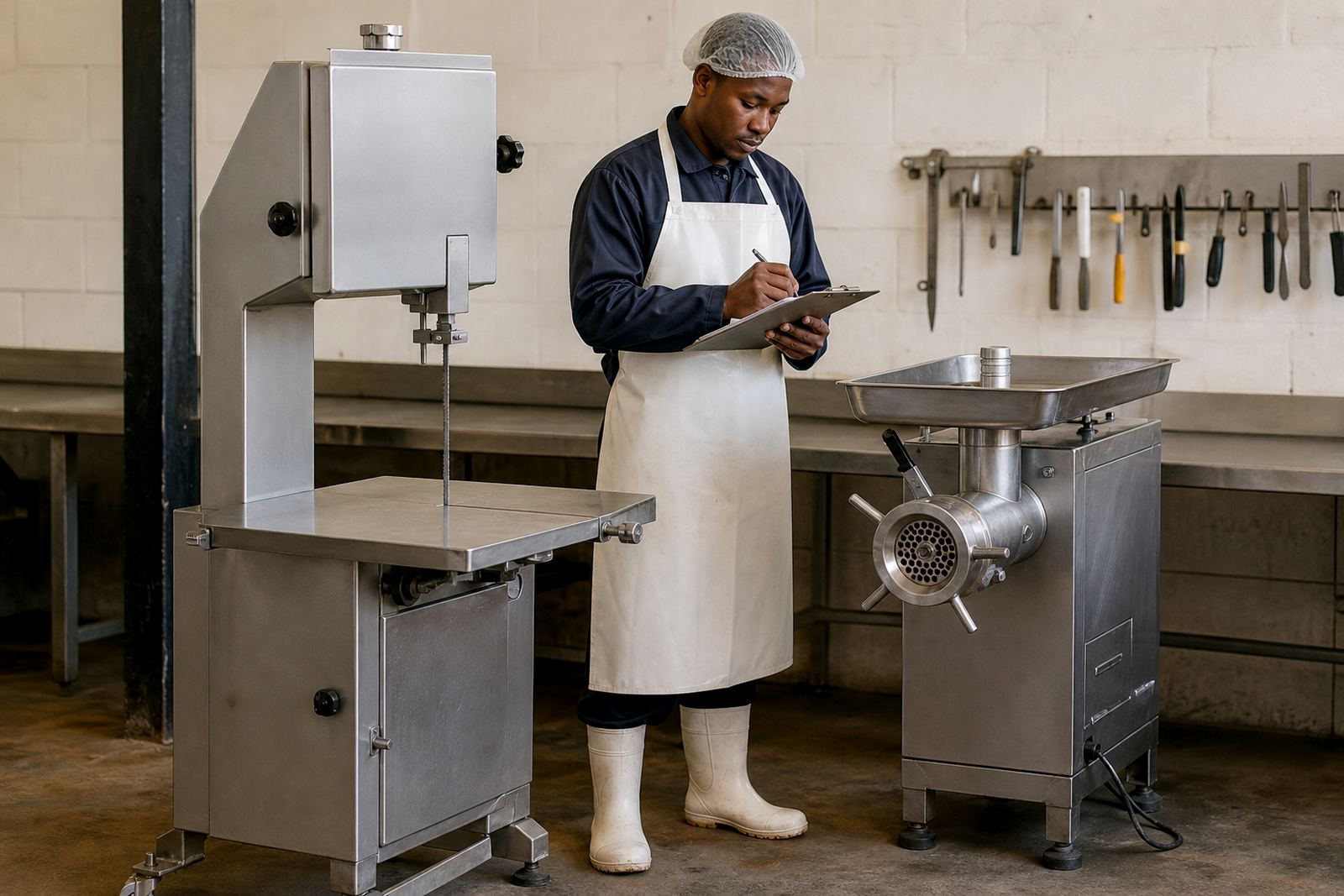
A maintenance visit is built around observation, cleaning support and functional checks. We do not rely on guesswork. Our team looks at the machine condition, listens for abnormal noise, checks operation and confirms whether parts are wearing at the expected rate or showing early signs of trouble. If something needs attention, we will explain it clearly and advise the next step.
- Visual inspection of the exterior, guards and switches
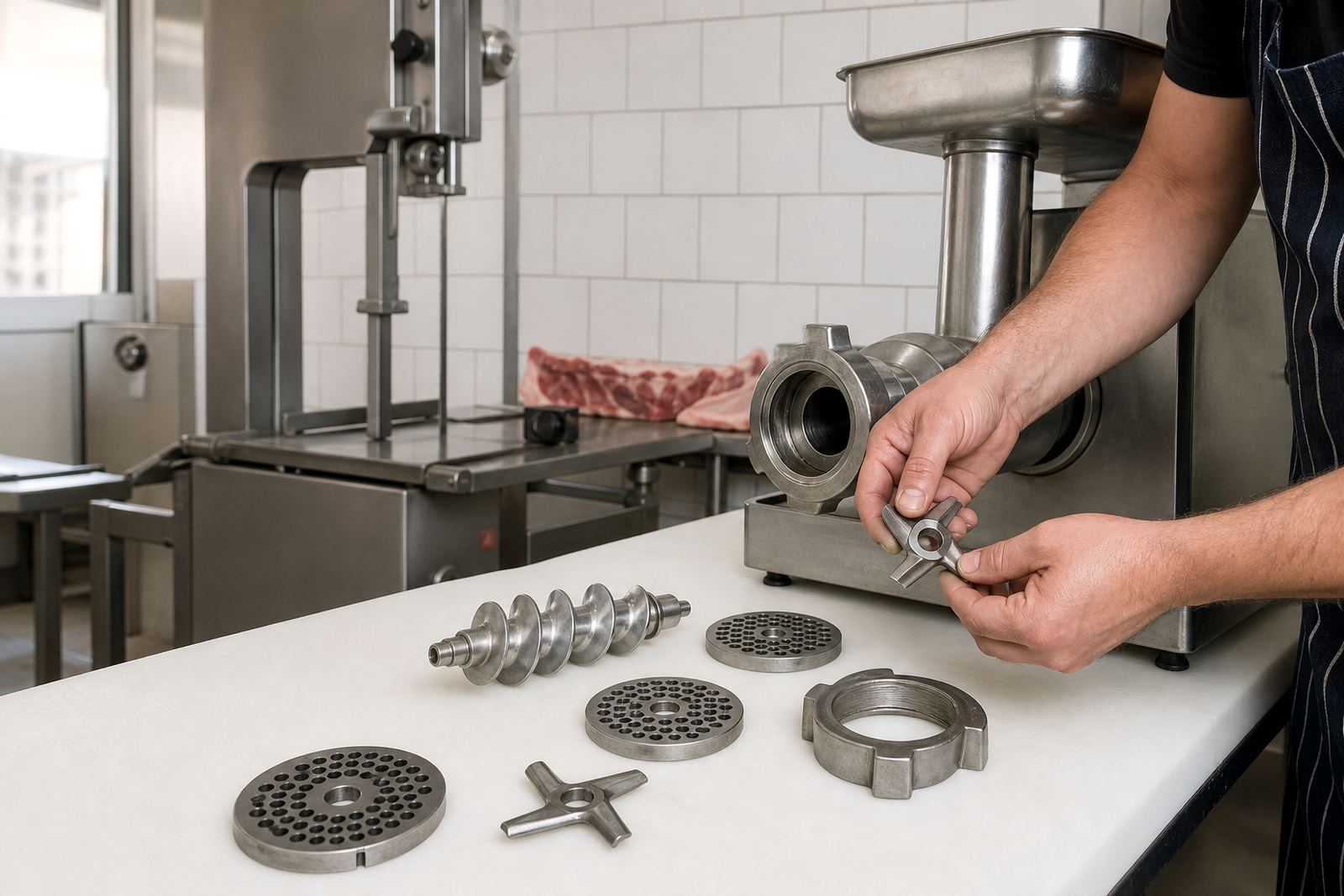
- Check for wear on blades, belts, rollers, plates and knives where applicable
- Cleaning support for areas that trap fat, meat residue and dust
- Basic operational checks for vibration, alignment and feed action
- Review of safety points such as guards, covers and PPE use
- Advice on parts that should be replaced soon rather than later
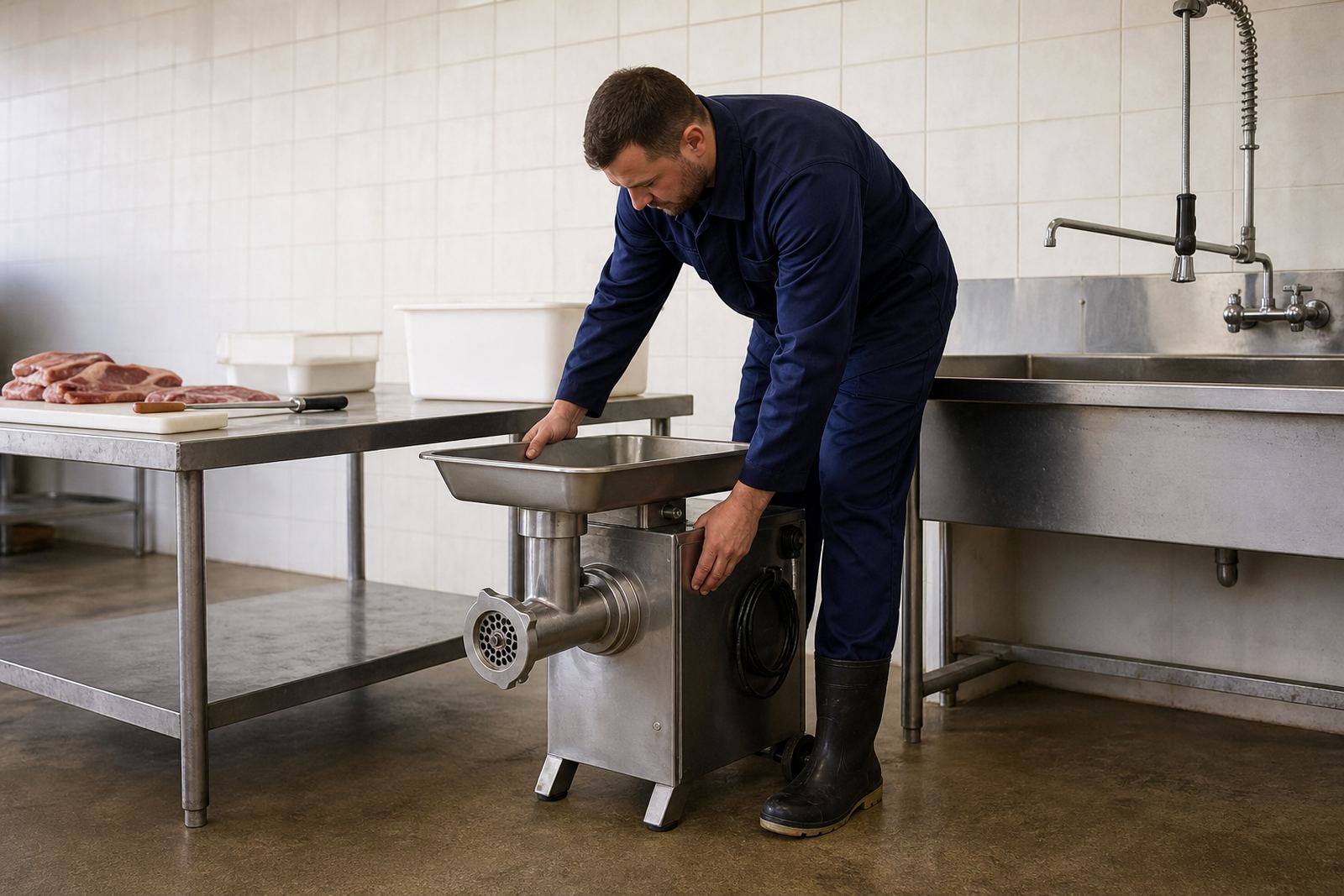
We also check whether the machine has been installed and positioned in a way that supports safe use and easier cleaning. Poor access around the unit often causes missed cleaning spots, and that becomes a hygiene issue as well as a maintenance one. On sites where load shedding affects trading hours, we can help plan service around your operating window so you are not left rushing the job.
Our Maintenance Process From Booking To Sign-Off
Clients usually reach us through the enquiry form on the contact page, then we confirm the machine type, location and the service requirement. From there, we schedule a visit or workshop booking depending on what is needed. Some jobs are handled on site, while others are better taken in for a closer inspection, parts replacement or testing after work has been done.
- Initial enquiry and service booking
- Discussion of usage, symptoms and any recent changes in performance
- Scheduled inspection on site or in workshop
- Cleaning, adjustment and replacement advice where needed
- Testing after the work is completed
- Feedback on the next service interval
At sign-off, we explain what was checked, what was corrected and what should be monitored. That includes simple reminders like keeping guards in place, using the right PPE and cleaning the machine properly before the end of the shift. A clean machine is easier to inspect and it gives better warning when something starts wearing out.
How Often You Should Book Maintenance
There is no single interval that suits every butcher. The right maintenance cycle depends on how often the machine is used, what products are processed, how many operators handle it and how thorough the daily cleaning is. A machine running through peak trade in a commercial shop will need closer attention than a unit used only occasionally at home.
As a general guide, high-use sites should book preventive maintenance more frequently than low-use sites, and any machine that shows changes in cut quality, noise, feed action or cleanliness should be checked sooner. If you are in a coastal area such as Durban, humidity can also affect stored parts and surfaces, so that may call for a tighter inspection routine. In inland towns like Bloemfontein, dust and dry conditions can create their own wear patterns, especially where equipment is near prep areas or back rooms.
We can help set a sensible schedule that matches your trade. That often works better than waiting for a fault to appear and then trying to recover lost production.
Turnaround, Service Area And Response
Our base is in Hamilton, Bloemfontein, and we service customers across South Africa including Bloemfontein, Johannesburg, Pretoria, Durban, Cape Town, Kimberley, Welkom and Kroonstad. Response time depends on location, workload and whether the job needs workshop attention or can be completed on site. For busy operations, we try to plan visits so maintenance does not clash with your trading peak.
Where a breakdown risk is high, we will advise whether immediate action is needed or whether the machine can safely continue until the scheduled service window. That judgement matters, because not every issue calls for a shutdown, but some do. If the machine shows signs of unsafe operation, the correct step is to stop use, isolate power and arrange inspection before the next shift.
For parts supply, cleaning support and follow-up checks, we keep the process practical and direct. If we need to return for a second visit after sourcing parts, we will say so upfront rather than leave you guessing. That helps shops and home users plan work better, especially where staffing is tight and power interruptions already put pressure on timing.
Pricing Approach And What A Good Maintenance Budget Covers
Preventive maintenance is priced according to the machine type, the extent of the check, the location of the site and whether parts are needed. We avoid one-size-fits-all pricing because every machine has a different service history. A unit that is cleaned well and maintained regularly will usually take less time than one that has been neglected, while a machine needing blade replacement or plate and knife change naturally involves more work.
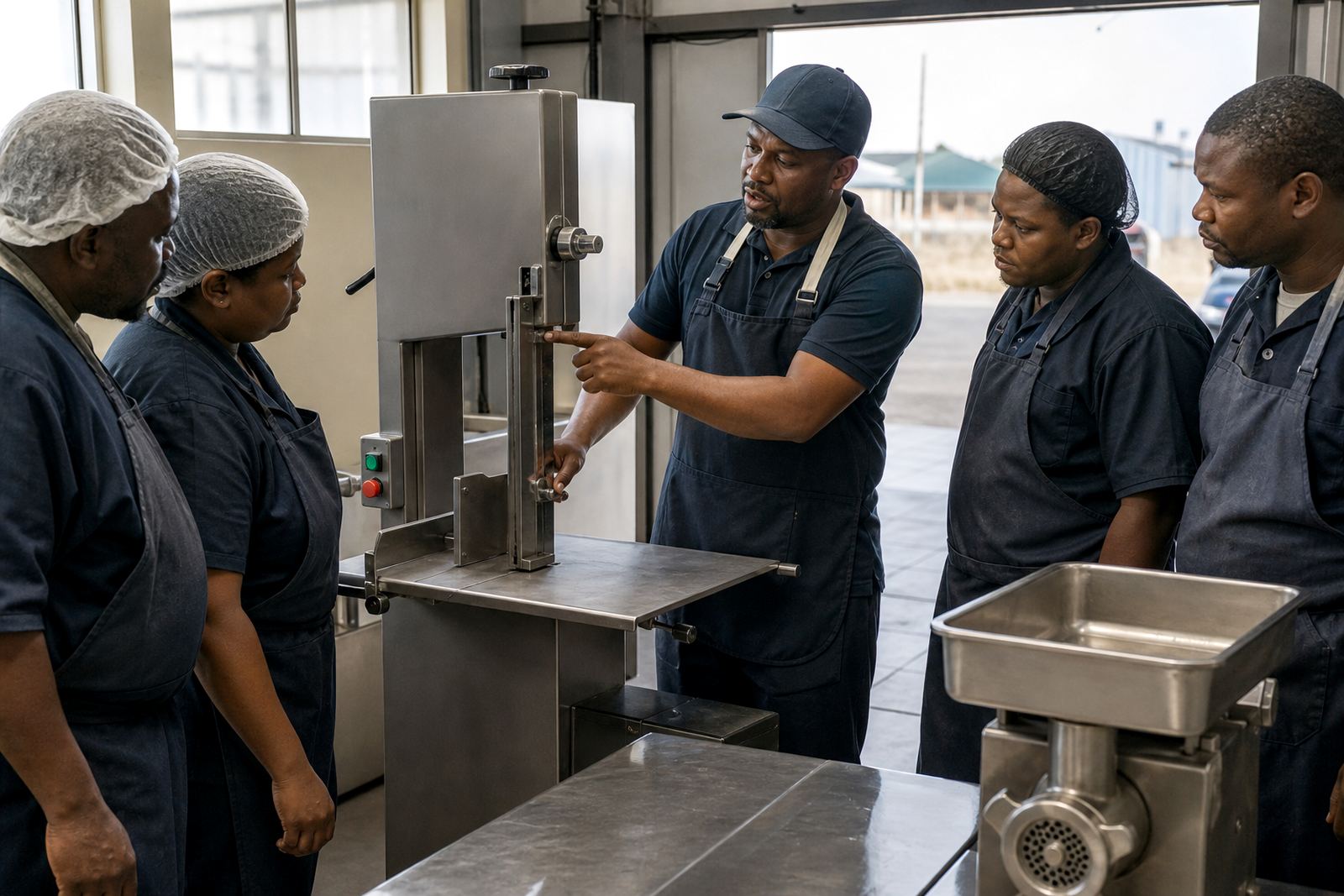
A sensible maintenance budget should cover inspection time, cleaning support, labour for adjustments, any minor consumables required for the job and replacement parts when they are due. It should also leave room for training if operators need a refresher on safe use, daily cleaning or correct shutdown. That small investment often pays for itself by reducing avoidable callouts and keeping production steadier.
- Inspection and condition report
- Labour for cleaning, checking and adjustment
- Parts and consumables if required
- Follow-up recommendation on intervals and future wear
- Optional operator refresher on safe handling and cleaning
We keep the pricing conversation plain and clear. If something is not needed, we say so. If a part should be replaced soon rather than later, we explain why, so you can make the call based on actual condition instead of guesswork.
Key facts
| Service type | Preventive maintenance for butchery bandsaws and mincers |
|---|---|
| Visit format | On site or workshop, depending on the machine condition |
| Coverage | Bloemfontein and nationwide delivery areas |
| Typical focus | Wear detection, cleaning support, safety checks and adjustment |
| Safety reminders | Use guards, keep the unit clean and wear suitable PPE |
| Booking method | Enquiry form on the contact page |