

Built For Orderly Processing Stations
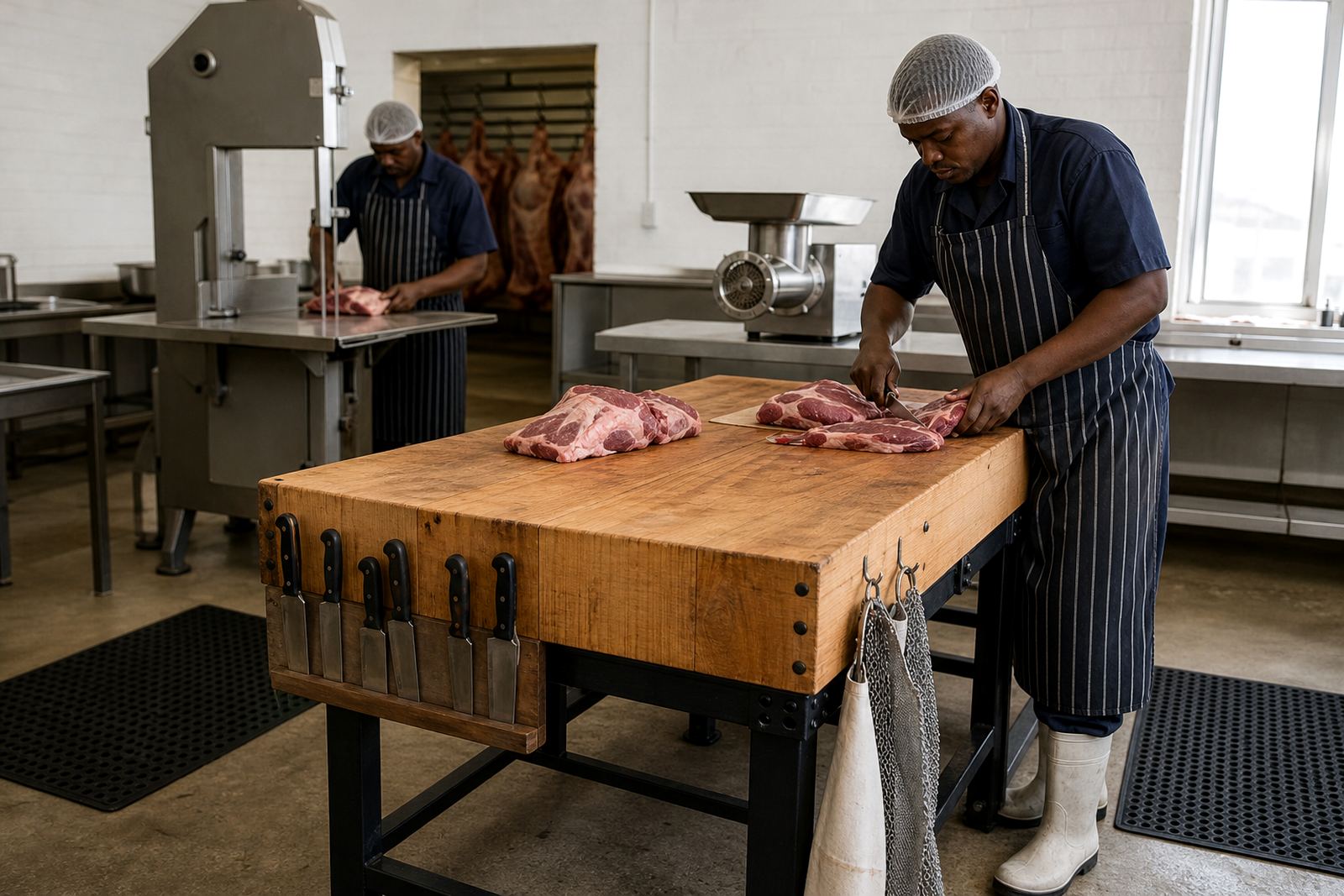
A cutting bench is one of the most useful pieces of butchery furniture on the floor. It gives staff a firm place to work, keeps meat off the ground and helps separate cutting, packing and cleaning tasks so the room runs with less back-and-forth. In a small home setup, a single bench can make the difference between a cramped corner and a proper working station.
We supply cutting benches for butcheries in Bloemfontein, Johannesburg, Pretoria, Durban and Cape Town, with delivery to towns such as Kimberley, Welkom and Kroonstad as well. In Free State conditions, a bench must stand up to daily washing, temperature changes and constant handling, so the finish and frame matter just as much as the size.
Sizes, Surfaces And Layout Options
Cutting benches are usually selected by the available floor space and the way the room flows. Some are compact for home use, while larger rooms may need longer benches to support busy prep work, trimming and sorting. The surface should be easy to wipe down, stable under load and simple to keep clean between shifts.
- Compact benches for tight prep areas and home butchers
- Longer work benches for commercial cutting rooms
- Plain top or splash-backed options for neater wall placement
- Stainless or similar easy-clean work surfaces
- Fixed leg frames or braked castors where movement is needed
When choosing a size, leave enough space for safe movement around the bench, especially where staff are carrying trays, using knives or moving between a bandsaw and a mincer.
Where Cutting Benches Work Best
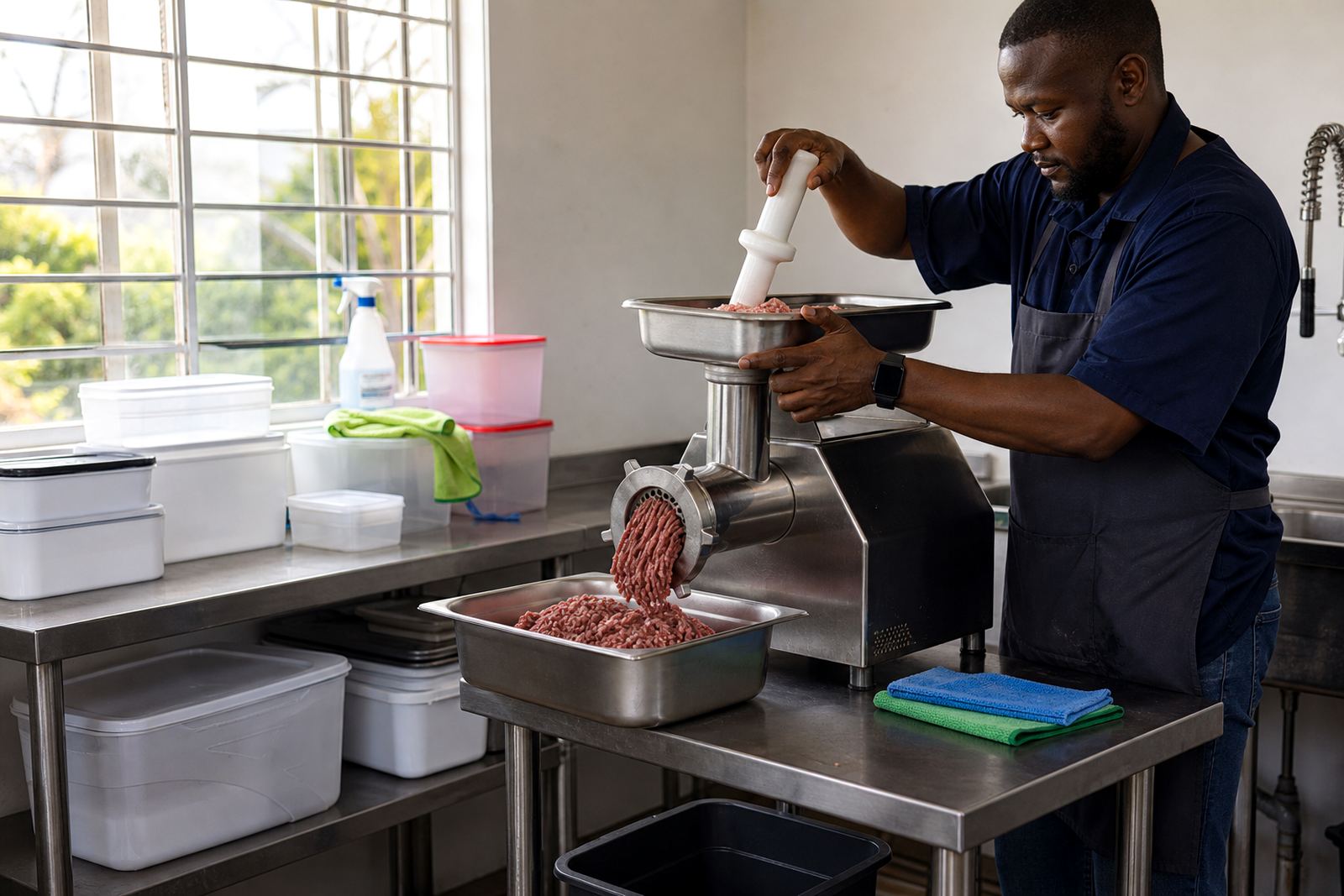
These benches suit butcheries, farm shops, meat rooms, tavern supply points and home setups where regular processing happens. They are useful beside a bandsaw, next to a mincer or in a packing area where clean separation between raw product and finished portions is needed. In many rooms the bench becomes the main surface for weighing, trimming and tray loading.
For shops near the coast, humidity can affect finishes, fasteners and stored accessories if the area is not cleaned and dried properly. In high-traffic rooms, benches also help with municipal hygiene expectations because they make daily wash-downs easier and encourage better room layout.
- Commercial butcheries with a steady processing flow
- Home butchers wanting a proper working height
- Training areas where safe handling is taught
- Preparation rooms that need clear separation from display areas
Installation, Positioning And Utility Needs
Cutting benches do not need electrical power or gas, but the room around them does need sensible planning. Position the bench on a level floor, away from splash zones where possible and close enough to the main work equipment to reduce carrying distance. If the bench is used near a power point, keep cords off the floor and out of wet areas.
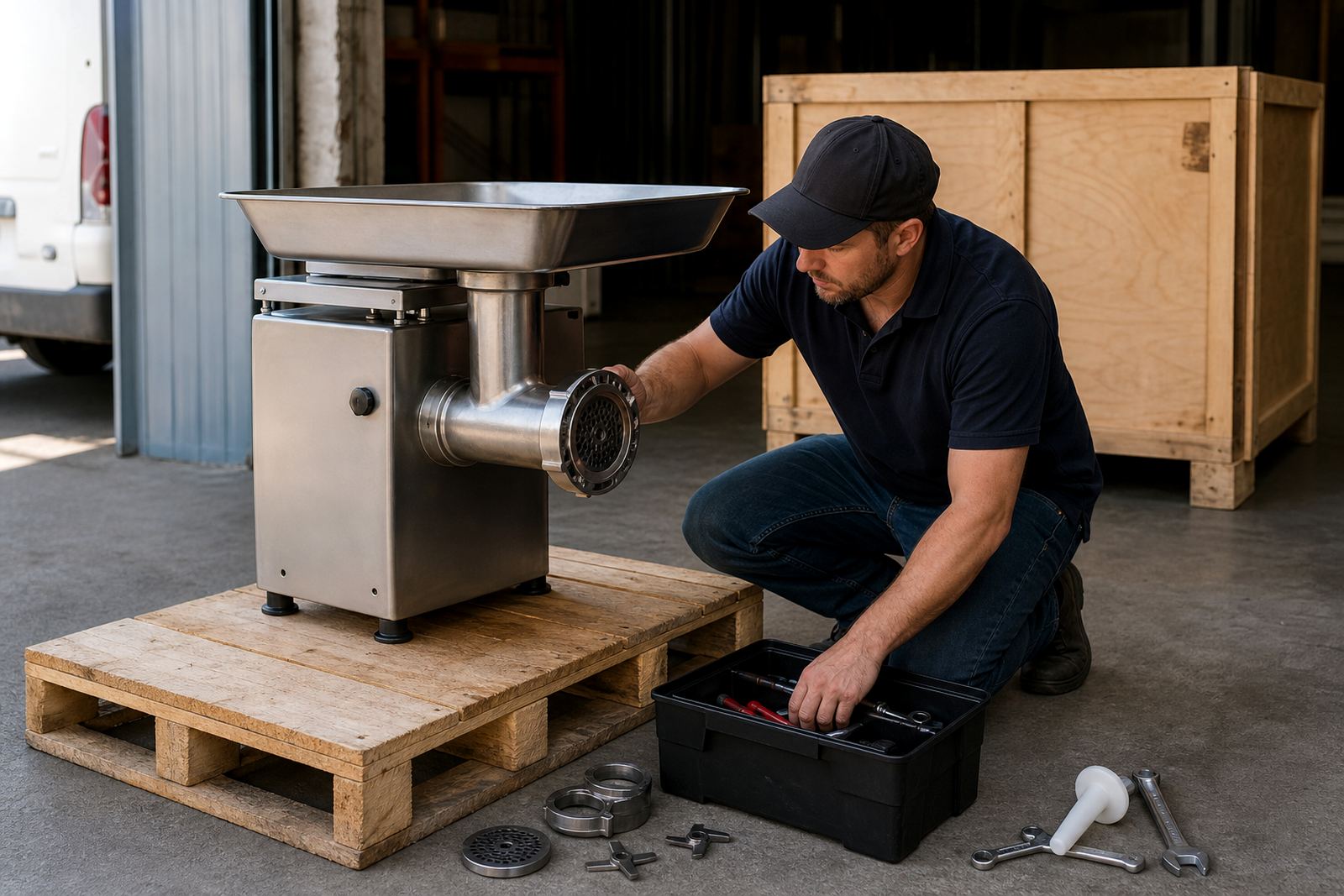
Installation is usually straightforward, but it is worth checking door widths, passageways and floor level changes before delivery. In older buildings around Bloemfontein or Kimberley, narrow entries and uneven floors can make a simple setup harder than expected. A bench should sit square and steady, with enough room for cleaning behind and underneath it.
Cleaning And Ongoing Care
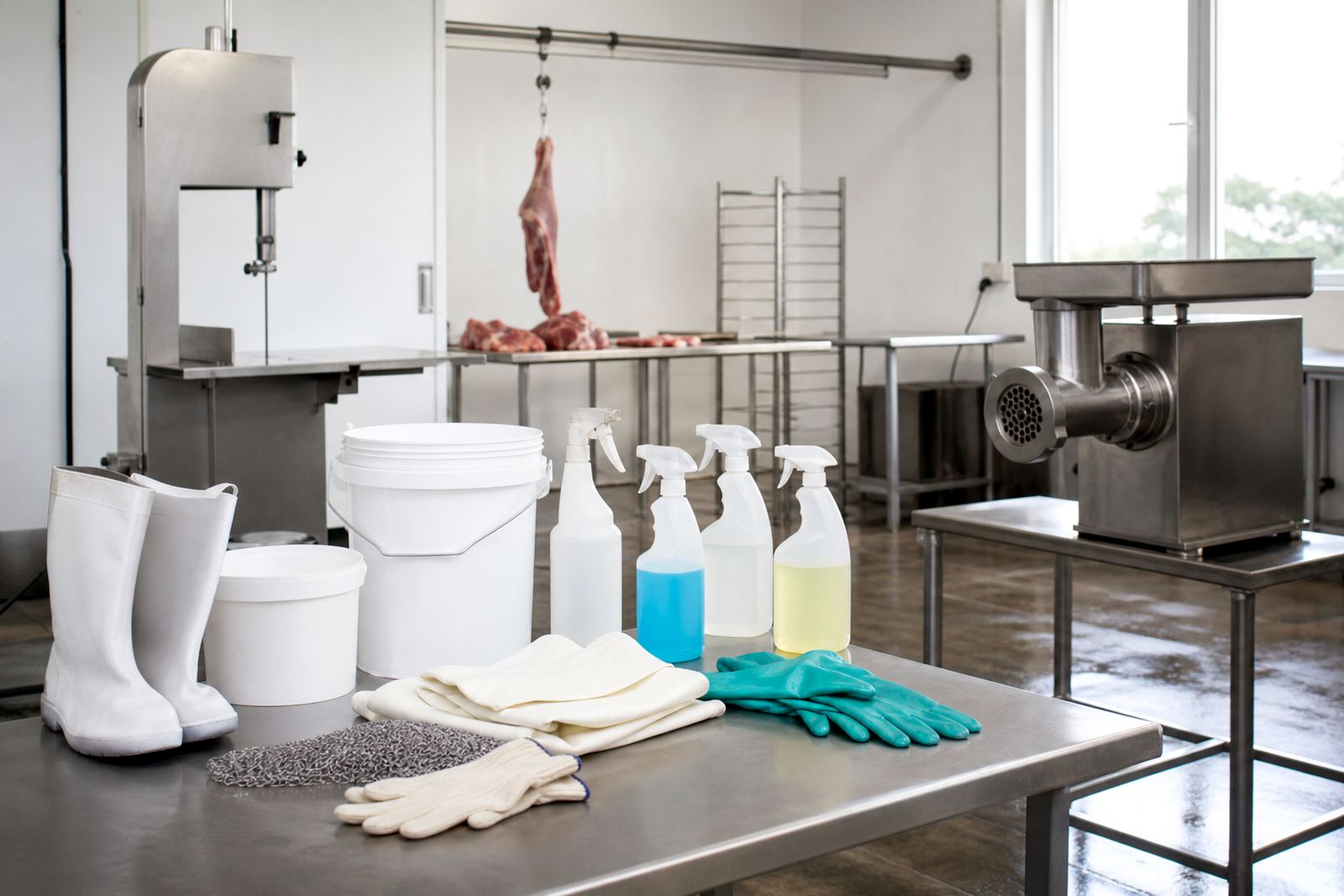
A good cutting bench stays useful only if it is cleaned properly after use. Wipe down surfaces, remove scraps promptly and wash the area with suitable cleaning products before it dries with residue on the top. If the bench has a metal frame, check for loose fittings, wear spots or any signs of corrosion, especially in damp rooms or coastal areas.
Basic care also includes checking that all edges remain smooth and that the bench does not rock. If adjustable feet are fitted, keep them level. Staff should wear PPE suited to the task and avoid using damaged surfaces, because a split edge or unstable leg can become a safety issue very quickly.
- Clean after each working session
- Dry the surface and frame before closing up
- Check bolts, feet and joints during routine servicing
- Keep knives, saws and tools off wet surfaces when not in use
What To Check Before Ordering
Before placing an order, measure the room carefully and think through the full workflow. The bench should suit the number of people working at once, the type of product being handled and the equipment already in the room. It helps to confirm whether you need a plain bench, a longer prep surface or a unit that can sit beside another station without crowding the passage.
Ask about finish, frame style, load expectations and whether the bench is intended for home use or regular commercial service. If the space is part of a larger butchery fit-out, it is also worth planning for delivery and setup at the same time as other equipment. Our team in Hamilton, Bloemfontein can help with practical advice and arrange delivery or support through our enquiry form.
- Room size and door access
- Preferred working height and surface length
- Cleaning routine and floor drainage
- Whether the bench must move or stay fixed
- How it fits with bandsaws, mincers and packing areas
Key facts
| Product type | Butchery cutting bench for prep and processing stations |
|---|---|
| Typical use | Trimming, portioning, weighing and packing |
| Size options | Compact, medium and extended work surfaces |
| Surface options | Easy-clean tops with plain or splash-back layouts |
| Frame options | Fixed legs or movable bases where suitable |
| Care needs | Daily cleaning, drying and regular checks for stability |