

Bandsaw Blades For Daily Butchery Work
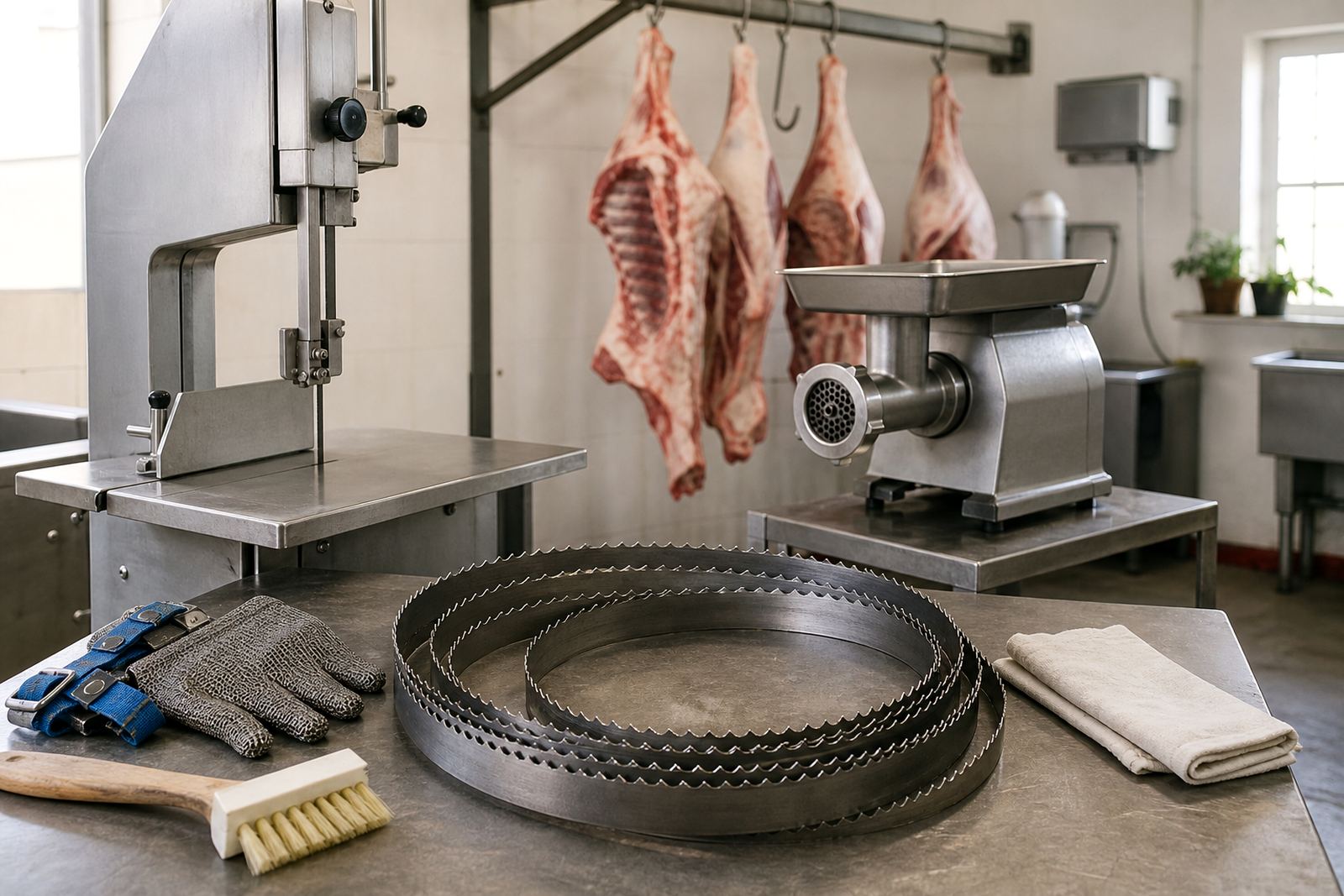
Bandsaw blades do the actual cutting work in a butchery bandsaw, so condition matters every day. A fresh blade helps keep cuts cleaner, reduces strain on the machine and supports more consistent work when you are portioning carcasses, trimming bulk meat or preparing retail packs. When a blade starts to wander, burn, snag or leave a rough edge, it is usually time to inspect it properly and plan a replacement.
For butchers in Bloemfontein and the Free State, regular blade care is especially useful where dust, heat and long operating hours can affect workshop routines. In coastal towns like Durban and Cape Town, humidity can also affect storage and handling, so keeping blades dry and correctly stored is important. The right blade is not only about fit, it is also about keeping the machine running safely and in line with the kind of work your shop does.
- Suitable for commercial butcheries and home butchers
- Helps maintain cleaner cuts and steadier operation
- Supports planned maintenance instead of last minute breakdown work
Blade Sizes And Cutting Options To Match The Job
Bandsaw blades come in different lengths, widths and tooth patterns depending on the machine and the type of cutting required. Some setups need a general purpose blade for mixed meat work, while others benefit from a blade chosen for bones, frozen product or regular trimming. The important point is to match the blade to the saw frame and the workload, rather than fitting a blade that is close enough but not correct.
When ordering, it helps to have the old blade on hand or at least know the machine type and the measurements taken from the existing blade. If the blade is too loose, too tight or the tooth pattern is not suitable, cutting quality suffers and wear can happen quickly. In many cases, customers also choose to keep a spare blade ready so that a service interruption does not stop production for long.
- Blade length must suit the machine frame
- Width and tooth set affect cut control and finish
- Different blades suit different meat and bone cutting tasks
Where Bandsaw Blades Suit Best
These replacement blades suit butcheries that use bandsaws for regular processing, whether it is a busy commercial counter, a farm stall, a private home setup or a small-town shop that needs dependable equipment. They are also useful where the machine is part of a wider cutting routine that includes trimming, portioning and cleanup at the end of the day. If the blade is worn, the whole workflow becomes harder than it should be.
In the Free State, North West and Gauteng, many customers use bandsaws in environments where power interruptions and load shedding mean a machine may be started and stopped more often than expected. That makes proper blade condition even more important, because a blade already under strain can show problems sooner after repeated restarts. Around the coast, regular cleaning and drying matter even more to help reduce rust and staining.
- Commercial butcheries and meat rooms
- Home butchers and farm-based meat processing
- Retail counters that need dependable daily cutting
Installation, Machine Fit And Power Considerations
Blade replacement should always be done with the machine isolated from power and with the correct guards in place. A bandsaw blade must be fitted carefully, tensioned to suit the machine, and checked for correct tracking before the saw goes back into service. If a blade is not seated properly, it can jump, run unevenly or wear out far too quickly.
Bandsaw blades do not need gas, but the machine they fit into does need the correct electrical supply and a sound operating setup. Before fitting a new blade, check that the saw wheels, guides and table are clean and that there is no damage from the old blade. PPE should always be used during handling and fitting, including cut-resistant gloves where suitable, and operators should never bypass guards just to save time.
- Always isolate power before fitting or removing a blade
- Check blade tracking, guides and tension before use
- Keep guards in place during operation and testing
Care, Cleaning And Servicing Between Replacements
Good care extends blade life and helps keep the machine safe. After use, remove fat, meat residue and moisture from the blade and the saw area, then dry it properly before storage if it is not staying on the machine. Clean blades cut more predictably and are easier to inspect for wear, cracks or dull sections. A blade that is left dirty often loses performance faster than expected.
Regular servicing should include checking the condition of the blade guides, the drive area and the cutting table, as well as confirming that the blade remains aligned after cleaning. If operators are new to the machine, a short cleaning demonstration and basic training can prevent common mistakes. In busy shops, preventative maintenance helps reduce breakdowns and keeps repairs from interrupting trading days.
- Clean after use and dry before storage
- Inspect for dull teeth, cracks or poor tracking
- Use gloves and safe handling methods during cleaning
What To Check Before You Order
Before ordering a replacement blade, check the machine model or at least the exact blade measurements from the old one. You should also note what you cut most often, because a blade chosen for general trimming may not be the best choice for heavy bone work. If you are not sure, send the details through the enquiry form and ask for help matching the blade to the machine and the work you do.
It is also worth checking whether you need one blade only or a small backup stock for maintenance planning. Shops in Bloemfontein, Johannesburg, Pretoria, Durban, Cape Town, Kimberley, Welkom and Kroonstad often keep spare parts on hand so that a worn blade can be changed without waiting. That simple step can save time when demand is high and the machine needs to stay in service.
- Machine size and blade measurements
- Type of cutting work and daily volume
- Storage needs for spare blades and service planning
Key facts
| Product type | Replacement bandsaw blade for butchery use |
|---|---|
| Fitment | Must match the machine frame, wheel path and blade guides |
| Common options | Different lengths, widths and tooth patterns depending on the job |
| Typical use | Meat cutting, portioning and bone work in butcheries and home setups |
| Handling | Fit with power isolated, guards in place and suitable PPE |
| Care | Clean, dry and inspect regularly, then replace when wear affects cutting |
| Supply area | Bloemfontein, Johannesburg, Pretoria, Durban, Cape Town and nationwide delivery |