

Choosing The Right Bandsaw Or Mincer For Your Workload
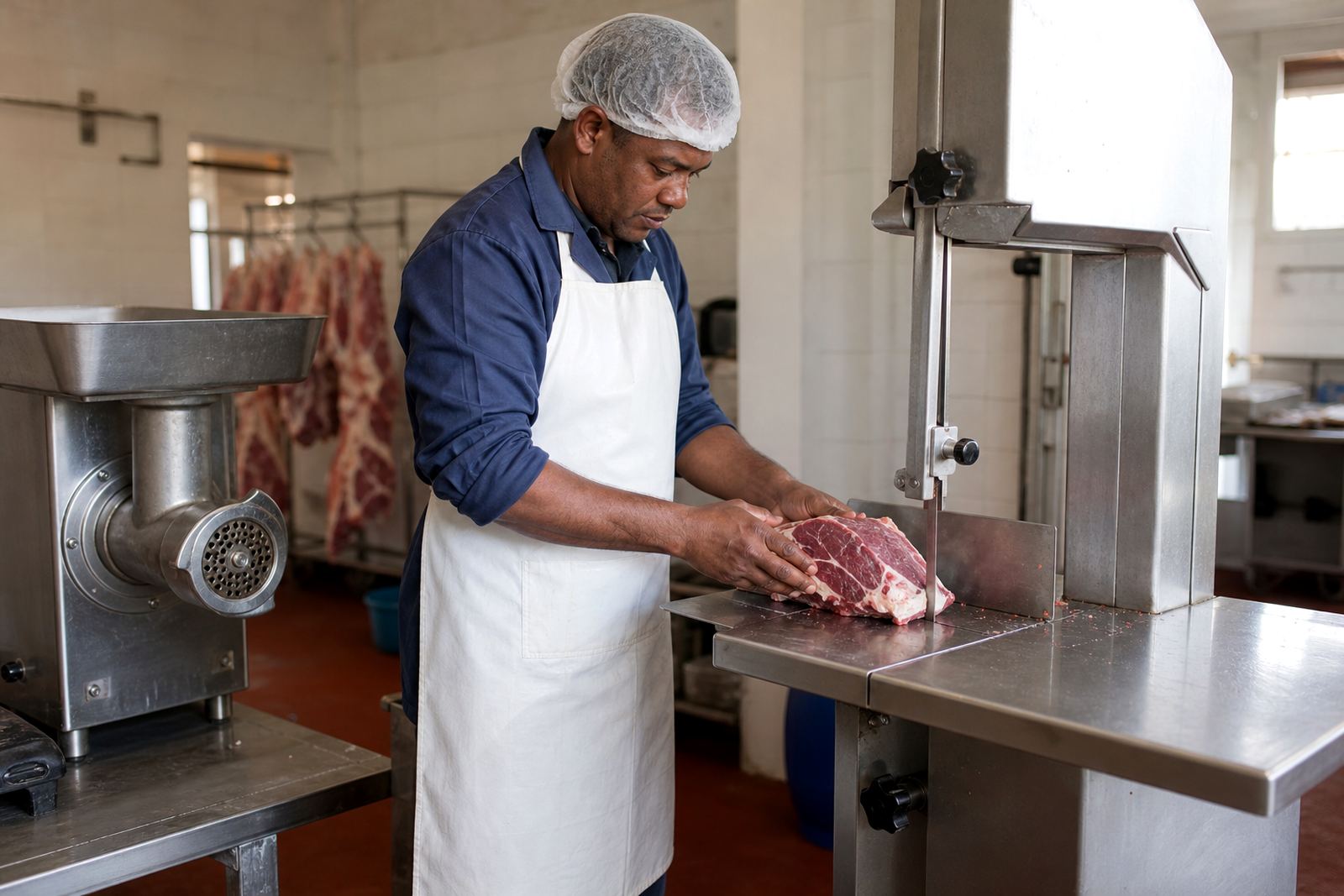
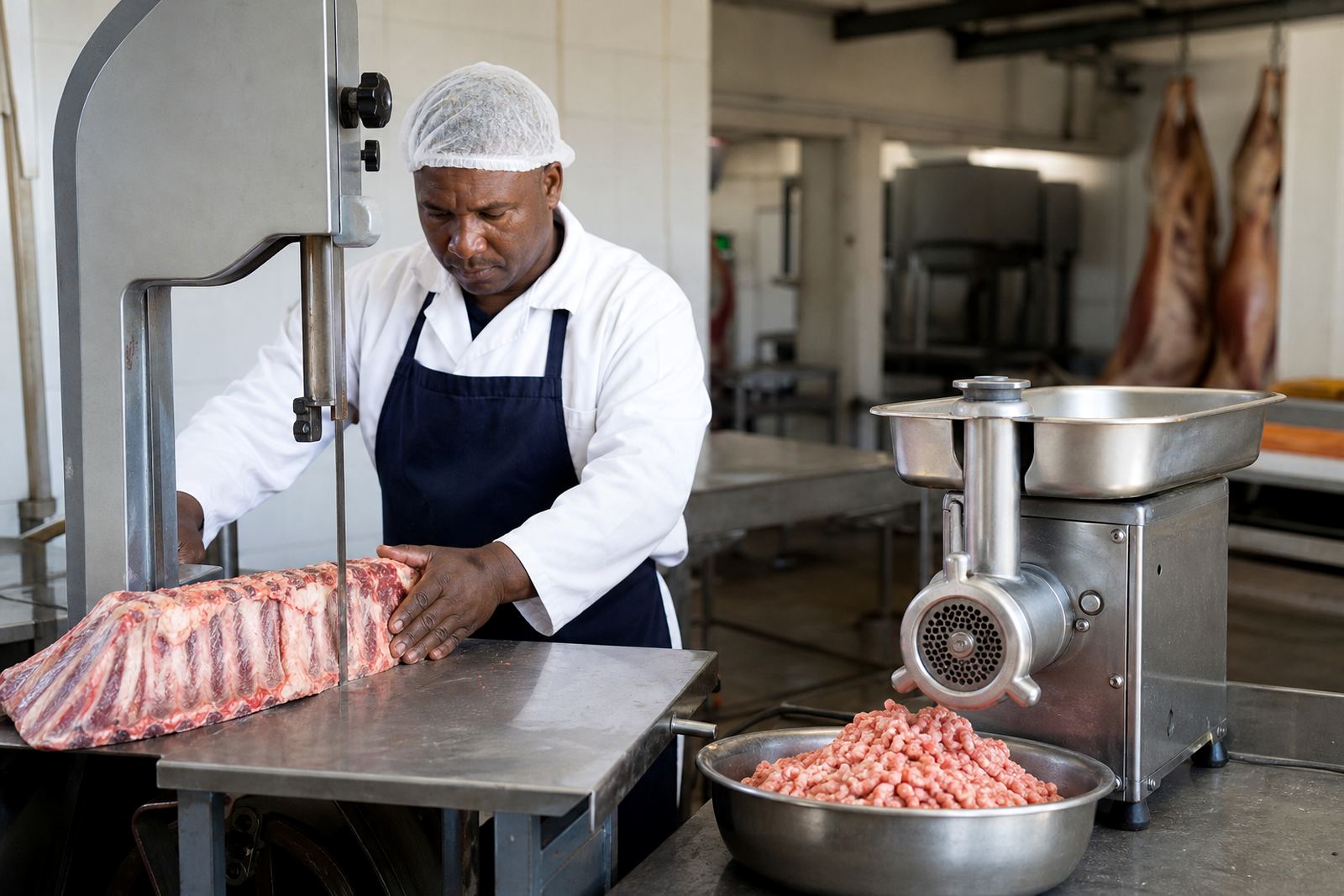
When a butcher is choosing between equipment, the first question is how much product is processed each day and how the work is split between cutting and grinding. A bandsaw is normally used for cutting through bone and larger sections cleanly, while a mincer handles prepared meat for sausage, mince and burger work. If you serve a small home setup in Bloemfontein or a busy counter in Johannesburg, the right choice depends on volume, space and how often the machine will be used.
It also helps to think about hygiene and cleaning time. In smaller rooms or shared prep spaces, easier access for washing down and removing parts makes a big difference. If you are unsure, ask for guidance through the enquiry form and we can help you match the equipment to the job without overbuying. That saves time and keeps the work area more organised.
- Use a bandsaw for bones, carcass sections and straight cutting work.
- Use a mincer for ground meat, sausage mixes and finer processing.
- Allow space for safe loading, cleaning and blade or plate changes.
- Plan for power supply, floor space and daily cleaning access.
Daily Cleaning Steps That Protect Product Quality
Good cleaning habits are the simplest way to keep equipment working properly. At the end of each shift, switch off and isolate the machine before any cleaning starts. Remove loose meat, fat and bone residue first, then wash the parts that can be removed. Use warm water and a suitable food-safe detergent, then rinse and dry every surface fully before reassembly.
Do not leave moisture sitting inside guards, around moving parts or beneath the machine base. In coastal areas such as Durban, damp air can lead to quicker surface issues if equipment is put away wet. In colder or dry areas like Bloemfontein the risk is different, but the principle is the same: clean properly, dry fully and store with care. That routine helps reduce contamination and keeps the machine ready for the next shift.
- Wear gloves and other PPE during cleaning.
- Keep hands away from sharp edges, blades and plates.
- Check that all guards are refitted before start up.
- Use only cleaning methods approved for food prep areas.
What To Check Before You Switch On
Before using any bandsaw or mincer, take a few minutes to inspect the machine. Look at the blade or cutting parts, check that guards are in place, and make sure the work surface is clear. If anything seems loose, noisy or out of line, stop and have it checked before use. A quick inspection can prevent a breakdown during a busy period.
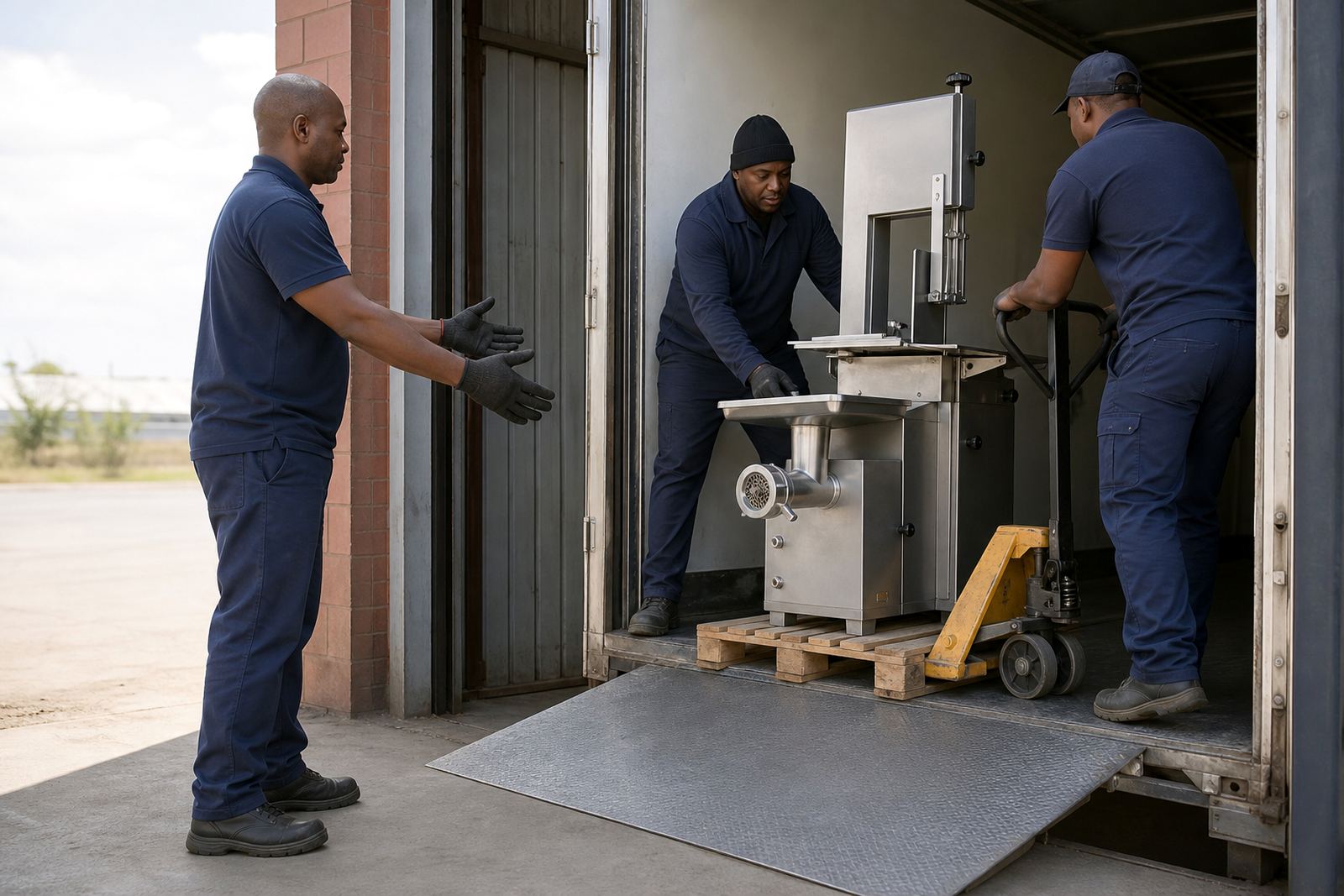
Operators should also confirm that the machine is stable on the floor and that there are no cleaning cloths, bone pieces or tools left near moving parts. If the machine was recently serviced or moved for delivery and setup, do a test run before full production starts. This is especially useful for shops in Pretoria, Cape Town or Kimberley where different teams may share the same equipment across shifts.
- Check blade condition and alignment.
- Confirm guards, covers and trays are secure.
- Look for unusual vibration, smell or sound.
- Make sure the floor around the machine is dry and clear.
When To Book Servicing Or A Breakdown Callout
Servicing should not wait until the equipment stops completely. If cutting becomes uneven, the machine runs hotter than normal, or the mincer starts producing a rough finish, those are signs that attention is due. Regular servicing helps catch wear early and keeps the machine safer to operate. It also reduces downtime, which matters in retail butchery and small production rooms alike.
Our support team arranges servicing and breakdown callouts across Bloemfontein, Johannesburg, Pretoria, Durban and Cape Town, as well as areas such as Welkom, Kroonstad and Kimberley. If a fault comes up after load-shedding or after the machine has stood idle for a while, it is worth having it inspected rather than pushing it through another shift. That small delay can prevent a much larger repair later.
Parts That Need Regular Attention
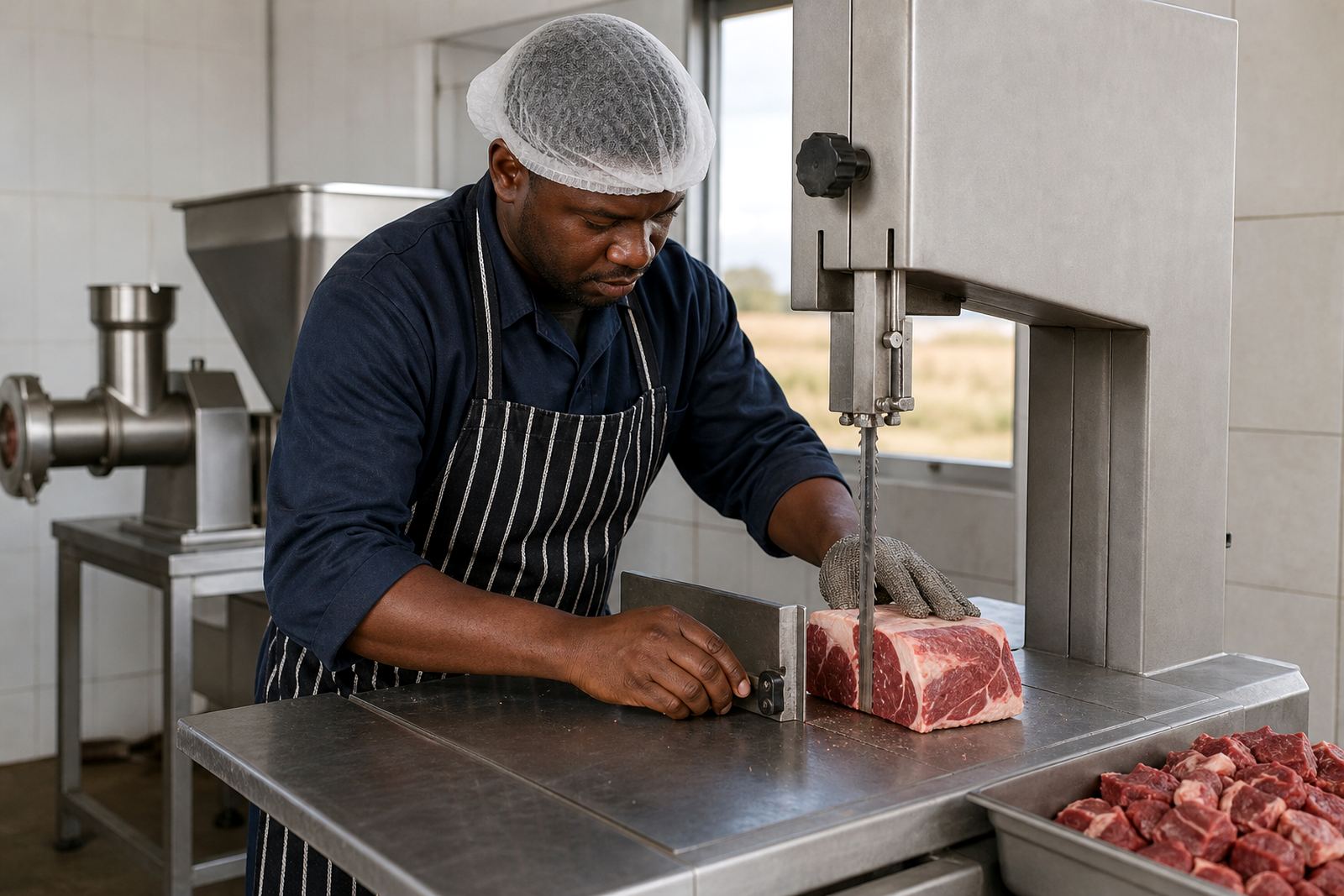
Certain wear items need closer attention because they do the hard work every day. On a bandsaw, the blade needs to stay in good condition and properly tensioned. On a mincer, the plate and knife should be checked for wear because dull cutting parts affect product texture and put extra strain on the motor. These parts should be changed before they become a problem.
Keeping spare parts available is sensible for any busy butcher, especially where delivery times can vary between towns. If you are running a commercial shop in Gauteng or a home setup in the Free State, ask about parts supply early rather than waiting for a complete stoppage. Proper storage of spare parts also matters, keep them clean, dry and wrapped until needed.
- Replace worn blades, plates and knives when cutting quality drops.
- Inspect seals, switches and moving parts during routine servicing.
- Store spare parts in a dry place away from dust and moisture.
- Fit only parts that suit the machine and the task at hand.
Training For Safer Use In Busy Shops
New staff often need clear guidance before they handle a bandsaw or mincer on their own. Operator training should cover loading, safe cutting, cleaning, shutdown and what to do if the machine starts behaving differently. A short demonstration can prevent mistakes that lead to injury or wasted product. It is also useful when a shop changes shifts or adds new staff during busy seasons.
Training works best when it matches the real work area. In a small store, that may mean learning how to move safely around tight prep spaces. In a larger plant, it may mean working with several machines and different cleaning schedules. Our training advisor can help show practical steps for daily use, cleaning demonstrations and safe handling of plates, knives and blades. The aim is simple: keep staff safe and keep the equipment in service.
- Train every operator before unsupervised use.
- Cover safe starting, stopping and cleaning steps.
- Show how to handle blades, plates and knives carefully.
- Remind staff to report faults straight away.