

What a Mincer Mixer Unit Does in a Butchery
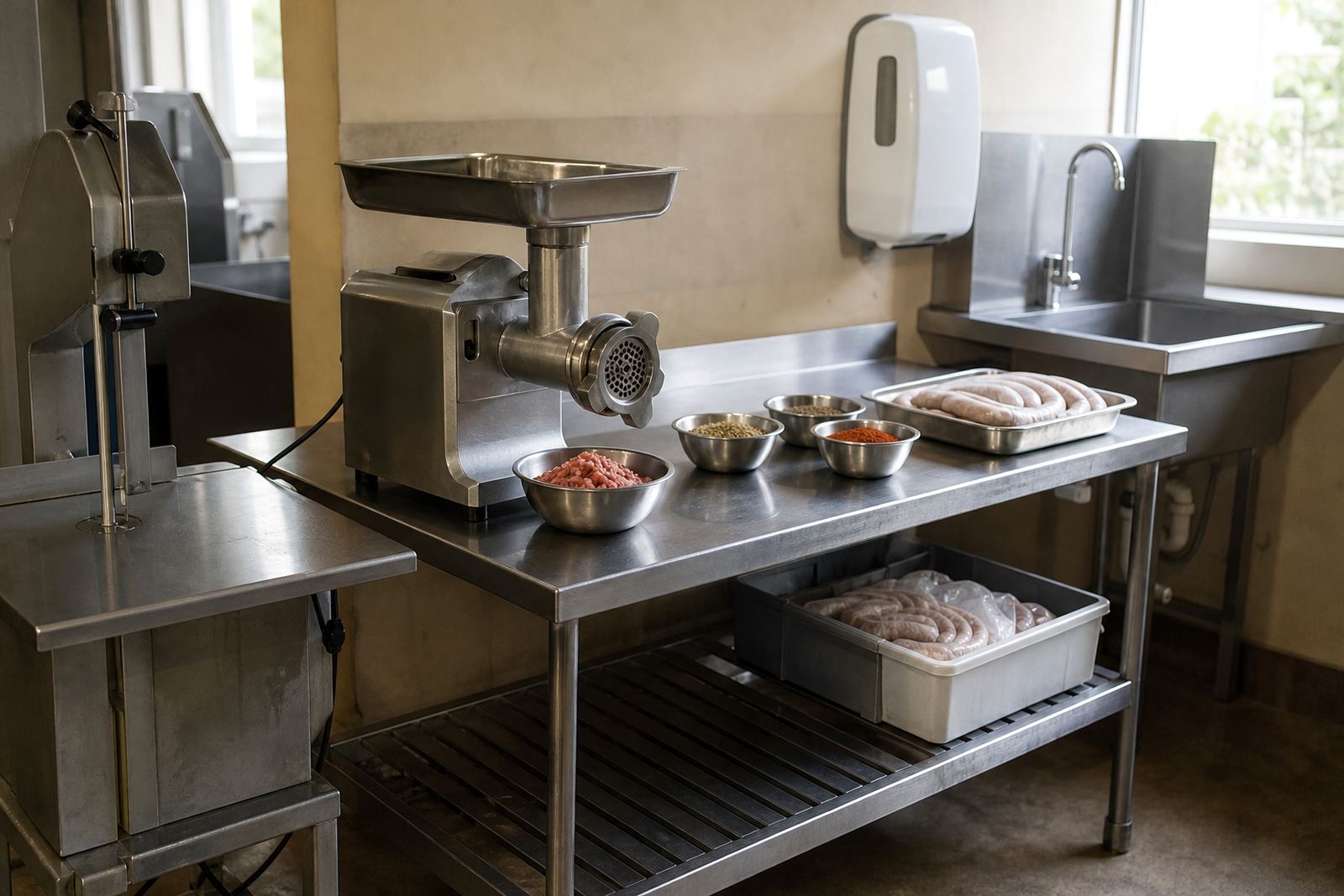
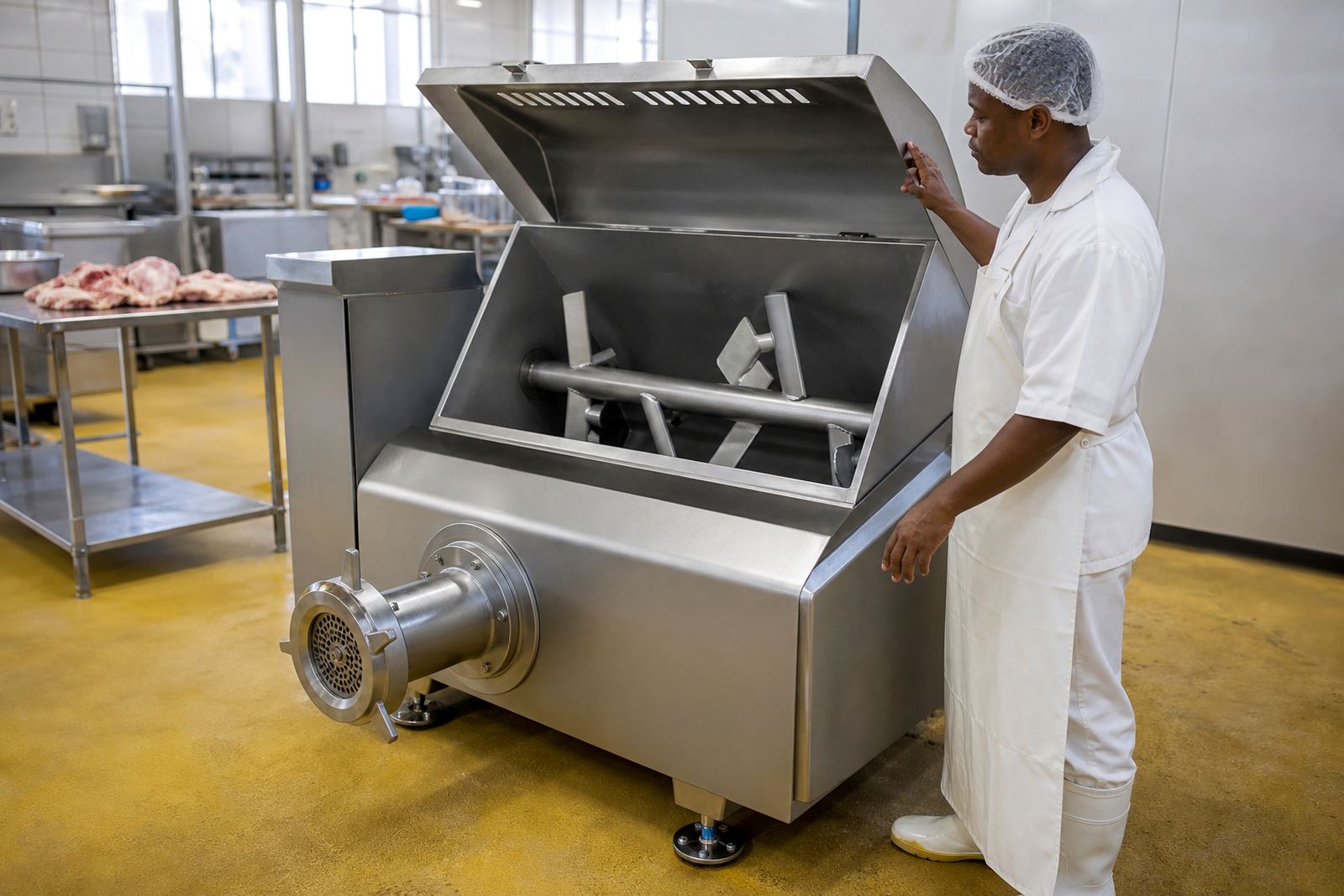
A mincer mixer unit brings two steps into one practical machine. Meat can be minced, then mixed for burgers, sausages, mince packs and other prepared products without moving the batch from one machine to another. That saves time, keeps the workflow neater, and helps reduce handling in a busy room.
These units suit commercial butcheries, supermarket meat rooms, farm shops and smaller home operations that want a cleaner process. They are used where batch prep needs to stay organised, especially when staff are working around load-shedding schedules, early morning prep and tight delivery windows.
For South African conditions, it is also useful to choose equipment that can cope with regular cleaning, dust, heat and the humid coastal air found in places like Durban and Cape Town. A well kept unit should give steady service if it is used correctly and maintained on time.
Sizes and Options That Suit Different Workloads
Mincer mixer units are available in different sizes and output levels so the machine can match the work being done. A smaller unit can suit a home butcher or a shop with lighter daily production, while a larger unit is better for a store doing regular batch mixing and repeated mincing through the week.
When choosing a size, think about how much product is prepared in one run, how often the unit will be used, and how much room is available in the work area. It also helps to look at the type of product being made, because wetter mixtures and heavier blends place different demands on the machine.
- Compact units for lighter production and smaller prep rooms
- Mid-size units for regular retail butchery use
- Larger units for higher throughput and repeat batching
- Options that suit single-phase or three-phase electrical supply where applicable
- Stainless or easy-clean food contact surfaces where standard on the unit
If the unit will be used in a space with limited electrical capacity, it is best to check the site conditions first. That helps avoid delays and makes installation simpler.
Where Mincer Mixer Units Work Best
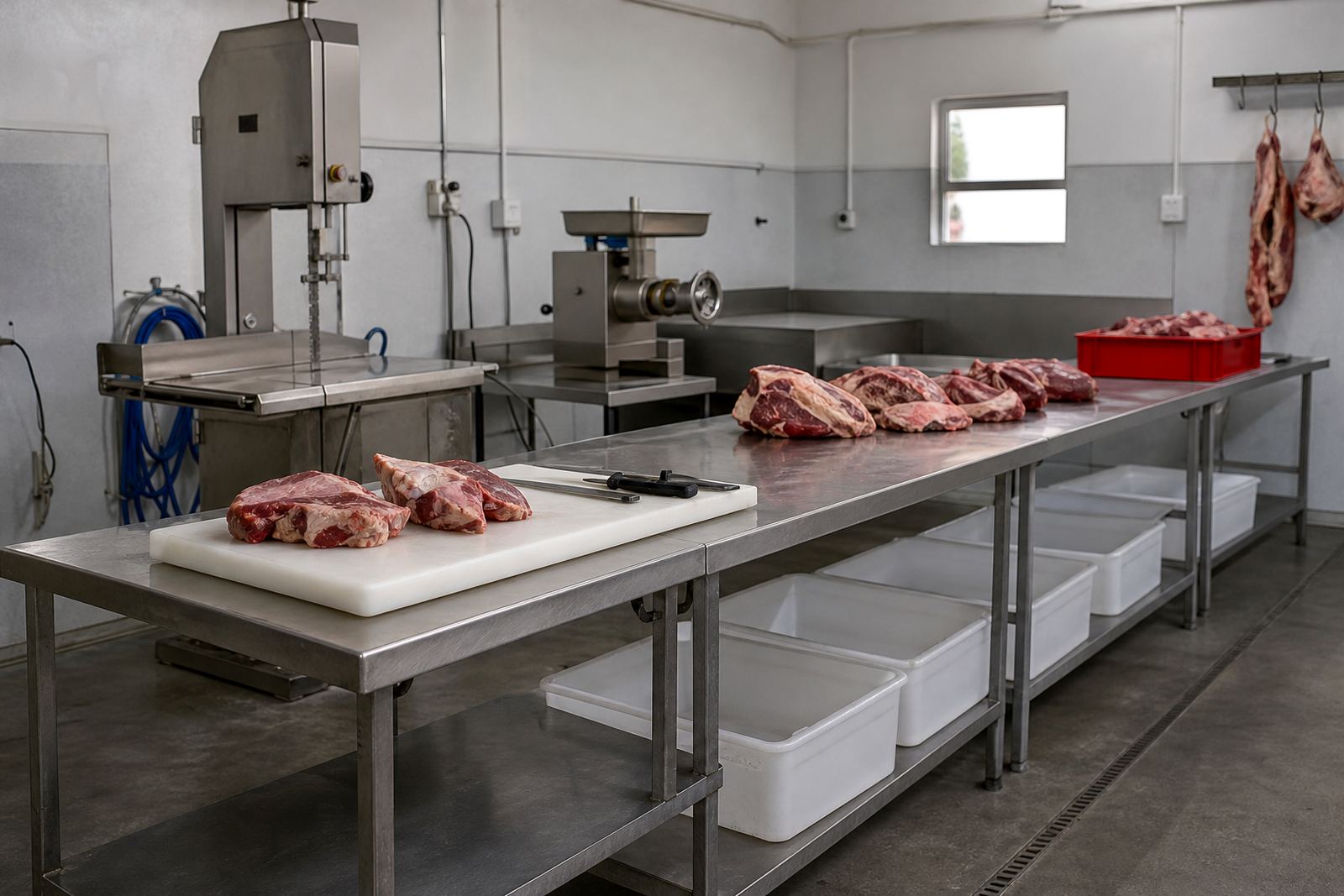
These units are a strong fit for butcheries that prepare mince, sausage mix, polony-style fillings and other seasoned products in a regular workflow. They are also useful in food prep rooms where a small team needs to work efficiently and keep batches consistent from one day to the next.
In Bloemfontein and surrounding Free State towns such as Kimberley, Welkom and Kroonstad, many customers need equipment that can handle dust, temperature swings and power interruptions with as little fuss as possible. In Johannesburg, Pretoria, Durban and Cape Town the same unit may be used in a faster paced environment where space planning and cleaning routines matter just as much.
Home butchers can also benefit from a combined unit if they prepare larger batches for family use, events or small-scale sales. It gives a more orderly process than moving product between separate machines, and that can make cleaning and batch control easier.
- Commercial butcheries and meat rooms
- Supermarket prep areas
- Farm shops and rural supply counters
- Home butchers doing regular batch prep
- Small food production rooms needing a practical combined workflow
Installation, Power and Space Requirements
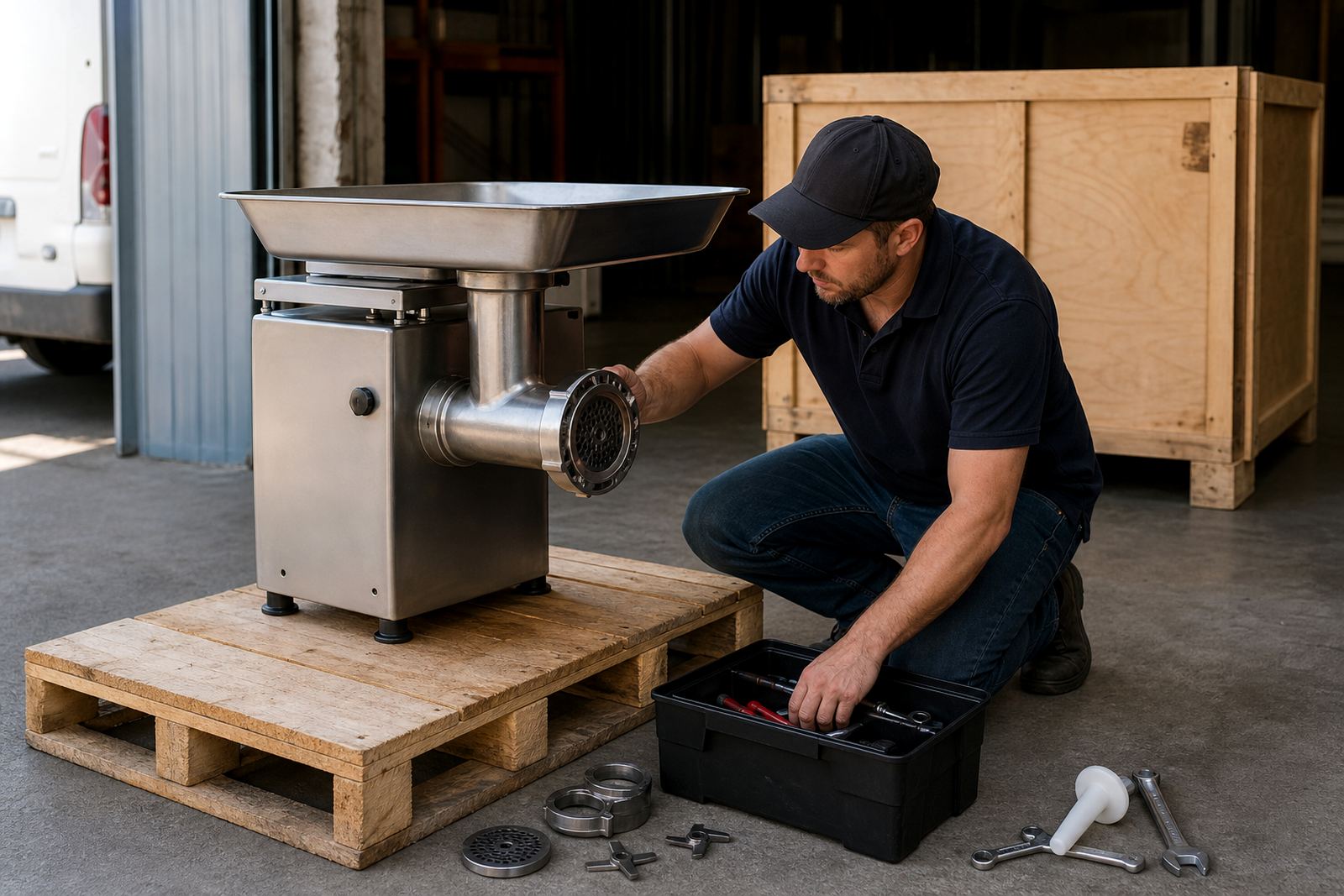
Installation should always start with the actual site conditions. The unit needs a level surface, enough working space around it, and a power supply that matches the machine requirements. Some sites use standard single-phase power, while others are better suited to three-phase supply. It is important to confirm this before delivery so the machine can be set up properly the first time.
When planning the layout, allow for loading product, emptying the finished mix, cleaning around the machine and safe movement for staff. A cramped corner near a door or wash area often leads to poor workflow and unnecessary wear. If the site uses a generator or backup supply during load-shedding, that should also be checked for compatibility.
For businesses in coastal areas, it is worth keeping the machine away from excessive moisture and rinsing it carefully after use. Electrical parts should never be exposed to direct washdown unless the machine is designed for it. Good placement and proper setup will reduce callouts later.
Care, Cleaning and Servicing That Keep It Working
A mincer mixer unit needs regular cleaning, proper drying and routine checks if it is going to last. Product residue should not be left inside the machine after use, and all removable parts need to be washed, dried and refitted correctly. Staff should always use gloves and other basic PPE during cleaning and servicing tasks.
Blades, plates, knives and mixing parts should be inspected for wear on a regular basis. If they start to dull, the cut and mix quality can drop and the motor may work harder than it should. Guards must stay in place, and no one should bypass safety fittings to speed up the job.
- Clean after every production run
- Check and replace worn cutting parts before they affect output
- Keep seals, bearings and moving parts under regular inspection
- Book preventive maintenance before busy periods
- Use trained staff for setup, stripping and reassembly
MorCut Butchery provides servicing, breakdown callouts, parts supply and training support from Hamilton, Bloemfontein, with coverage across South Africa. That includes setup help for shops that want the unit ready for work with the least possible down time.
What to Check Before You Place an Order
Before ordering, it helps to confirm the size of the unit, the volume you expect to process, and the type of power available on site. You should also check whether the machine will fit through doors, into prep rooms and into its final position once delivered. That simple step can save a lot of trouble on the day of installation.
It is also wise to consider how the unit will be cleaned, who will operate it, and whether staff need training. A machine that is right for the production load but difficult to clean or too large for the room will not serve the business properly. If the site has municipal rules or landlord rules around drainage and wash areas, those should be considered before setup too.
- Available floor space and access routes
- Power supply type and backup power arrangements
- Daily batch size and expected throughput
- Cleaning routine and staff handling needs
- Training, servicing and parts support requirements
Clients can send an enquiry through the contact page and the team will help work through the details. That includes advice on delivery, setup and the right operating routine for the space at hand.
Support from MorCut Butchery
MorCut Butchery is based in Hamilton, Bloemfontein and has supported butchers since 2008. The team works with commercial and home users who need practical equipment guidance, setup help and after-sales support that is straightforward and easy to follow.
The team includes Lerato Mokoena for sales support, Willem Jacobus Smit for service coordination, Ayanda Khumalo for customer support, Morne du Plessis in the workshop, Naledi Sekgobela for parts and logistics, and Themba Dlamini for training. That means customers can get help with installation, cleaning demonstrations, preventive maintenance and breakdown callouts when needed.
Delivery and supply are available across Bloemfontein, Johannesburg, Pretoria, Durban, Cape Town, Kimberley, Welkom and Kroonstad. Whether the job is a new setup or a replacement unit, the aim is to keep the process practical, tidy and suited to the way South African butcheries actually work.
Key facts
| Machine type | Combined mincing and mixing unit for butchery workflow |
|---|---|
| Size options | Compact, mid-size and higher-output units available |
| Typical use | Mince preparation, batch mixing and seasoned meat products |
| Power requirement | Dependent on model and site supply, confirm before installation |
| Construction | Food-contact surfaces designed for regular cleaning |
| Support | Delivery, setup, servicing, training and parts supply |