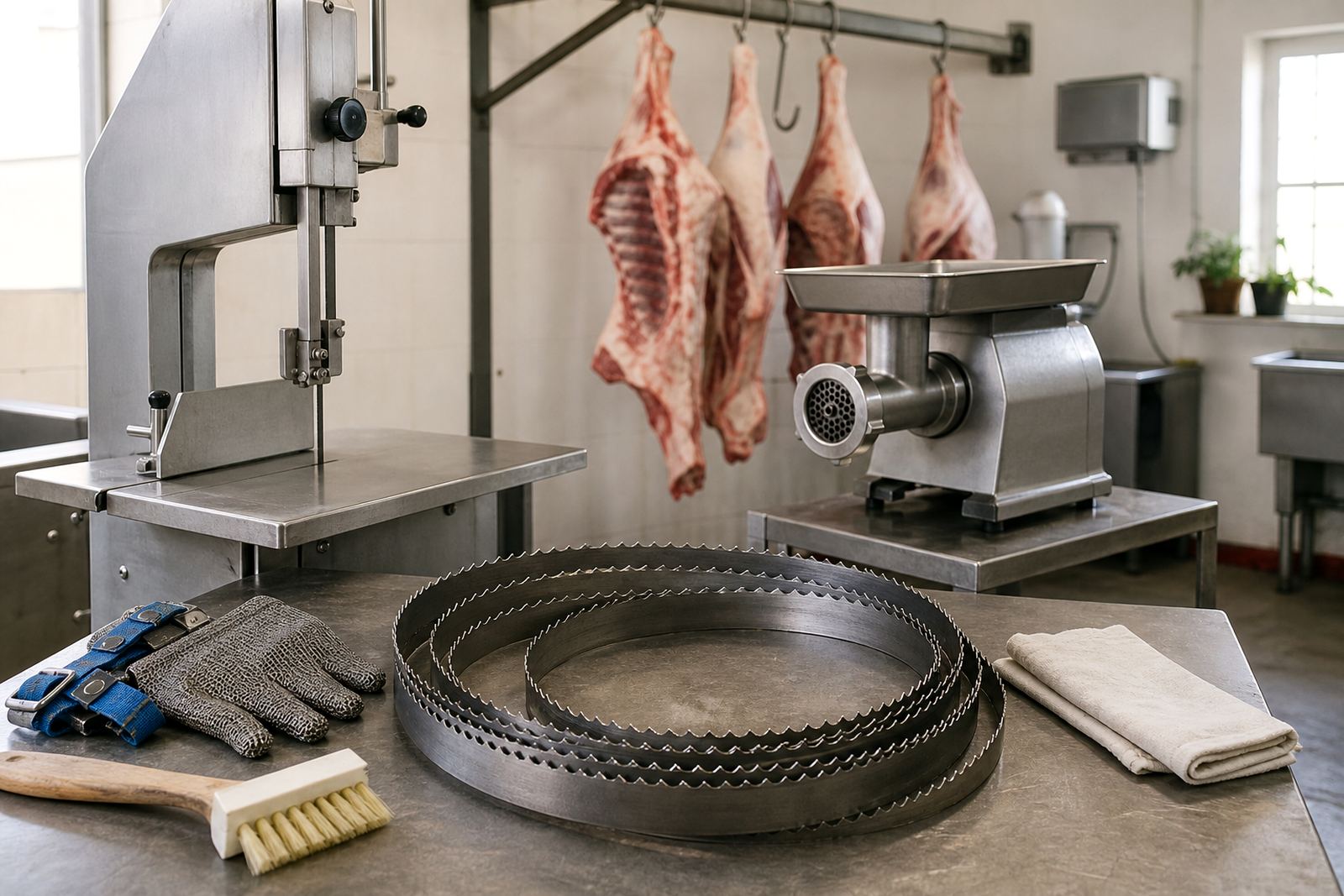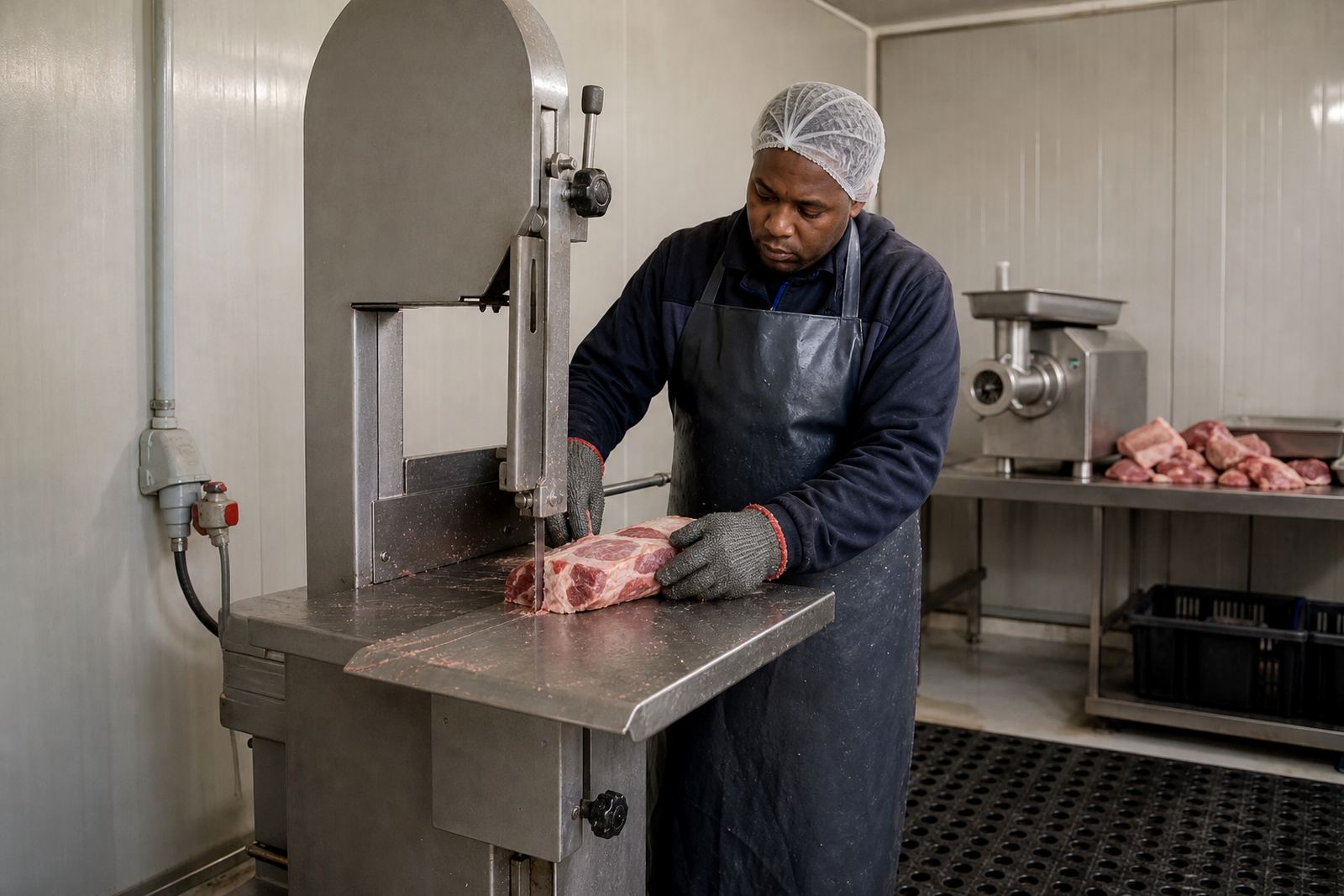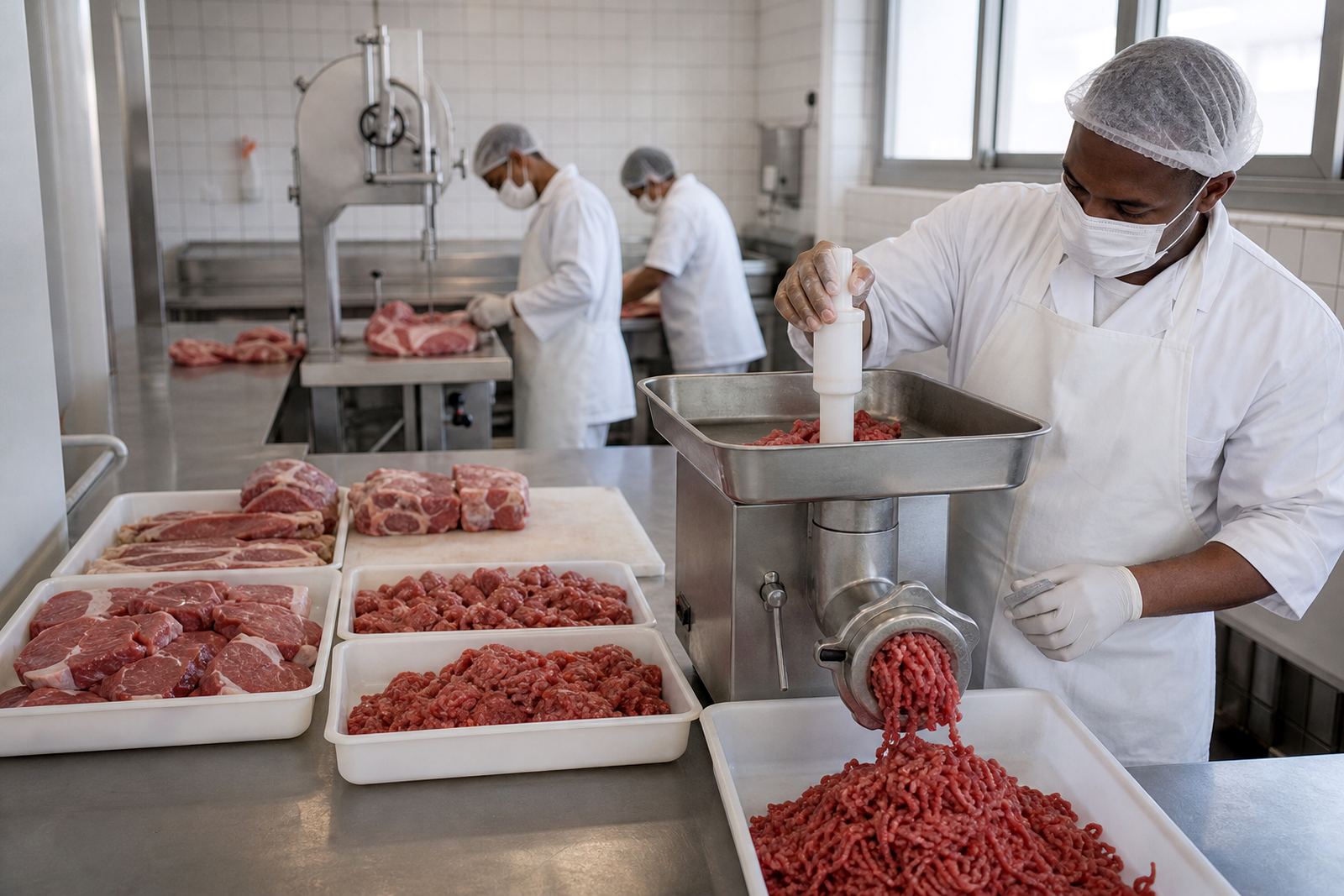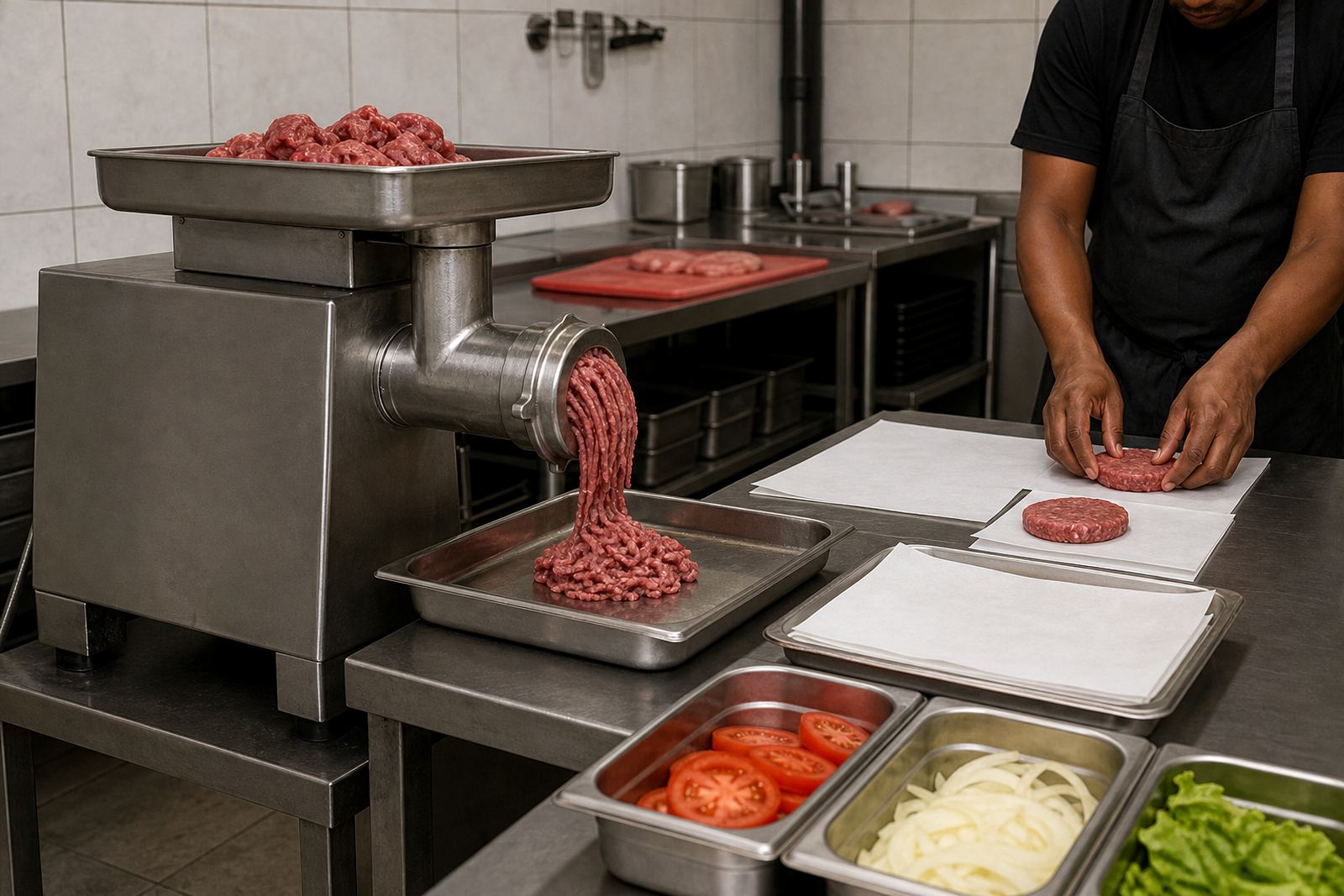


What a burger mincer does in daily butchery work
A burger mincer is made to turn prepared meat into mince for patties, mince packs, and food service use. In a busy blockman setup it helps keep portions consistent, while at home it gives you more control over fat content, cut size and freshness. The right unit should suit the volume you work through each day and the space you have on hand.
For retail counters and kitchen prep areas, burger mince is often prepared from chilled meat that has already been trimmed and sorted. That means the mincer needs to feed smoothly, cut cleanly and stay easy to wash down after use. Good handling matters just as much as the cutting action, because warm meat and poor cleaning can quickly affect the finish and the flavour.
Size and output options for small to busy operations
Burger mincers are available in different capacities so you can match the machine to your workflow. A smaller unit suits home butchers, test kitchens and light weekend trade. Larger units are a better fit for butcheries, restaurants, food trailers and retail outlets that prepare mince every day. The right choice depends on how much meat you process, how often you run the machine and how much bench or floor space you can spare.
- Compact units for home use and low-volume prep
- Mid-size units for butcheries and takeaway kitchens
- Heavier duty units for regular retail and food service production
- Options that suit mince packs, burger patties and mixed minced products
When comparing models, look at the inlet size, the body construction, the plate and knife setup, and how easy it is to strip down for cleaning. A machine that is too small will slow you down, while one that is too large may waste power and take up more room than you need.
Where burger mincers suit best
These mincers suit a wide range of South African users, from family butchers in Bloemfontein to food service businesses in Johannesburg, Pretoria, Durban and Cape Town. They are also useful for smaller towns like Kimberley, Welkom and Kroonstad where a shop may need one machine to do several jobs through the week. In coastal areas, regular cleaning matters even more because moisture and salt air can affect metal parts if the machine is left damp.
They work well in places where minced beef, chicken or mixed mince is prepared in batches for burgers, pies, mince packs and ready meals. If you are running a busy shop, it helps to have a separate prep table, covered storage for cleaned parts and enough time built into the day for washdown and inspection.
- Butcheries and meat rooms
- Supermarkets and food counters
- Restaurants, takeaways and caterers
- Home butchers and hobby users
Power, setup and practical installation points
Before ordering, check where the machine will sit and what power supply is available at that point. Some units are best suited to a standard workshop plug point, while others need a dedicated supply arranged by a competent person. If you are fitting the machine into a busy prep area, make sure there is enough clearance to load meat safely and to remove the cutting set for cleaning.
Good installation also means a level surface, easy access for servicing and a position away from direct splash from wash bays. In towns where load-shedding is common, it helps to plan your production around available power and keep backup workflows in place for smaller batches. Never bypass guards or use the machine with loose fittings, and always have trained staff handling the start-up and strip down.
- Confirm the power supply before delivery
- Allow space for safe loading and cleaning
- Keep the unit on a stable, level base
- Use proper PPE when handling blades, plates and meat prep
Care, cleaning and servicing that keeps mince quality steady
A burger mincer lasts longer when it is cleaned properly after use and serviced before parts wear too far. Meat residue left in the head, plate or knife can affect the next run and can also make the machine harder to strip. After each session, remove the working parts, wash them thoroughly, dry them completely and store them in a clean place.
Regular servicing helps with cutting quality, motor strain and general safety. If you notice uneven mince, pushing, noise, vibration or a smell of strain from the motor, the machine should be checked before it causes a bigger stop. We also recommend periodic checks on plates, knives, seals and fittings so small wear is caught early. A sharp set cuts better and gives a more even result, which matters when you are making burger mince for customers.
- Wash and dry all food contact parts after each use
- Inspect the knife and plate for wear or damage
- Keep guards, switches and covers in working order
- Book servicing before the machine starts to labour
What to check before you place an order
When ordering a burger mincer, think about the meat you process, the quantity per day and the finish you want in the final mince. It helps to know whether you need a machine for regular retail sales, burger prep, or mixed kitchen use. You should also check the available power point, the space for delivery and setup, and whether your team has been shown how to use and clean the machine correctly.
Also consider the parts you may need later, such as plates, knives and general wear items. If you are ordering for a branch or a new site, it is worth confirming who will receive the machine, who will sign off installation and who will be responsible for daily cleaning. Clear planning now saves time later and reduces downtime once trade starts.
- Daily volume and the type of mince you prepare
- Available power and installation space
- Need for delivery, setup and operator training
- Future access to parts and servicing
Key facts
| Product type | Burger mincers for fresh meat preparation |
|---|---|
| Best use | Retail mince, burger prep and food service kitchens |
| Size range | Compact, mid-size and heavier duty options |
| Power needs | Model dependent, confirm supply before installation |
| Care | Wash, dry and inspect after each use |
| Support | Delivery, setup, training, servicing and parts supply |